Knowledge Directory

Every door of the dharma.

106 entries on the teachings, the figures, the traditions, the texts, the practices, and the visual vocabulary of Buddhism. Research-grade. Cross-referenced. Anchored at Lumbini, where the path begins. The encyclopedia for the next 2,600 years.

Topics106
Categories8
Traditions7
Cross-references590
Featured

Six entries to begin with.

The doctrines, the emptiness teaching, the Vajrayana current, the great Mahayana sutra, the practice of insight, the wheel itself — six doors into the directory.
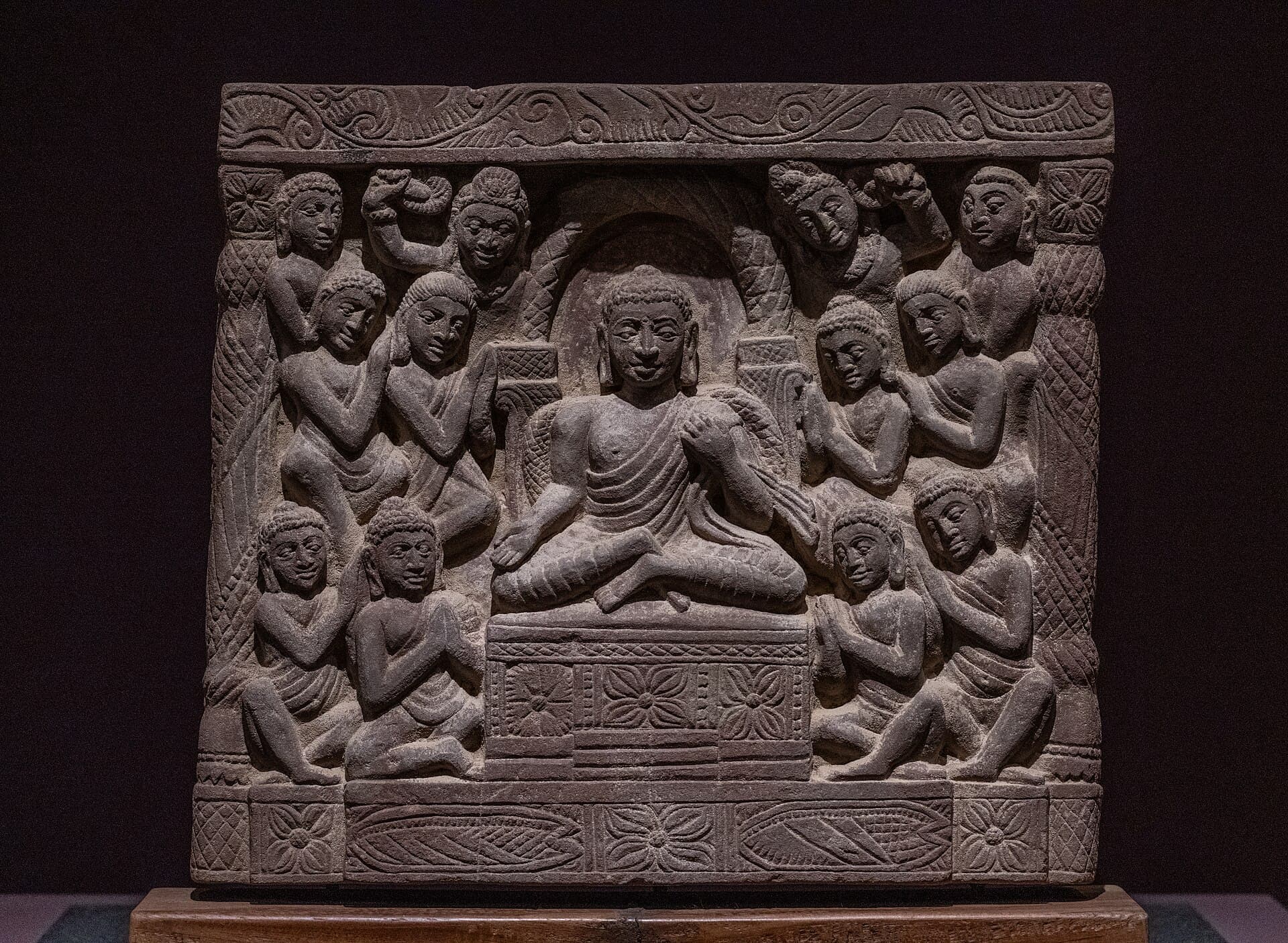
Gandharan relief of the Buddha's first sermon at Sarnath
Core Teachings

The Four Noble Truths

The diagnosis, the cause, the cure, the path

The Buddha's first teaching after awakening — delivered at Sarnath to the five ascetics — laid out the diagnosis of suffering, its cause, its cessation, and the path that leads beyond it. Every later teaching is a commentary on these four.

Read entry →
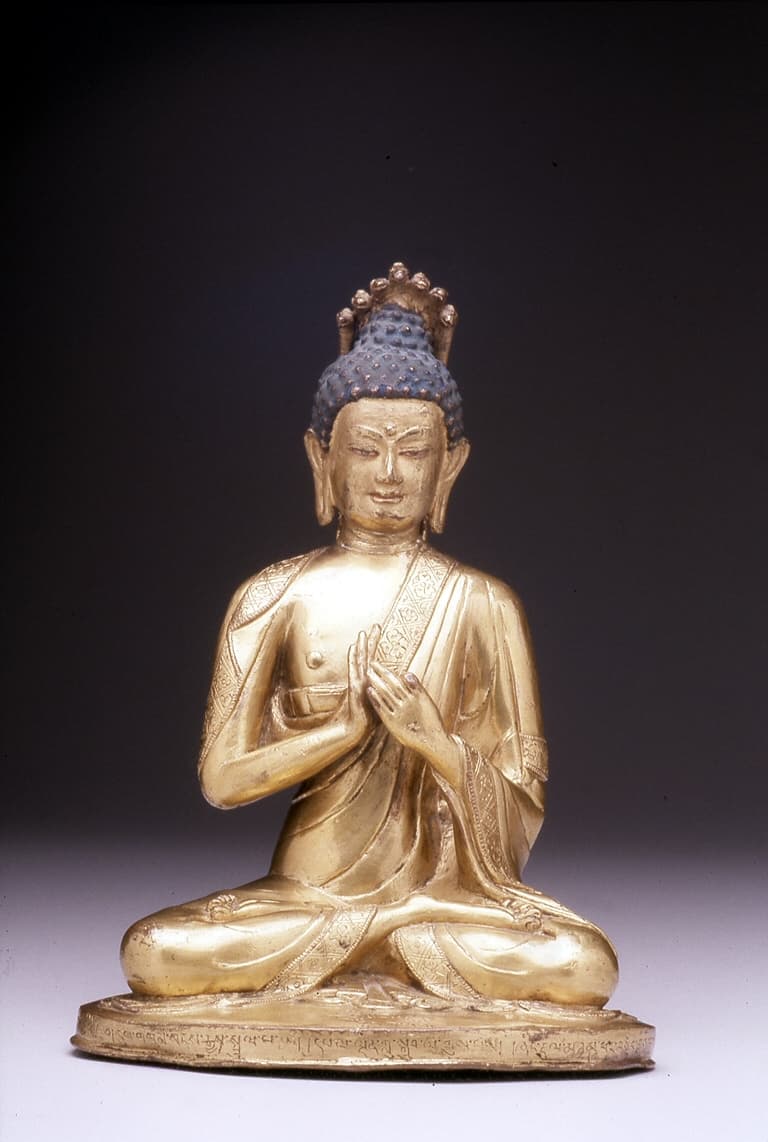
Gilt bronze image of Nāgārjuna, teacher and philosopher of emptiness
ConceptsMahayana

Sunyata

Emptiness — the lack of inherent existence

Emptiness is the absence in all phenomena of independent, intrinsic existence. It is not nothingness but the positive recognition that everything arises in dependence on other things — the deepest reading of the Buddha's teaching.

Read entry →
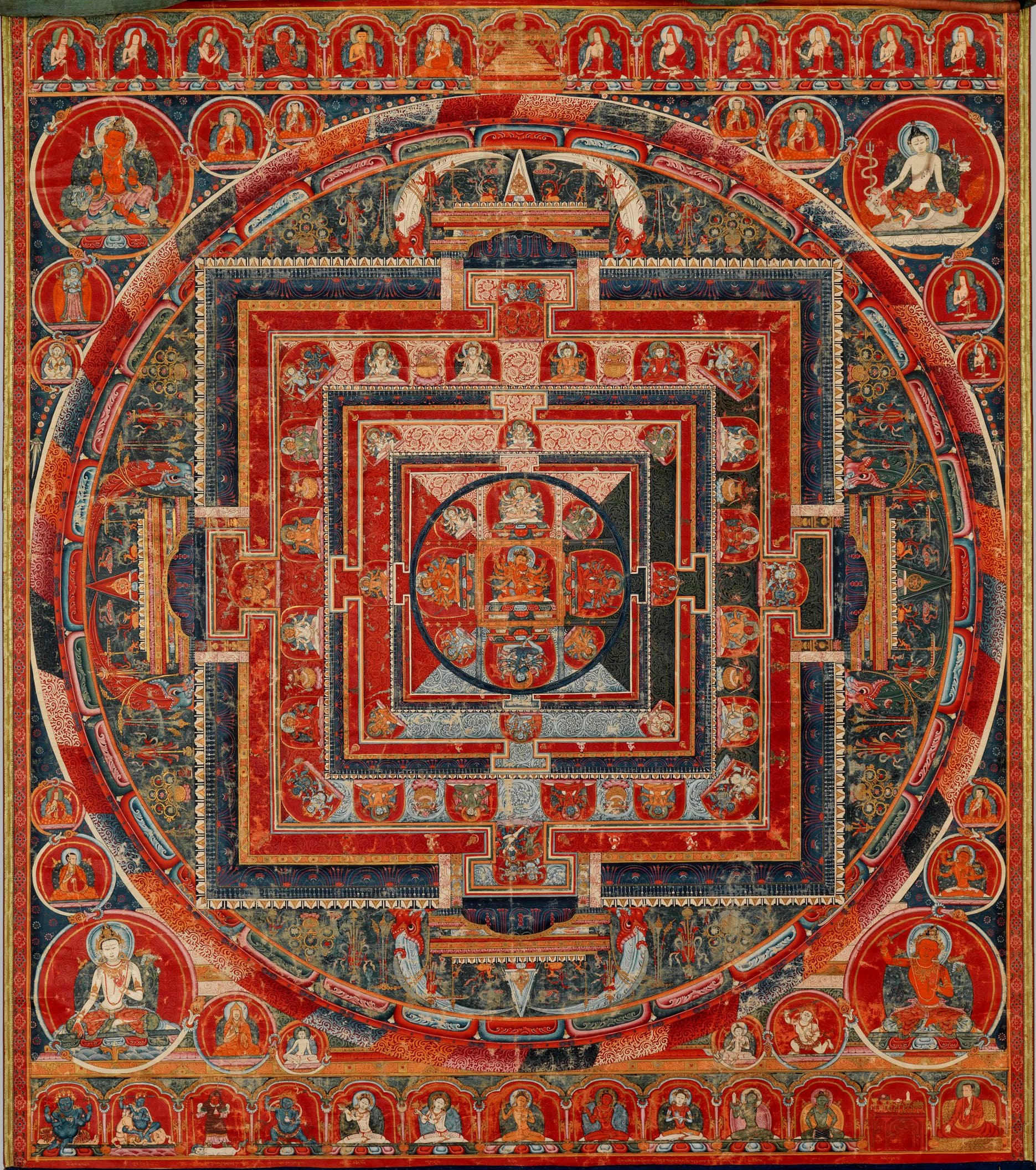
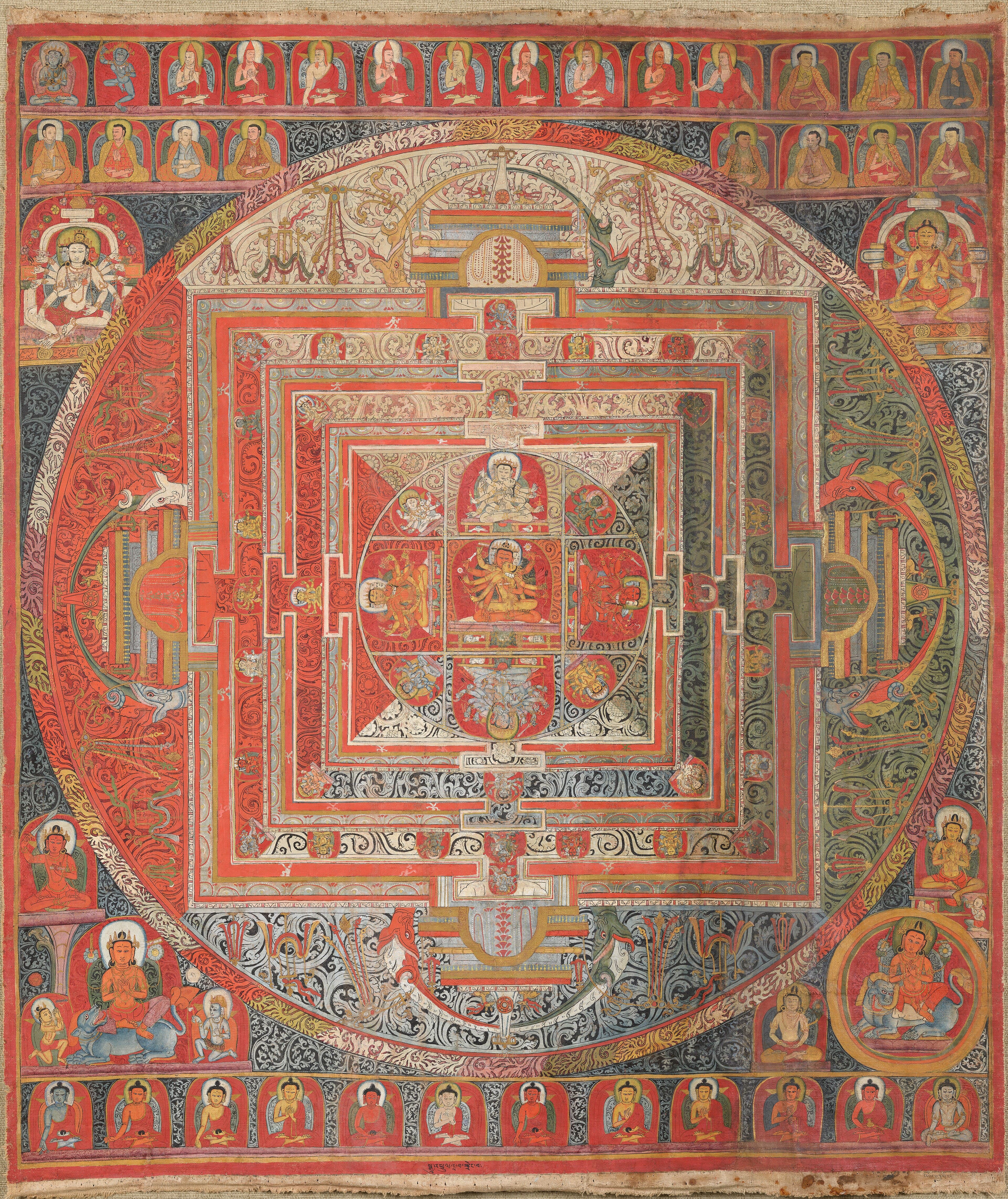
Tibetan tantric mandala of the forms of Manjushri, the bodhisattva of transcendent wisdom
TraditionsVajrayana

Vajrayana

The Diamond Vehicle / Tantric Buddhism

The Diamond Vehicle — the tantric path that uses mantra, visualization, deity yoga, and direct transmission to make buddhahood possible in a single lifetime, in this very body, provided one has the right empowerment from a qualified lineage holder.

Read entry →
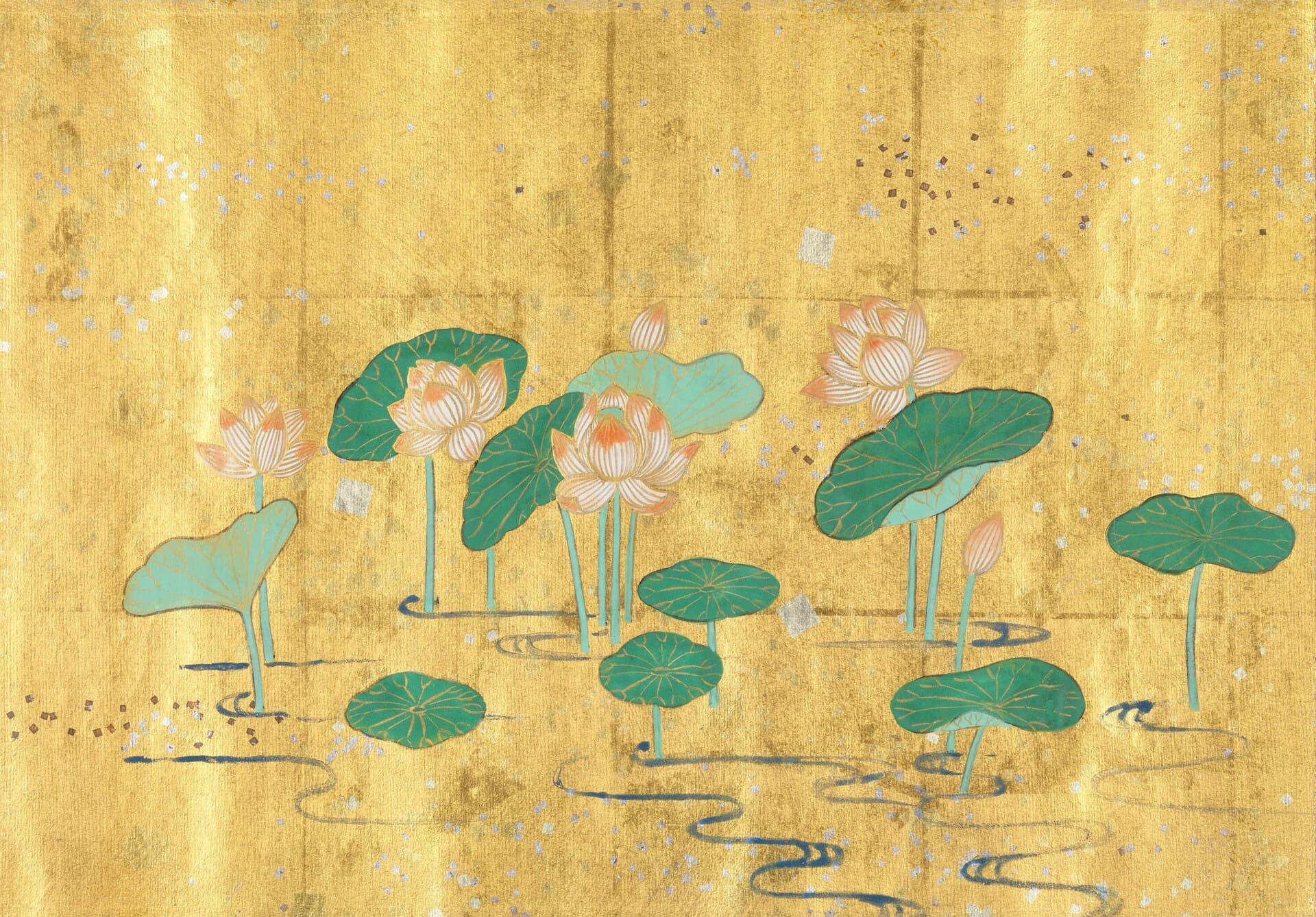
Gold-ground Japanese painting of lotus flowers illustrating the Lotus Sutra
TextsMahayana

The Lotus Sutra

The Saddharma-Pundarika

The most influential Mahayana sutra in East Asia. The teaching of the One Vehicle, the eternal Buddha, and the universal possibility of buddhahood. Composed c. 1st century BCE to 1st century CE.

Read entry →
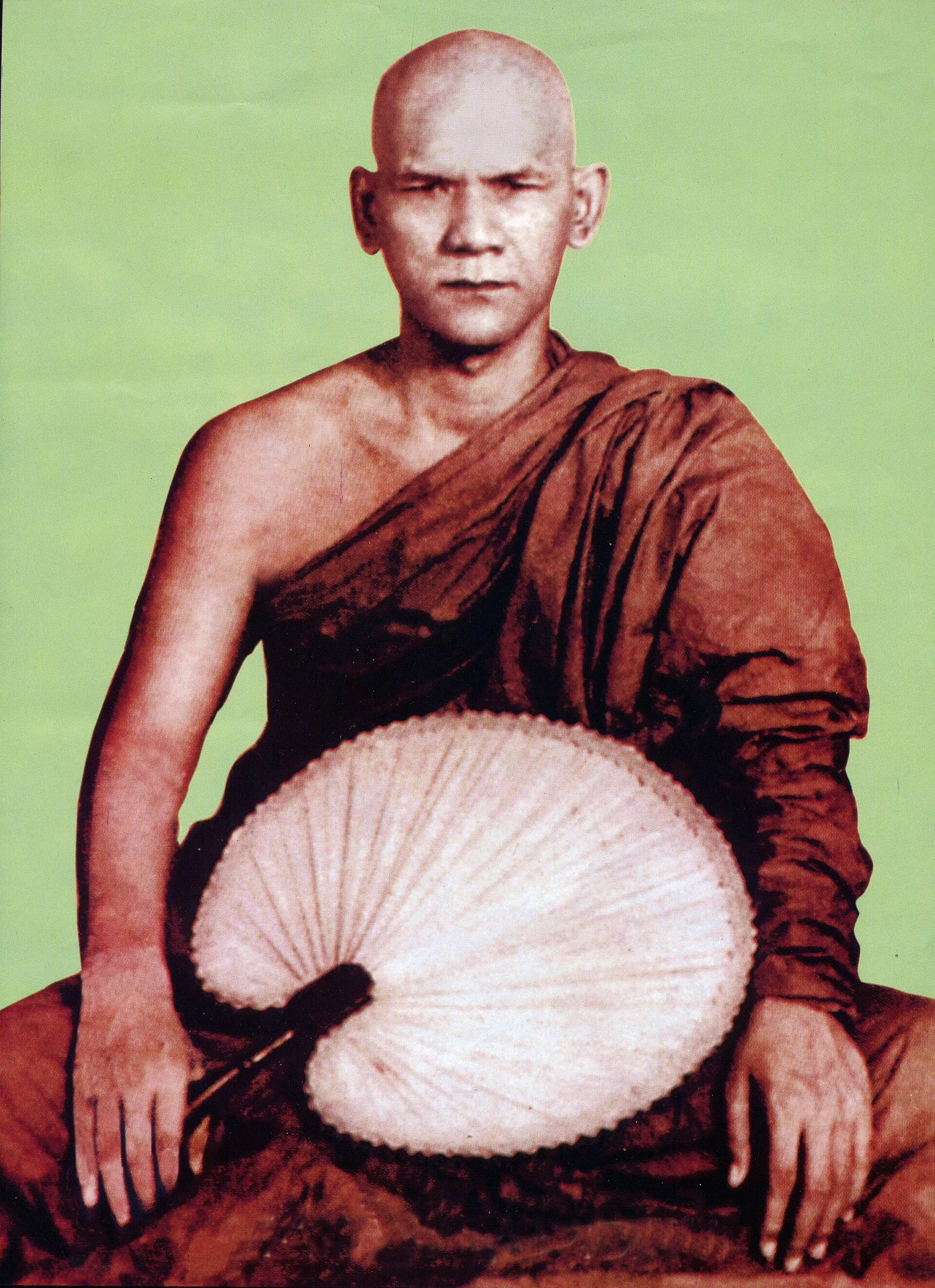
Portrait of Mahasi Sayadaw, founder of the modern noting method of vipassana
PracticesTheravada

Vipassana — Insight Meditation

Seeing things as they actually are

The practice of seeing the three marks of existence — impermanence, suffering, non-self — directly in moment-to-moment experience. The Buddha's central method.

Read entry →
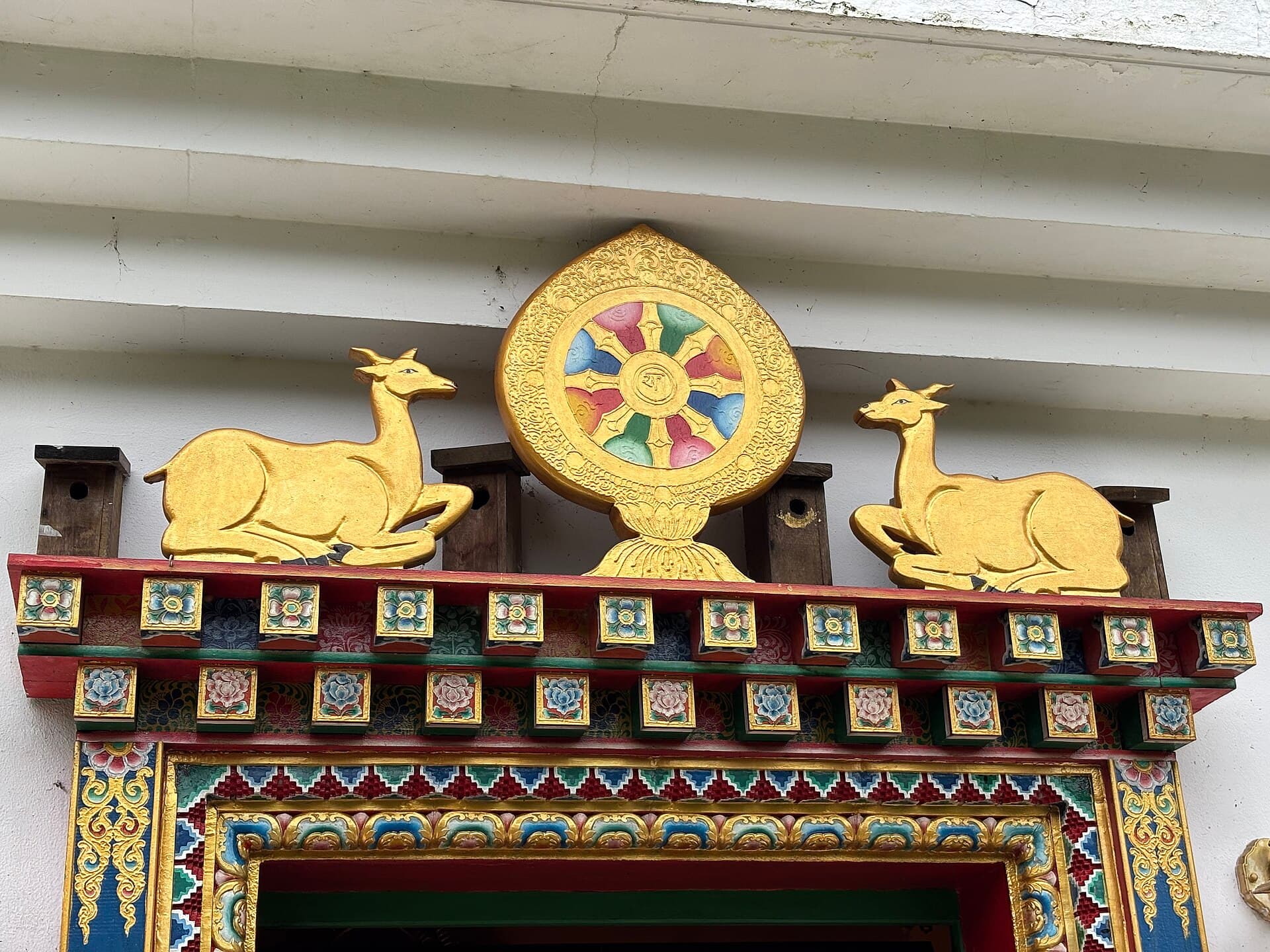
Gilded eight-spoked dharma wheel flanked by two deer above a monastery entrance
Art & Symbols

The Dharma Wheel (Dharmachakra)

Eight spokes, one path

The wheel the Buddha set in motion at Sarnath — eight spokes for the Eightfold Path, the rim of moral discipline, the hub of meditative concentration. The oldest and most universal Buddhist symbol.

Read entry →
01 · Core Teachings12/10

Core Teachings

The doctrines

The Four Noble Truths, the Eightfold Path, dependent origination, the three marks of existence, karma, rebirth, and the architecture of awakening.

View all core teachings
Gandharan relief of the Buddha's first sermon at Sarnath
Core Teachings

The Four Noble Truths

The Buddha's first teaching after awakening — delivered at Sarnath to the five ascetics — laid out the diagnosis of suffering, its cause, its cessation, and the path that leads beyond it. Every later teaching is a commentary on these four.

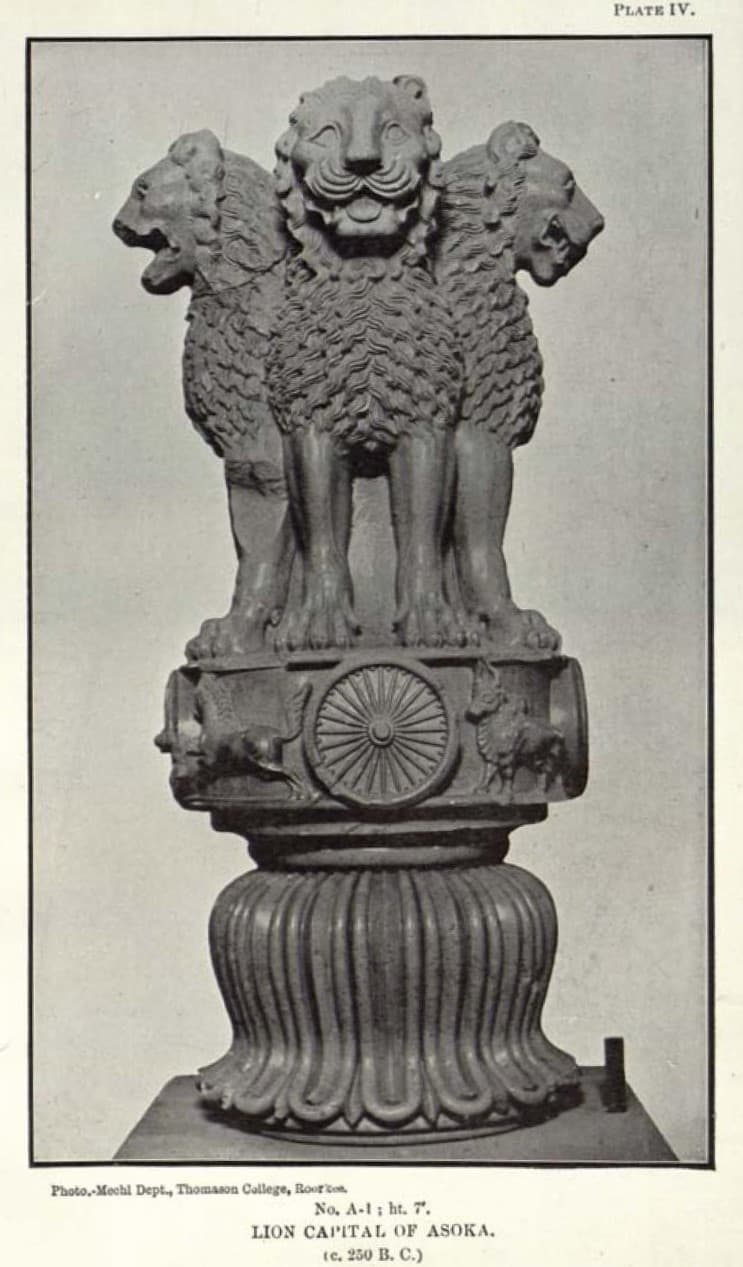
Archival 1911 museum plate photograph of the Lion Capital of Ashoka from Sarnath, showing the dharma wheel carved on its abacus
Core Teachings

The Noble Eightfold Path

The fourth of the Four Noble Truths is the path itself — eight interrelated factors grouped under wisdom, ethical conduct, and mental discipline. It is the Buddha's prescription for the ending of suffering.

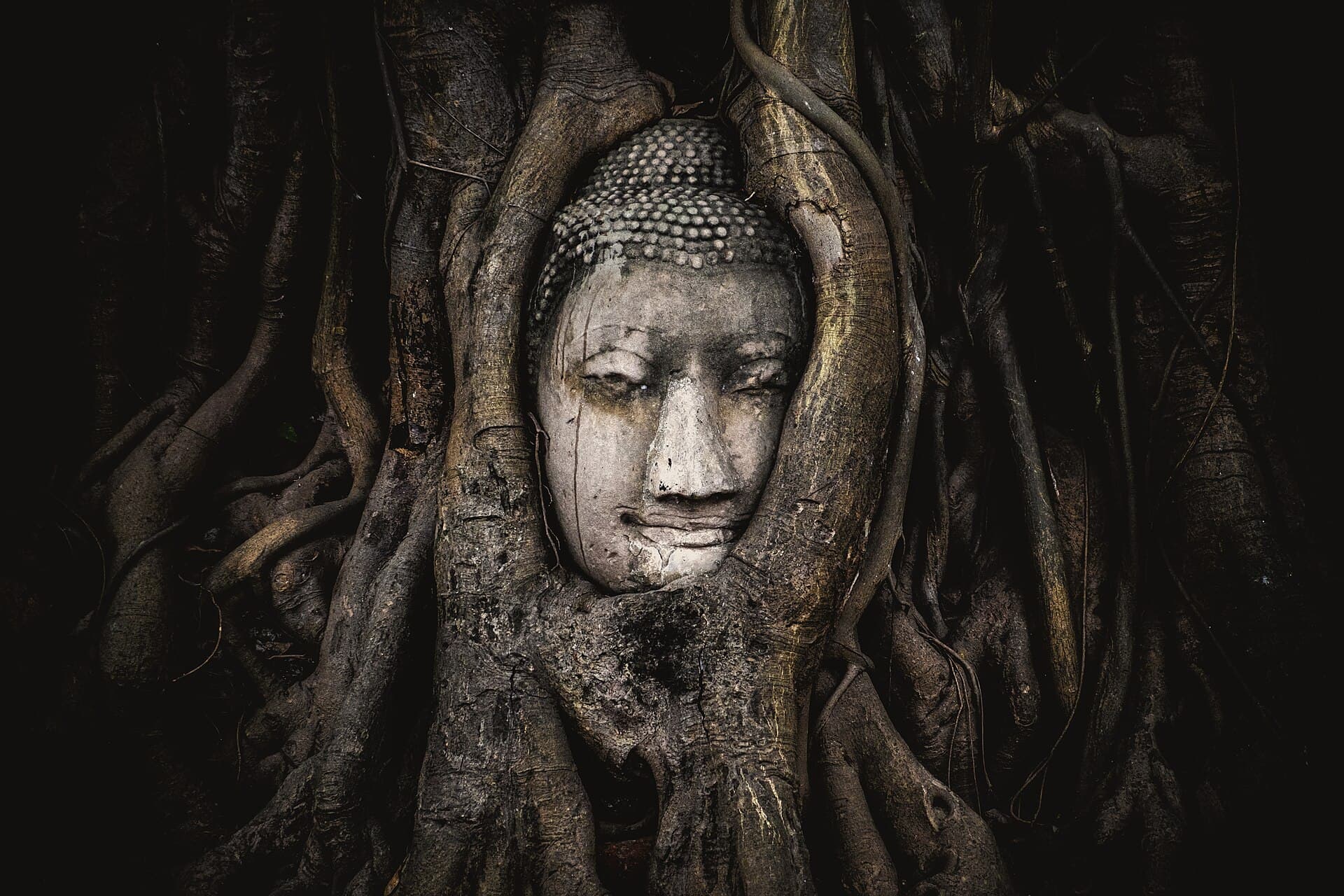
A stone Buddha head at Wat Mahathat, Ayutthaya, entwined and reclaimed by the roots of a Bodhi tree
Core Teachings

The Three Marks of Existence

Three characteristics belong to all conditioned phenomena: impermanence, unsatisfactoriness, and non-self. To see them clearly in one's own experience is the precondition of liberating insight.

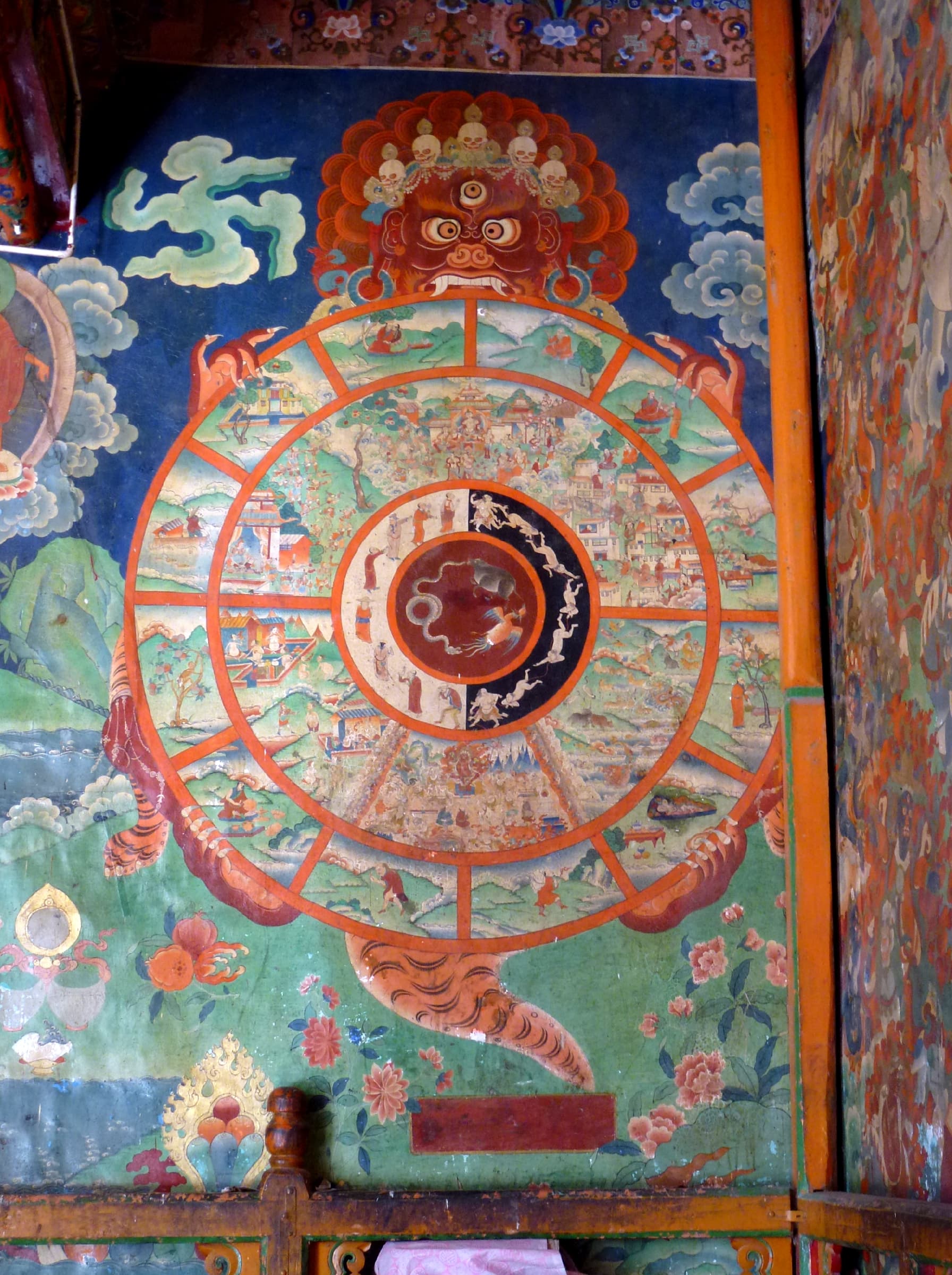
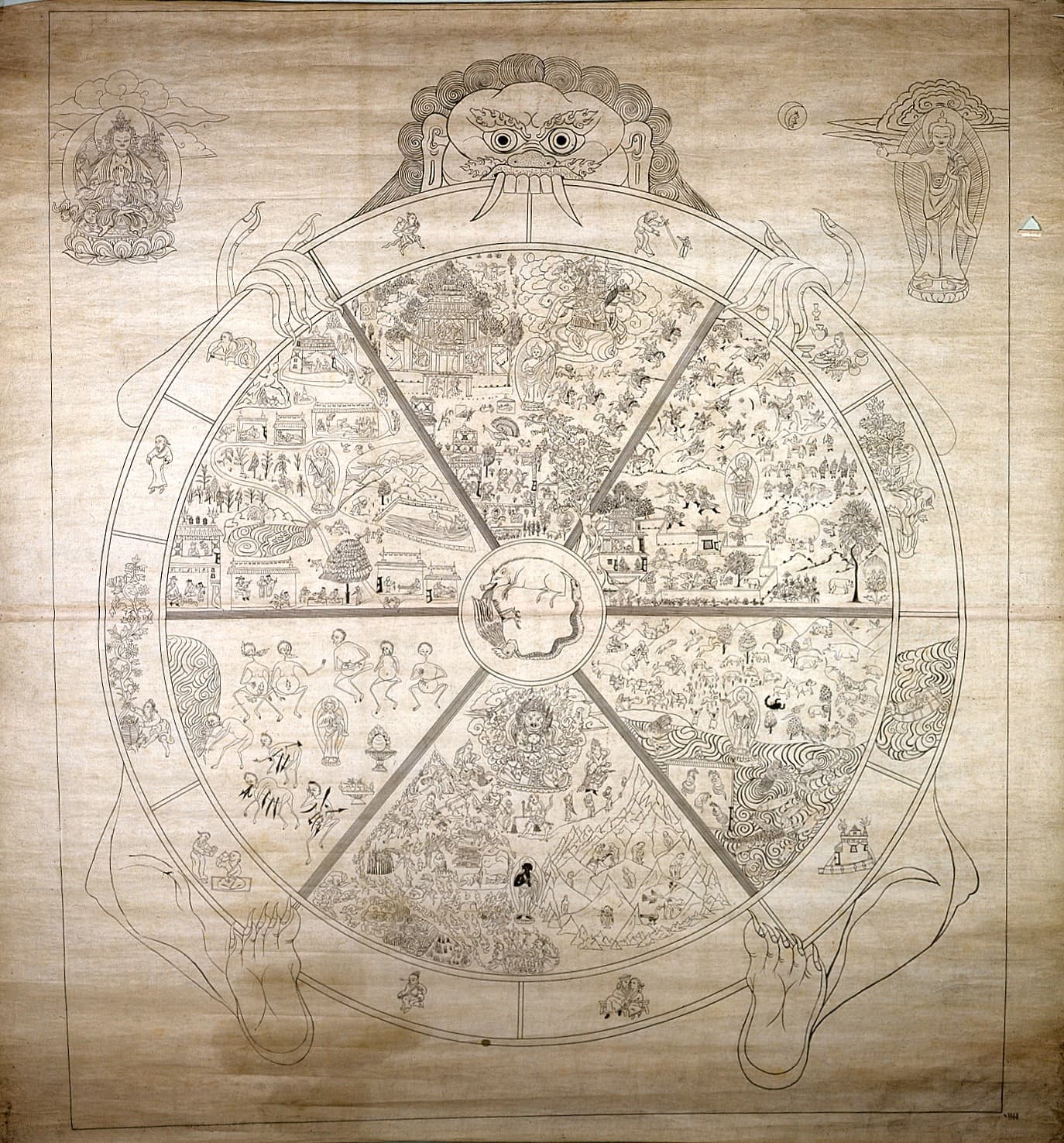
A Bhavacakra (Wheel of Life) mural held in the jaws and claws of Yama, painted on a monastery wall
Core Teachings

Dependent Origination

The twelvefold chain by which ignorance gives rise to suffering, and the principle that nothing arises independently. The deepest of the Buddha's teachings, and the heart of the Madhyamaka analysis of emptiness.

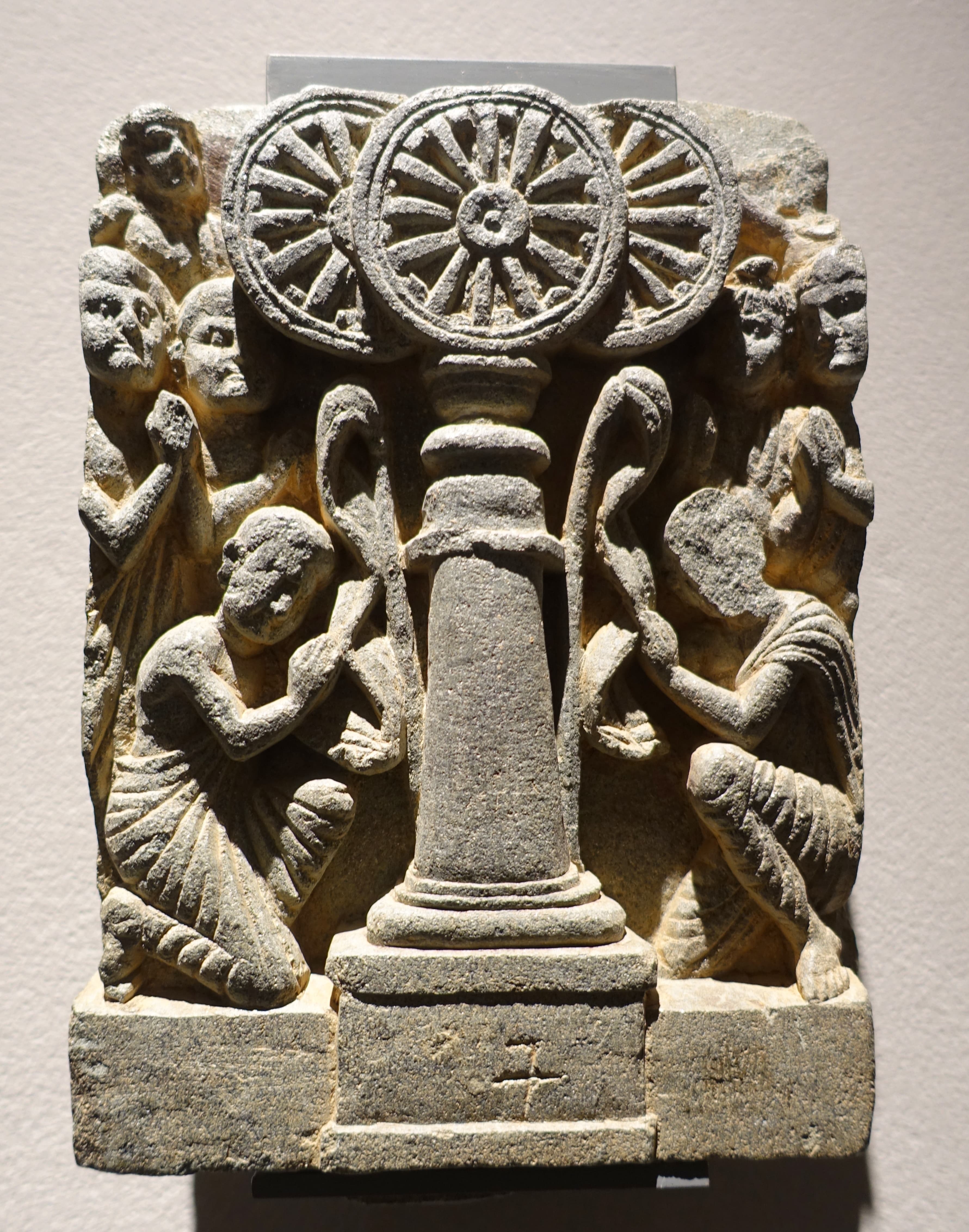
Ancient Gandharan stone relief of devotees venerating dharma wheels on pillars, an aniconic-era depiction of the triratna
Core Teachings

The Three Jewels

Taking refuge in the Buddha, the Dharma, and the Sangha is the formal entry into the Buddhist path. The three jewels — tiratana in Pali, triratna in Sanskrit — are what the practitioner relies upon when the conditioned world will not bear weight.

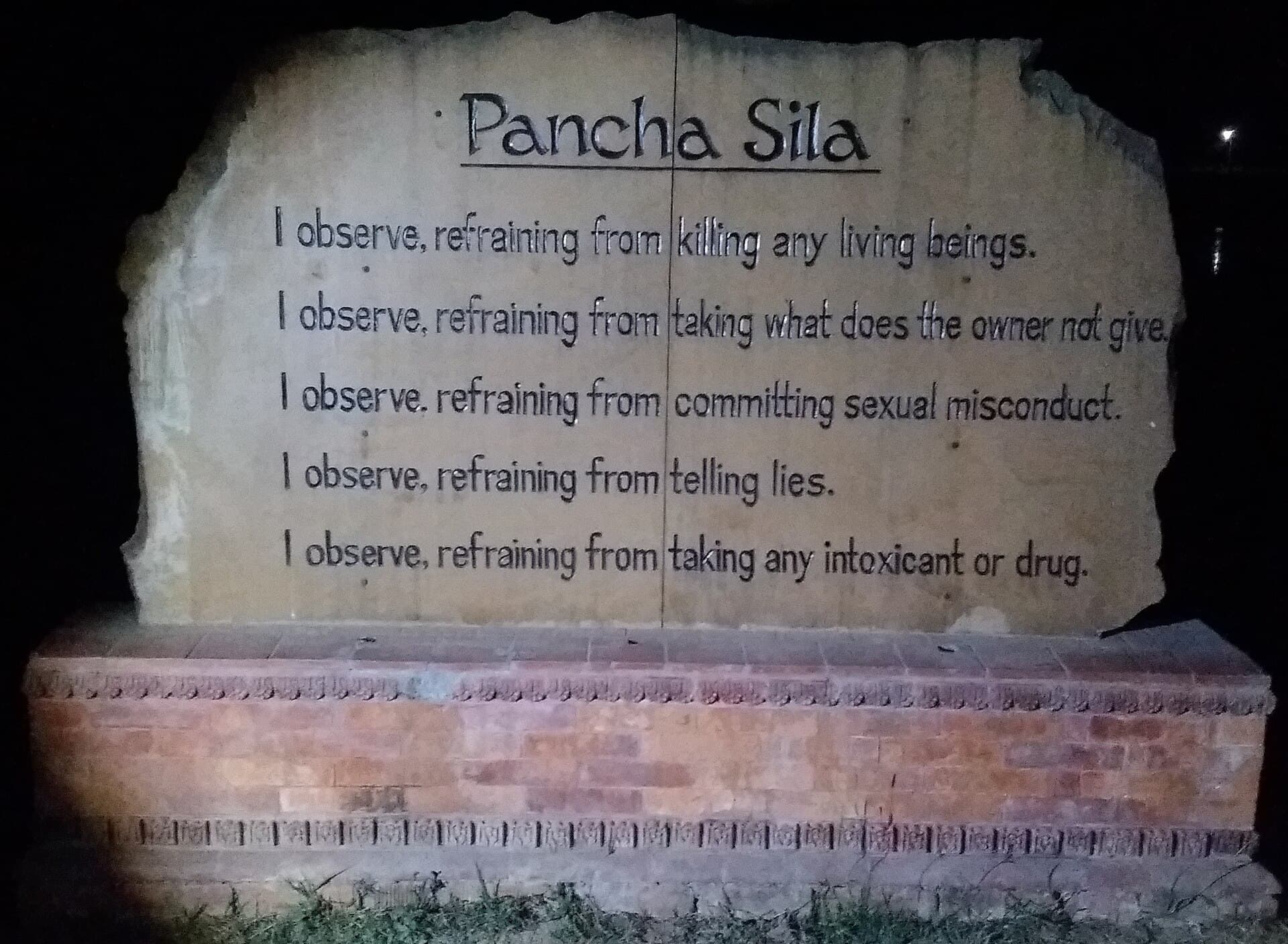
A stone marker inscribed with the Pancha Sila — the five precepts — at Lumbini Park, Nepal
Core Teachings

The Five Precepts

Five voluntary trainings undertaken by every lay Buddhist: to abstain from killing, stealing, sexual misconduct, false speech, and intoxicants. They are the minimum architecture of ethical life and the foundation on which all higher practice rests.

02 · Figures30/18

Figures

The Buddha, the disciples, the masters

Siddhartha Gautama and the great disciples who heard the teachings firsthand. The patriarchs and masters across two and a half millennia who carried the dharma forward.

View all figures
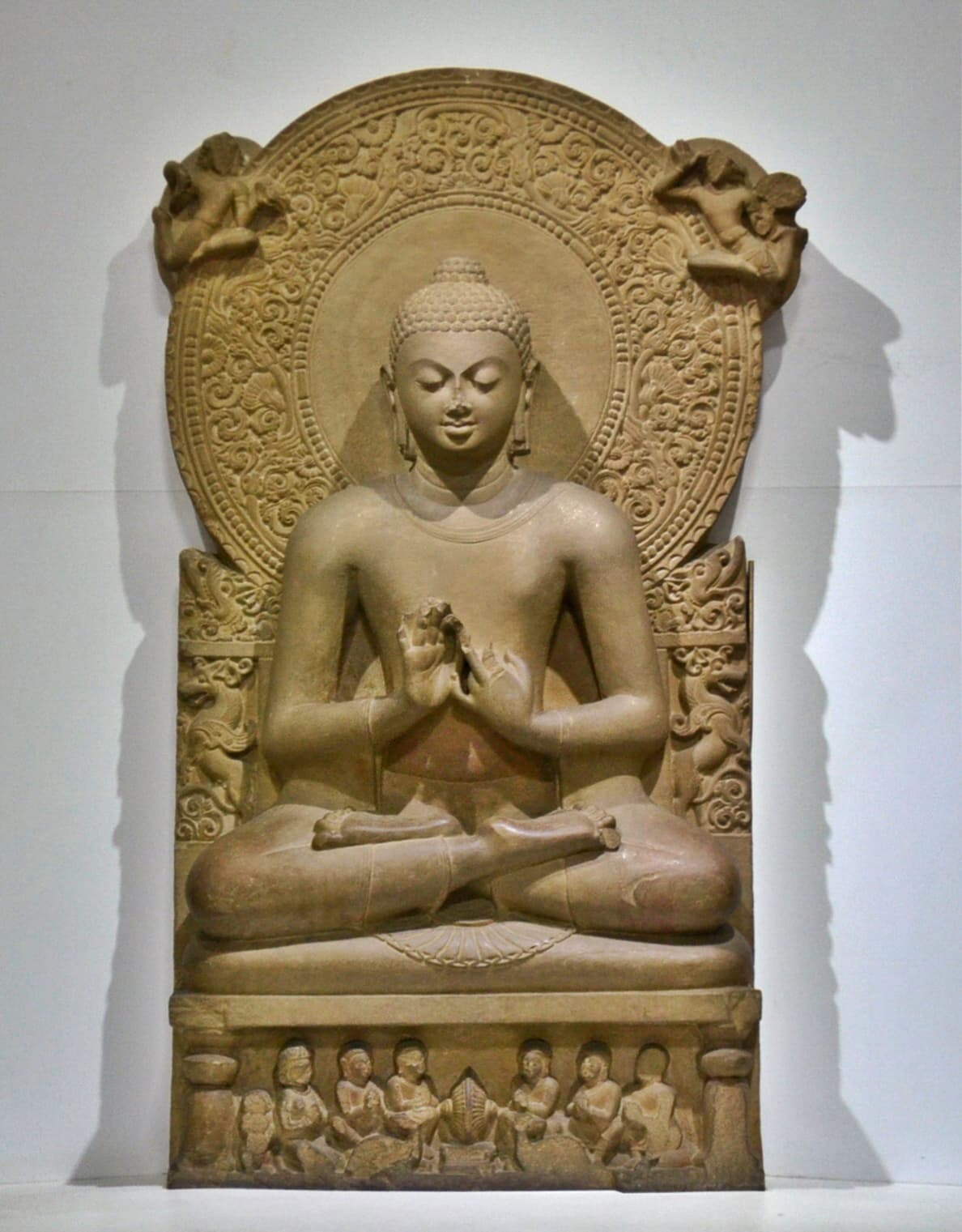
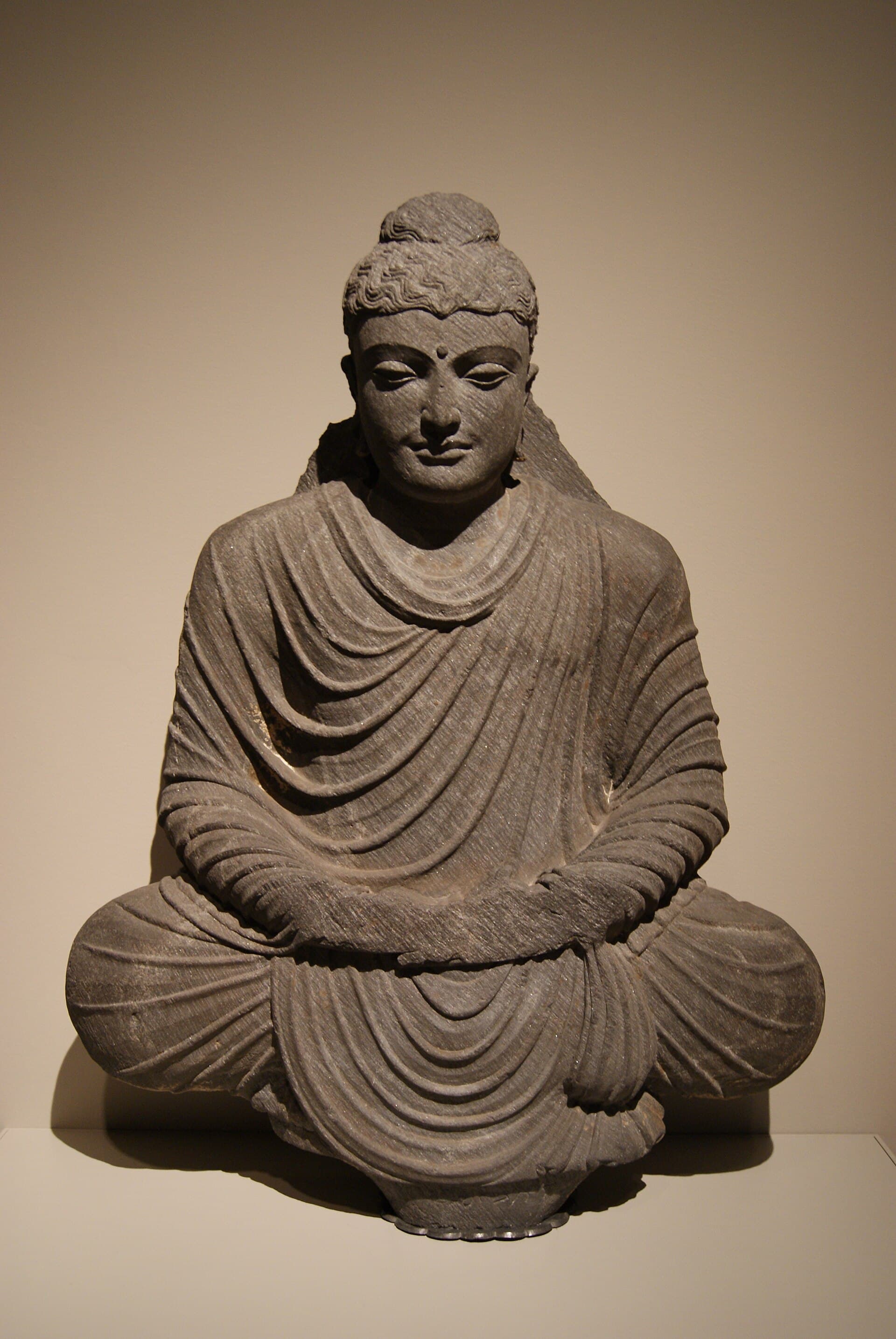
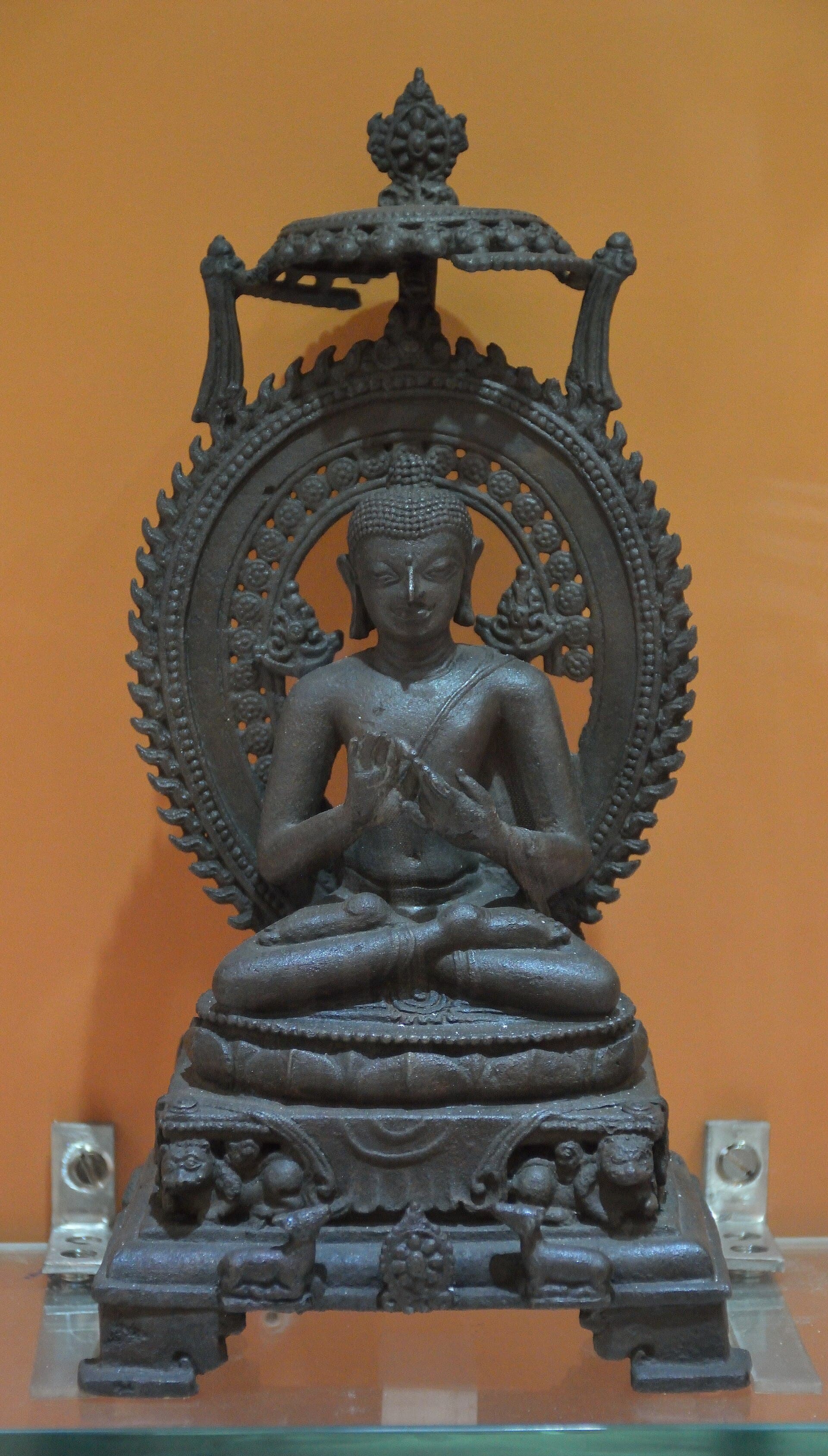
Seated stone Buddha image in meditation (dhyana mudra), flanked by an ornately carved halo and donor figures
Figures

Siddhartha Gautama

The Shakya prince of Kapilavastu who left his palace, sat beneath the Bodhi tree, and set in motion the wheel of the dharma. The historical Buddha whose words seeded a tradition that now belongs to a fifth of humanity.

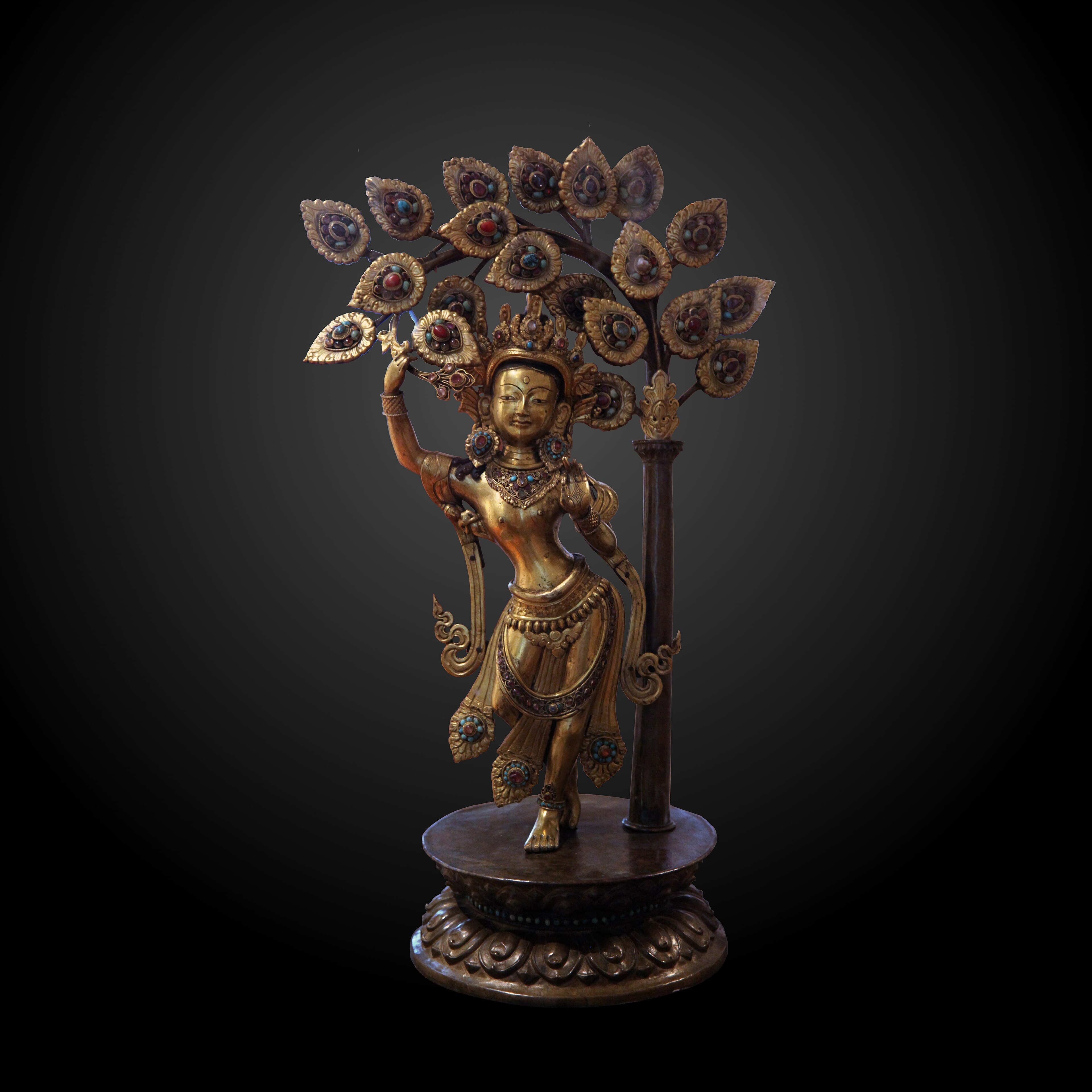
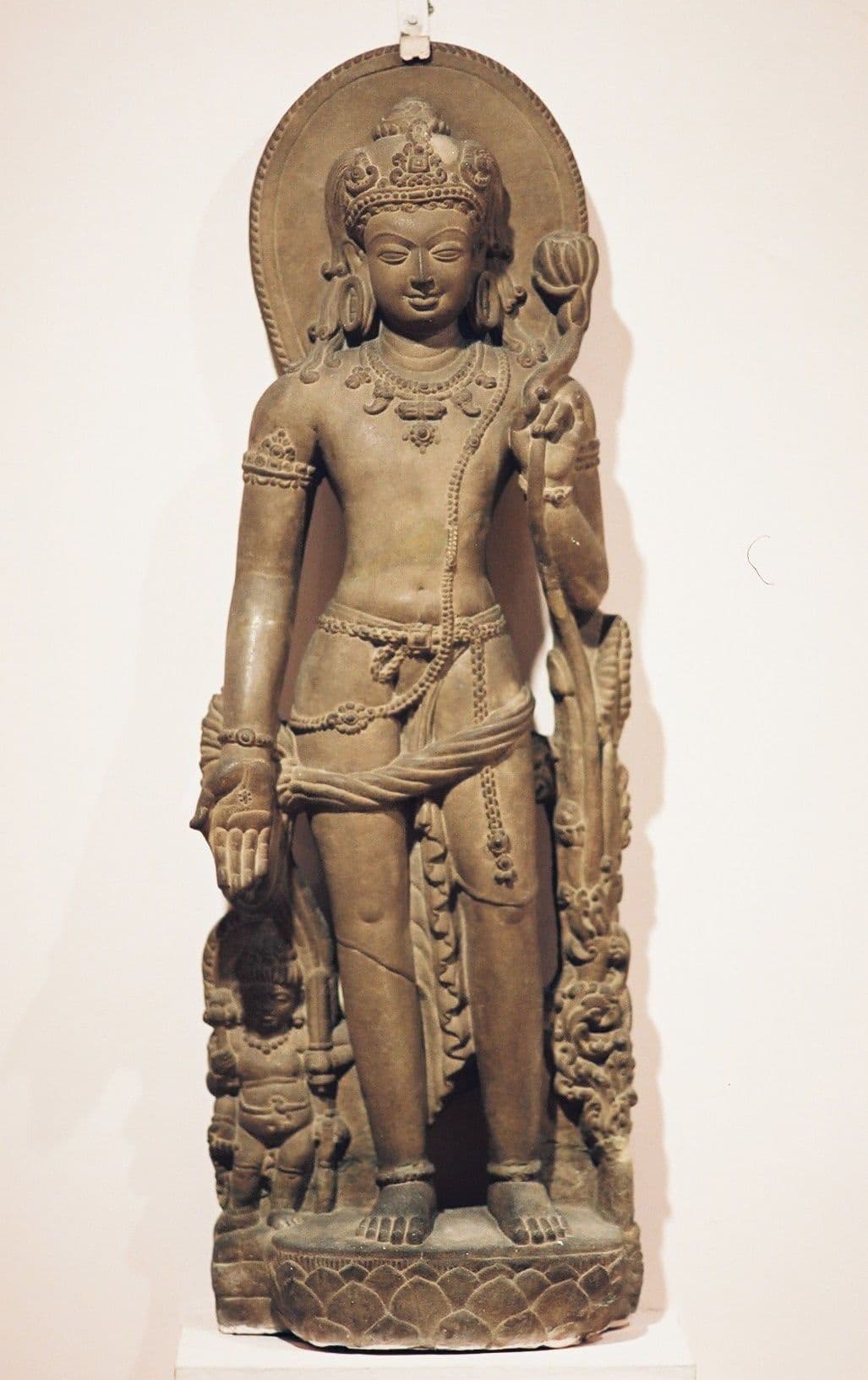
Gilt bronze statue of Queen Mayadevi reaching up to hold a branch of the sal tree at the moment of the Buddha's birth
Figures

Queen Mayadevi

Princess of the Koliya clan, wife of Suddhodana of the Shakyas, mother of Siddhartha. She gave birth in a garden at Lumbini under a sal tree, and died seven days later. Tradition holds she was reborn in the Tushita heaven, where her son later visited her to teach the Abhidhamma.

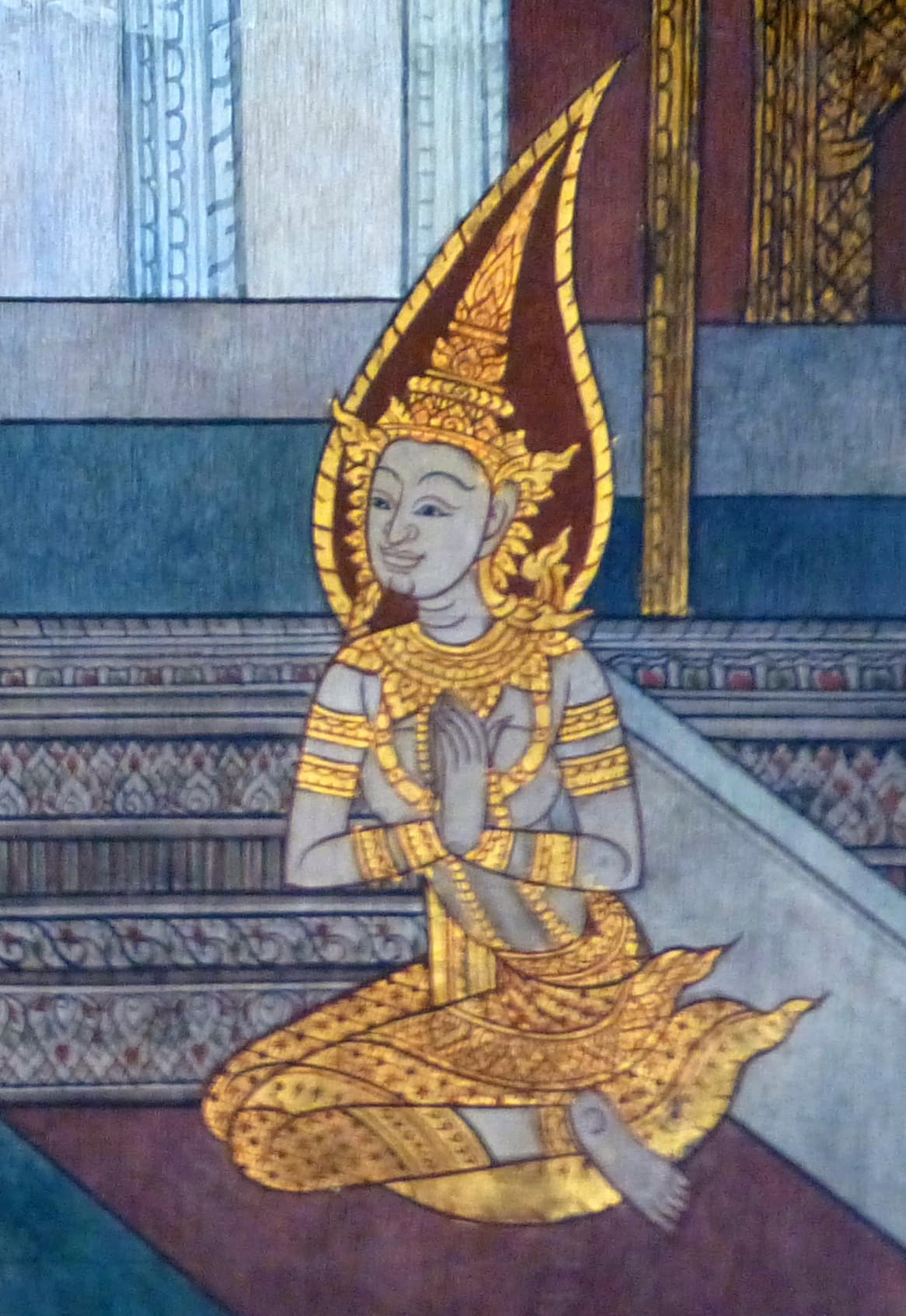
Thai mural painting of Yashodhara seated in devotional posture, hands folded, wearing a flame-topped royal headdress
Figures

Yashodhara

Wife of Siddhartha, mother of Rahula, princess of the Koliyas. Awoke one morning to find her husband gone in the night. Refused to remarry. Followed him into the order seven years after their son did, attained arahantship, and is recorded in the Therigatha as foremost in great supernormal powers.

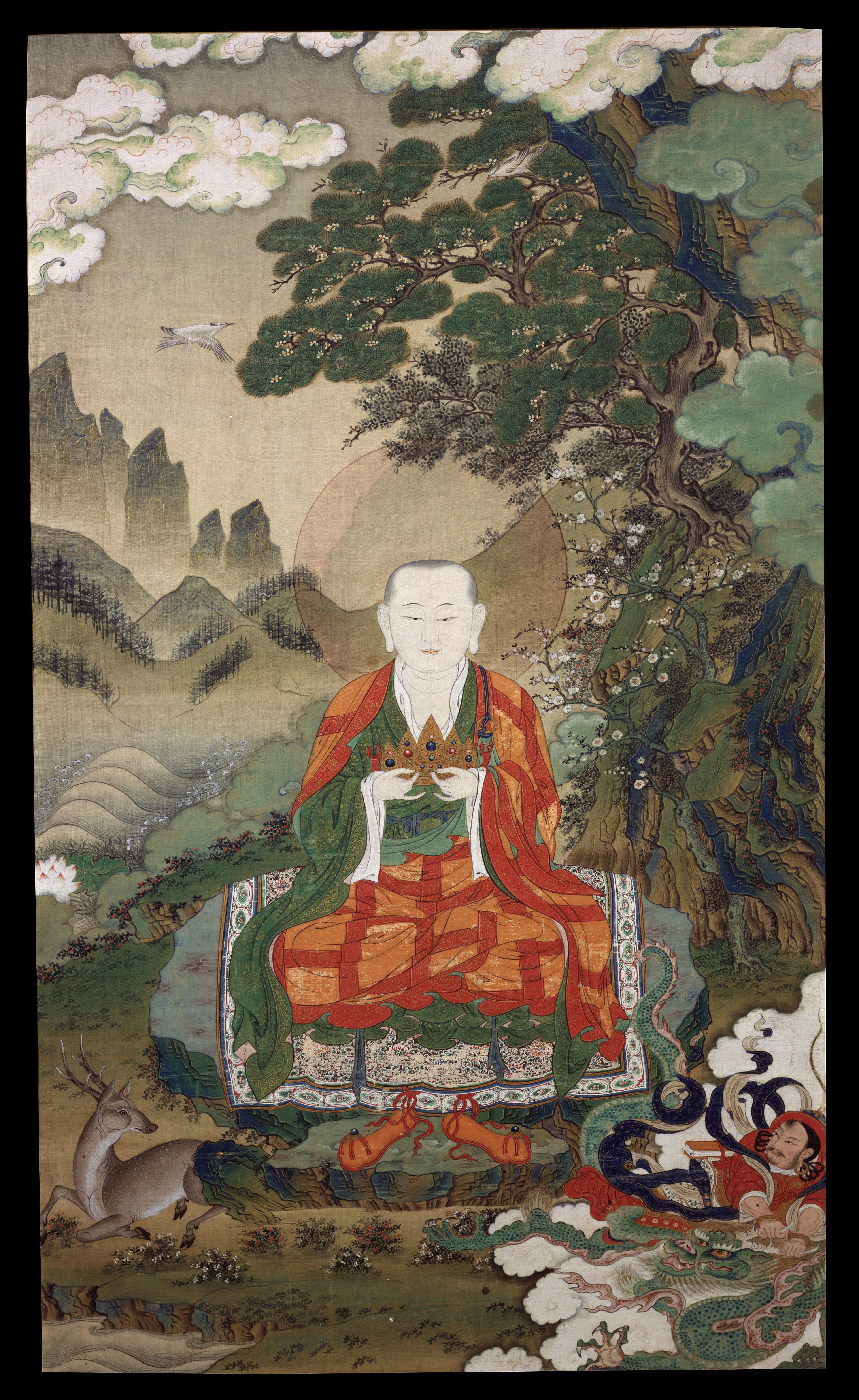
East Asian thangka-style painting of the arhat Rahula seated beneath a pine tree in a mountain landscape, holding a jeweled crown, with a deer and dragon at his feet
Figures

Rahula

Born on the night of the great renunciation, named "fetter" by his departing father. Ordained at seven — the first child novice in the order. Foremost among the Buddha's disciples in the desire for training. Died young; the Buddha did not outlive him.

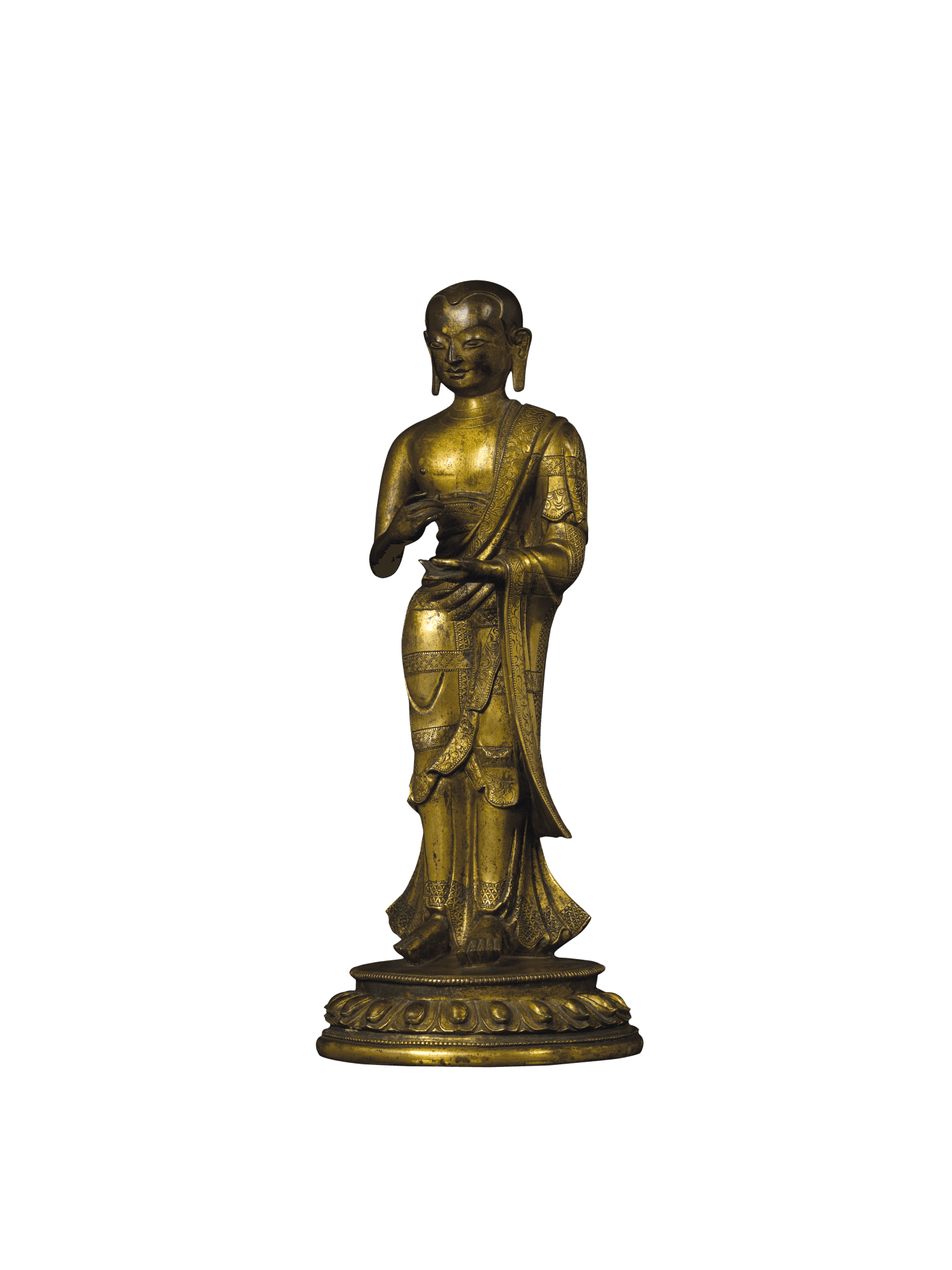
Gilt bronze standing sculpture of the arhat Sariputta in monastic robes, one hand raised in a teaching gesture
FiguresTheravada

Sariputta

Chief disciple of the Buddha, foremost in wisdom, the figure the Buddha called Dhammasenapati — Marshal of the Dhamma. The Anupada Sutta records him entering and emerging from the nine successive meditative attainments, examining the states one moment at a time. He died in his birth village, having returned to teach his mother.

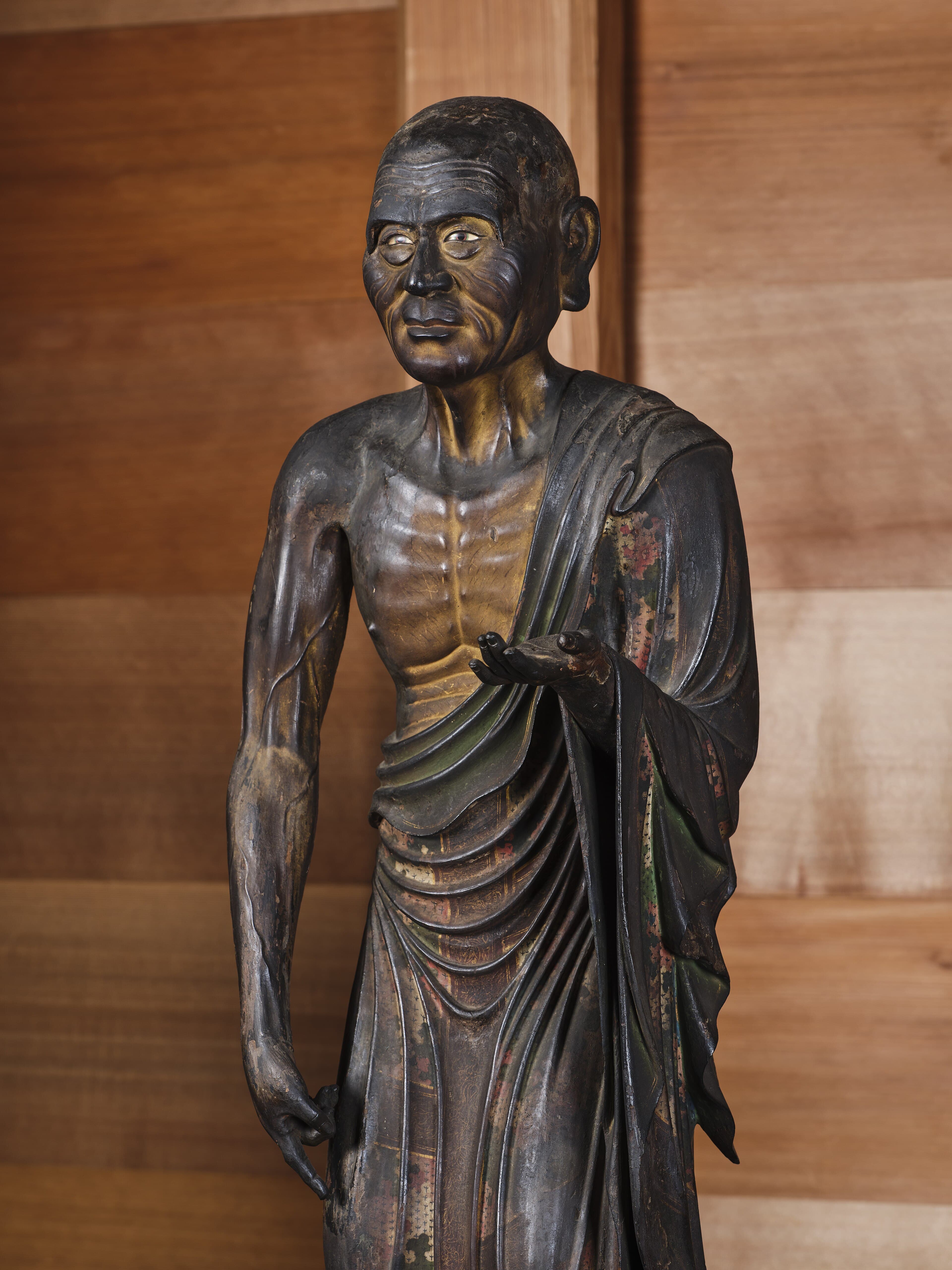
Weathered wooden statue of the elder disciple Mahamoggallana, gaunt and lined, standing in monastic robes with one hand extended
FiguresTheravada

Mahamoggallana

The second chief disciple, Sariputta's friend from childhood. Foremost in the supernormal powers — the bhikkhu who could travel to other realms, hold the earth in place, and read the minds of beings. Murdered by rival ascetics shortly before his friend Sariputta's death.

03 · Traditions8/8

Traditions

The schools and lineages

Theravada, Mahayana, Vajrayana, Newar Buddhism, Zen, Pure Land, Nichiren. Each tradition is a complete path; together they are the dharma.

View all traditions
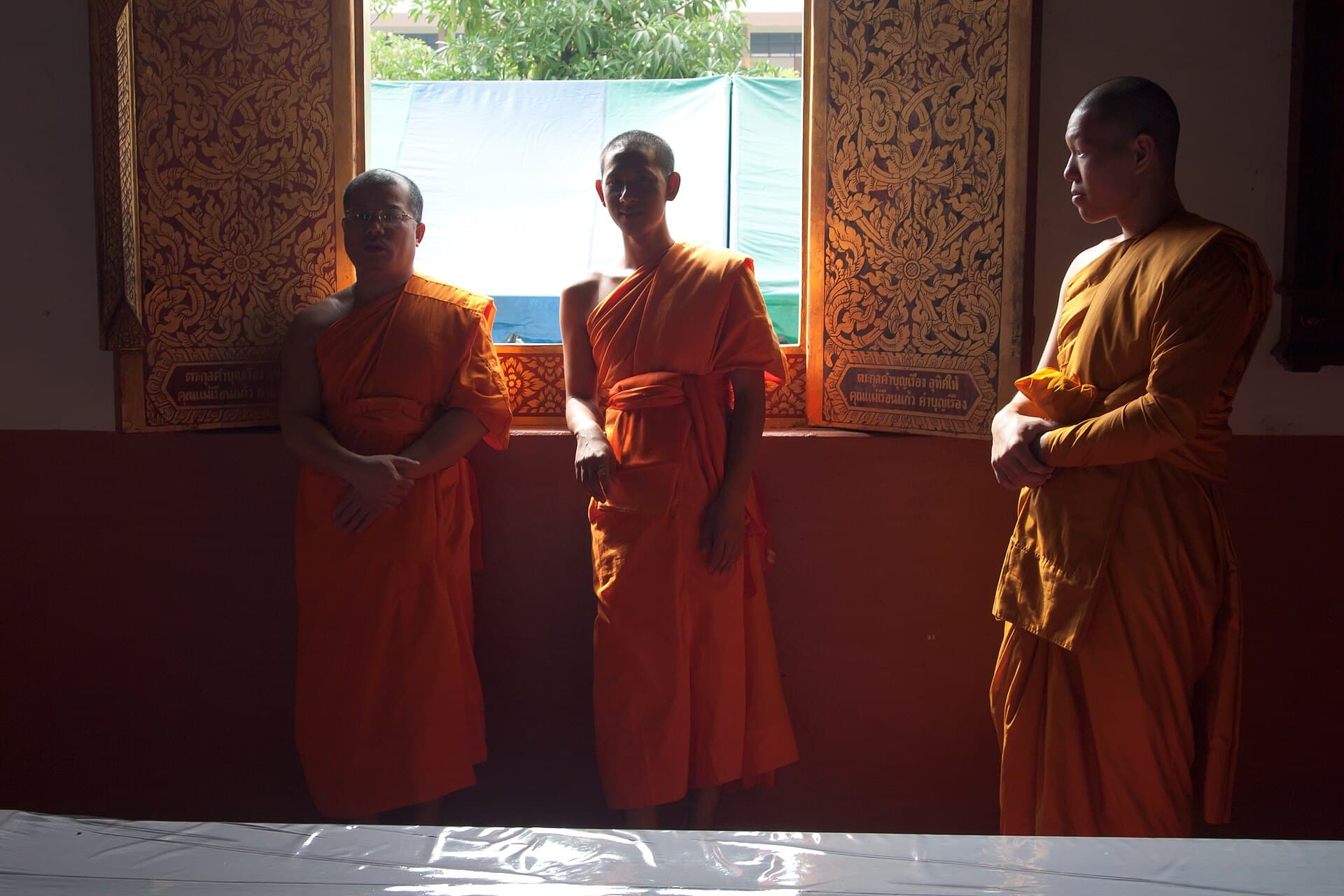
Theravada Buddhist monks in saffron robes at Wat Chedi Luang, Chiang Mai, Thailand
TraditionsTheravada

Theravada

The oldest surviving school of Buddhism — the way of the elders. The tradition that preserved the Pali Canon, the monastic rule, and the path of the arahant across twenty-three centuries from Sri Lanka through Southeast Asia.

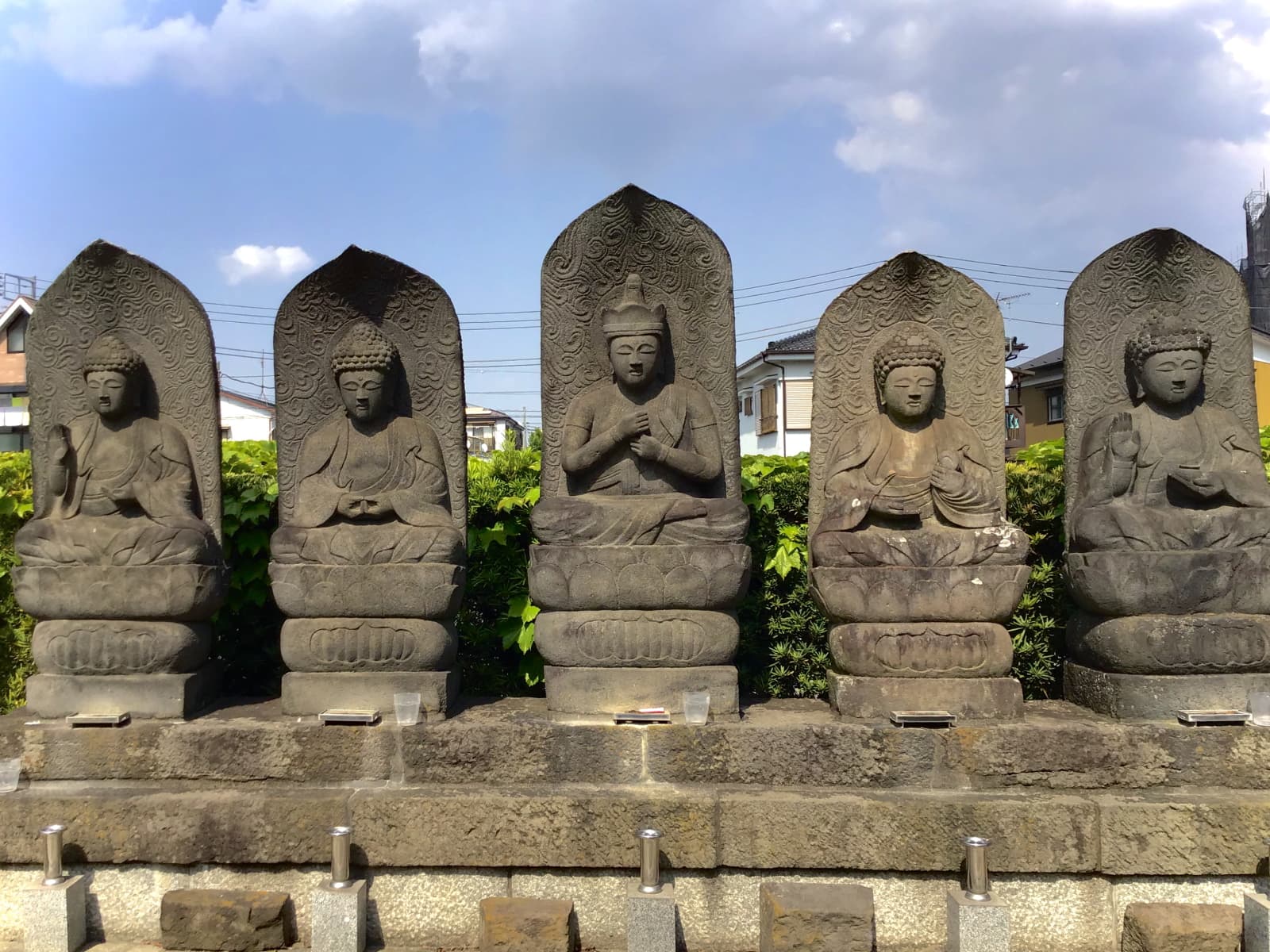
A row of stone Buddha statues at a Japanese Mahayana temple
TraditionsMahayana

Mahayana

The Great Vehicle — the movement that reframed the Buddhist goal from individual liberation as an arahant to the universal awakening of all beings as a bodhisattva, and reframed the metaphysical ground from analysis of dharmas to the emptiness (sunyata) of all phenomena.

Tibetan tantric mandala of the forms of Manjushri, the bodhisattva of transcendent wisdom
TraditionsVajrayana

Vajrayana

The Diamond Vehicle — the tantric path that uses mantra, visualization, deity yoga, and direct transmission to make buddhahood possible in a single lifetime, in this very body, provided one has the right empowerment from a qualified lineage holder.

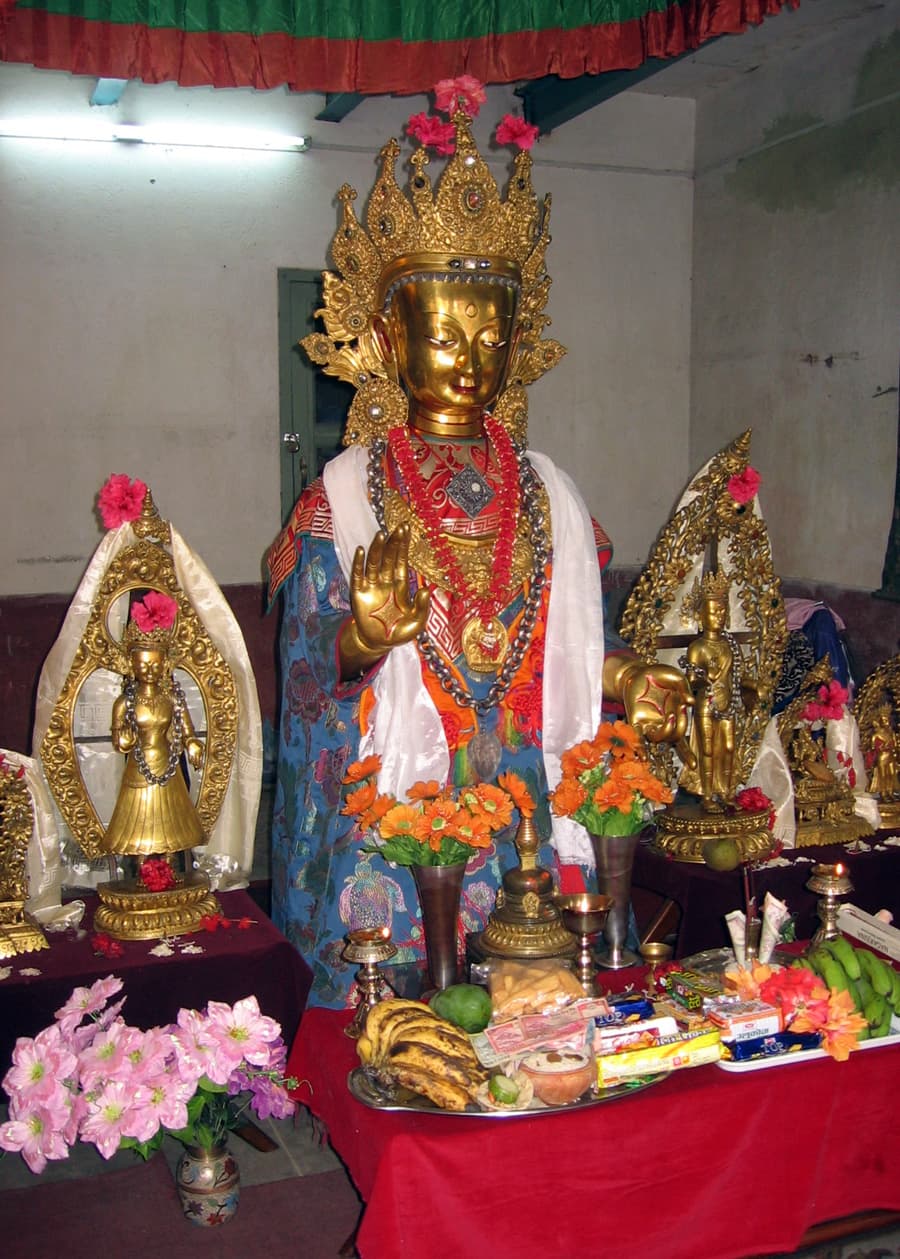
A gilded Newar Buddhist deity shrine with offerings in the Kathmandu Valley
TraditionsNewar

Newar Buddhism

The only surviving form of Indic Mahayana–Vajrayana Buddhism — preserved in the Kathmandu Valley for over a millennium through hereditary Vajracharya and Shakya priesthood, Sanskrit liturgy, and lay devotion to Swayambhu and the Pancha Buddha.

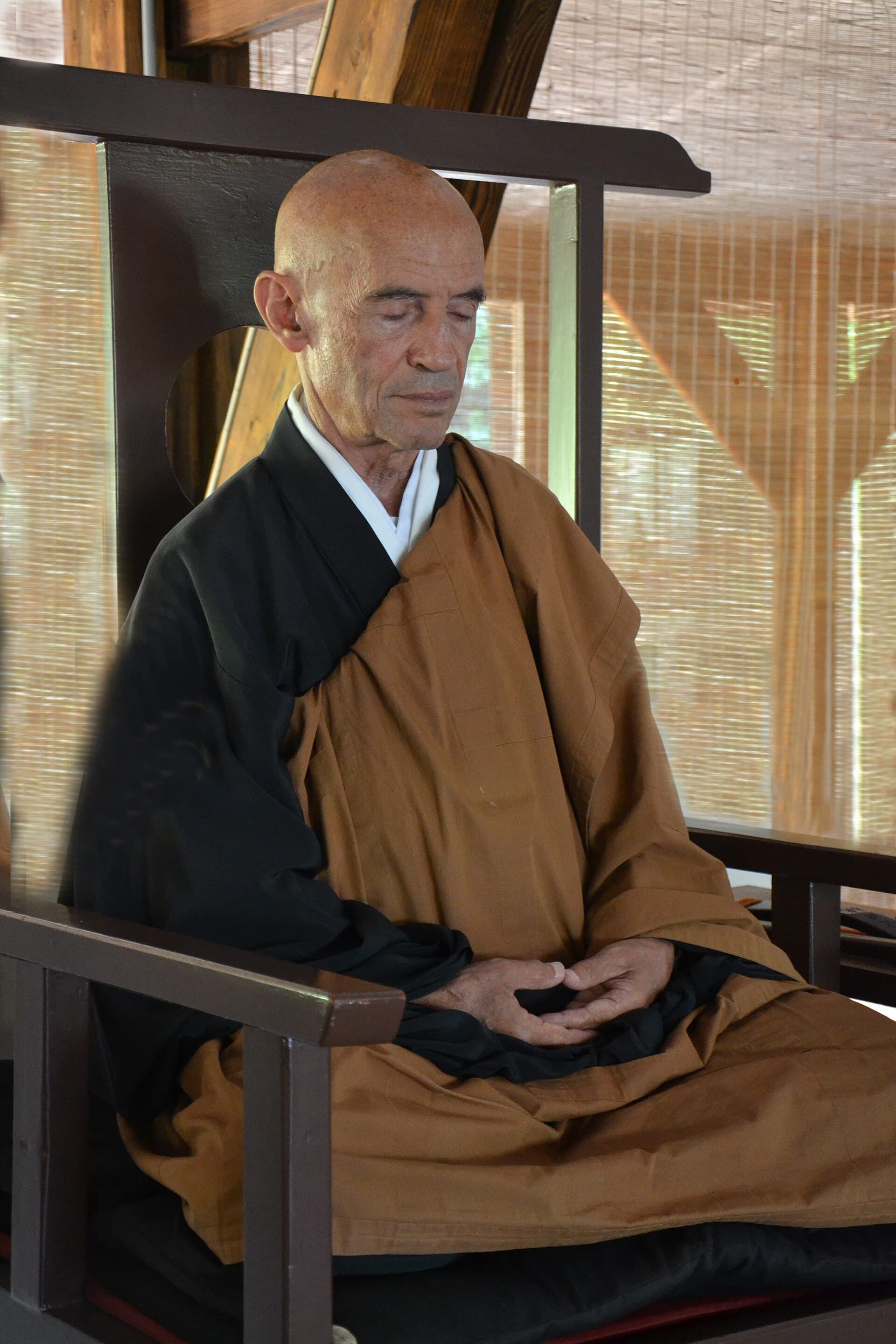
A Zen teacher seated in zazen meditation posture
TraditionsZen

Zen

The meditation school that strips Mahayana to its experiential core: a special transmission outside the scriptures, not founded on words and letters; pointing directly at the human mind, seeing into one's own nature, attaining buddhahood.

Interior of a Pure Land Amida hall with a golden seated statue of Amitabha Buddha, Kyoto
TraditionsPure Land

Pure Land

The largest devotional school in East Asian Buddhism — the path of rebirth in Sukhavati, the Pure Land of Amitabha, accessed not by self-power but by the saving vow of the Buddha himself, recited as Namo Amituofo, Namu Amida Butsu.

06 · History10/10

History

The dharma across time

The councils, the spread across Asia, the universities, the diasporas, and the modern flourishing of Buddhism in the West.

View all history
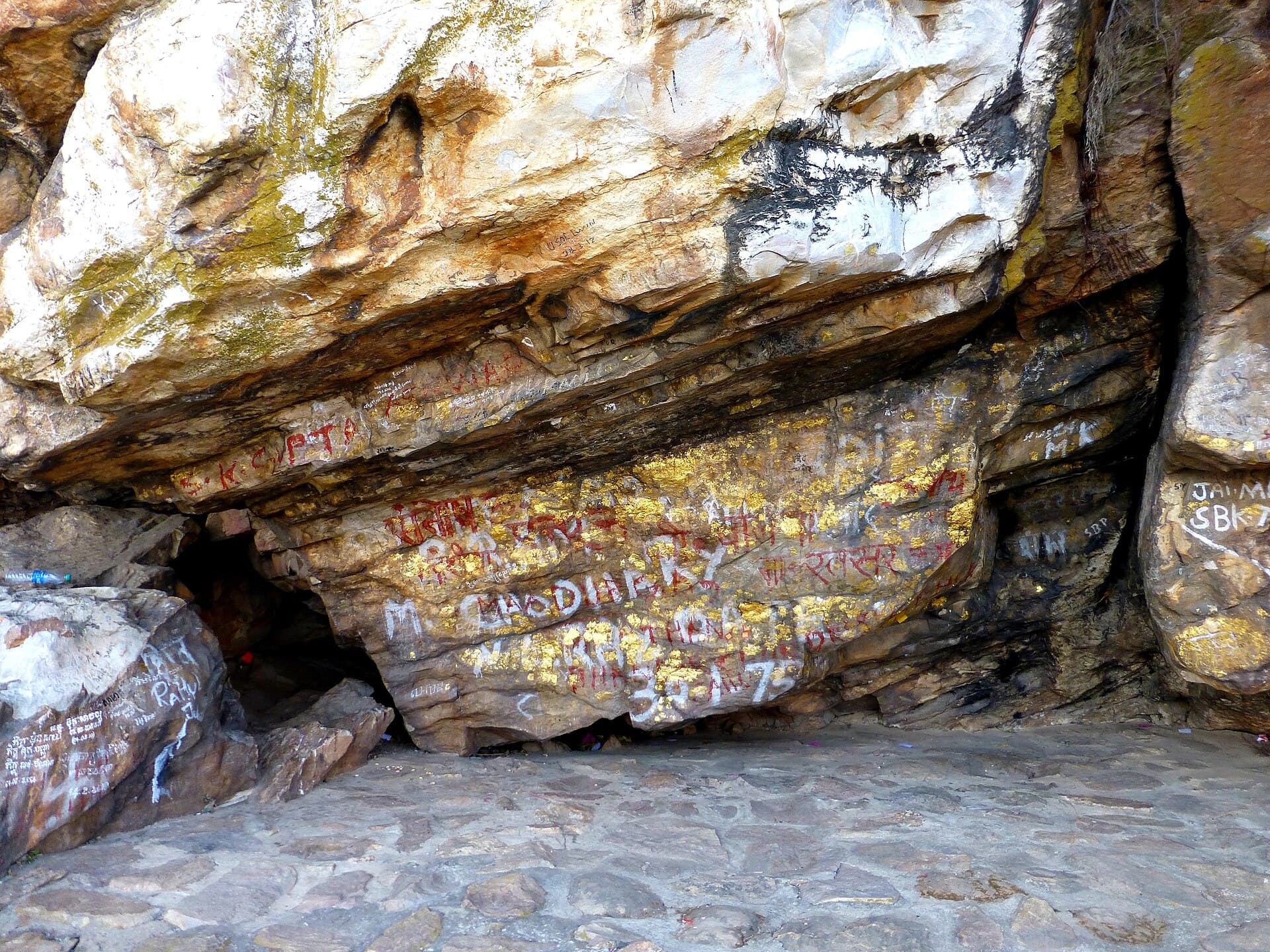
The Sattapanni Cave at Rajgir, site of the First Buddhist Council
History

The First Buddhist Council

Three months after the Buddha's parinirvana, five hundred arahants gathered in the Sattapanni Cave at Rajagriha under the elder Mahakassapa to recite the discourses and the rule from memory. The First Council is the moment the dharma becomes a canon.

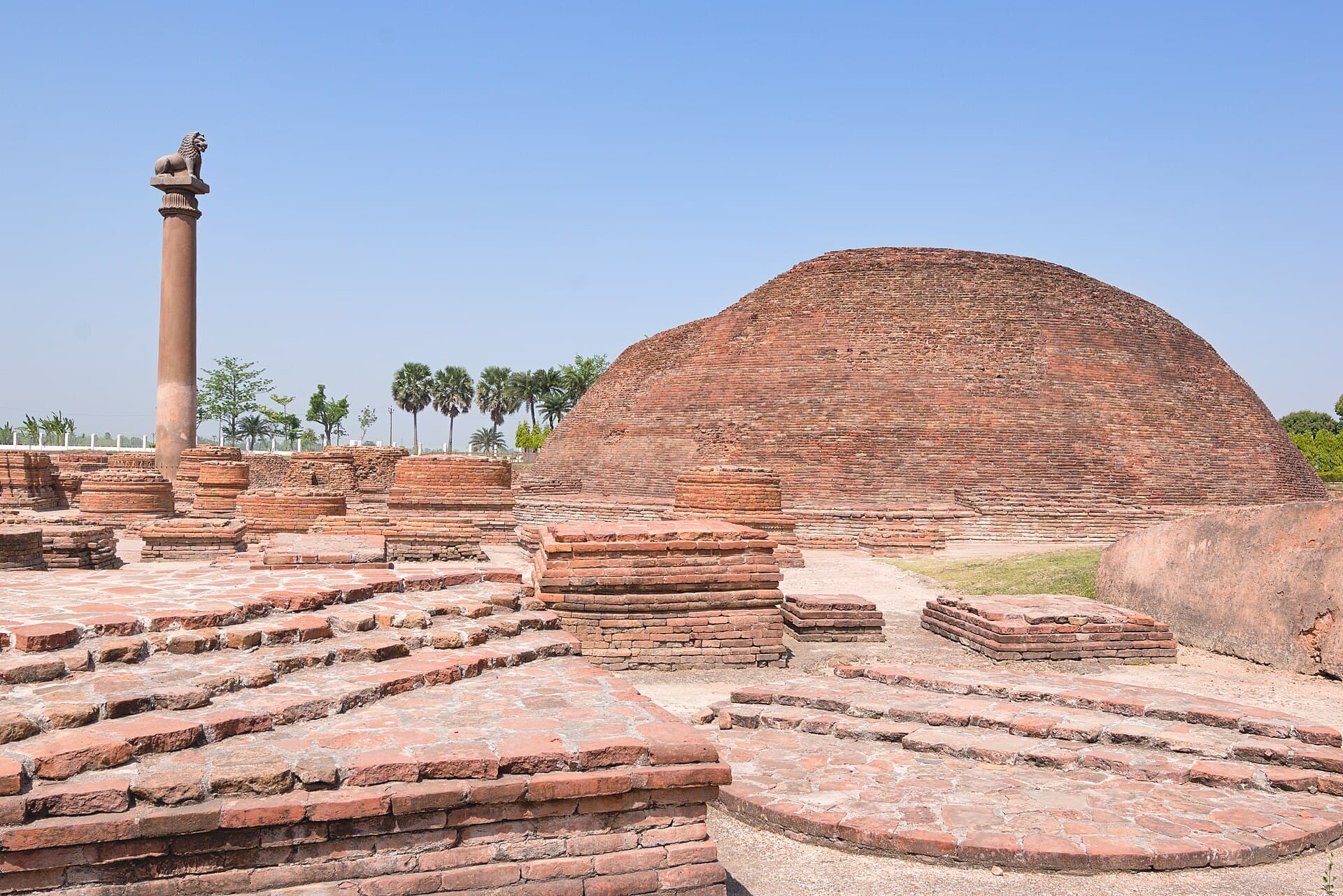
The Ananda Stupa with an Ashokan lion pillar at Vaishali, site of the Second Buddhist Council
History

The Three Councils

The three early councils — at Rajgir (c. 483 BCE), Vaishali (c. 383 BCE), and Pataliputra (c. 250 BCE under Ashoka) — that fixed the canon, produced the first schism between Sthaviravadins and Mahasamghikas, and dispatched the dharma across Asia.

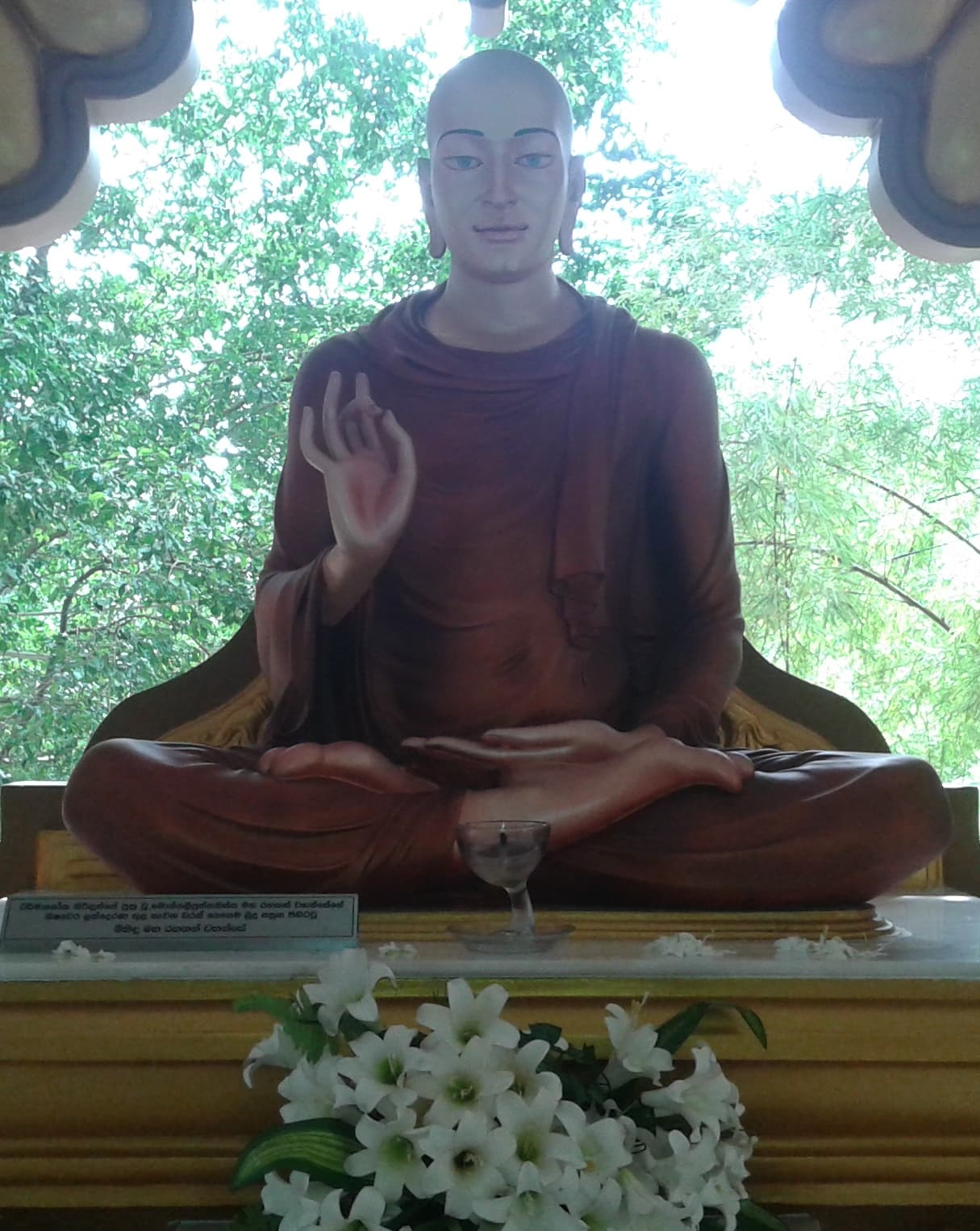
Statue of the elder Mahinda, who carried the dharma to Sri Lanka in 247 BCE
HistoryTheravada

The Spread to Sri Lanka

In 247 BCE the emperor Ashoka's son Mahinda — a fully ordained arahant — flew (in the chronicles) or walked (in history) to Sri Lanka and converted King Devanampiya Tissa under a mango tree at Mihintale. Three weeks later the Bodhi tree sapling arrived and the southern transmission was rooted.

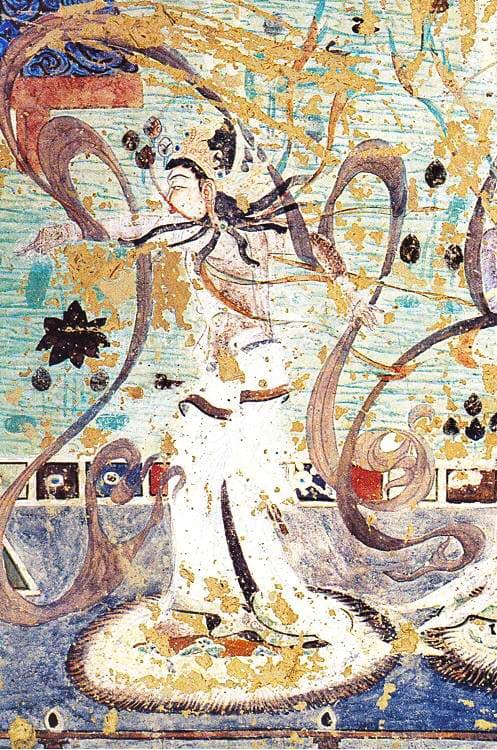
A Buddhist mural of a celestial dancer from the Mogao Caves at Dunhuang, on the Silk Road
HistoryMahayana

The Spread to China — The Silk Road

The dharma traveled into China across the Silk Road in the first centuries CE, carried by Central Asian monks like An Shigao and Lokakshema, translated into Chinese over six centuries by Kumarajiva, Xuanzang, and Yijing, and rooted in the founding of the Chinese schools — Tiantai, Huayan, Chan, Pure Land, and Faxiang.

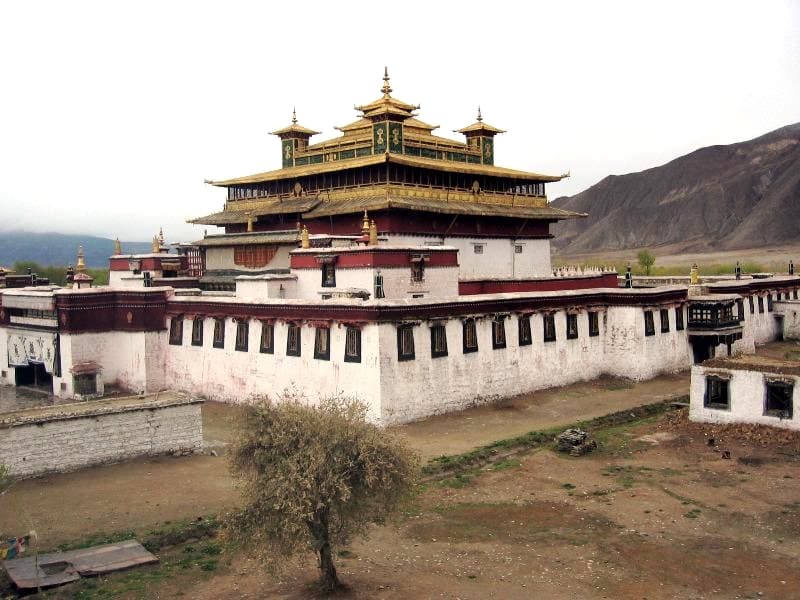
Samye Monastery, the first Buddhist monastery in Tibet, founded 779 CE
HistoryVajrayana

The Spread to Tibet

In 779 CE the Tibetan king Trisong Detsen invited two masters from India — Santaraksita from Nalanda and Padmasambhava from Oddiyana — to establish the dharma on the plateau. The double transmission of monastic scholarship and tantric realization founded Tibetan Buddhism for twelve centuries.

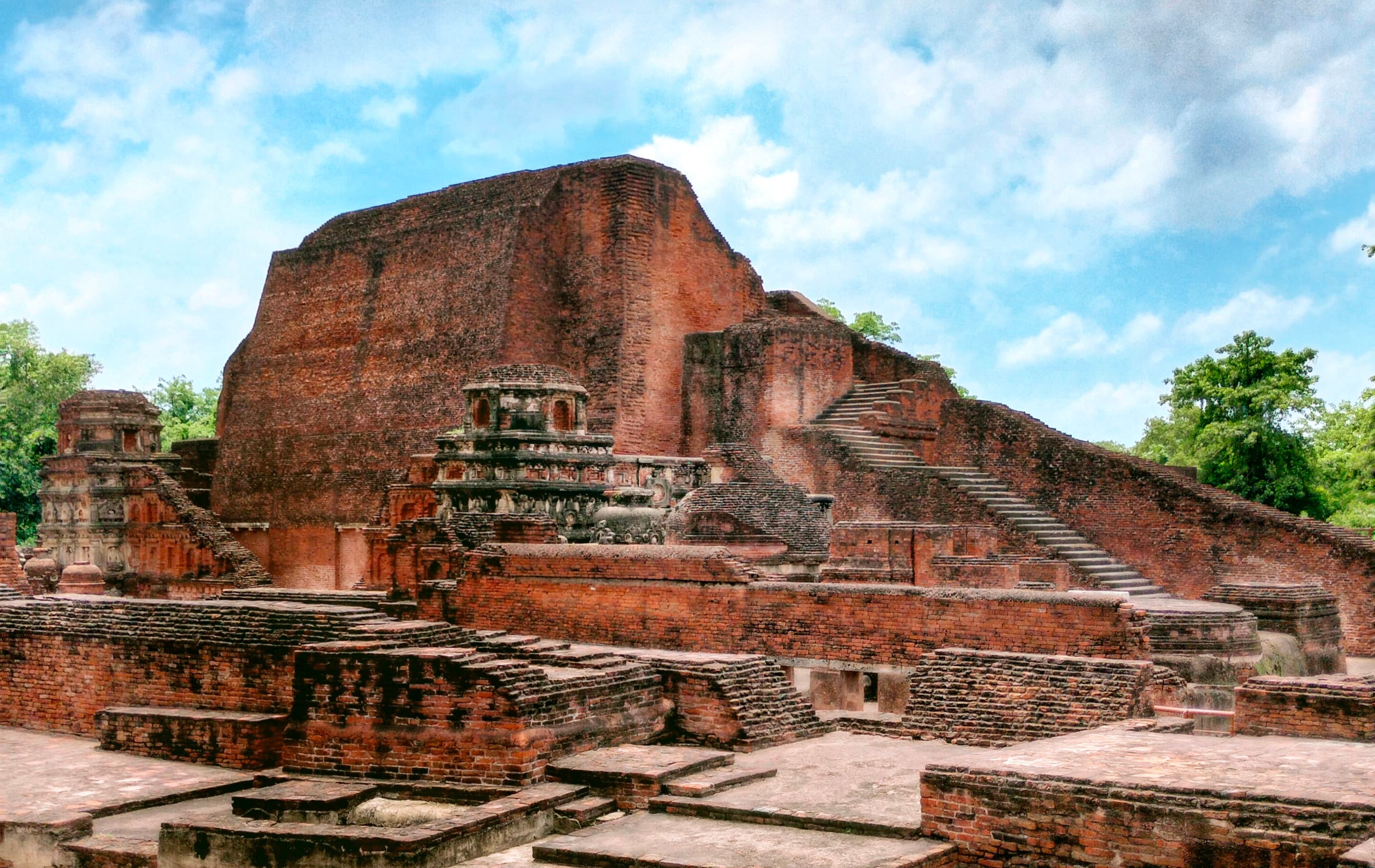
The brick ruins of Nalanda, the great Mahayana monastic university of ancient India
HistoryMahayana

Nalanda University

For seven hundred years Nalanda was the largest monastic university in the world — ten thousand students, two thousand teachers, a library of millions of folios, and the institutional heart of Indian Mahayana philosophy until its destruction by Bakhtiyar Khilji in 1193.

07 · Art & Symbols8/8

Art & Symbols

The visual vocabulary

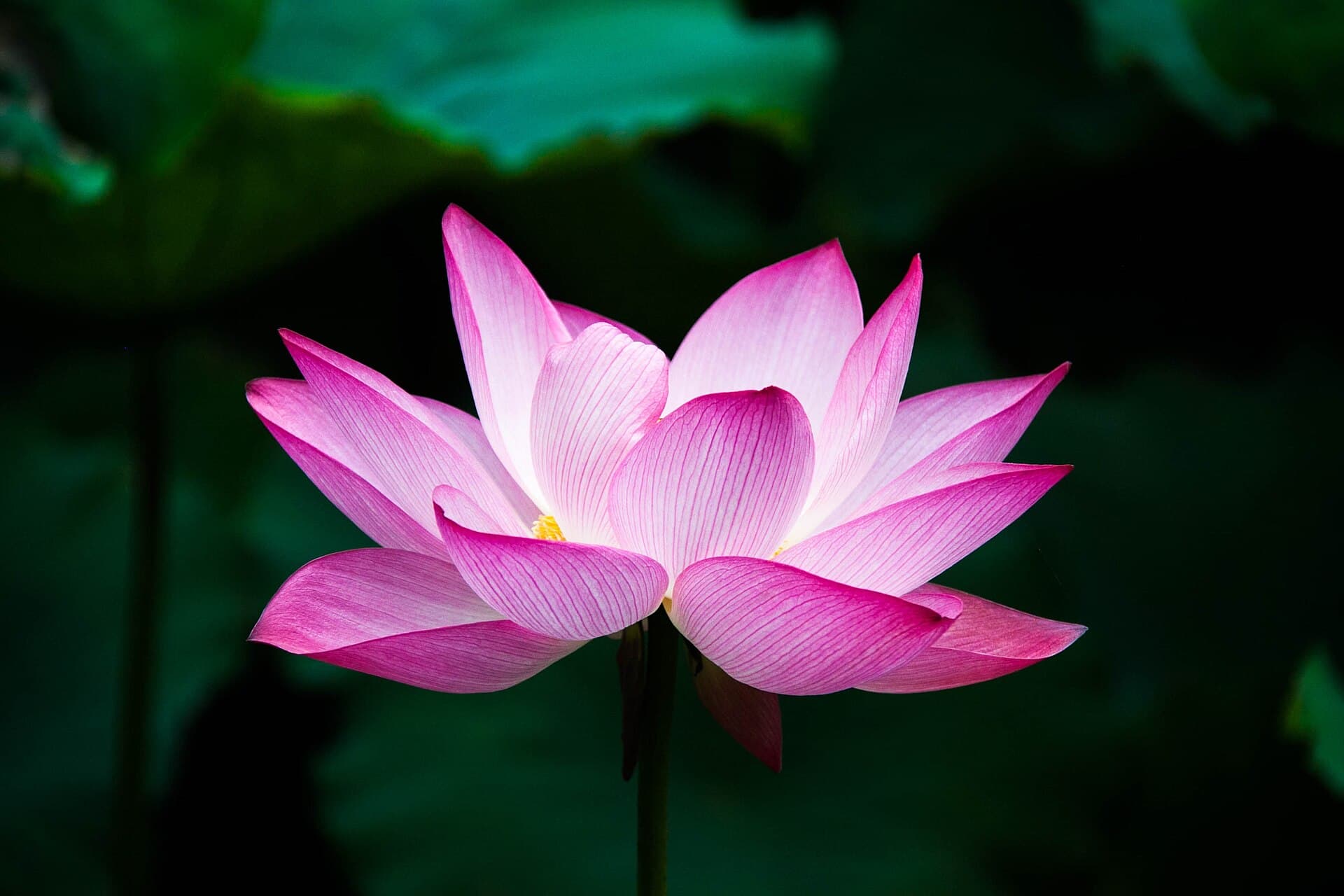
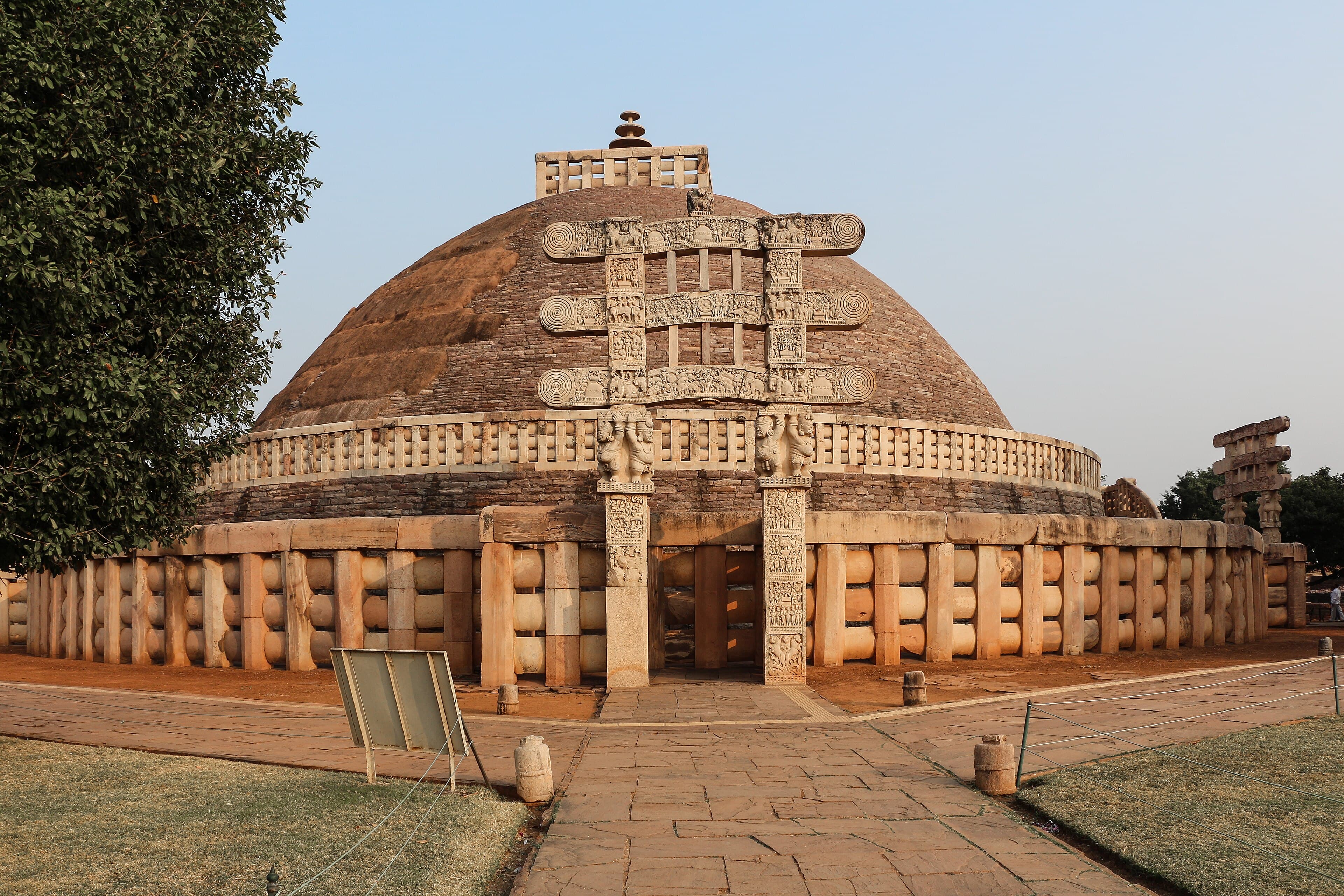
The dharma wheel, the lotus, the stupa, the mandala, the mudras, the thangka. How the dharma takes form in image and architecture.

View all art & symbols
08 · Concepts16/10

Concepts

The vocabulary of awakening

Sunyata, tathagatagarbha, anatta, samsara, the bardo, the two truths. The conceptual ground of Buddhist thought.

View all concepts