KNOWLEDGE/TRADITIONS/MAHAYANA
TraditionsMahayana

Mahayana

The Great Vehicle

The Great Vehicle — the movement that reframed the Buddhist goal from individual liberation as an arahant to the universal awakening of all beings as a bodhisattva, and reframed the metaphysical ground from analysis of dharmas to the emptiness (sunyata) of all phenomena.

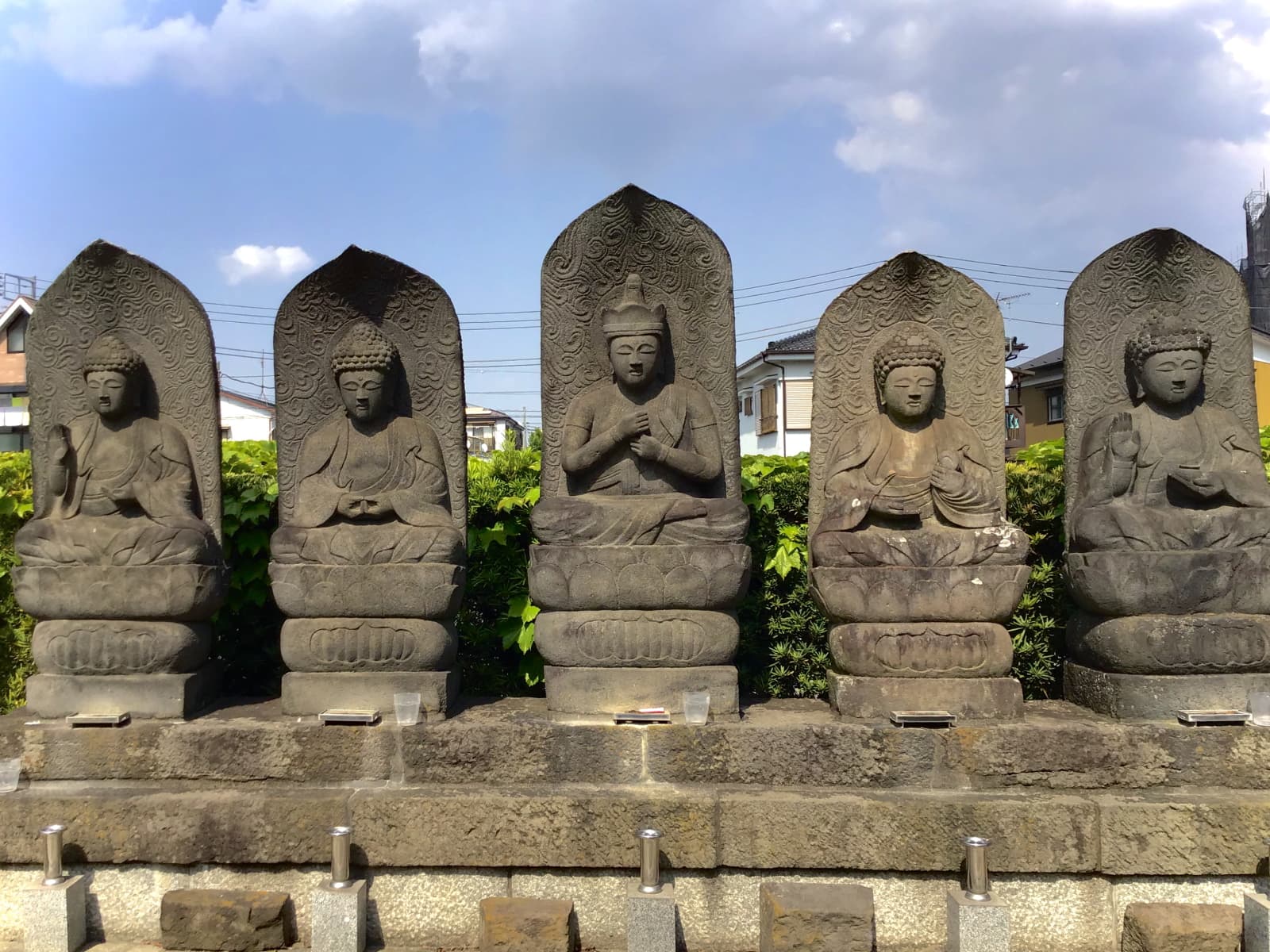
A row of stone Buddha statues at a Japanese Mahayana temple
Photo: Homare21, CC BY-SA 4.0, via Wikimedia Commons

The Mahayana — the Great Vehicle, the Bodhisattvayana — emerges in Indian Buddhism somewhere between the first century BCE and the first century CE, and it makes a claim no earlier school had made: that the proper aspiration of a Buddhist is not to become an arahant who exits samsara, but to become a fully awakened buddha (samyaksambuddha) who returns again and again to liberate all sentient beings, however long that takes, however many kalpas it requires. The vehicle is great because it carries everyone.

Three shifts define the Mahayana. The first is the bodhisattva ideal. The Bodhicaryavatara of Santideva (eighth century, Nalanda) puts it with unmatched precision: 'For as long as space endures, for as long as sentient beings remain, may I too remain, to dispel the misery of the world.' The second is the doctrine of sunyata — emptiness — articulated by Nagarjuna in his Mulamadhyamakakarika (c. 150 CE). All phenomena, including the dharmas analyzed by Abhidhamma, are empty of inherent existence; they exist only in dependence. The third is the development of an immense new corpus of sutras claimed as the word of the Buddha, including the Prajnaparamita (Perfection of Wisdom) literature, the Lotus Sutra, the Avatamsaka Sutra, the Vimalakirti Sutra, the Lankavatara Sutra, and the Pure Land sutras.

The philosophical schools that crystallize within the Mahayana are themselves remarkable institutions. Madhyamaka, founded by Nagarjuna and developed by Aryadeva, Buddhapalita, Bhavaviveka, Candrakirti, and Santaraksita, holds that the middle way between eternalism and nihilism is found in the emptiness of all conceptual fabrication. Yogacara, founded by the brothers Asanga and Vasubandhu in the fourth–fifth centuries, holds that what we take to be external reality is a transformation of consciousness (vijnaptimatrata, 'consciousness-only'). The Tathagatagarbha tradition, drawn from sutras like the Srimaladevi and Mahaparinirvana, teaches that all beings already possess the buddha-nature; awakening is recognition, not acquisition. These three streams — emptiness, mind-only, buddha-nature — become the philosophical bedrock for every subsequent Mahayana school across Asia.

The Mahayana also revolutionized Buddhist devotion. Where the Pali suttas remember a single human Buddha and an unspecified number of past buddhas, the Mahayana opens up a cosmos of buddhas: Amitabha in the Pure Land of the West, Aksobhya in the East, Bhaisajyaguru the Medicine Buddha, Vairocana the cosmic Buddha of the Avatamsaka, and the trans-human bodhisattvas — Avalokitesvara (Chenrezig, Guanyin, Kannon), Manjusri the wielder of the sword of wisdom, Vajrapani, Ksitigarbha, Maitreya the future Buddha. The Three Bodies doctrine (trikaya) — dharmakaya, sambhogakaya, nirmanakaya — formalized in Yogacara, gives this cosmology its architecture.

The great Mahayana institutions were the Indian monastic universities: Nalanda (founded fifth century, destroyed 1193), Vikramasila, Odantapuri, Somapura, and Jagaddala. From there the Mahayana traveled outward — to China across the Silk Road starting in the first century CE, where Kumarajiva (344–413) and later Xuanzang (602–664) translated the major sutras into Chinese; to Korea, Japan, Vietnam, the Newar valley in Nepal, and to Tibet, where the entire Indian Mahayana corpus was rendered into Tibetan and preserved after Indian Buddhism's collapse.

Mahayana is now the largest Buddhist body in the world, with roughly 360–500 million adherents across East Asia. It is not one school but a family: Chan / Zen / Seon / Thien (the meditation school), Pure Land (Jingtu / Jodo), Tiantai / Tendai (Lotus-centered), Huayan / Kegon (Avatamsaka-centered), Yogacara / Faxiang, Sanlun (Madhyamaka), Nichiren, the Tibetan Mahayana that became Vajrayana, and Newar Buddhism — all are Mahayana. What unites them is the bodhisattva vow, the doctrine of emptiness, and the conviction that the buddha-mind is not far away but the very nature of mind itself.
Cross-reference

Related entries

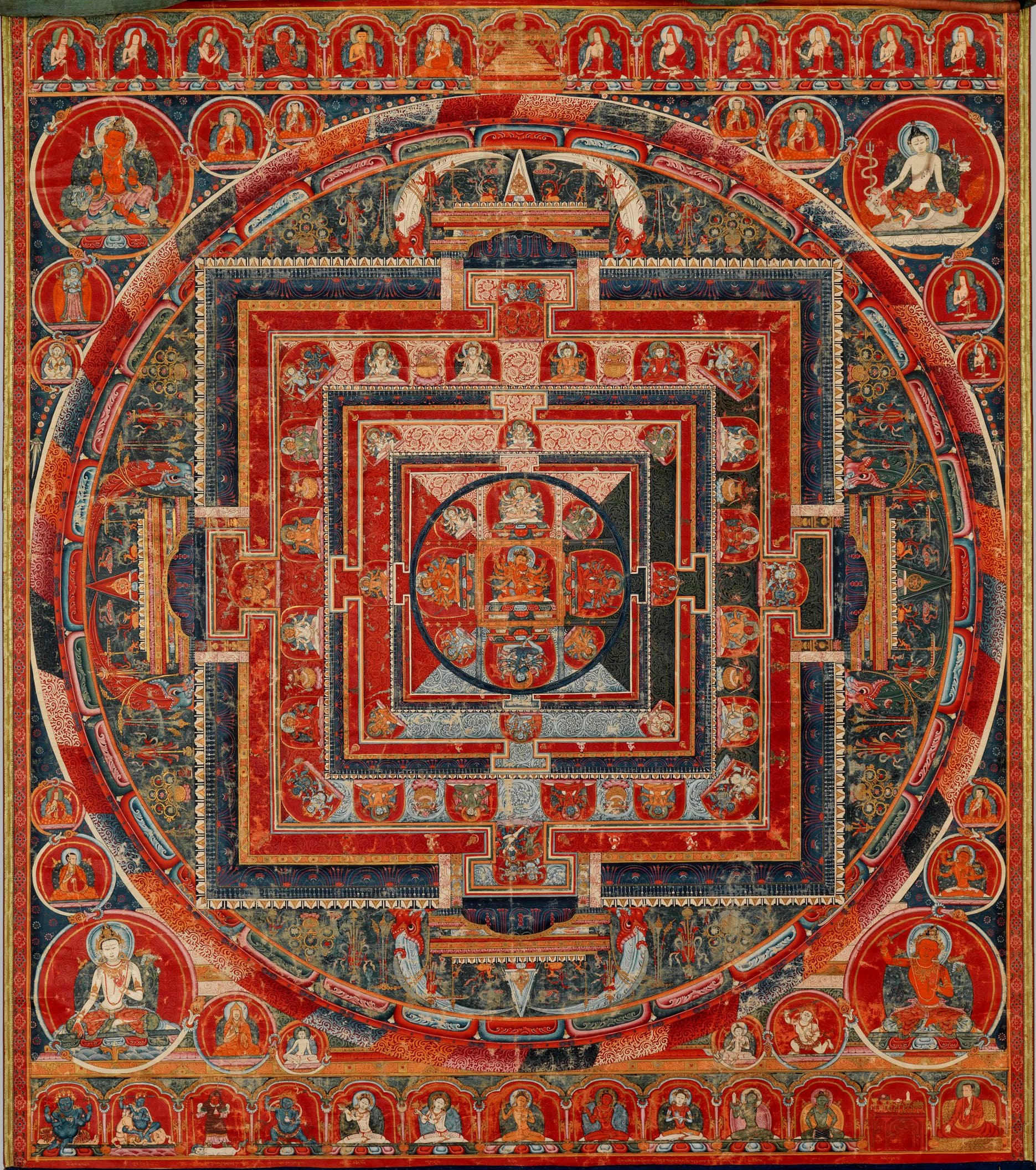
Tibetan tantric mandala of the forms of Manjushri, the bodhisattva of transcendent wisdom
TraditionsVajrayana

Vajrayana

The Diamond Vehicle — the tantric path that uses mantra, visualization, deity yoga, and direct transmission to make buddhahood possible in a single lifetime, in this very body, provided one has the right empowerment from a qualified lineage holder.

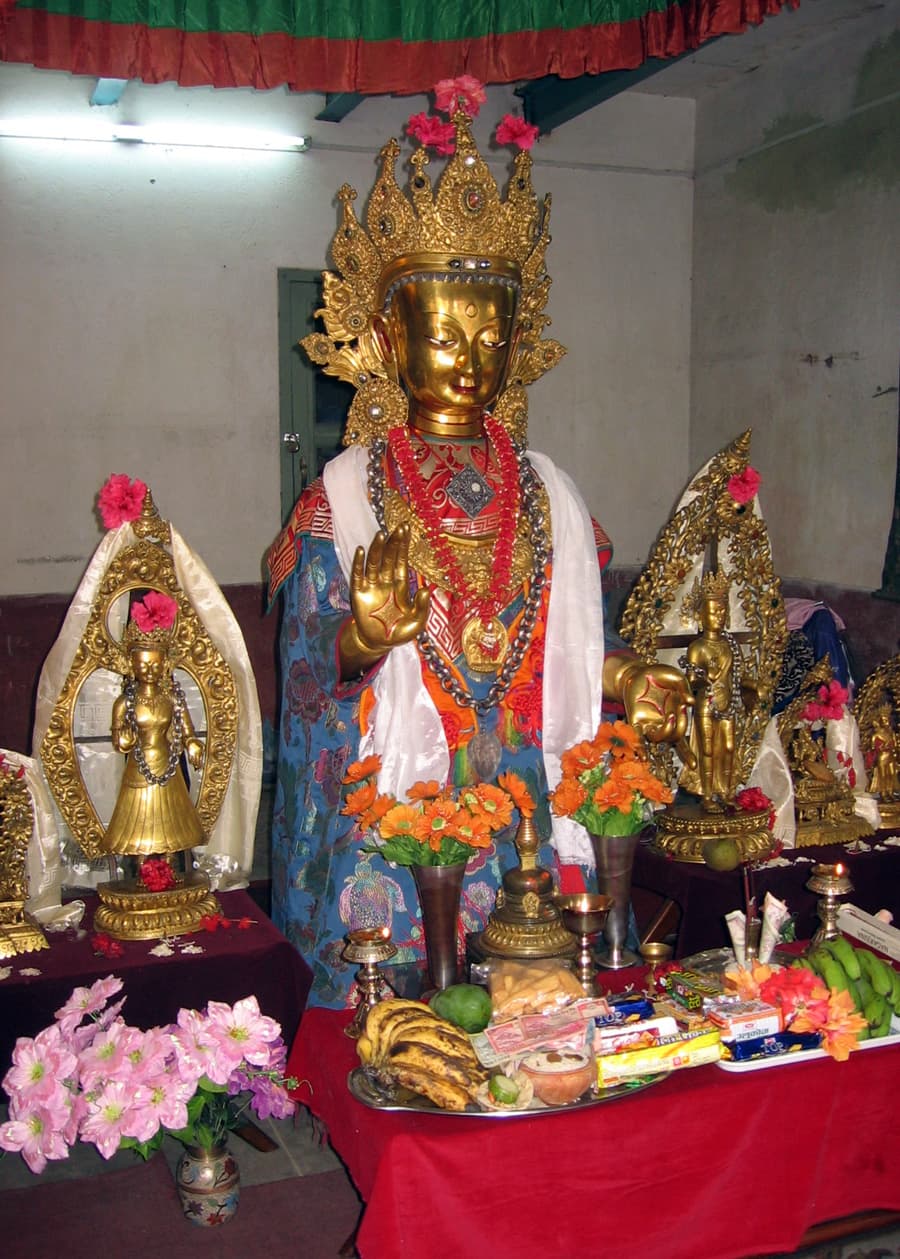
A gilded Newar Buddhist deity shrine with offerings in the Kathmandu Valley
TraditionsNewar

Newar Buddhism

The only surviving form of Indic Mahayana–Vajrayana Buddhism — preserved in the Kathmandu Valley for over a millennium through hereditary Vajracharya and Shakya priesthood, Sanskrit liturgy, and lay devotion to Swayambhu and the Pancha Buddha.

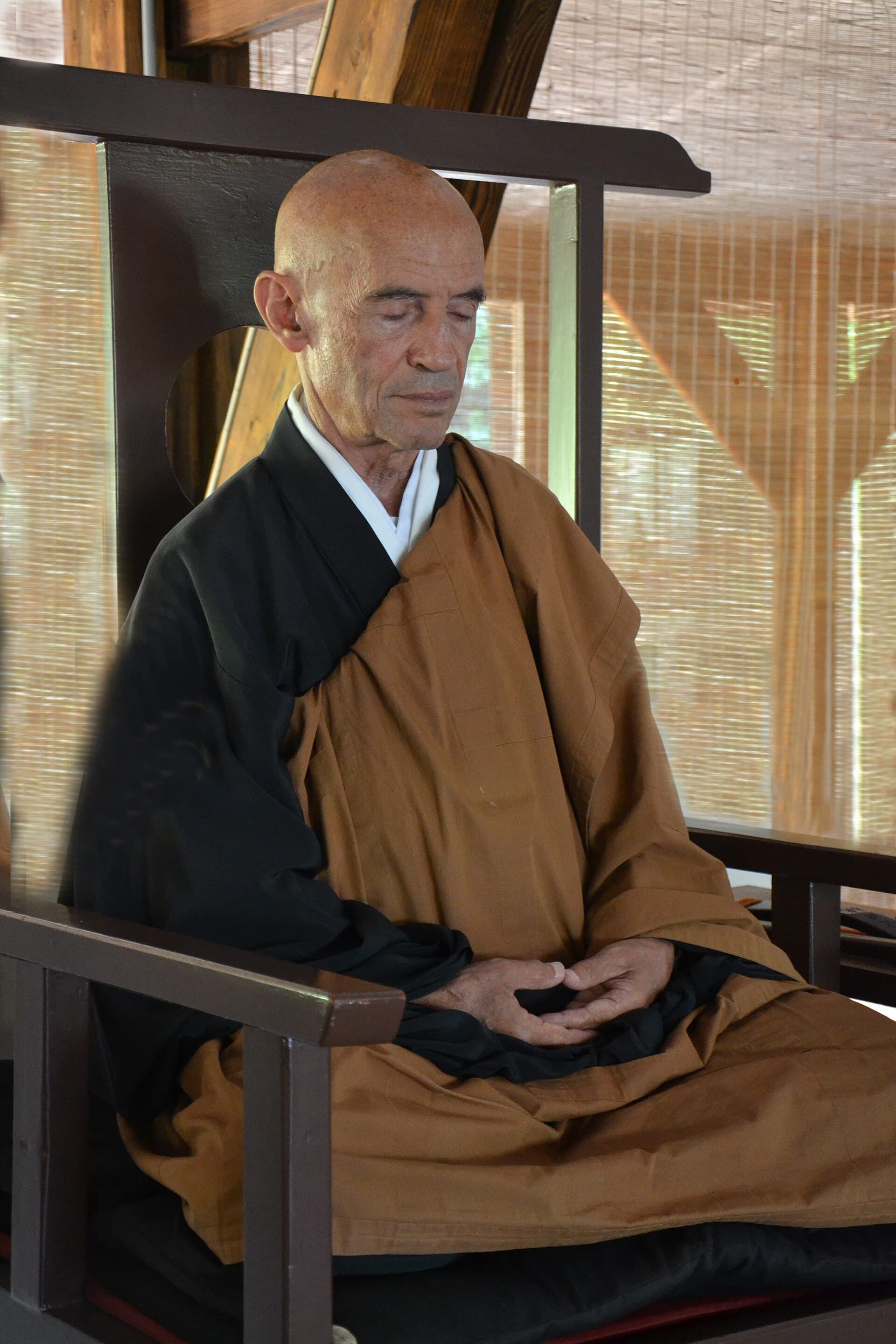
A Zen teacher seated in zazen meditation posture
TraditionsZen

Zen

The meditation school that strips Mahayana to its experiential core: a special transmission outside the scriptures, not founded on words and letters; pointing directly at the human mind, seeing into one's own nature, attaining buddhahood.

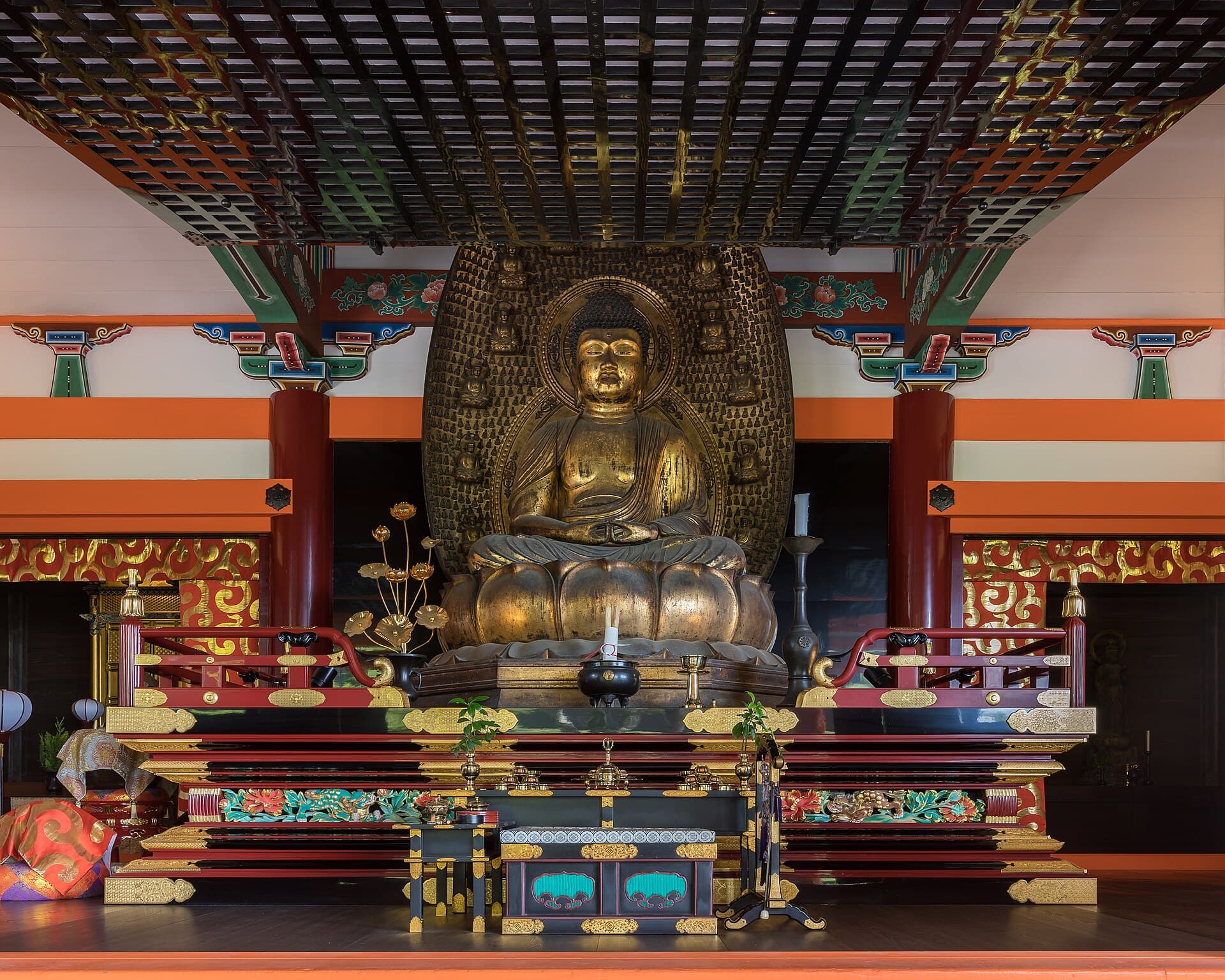
Interior of a Pure Land Amida hall with a golden seated statue of Amitabha Buddha, Kyoto
TraditionsPure Land

Pure Land

The largest devotional school in East Asian Buddhism — the path of rebirth in Sukhavati, the Pure Land of Amitabha, accessed not by self-power but by the saving vow of the Buddha himself, recited as Namo Amituofo, Namu Amida Butsu.

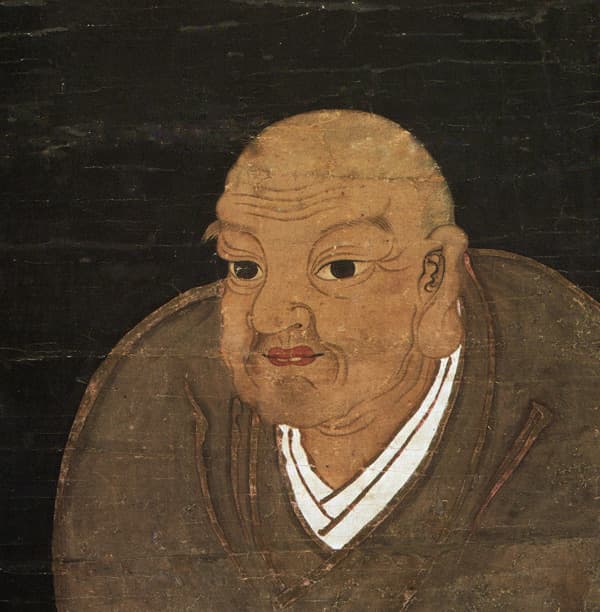
Historical portrait painting of Nichiren, founder of the Lotus Sutra school
TraditionsMahayana

Nichiren

The thirteenth-century Japanese reform movement of Nichiren (1222–1282), which holds the Lotus Sutra to be the supreme and final teaching of the Buddha and recitation of its title — Namu Myoho Renge Kyo — to contain the entire dharma.

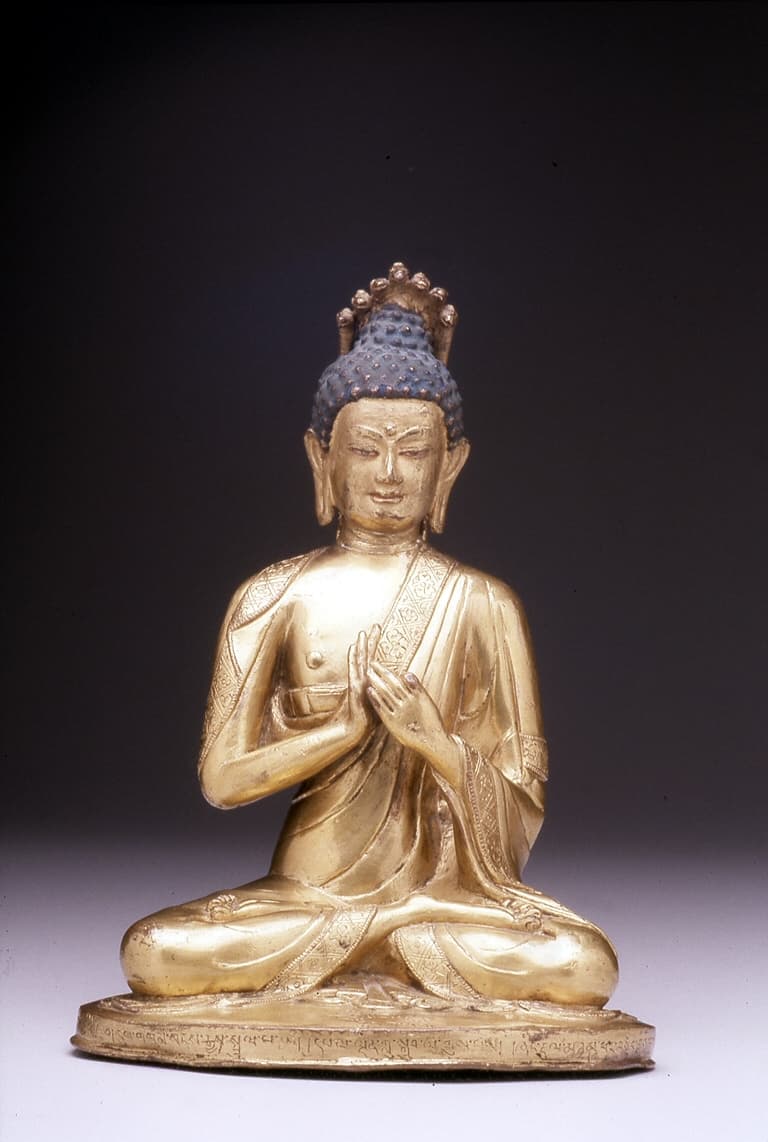
Gilt bronze image of Nāgārjuna, teacher and philosopher of emptiness
ConceptsMahayana

Sunyata

Emptiness is the absence in all phenomena of independent, intrinsic existence. It is not nothingness but the positive recognition that everything arises in dependence on other things — the deepest reading of the Buddha's teaching.

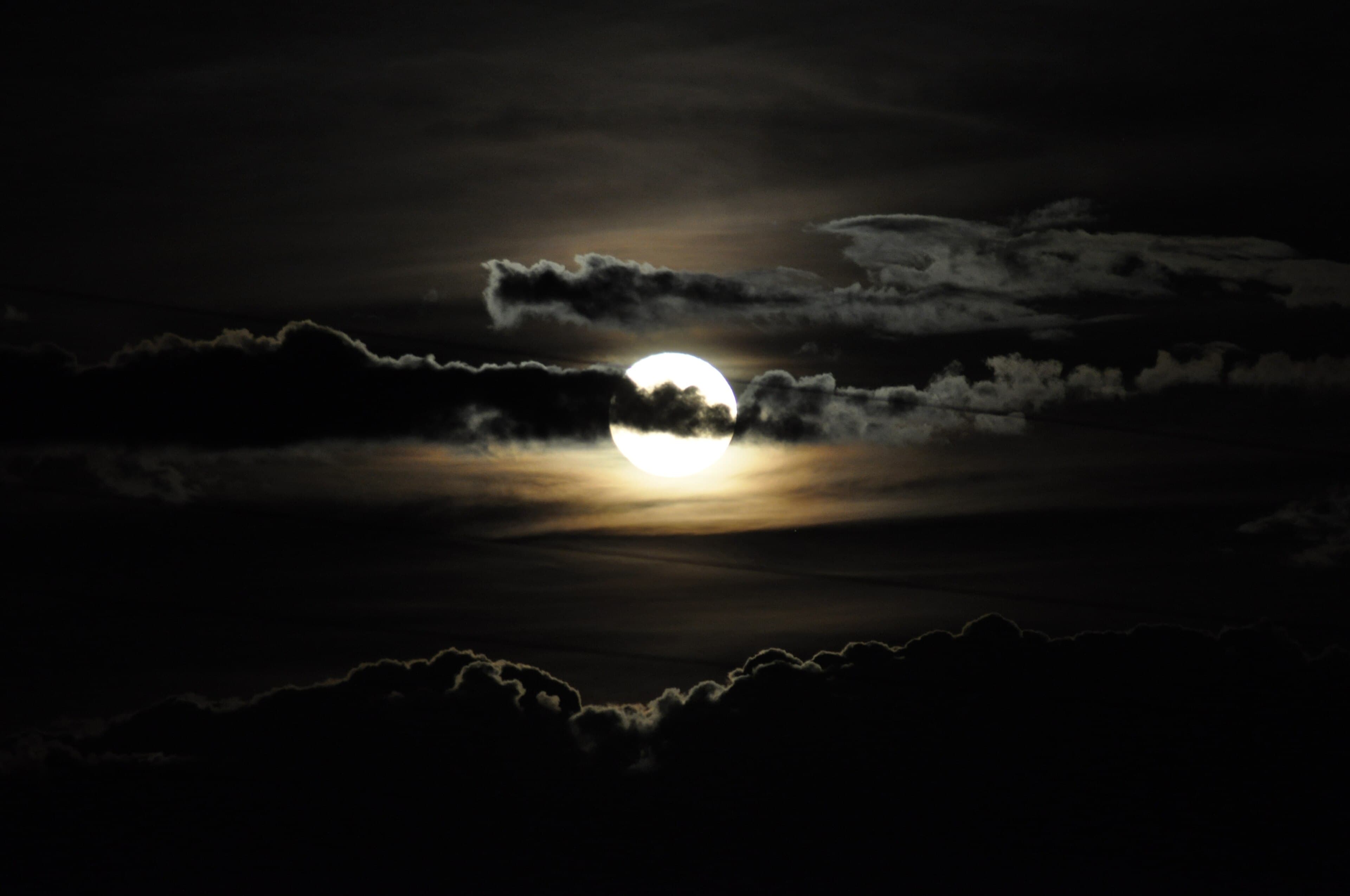
The full moon emerging from behind dark clouds, illustrating the essay's own image of buddha-nature briefly obscured but never diminished
ConceptsMahayana

Tathagatagarbha

The doctrine that every sentient being possesses, intrinsically, the seed of complete awakening. The "womb" or "embryo" of the Tathāgata — a teaching central to East Asian Buddhism, the Vajrayana, and the third turning of the wheel.

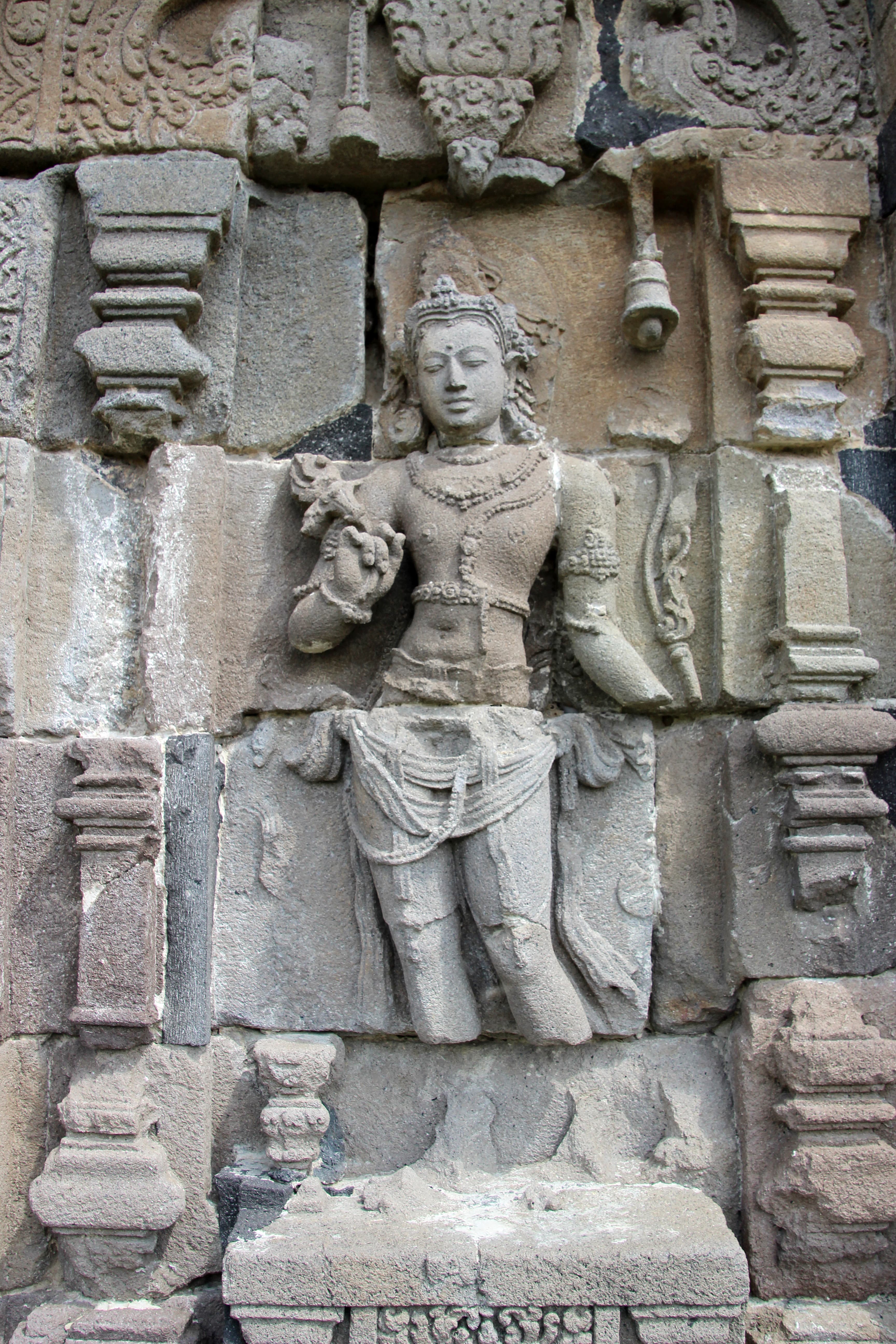
Stone relief carving of a bodhisattva on a Central Javanese temple wall
Core TeachingsMahayana

Bodhicitta

The aspiration to attain complete buddhahood for the benefit of all sentient beings — the defining commitment of the Mahayana path, and the seed from which the bodhisattva's entire activity grows.

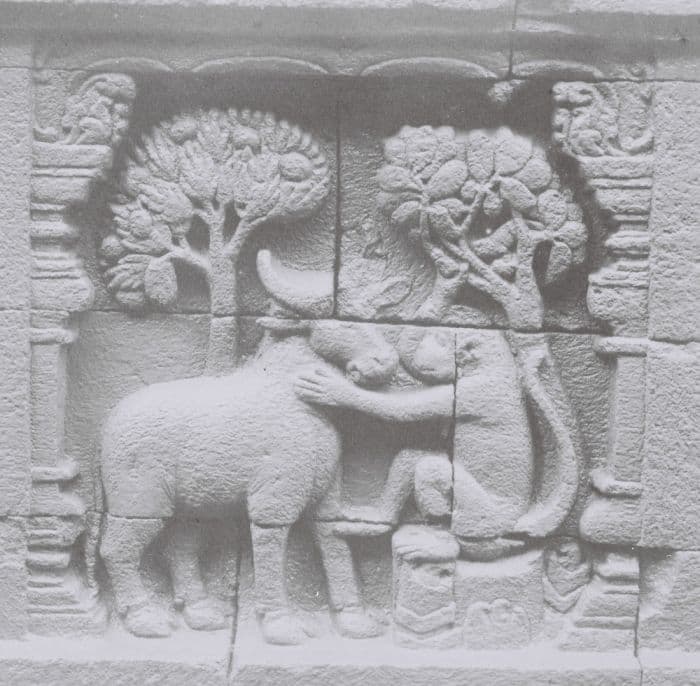
Archival photograph of a Borobudur relief panel depicting the Mahisa Jataka, a past-life tale of the Buddha illustrating the perfections
Core TeachingsMahayana

The Six Paramitas

Six perfections that the bodhisattva cultivates across countless lifetimes: generosity, ethical conduct, patience, joyous effort, meditative concentration, and wisdom. The structural curriculum of the Mahayana.

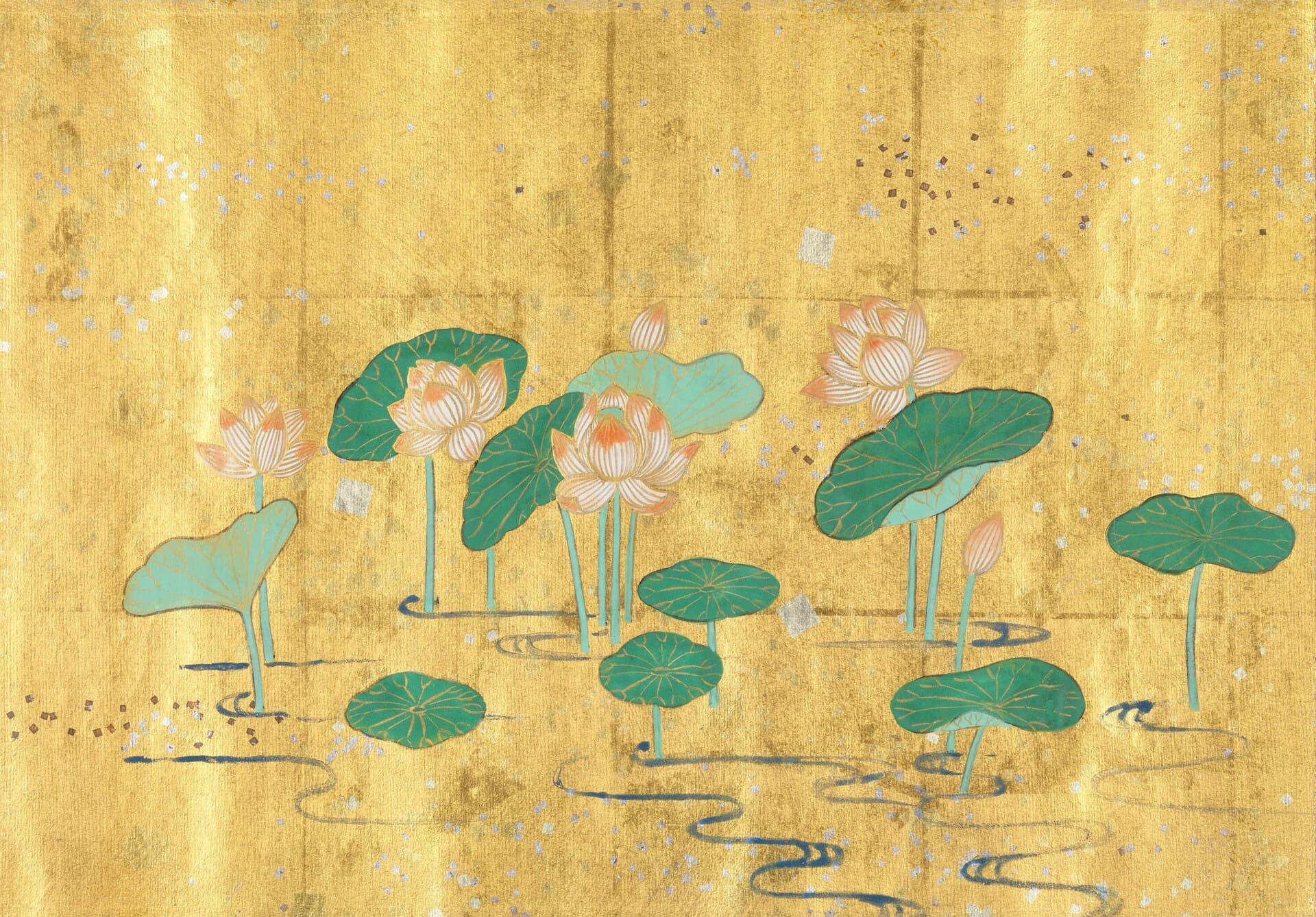
Gold-ground Japanese painting of lotus flowers illustrating the Lotus Sutra
TextsMahayana

The Lotus Sutra

The most influential Mahayana sutra in East Asia. The teaching of the One Vehicle, the eternal Buddha, and the universal possibility of buddhahood. Composed c. 1st century BCE to 1st century CE.

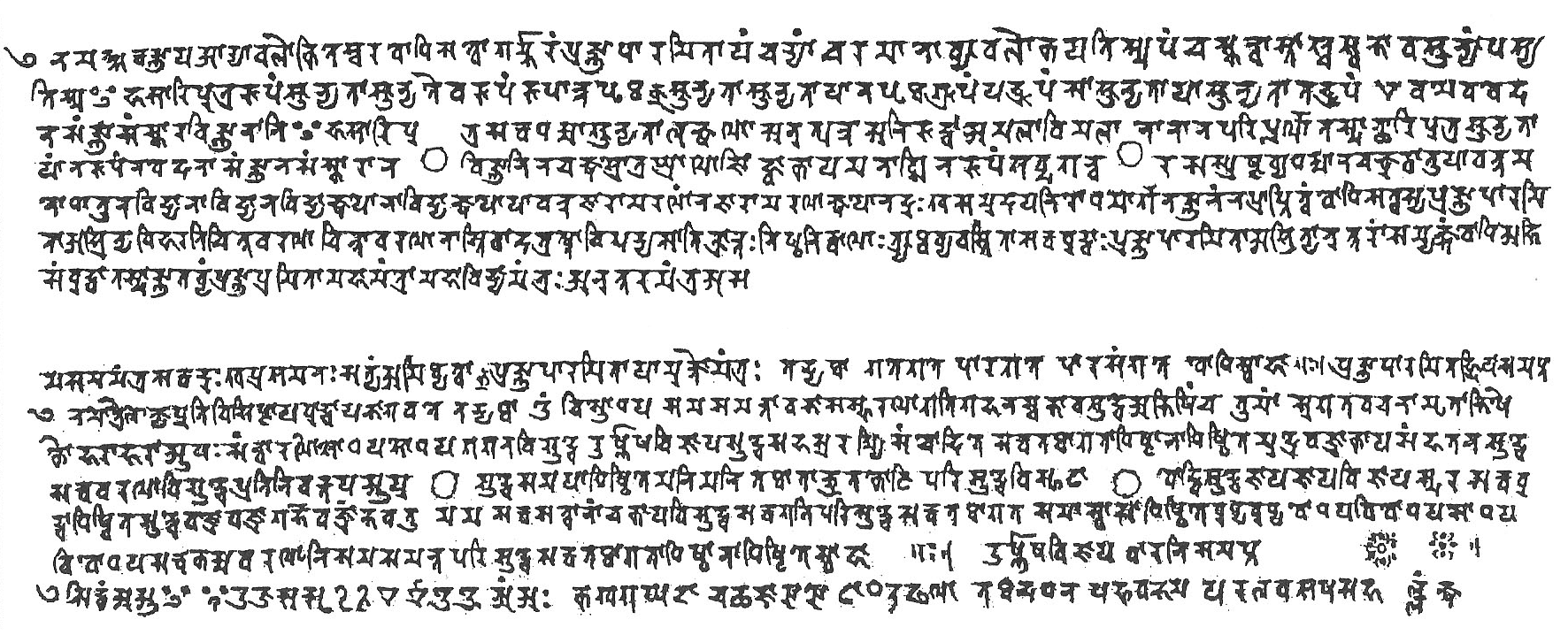
Sanskrit manuscript facsimile of the Heart Sutra
TextsMahayana

The Heart Sutra

The most chanted Mahayana scripture — 260 Chinese characters in Kumarajiva, fewer in the Tibetan, distilling the entire Perfection of Wisdom literature into the single declaration that form is emptiness, emptiness is form.

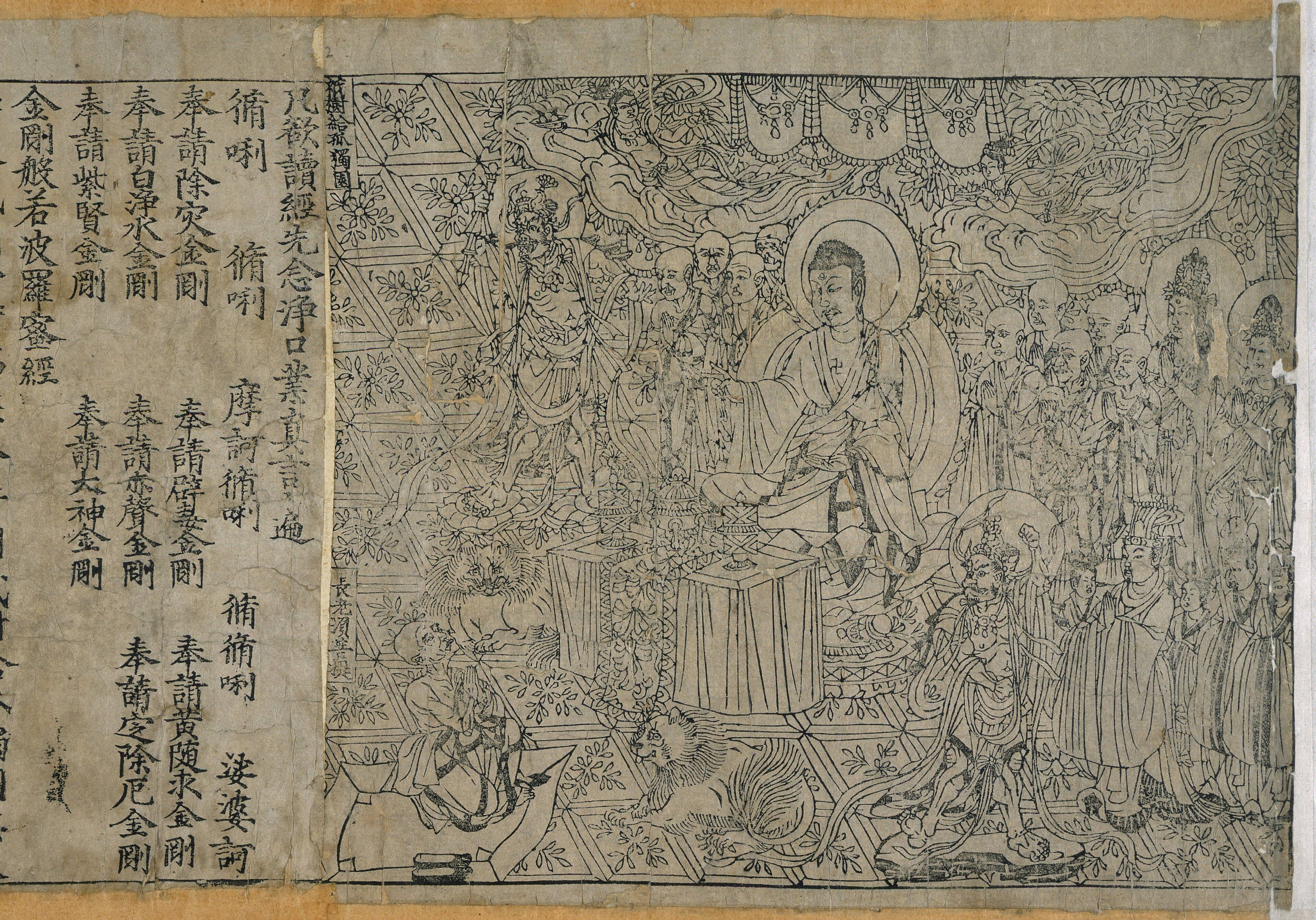
The 868 CE Dunhuang woodblock print of the Diamond Sutra, the world's oldest dated printed book
TextsMahayana

The Diamond Sutra

The Perfection of Wisdom that cuts like a diamond. The world's oldest dated printed book (868 CE, found at Dunhuang). The defining scripture of the Chan/Zen school.

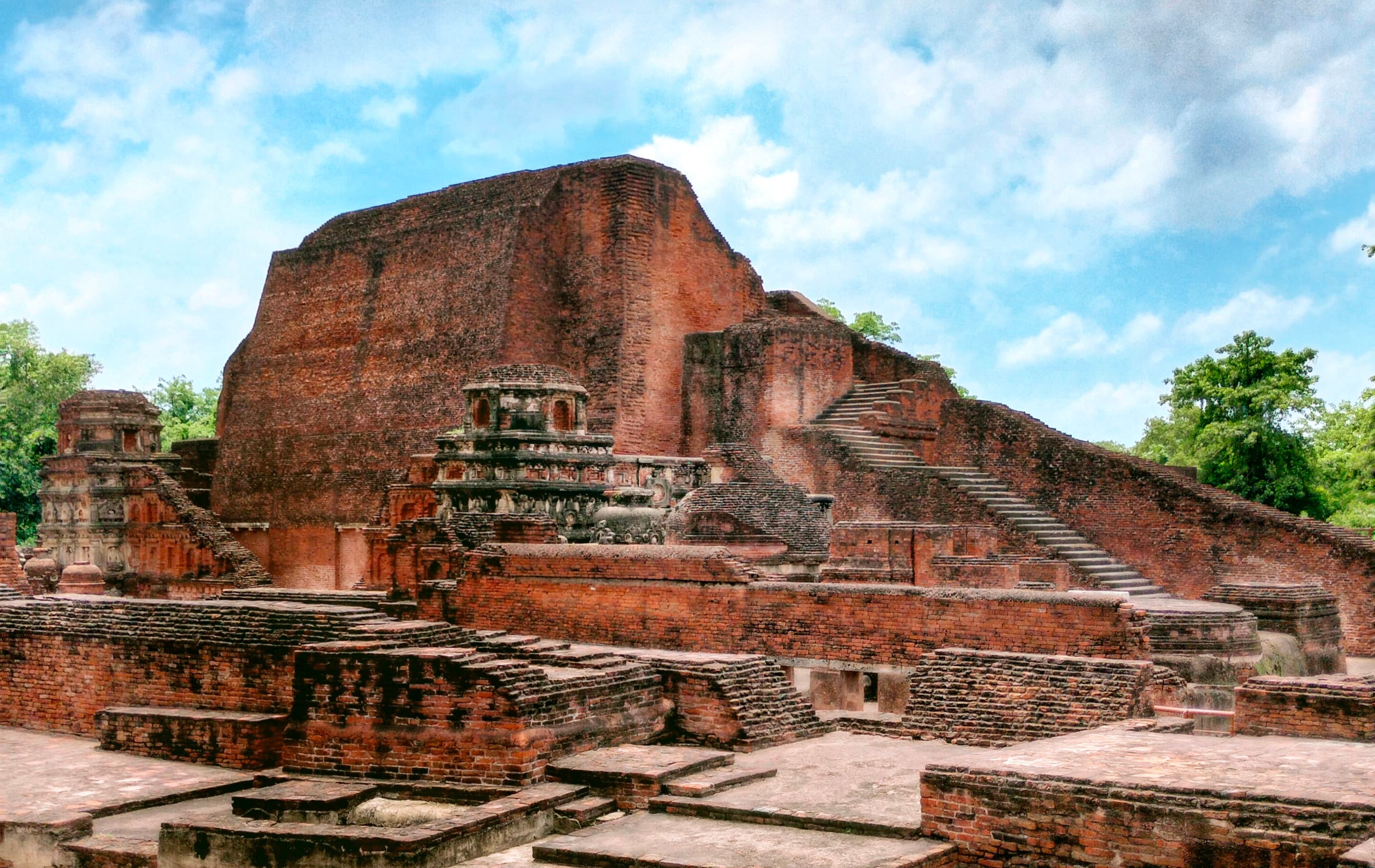
Ruins of Nalanda Mahavihara, where Śāntideva composed the Bodhicaryāvatāra
TextsMahayana

The Bodhicaryāvatāra

Śāntideva's 8th-century classic in ten chapters of verse — the most beloved Mahayana practice text on cultivating bodhicitta and walking the path of the bodhisattva.

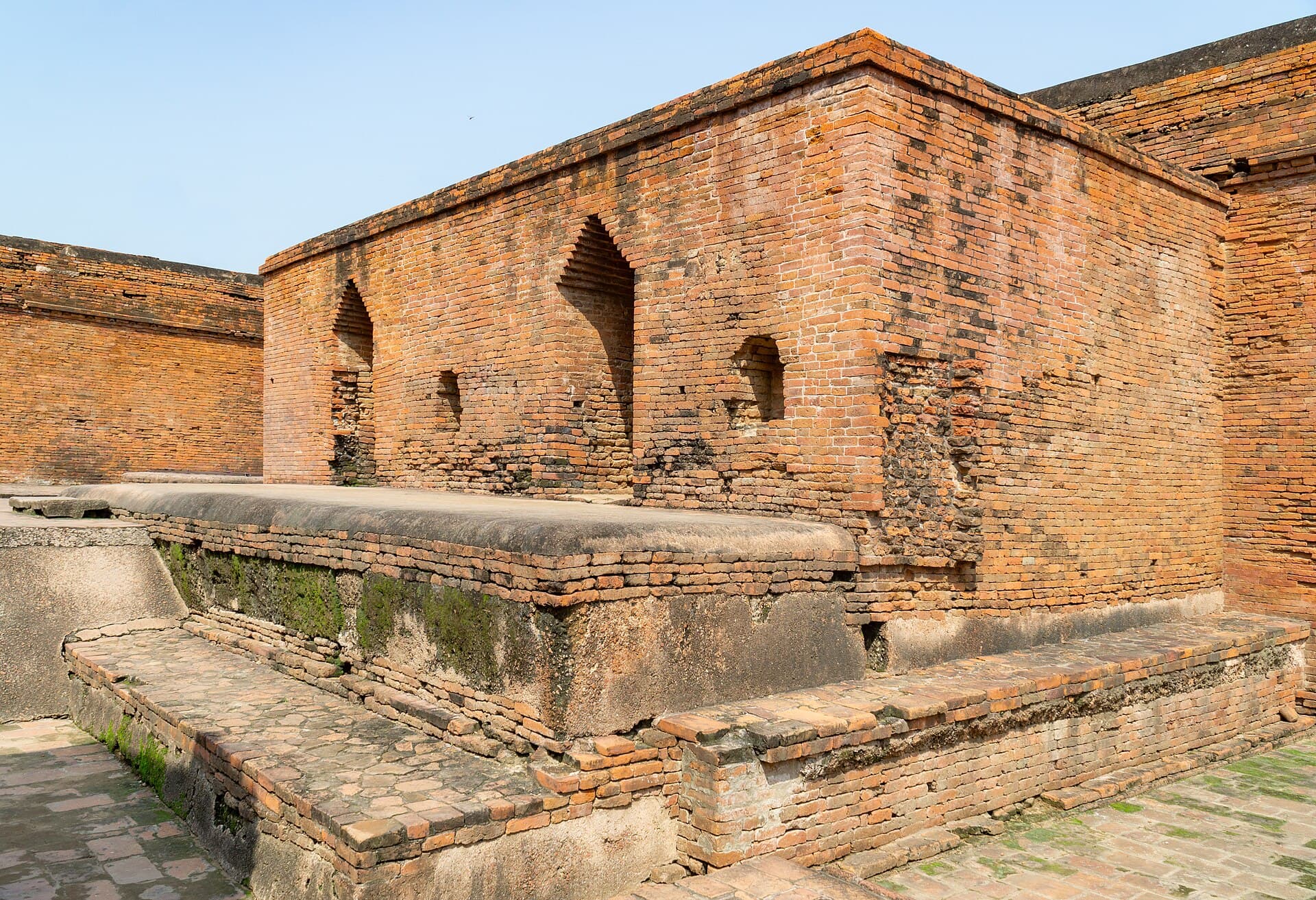
The brick ruins of Nalanda, the great Mahayana monastic university of ancient India
HistoryMahayana

Nalanda University

For seven hundred years Nalanda was the largest monastic university in the world — ten thousand students, two thousand teachers, a library of millions of folios, and the institutional heart of Indian Mahayana philosophy until its destruction by Bakhtiyar Khilji in 1193.

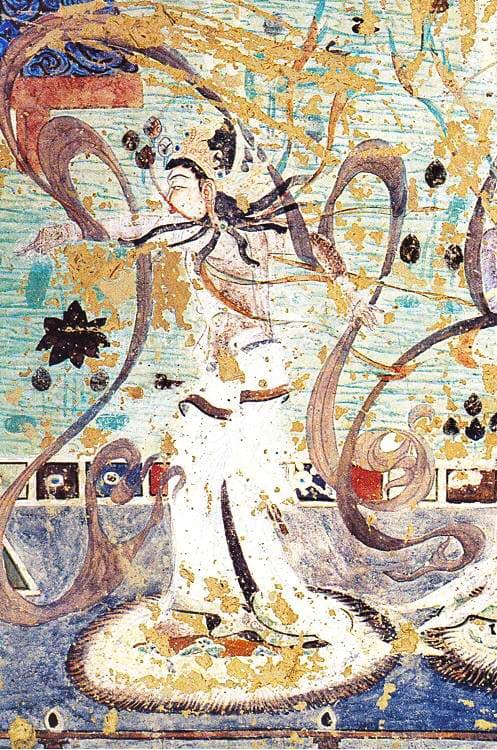
A Buddhist mural of a celestial dancer from the Mogao Caves at Dunhuang, on the Silk Road
HistoryMahayana

The Spread to China — The Silk Road

The dharma traveled into China across the Silk Road in the first centuries CE, carried by Central Asian monks like An Shigao and Lokakshema, translated into Chinese over six centuries by Kumarajiva, Xuanzang, and Yijing, and rooted in the founding of the Chinese schools — Tiantai, Huayan, Chan, Pure Land, and Faxiang.

Pilgrimage

Related sacred sites

Watch

Related teachings on film

Library

Further reading

  • The Foundations of BuddhismRupert Gethin
    Oxford University Press
  • Mahayana Buddhism: The Doctrinal FoundationsPaul Williams
    Routledge
  • Indian Buddhism: A Survey with Bibliographical NotesHajime Nakamura
    Motilal Banarsidass
  • The Fundamental Wisdom of the Middle Way (Mulamadhyamakakarika)Nagarjuna, trans. Jay L. Garfield
    Oxford University Press
Reflections

The sangha responds.

0
Add your reflection
Comments are public to the sangha.