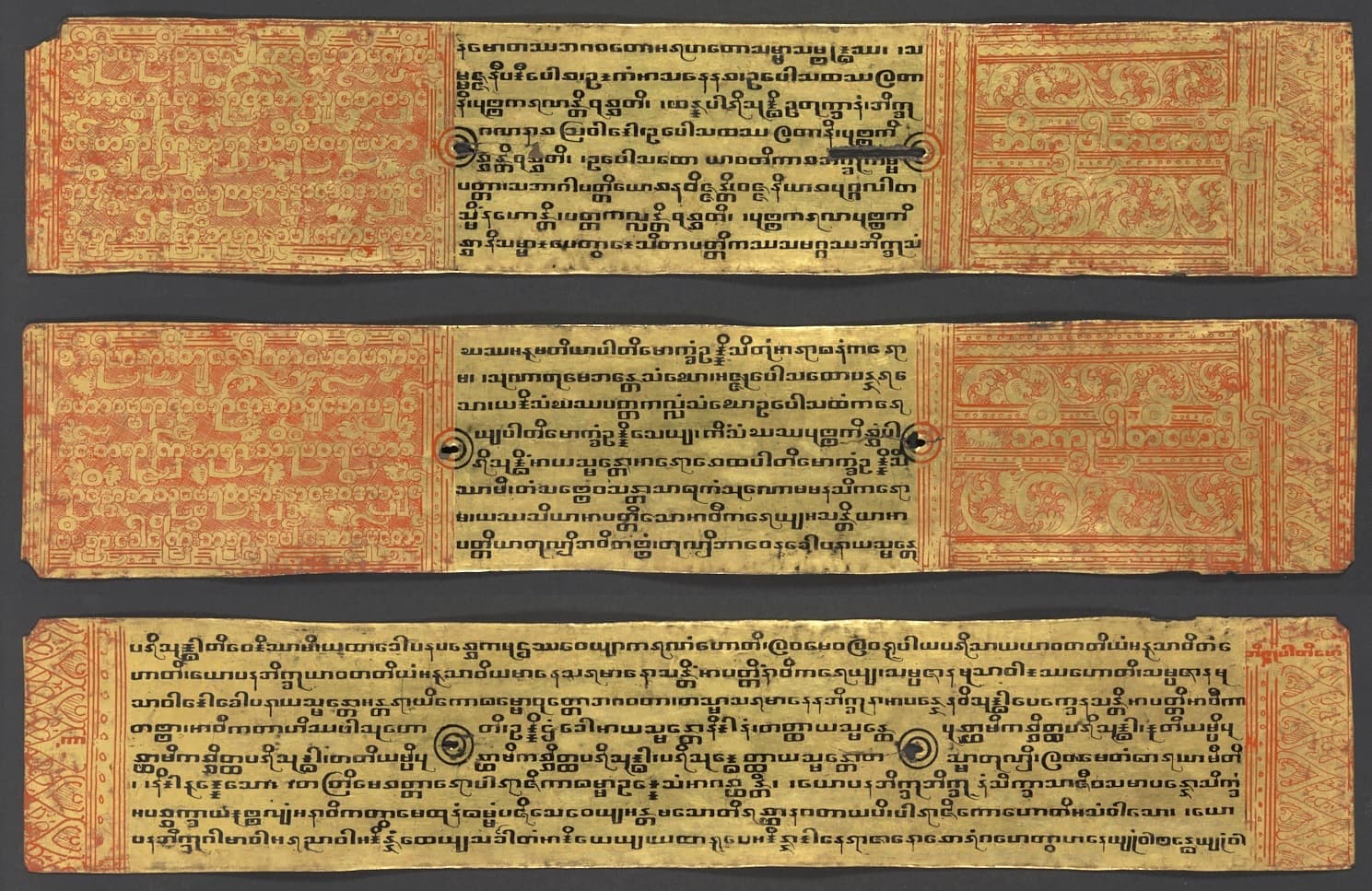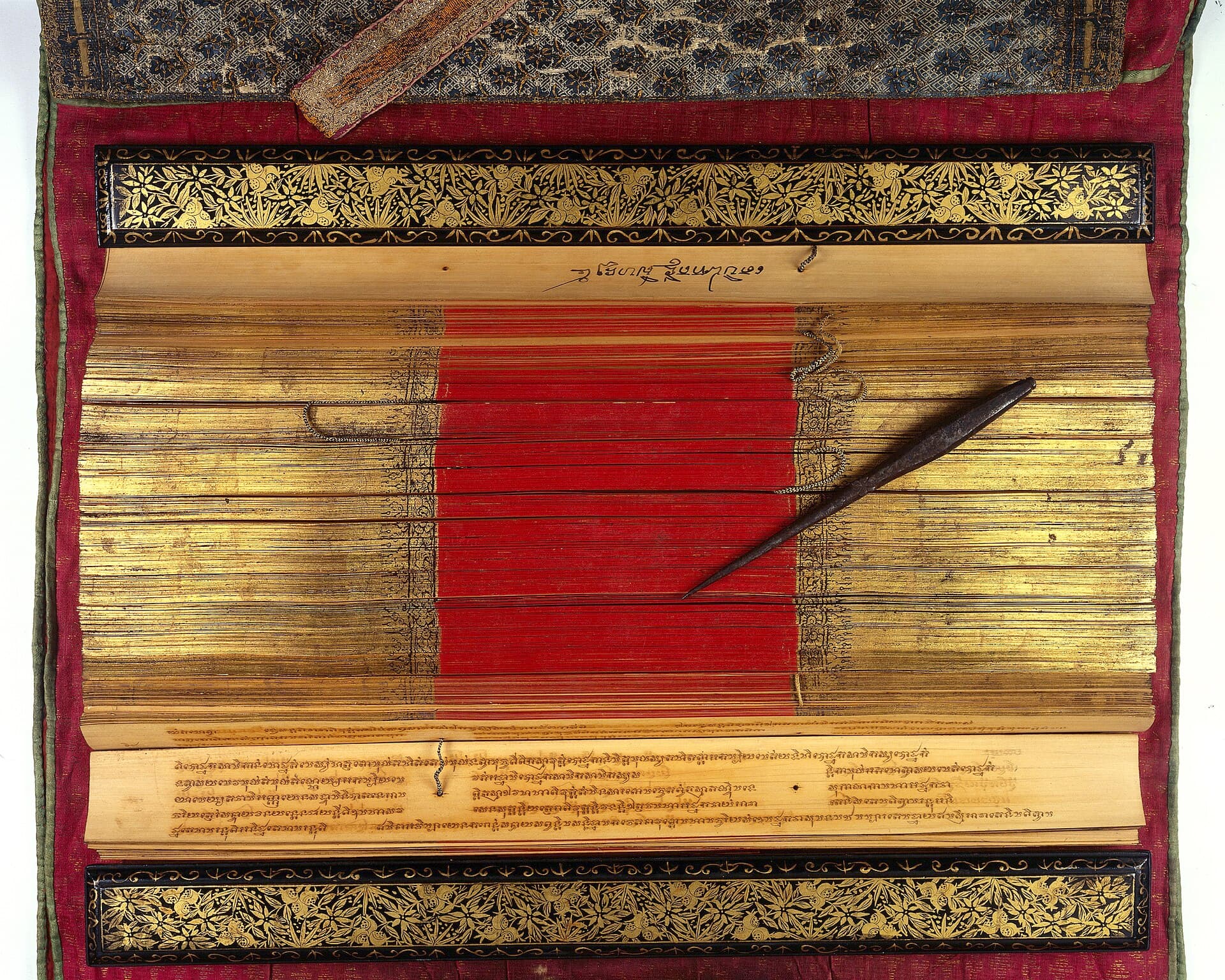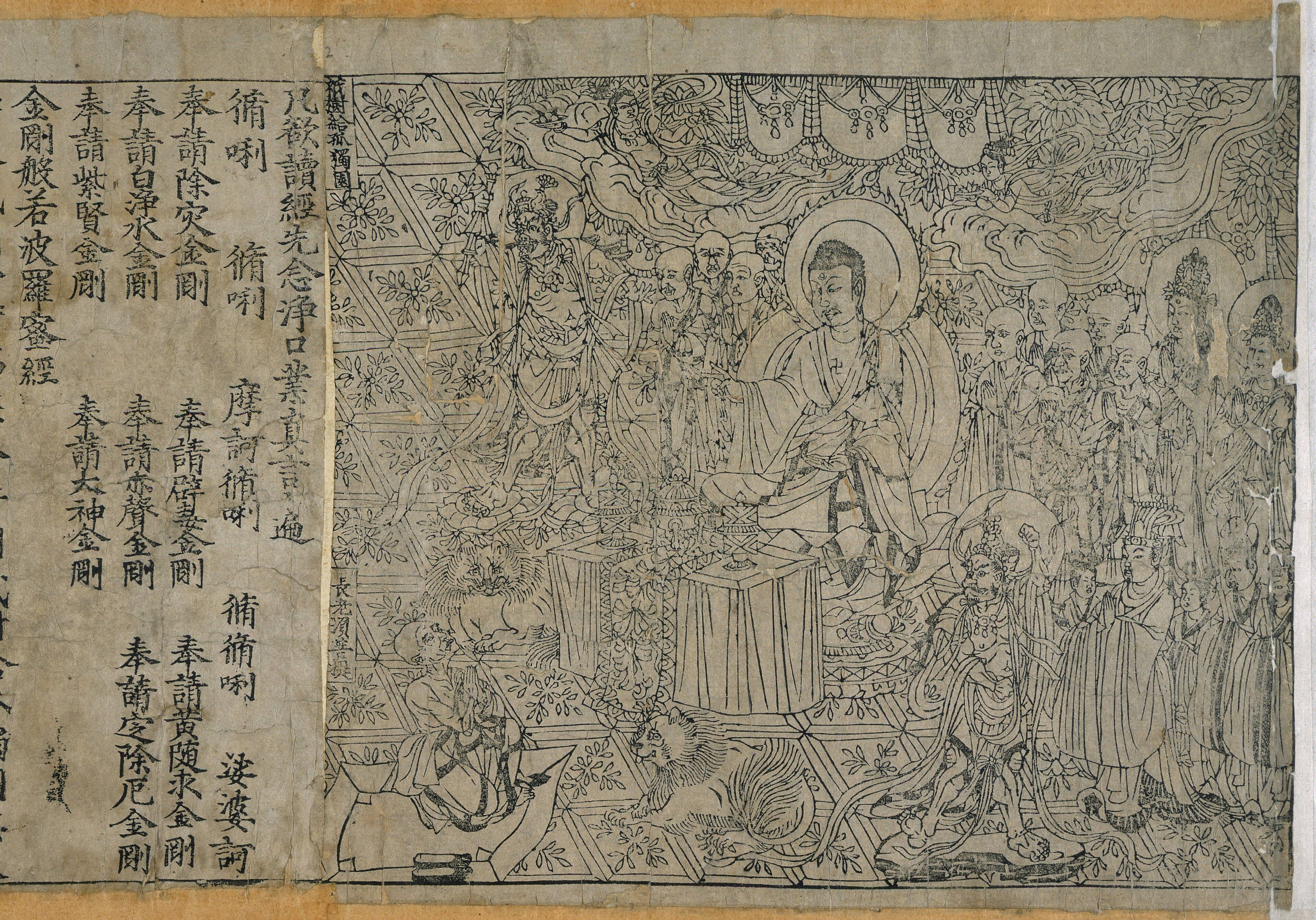
The Vajracchedikā-Prajñāpāramitā Sūtra — the 'Diamond-Cutter Sutra' — takes the form of a dialogue between the Buddha and his disciple Subhuti at Jetavana, the monastery of Anathapindika in Sravasti. Subhuti asks the Buddha how one who has set out on the bodhisattva path should stand, walk, and master his thoughts. The Buddha's response, delivered in a series of paradoxical formulations that the text returns to again and again, dismantles every conceptual hold the mind might take.
The text's signature formula appears throughout: 'What is called X is not X; therefore it is called X.' 'What is called dharmas, Subhuti, the Tathagata has taught are not dharmas. Therefore they are called dharmas.' 'A bodhisattva should give without abiding in the notion of a self, a being, a soul, a person.' 'If you see me in form, if you seek me in sound, you are practicing the wrong path; you will not see the Tathagata.' The Diamond Sutra is the prajñāpāramitā teaching given as performance: the text enacts the cutting it describes.
The sutra concludes with one of the most famous passages in Buddhist literature, the 'four-line gatha': 'All conditioned things are like a dream, an illusion, a bubble, a shadow; like dew or a flash of lightning; thus should they be seen.' This verse is recited at the close of countless dharma talks across the Mahayana world.
In Chan/Zen, the Diamond Sutra is the foundational text. The Sixth Patriarch, Huineng (638-713), is said to have attained awakening upon hearing the line 'one should produce a mind without abiding anywhere.' The Platform Sutra of the Sixth Patriarch is essentially an extended commentary on the Diamond Sutra.
The sutra has a singular distinction: a copy of Kumarajiva's Chinese translation (404 CE), discovered in the Library Cave at Dunhuang in 1900, bears the colophon 'reverently made for universal free distribution by Wang Jie on behalf of his two parents on the 13th of the 4th moon of the 9th year of Xiantong' — 11 May 868 CE. This is the world's oldest known dated printed book, predating the Gutenberg Bible by nearly six centuries. It now resides in the British Library.
Red Pine's 'The Diamond Sutra: The Perfection of Wisdom' (2001) and Edward Conze's translation (1957) remain the standard English access.