Taoism.
The oldest continuous religious and philosophical tradition native to China — the Dao, the sacred mountains, the immortals, the schools of Quanzhen and Zhengyi, and two and a half thousand years of texts on how to live in accordance with the Way. Built with the same editorial seriousness as the platform's Buddhist canon, and — where an offering is possible — the same verified fulfilment at distance.
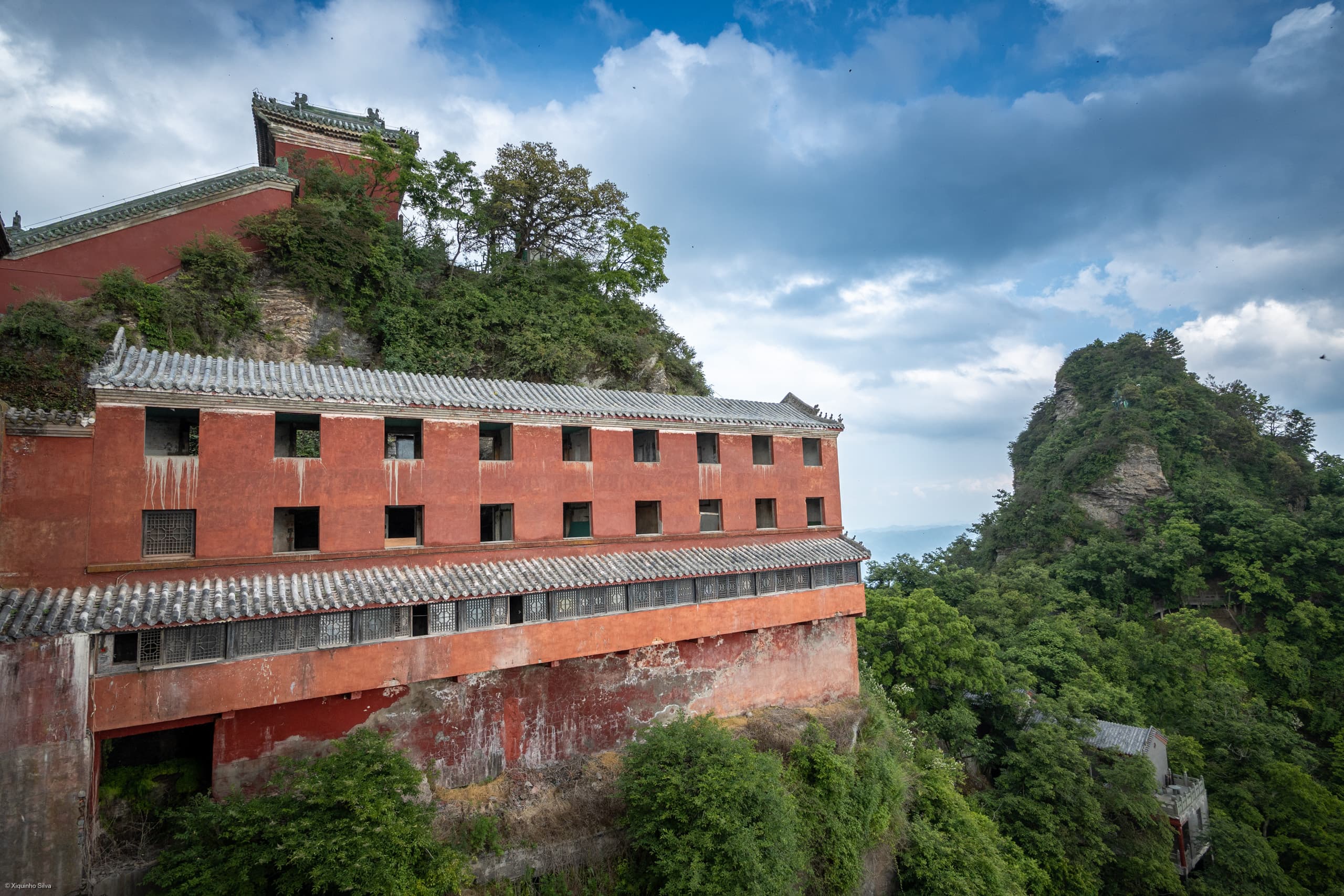
Where the Way is anchored to place.

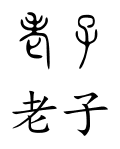
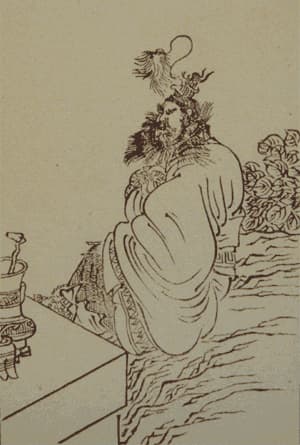
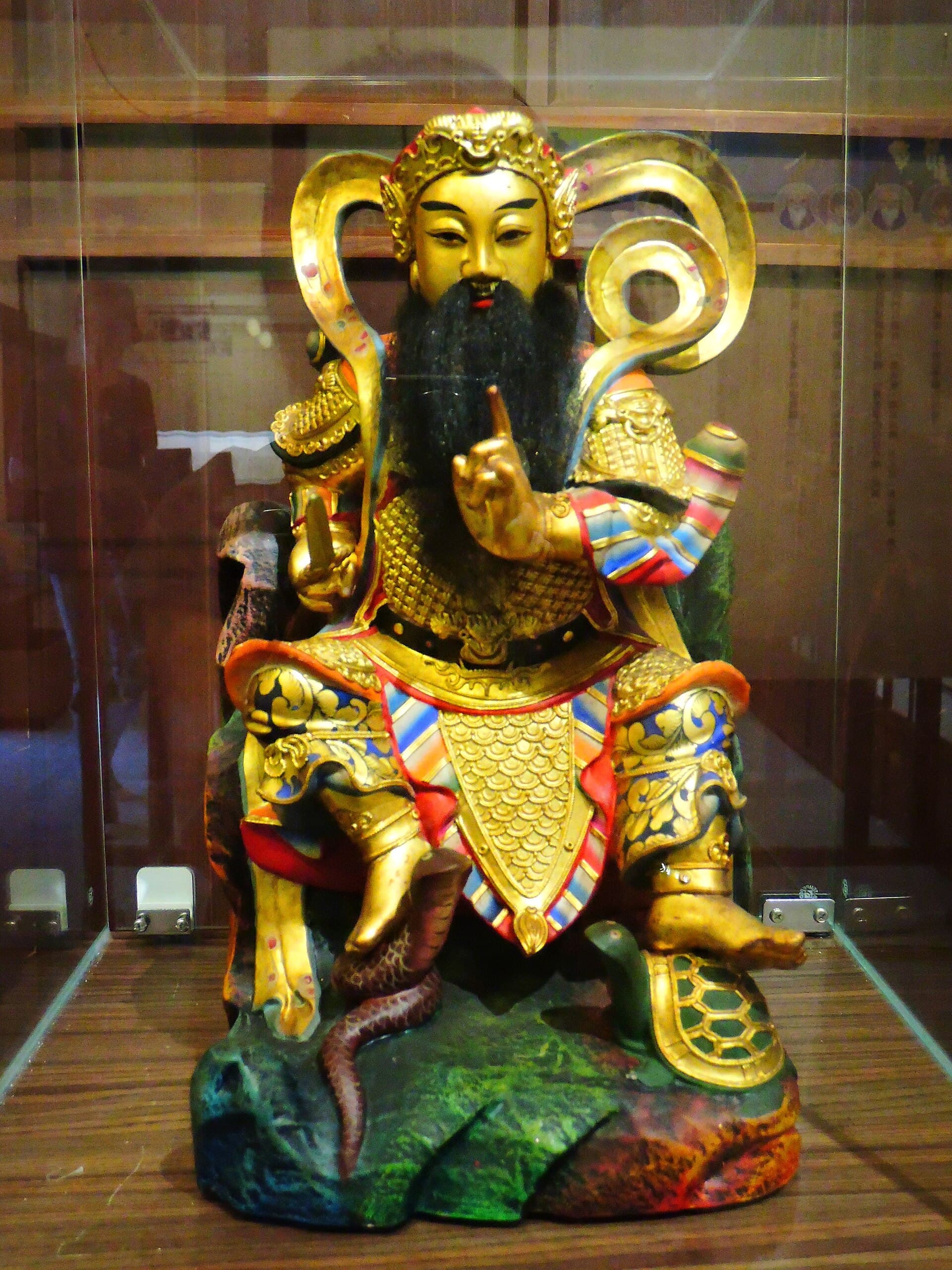
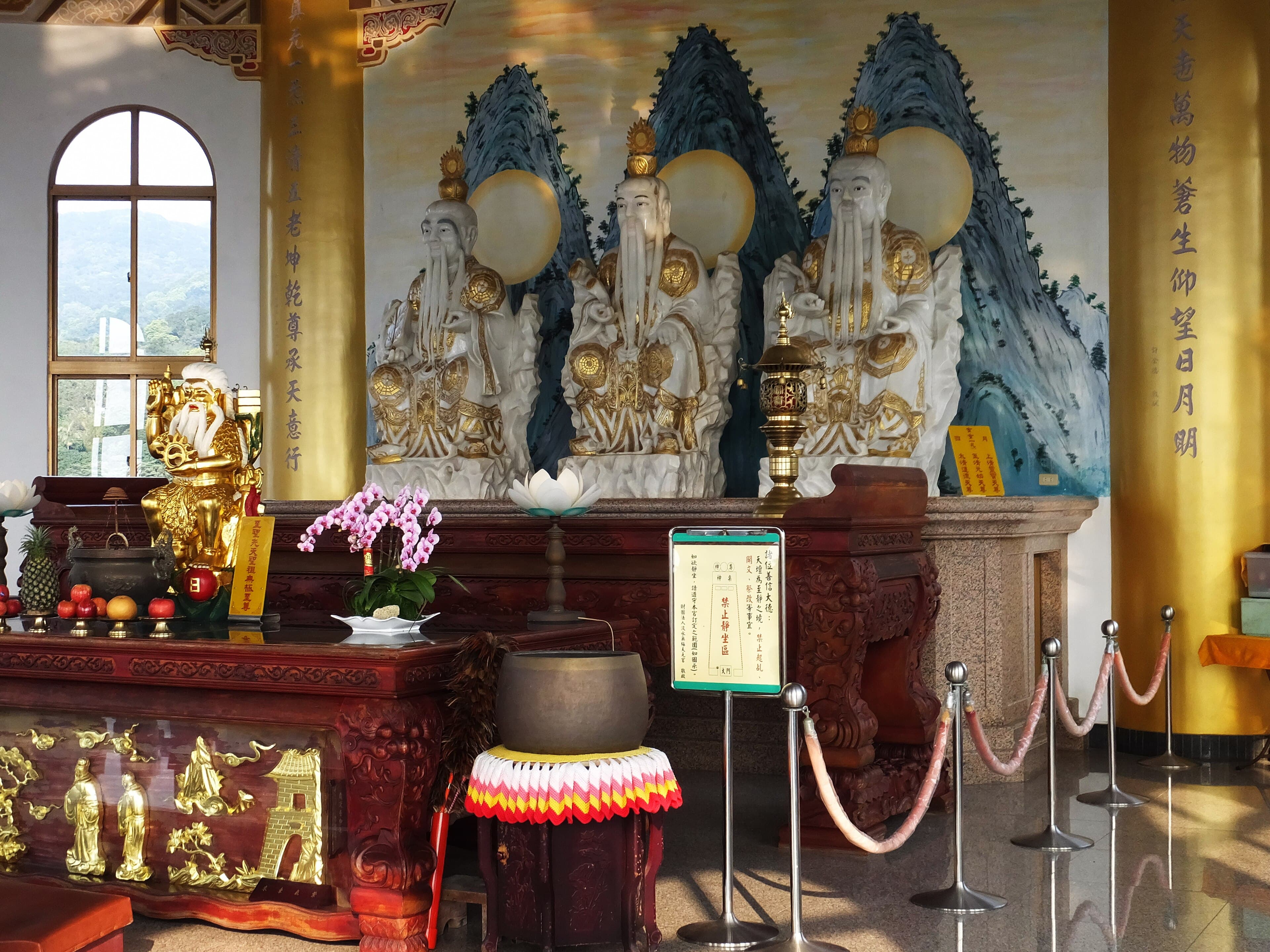
Deities, immortals, and founders.
Two branches, one Way.
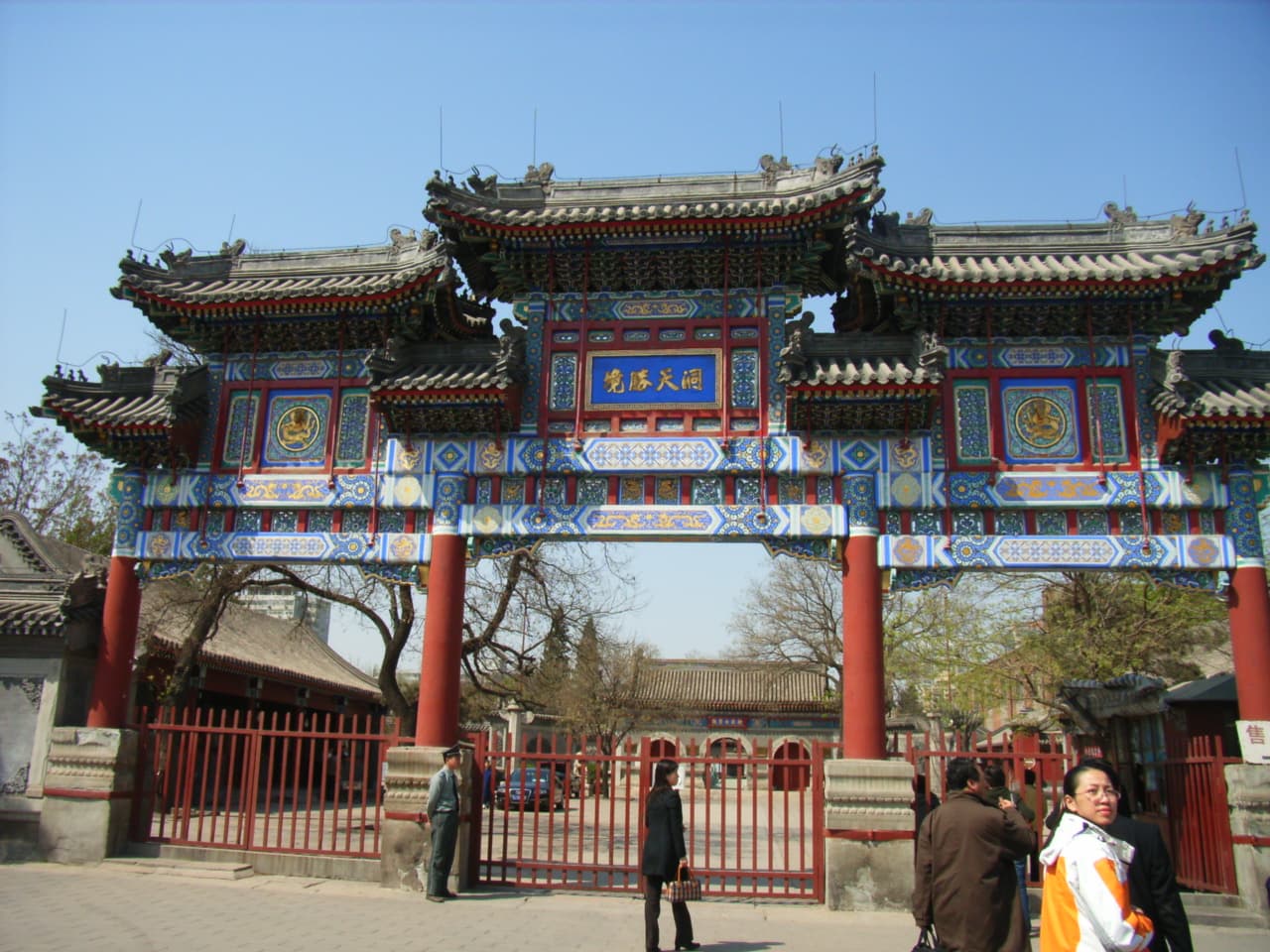
The younger of Taoism's two great living branches, and today its dominant monastic tradition. Founded by Wang Chongyang in the 1160s, Quanzhen fused Taoist internal alchemy with Chan Buddhist meditation discipline and Confucian ethics into a single celibate, monastic path. Its transmission passed to Wang's "Seven Perfected" disciples, of whom Qiu Chuji's Longmen ("Dragon Gate") sub-lineage — headquartered at White Cloud Temple in Beijing — is by far the largest surviving branch.
The older of the two great living branches, tracing its founding to Zhang Daoling's revelation from the deified Laozi in 142 CE and the establishment of the Way of the Celestial Masters — the first organised Taoist religious institution. Zhengyi priesthood is hereditary or apprenticed rather than monastic; priests may marry, live among their communities, and are called on for ritual services — exorcism, talismans, funerary rites, and communal festivals — rather than withdrawn cultivation.
Texts, concepts, practice, and cosmology.
29 research-grade entries — the Daodejing and Zhuangzi, wu wei and yin-yang, internal alchemy and talismanic ritual, the Yellow Turban era and the founding of the modern China Taoist Association.
Browse the directory →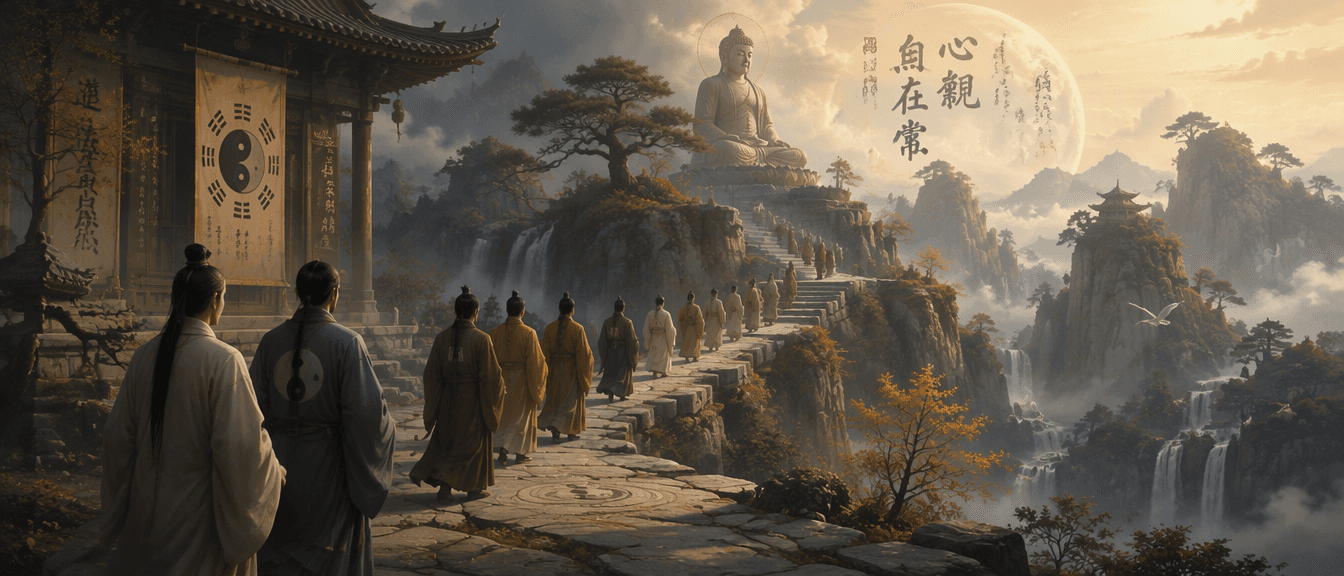
Not a merger. A shared floor.
Taoism and Buddhism have exchanged vocabulary, cosmology, and even temple space across two thousand years of contact in China — Guanyin is venerated in both, Lingbao ritual borrowed Buddhist cosmology wholesale, and Quanzhen fused Taoist alchemy with Chan meditation discipline. The platform doesn't collapse that history into one tradition. It gives each its own sites, its own pantheon, its own schools — and lets a reader who arrives through one door find the other honestly, on its own terms.