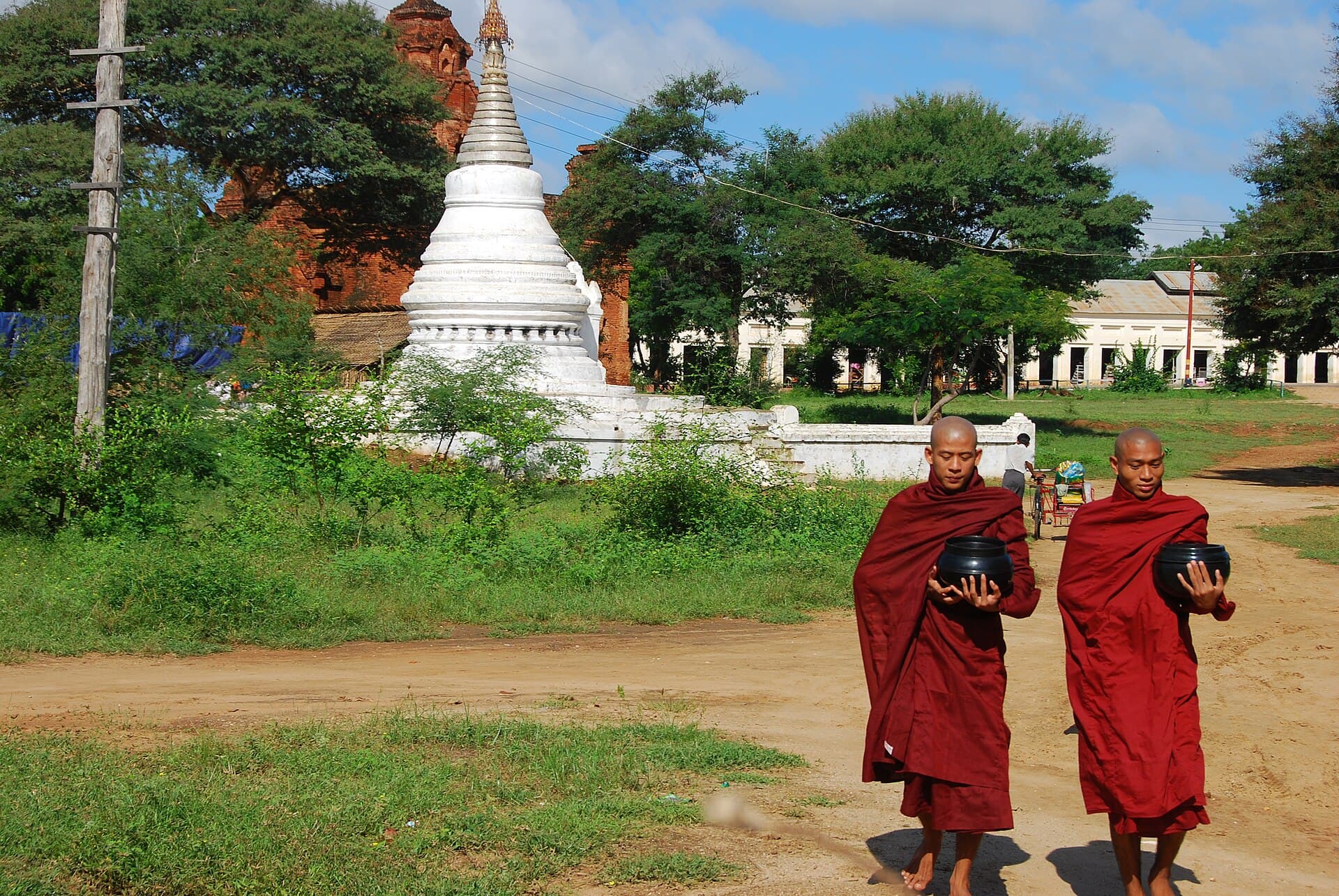
The places where it actually happened.
Lumbini. Ramagrama. Bodh Gaya. Sarnath. Kushinagar. Seventeen archaeological sites across Nepal, India, and the wider Buddhist Asia — the geography of the Buddha's life, told as it occurred.
It began at Lumbini. It ended at Kushinagar. It still lives at Ramagrama.
The canonical eight events of the Buddha's life, in the order they occurred. The body was born at Lumbini, awakened at Bodh Gaya, taught for forty-five years across the great cities of the Ganges, and laid down at Kushinagar. The relics rest, undisturbed and unopened, at Ramagrama — the one stupa the nāgas would not yield. The pilgrimage of a lifetime, plotted on a single walkable line.
The Nepal core.
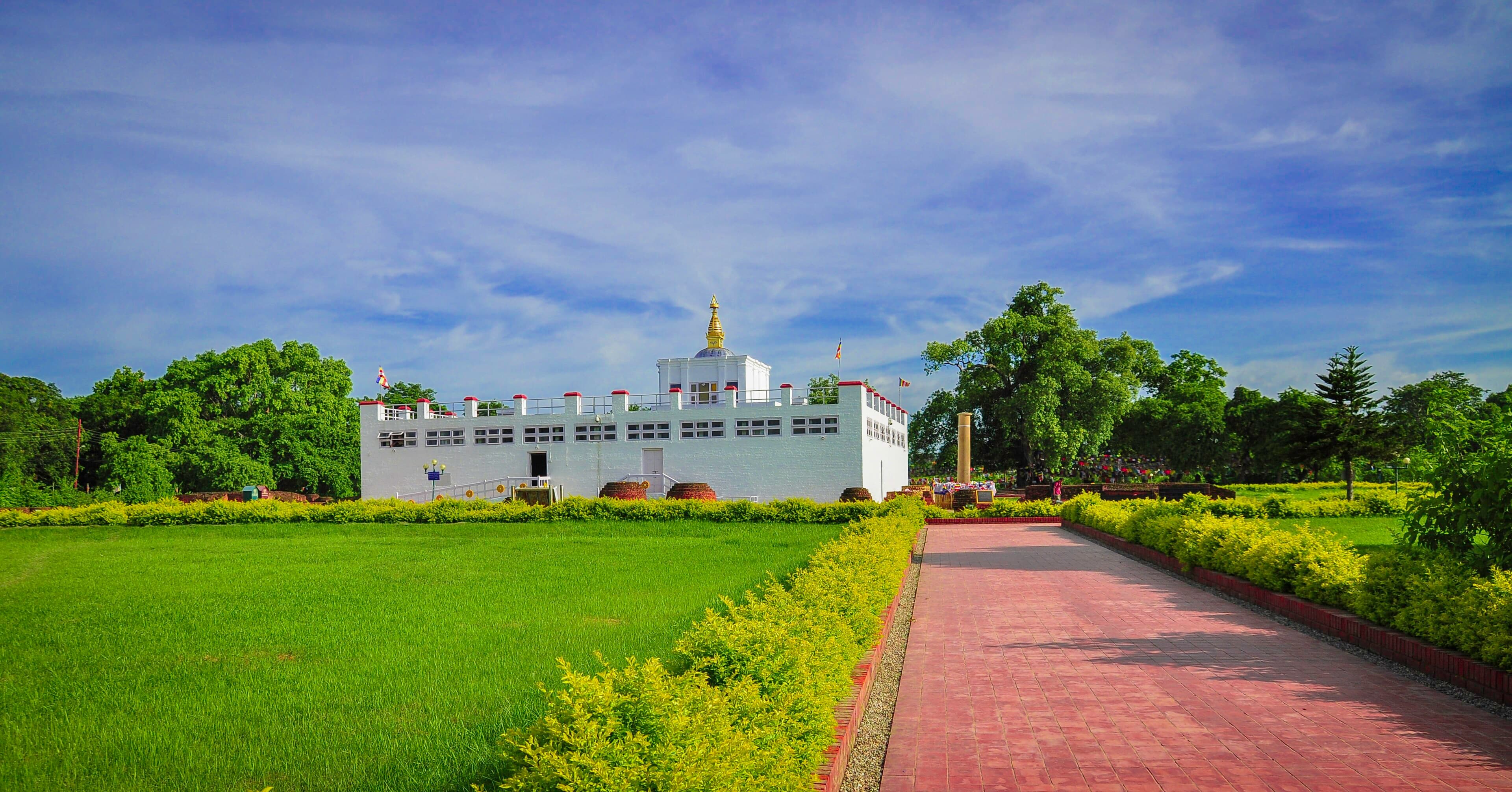
Lumbini, Ramagrama, Tilaurakot, Kapilavastu, Devadaha. The five anchor sites of the Buddha's life under the Greater Lumbini Circuit. The TPS home advantage.

The India arc.
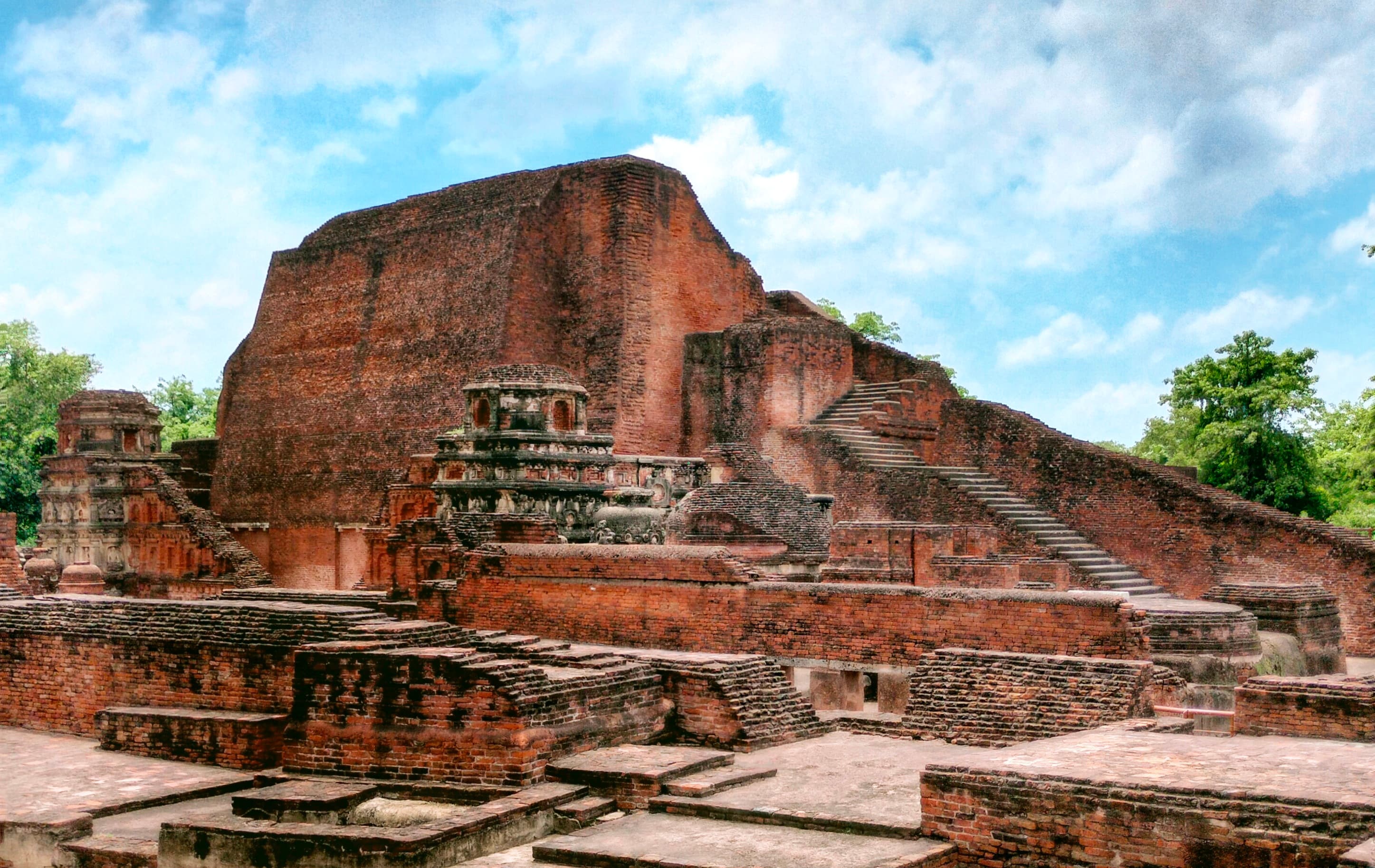
Bodh Gaya. Sarnath. Rajgir. Nalanda. Vaishali. Sravasti. Sankisa. Kushinagar. Piprahwa. The chronological geography of the dharma — the places the Buddha walked between his enlightenment and his parinirvana.




The extended Asia.
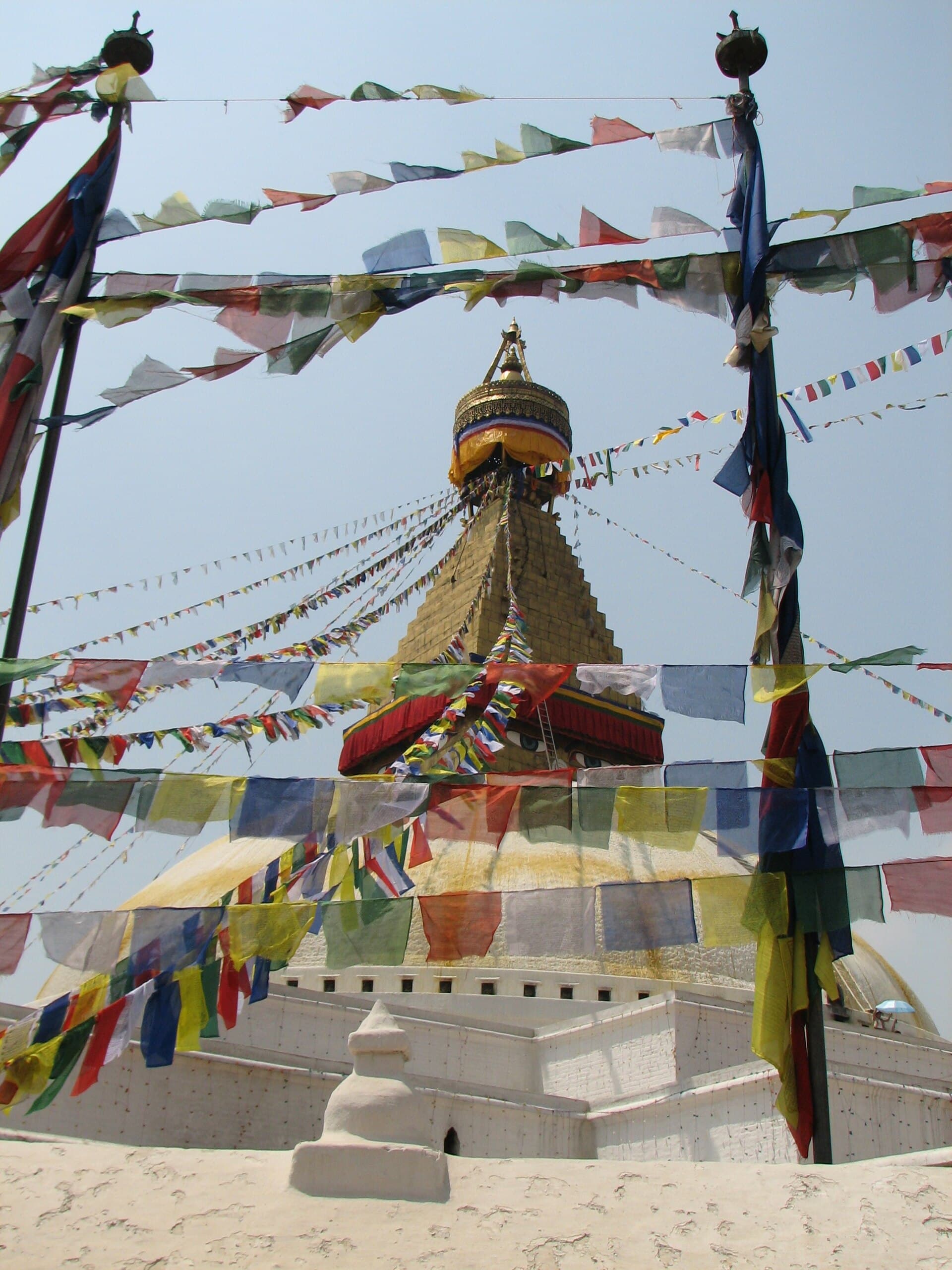
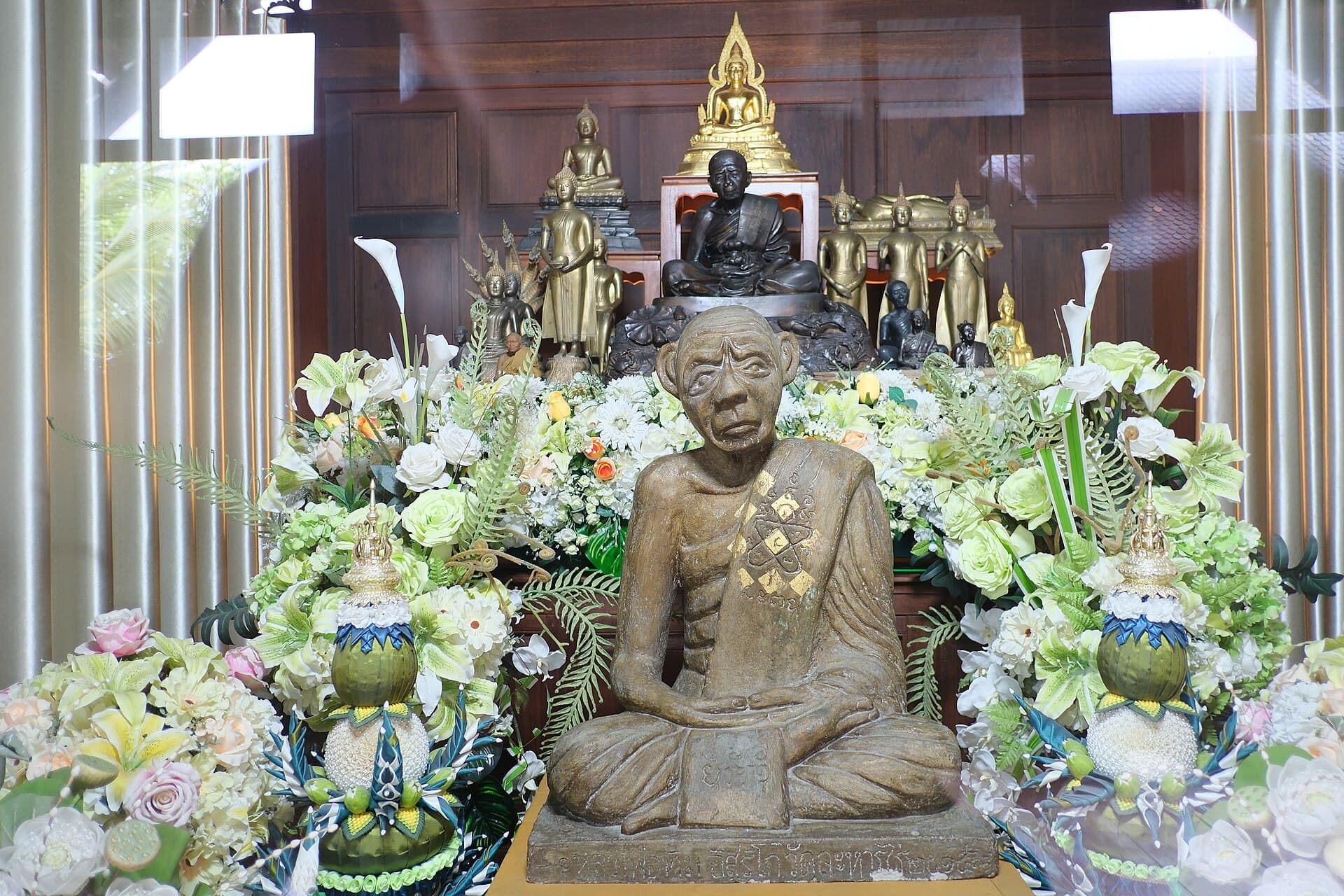
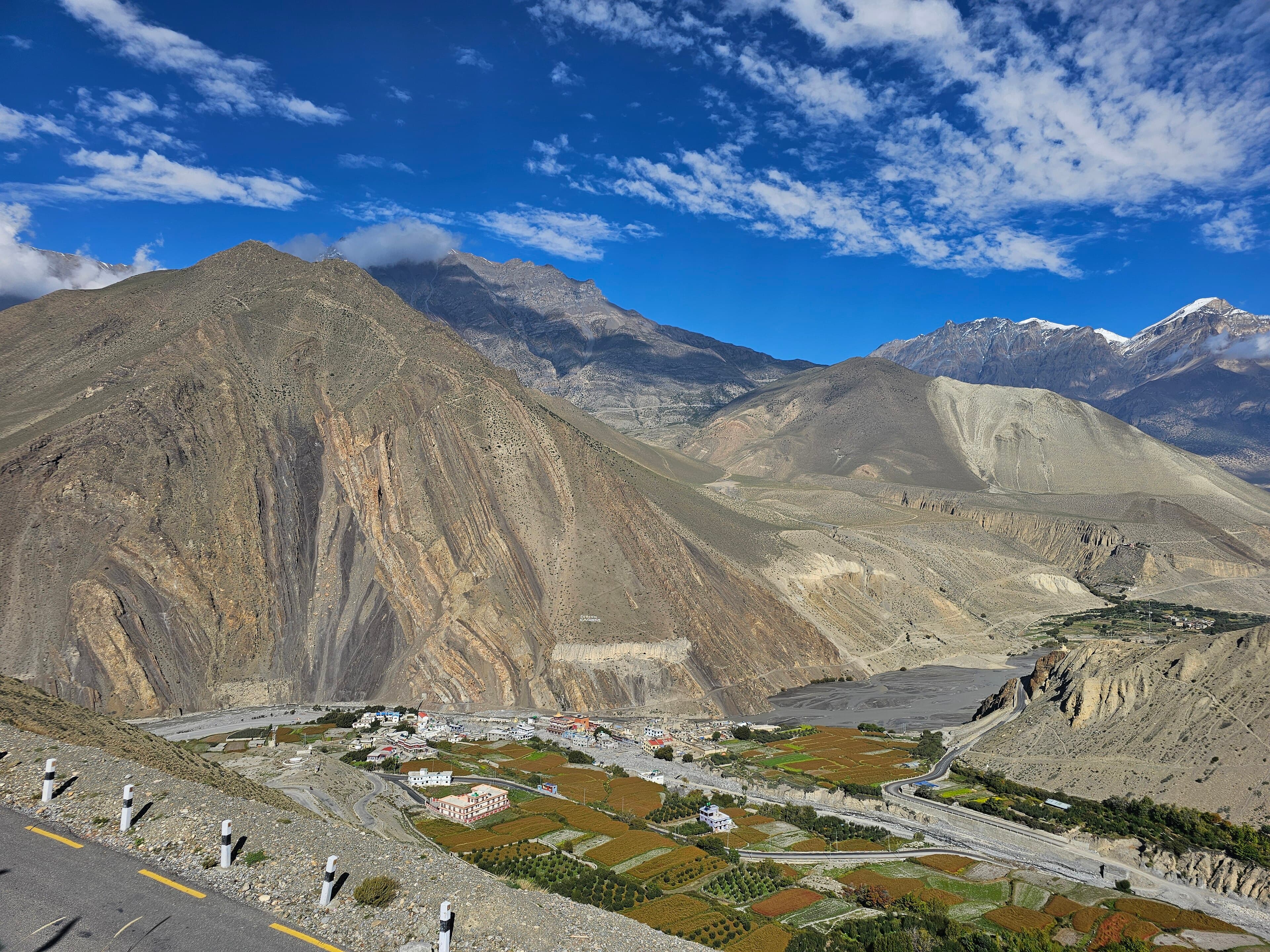
Swayambhu. Boudhanath. Mustang. The Kathmandu Valley and the forbidden kingdom of Lo — the Vajrayana wing of the dharma's living geography.


Six ways to walk these sites.
From a $20 audio-guided day-walk in Lumbini to a 90-day journey across nine countries — six tiers of access to the geography above.
Begin the path.
The dharma is not for the impatient. Invitations are extended in measured cohorts — first applicants, first served.