TAOISM / KNOWLEDGE
The Directory
Knowledge.
29 entries across texts, concepts, practice, cosmology, and history — the Daodejing to the Yellow Turban era, the Dao itself to the modern China Taoist Association.
Texts · 7
The canonical scriptures of the tradition
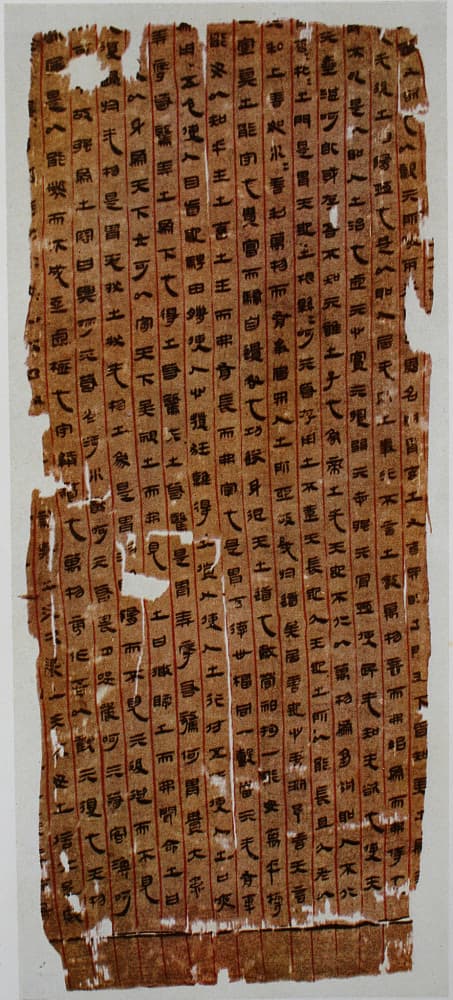
The Daodejing (Tao Te Ching)
道德經
The foundational text of Taoism, traditionally attributed to Laozi — roughly five thousand characters on the Dao, wu wei, and the power of softness over force.
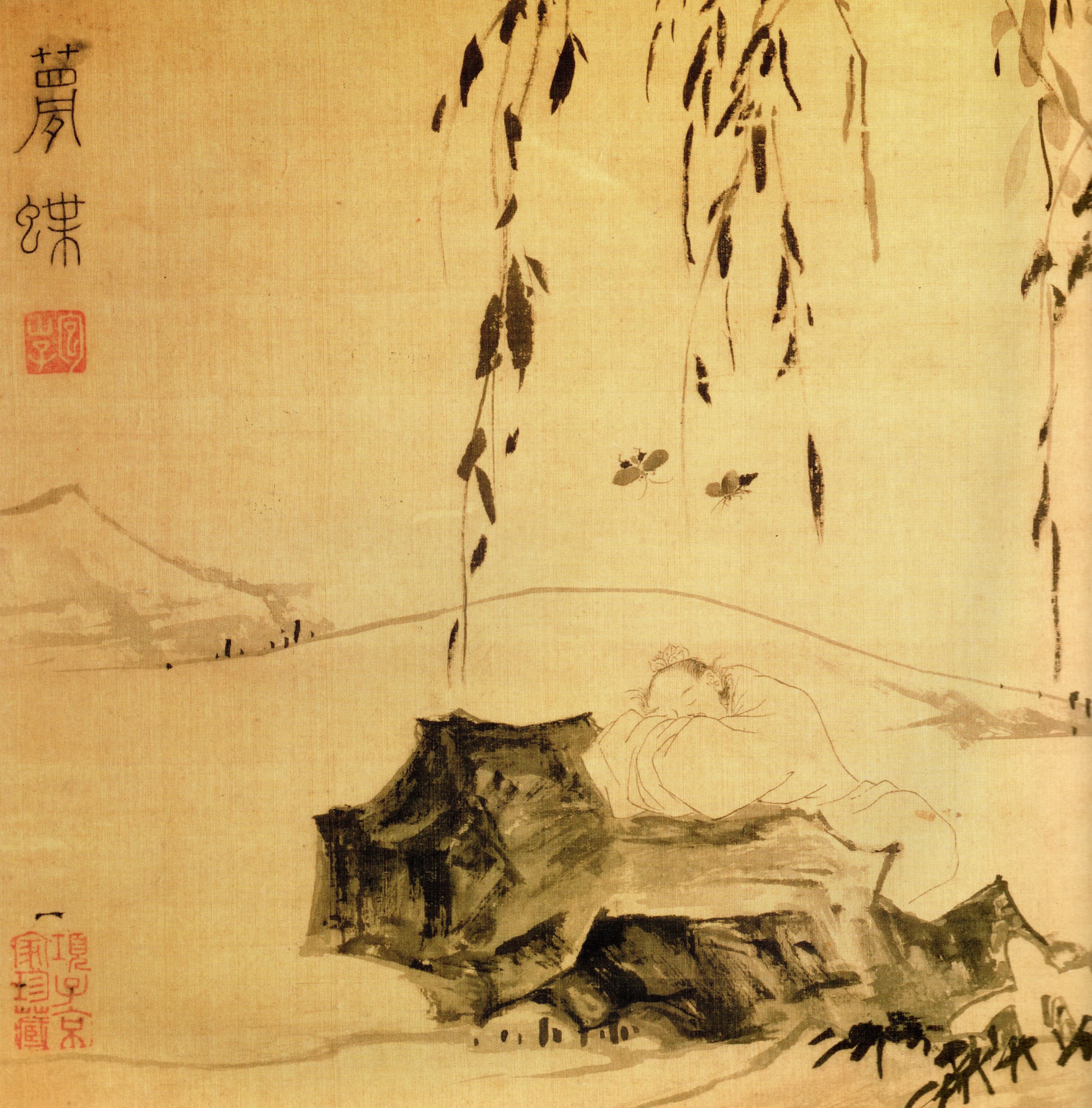
The Zhuangzi
莊子
A collection of parables, dialogues, and philosophical fantasy attributed to the 4th-century-BCE philosopher Zhuangzi, prized for its wit, skepticism, and vision of radical freedom.
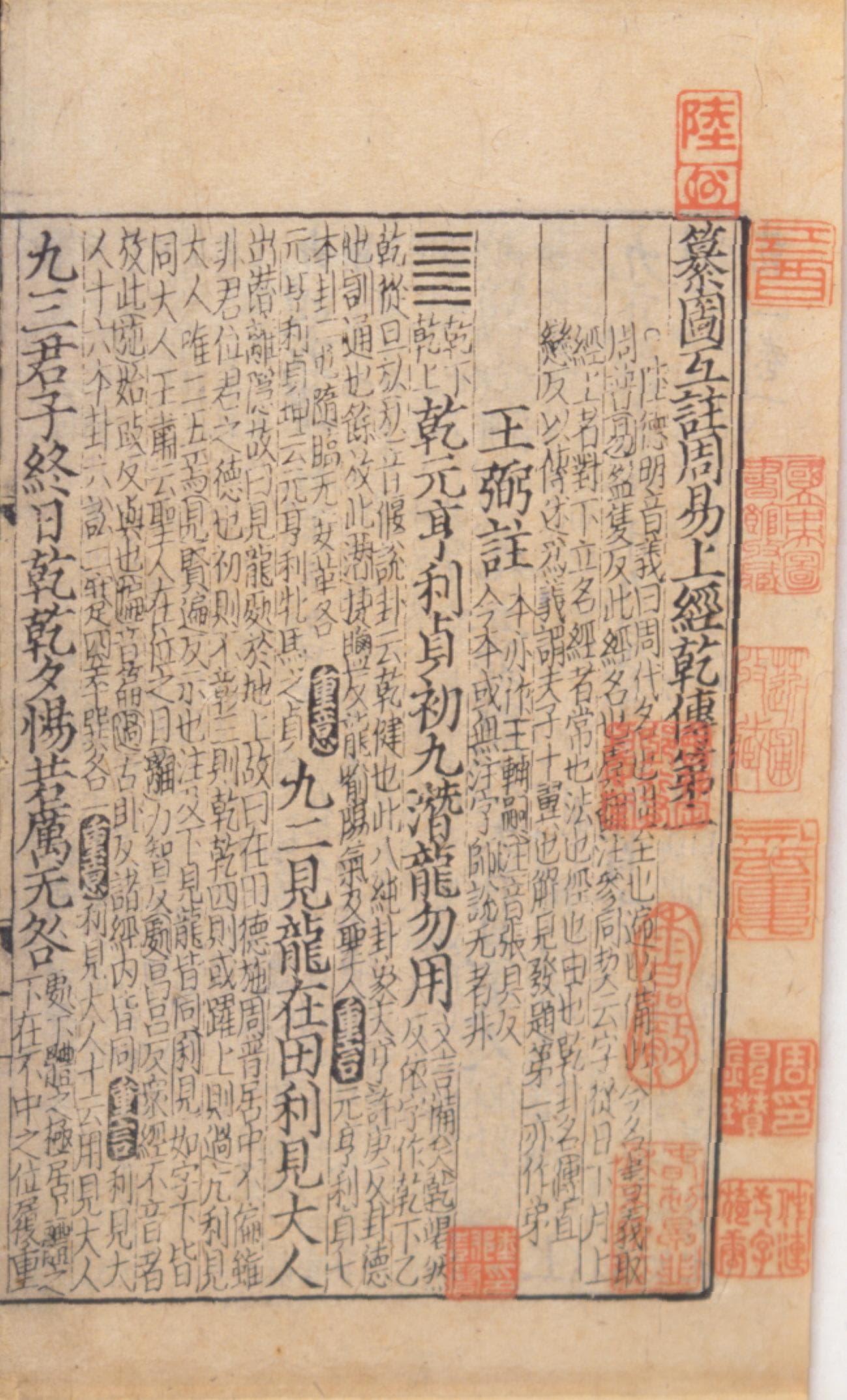
The Yijing (I Ching / Book of Changes)
易經
The oldest of the Chinese classics, a divination manual built on 64 hexagrams that became the shared cosmological root text of Confucianism, Taoism, and much of Chinese thought.
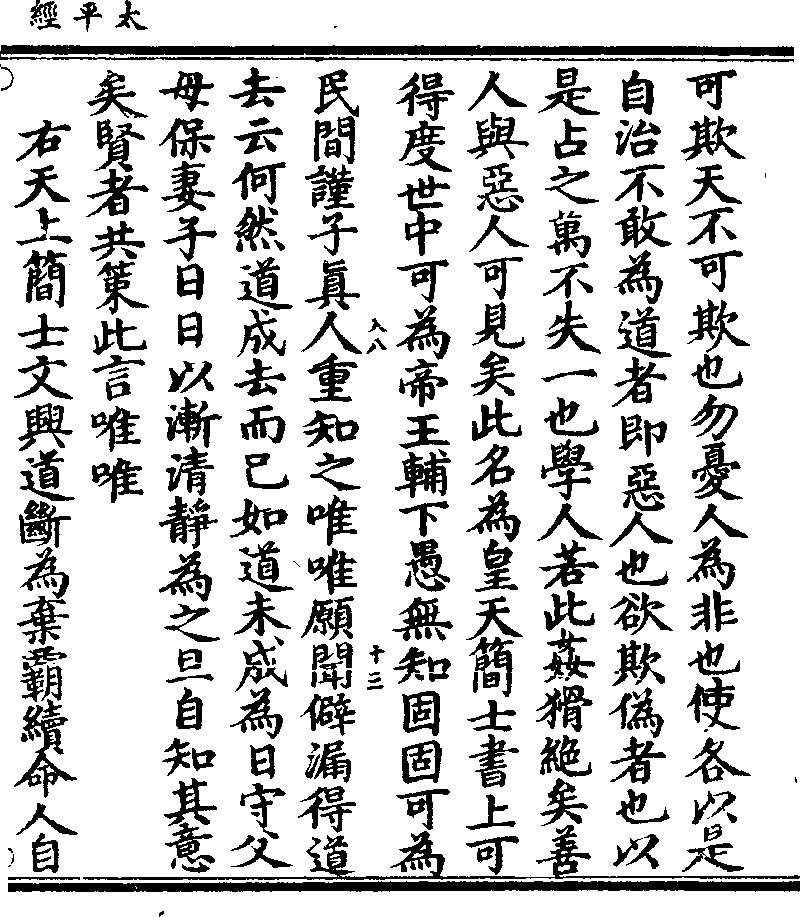
The Taiping Jing (Scripture of Great Peace)
太平經
One of the earliest scriptures of organised Taoism, a sprawling Han-dynasty text promising social and cosmic renewal through moral reform, healing, and alignment with the Dao — later drawn on by the millenarian Yellow Turban movement.
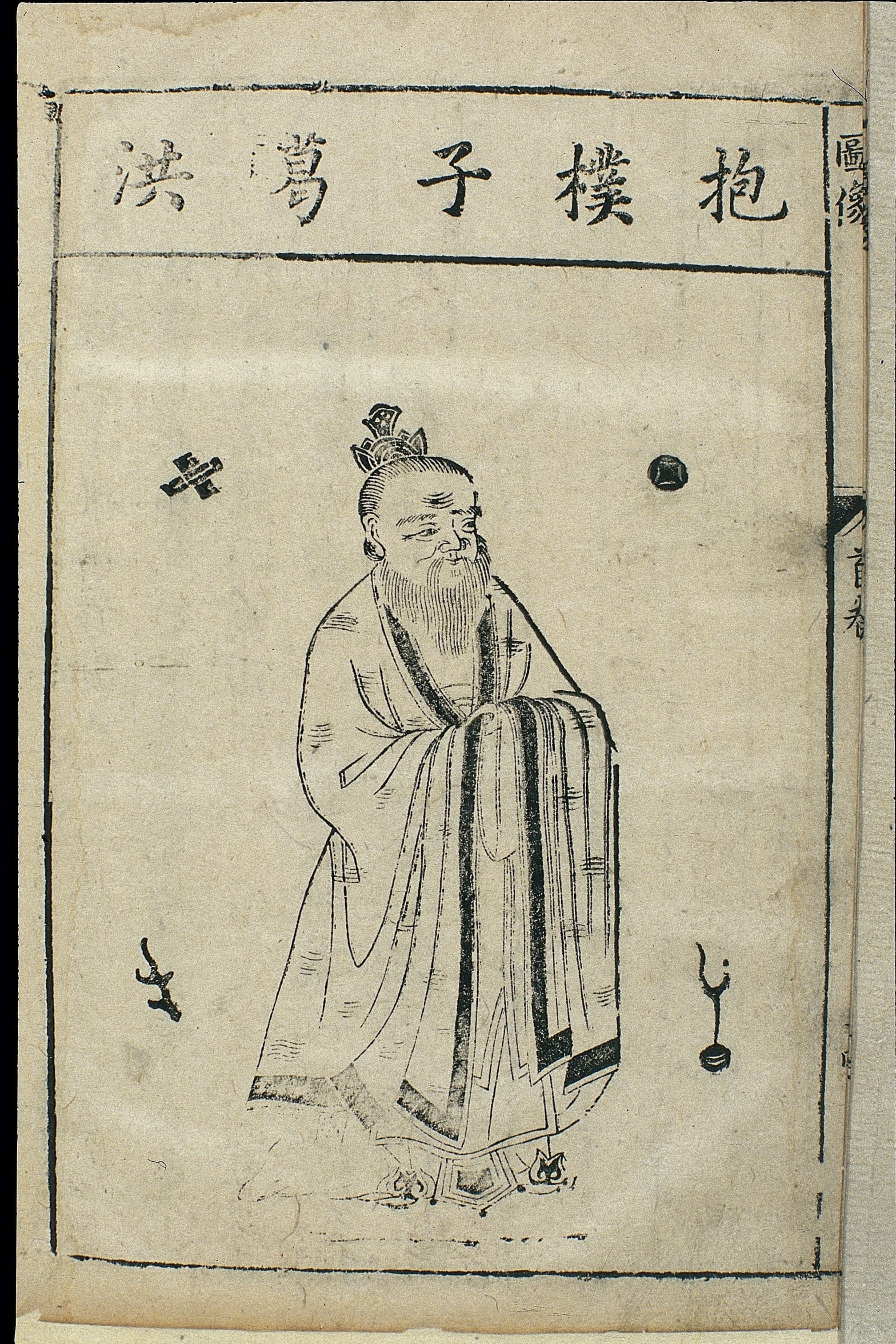
The Baopuzi
抱朴子
A 4th-century compendium by the scholar-alchemist Ge Hong, split between esoteric methods for attaining immortality and conventional essays on ethics and statecraft — one of the richest surviving windows into early Chinese alchemy.
The Daozang (Taoist Canon)
道藏
The compiled scriptural canon of Taoism — some 1,400 or more texts spanning scripture, commentary, ritual manual, and treatise, assembled and repeatedly re-edited across more than a millennium of imperial patronage.
The Zhen'gao (Declarations of the Perfected)
真誥
A 6th-century compilation of the visionary revelations received by the medium Yang Xi in the 4th century, foundational to the Shangqing school and one of the richest surviving records of early medieval Chinese religious life.
Concepts · 6
Core philosophical and cosmological ideas
The Dao
道
The central and famously indefinable concept of the entire tradition — the Way, the ultimate principle underlying and unifying all existence.
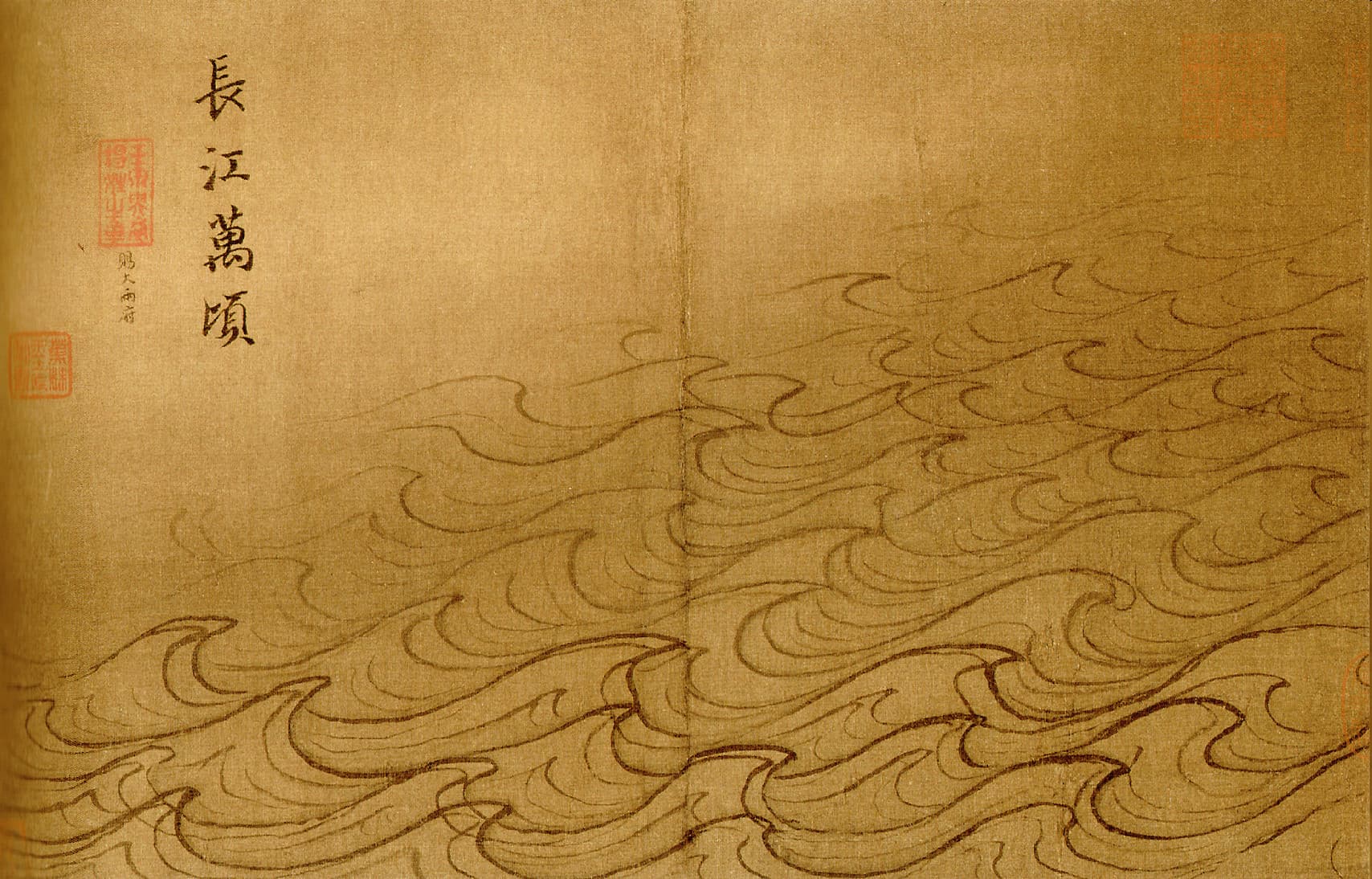
Wu Wei
無為
Effortless, non-forcing action — doing so completely in accordance with the natural grain of a situation that no visible exertion is required.
Xian (The Immortal)
仙
The transcendent being who has achieved release from ordinary death through cultivation — the central soteriological goal of religious Taoism and the aspiration behind alchemy, internal cultivation, and much of temple devotion.
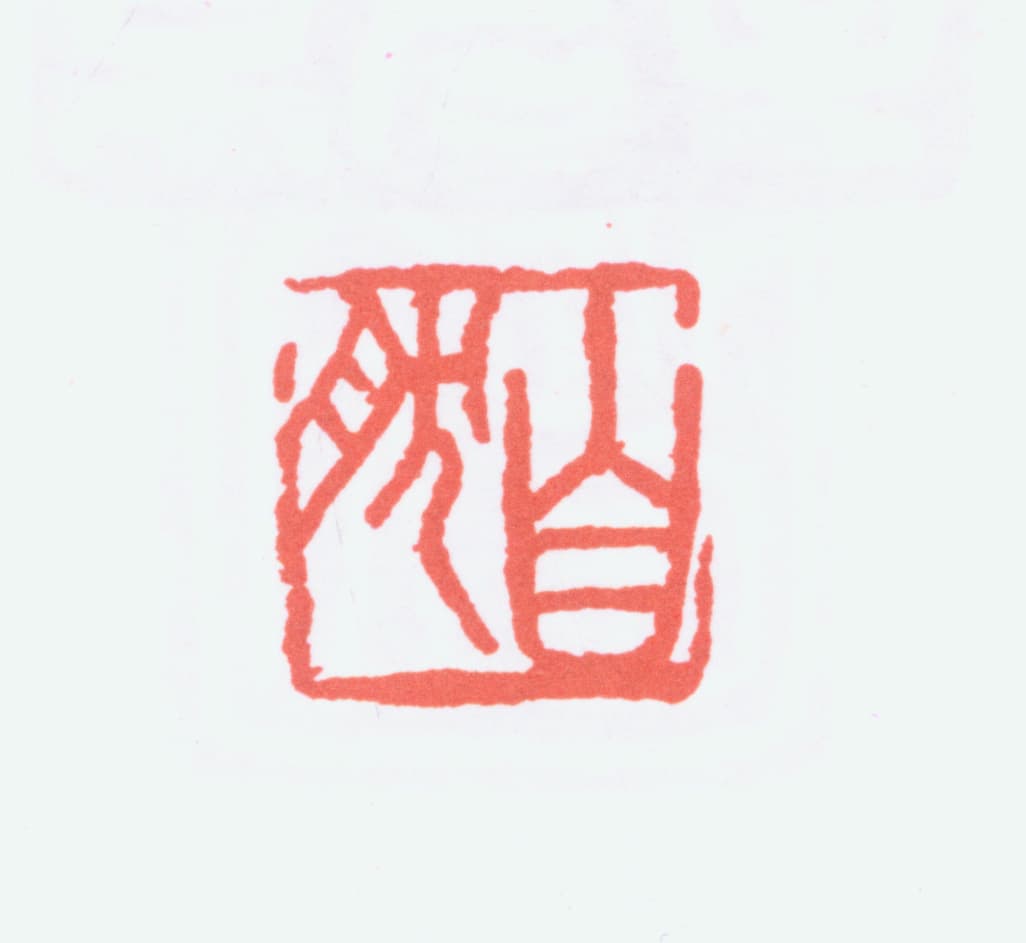
Ziran (Naturalness)
自然
Literally "self-so" — the quality of being spontaneously, uncaused, and completely itself, which the Daodejing names as what even the Dao itself follows, and which wu wei practice aims to bring a person into alignment with.
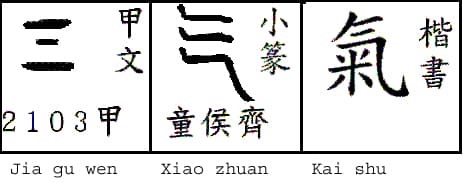
Qi (Vital Energy)
氣
The vital energy or breath understood as the animating substance of the body and the constitutive stuff of the cosmos alike — foundational to Chinese medicine, martial art, and nearly every form of Taoist cultivation practice.
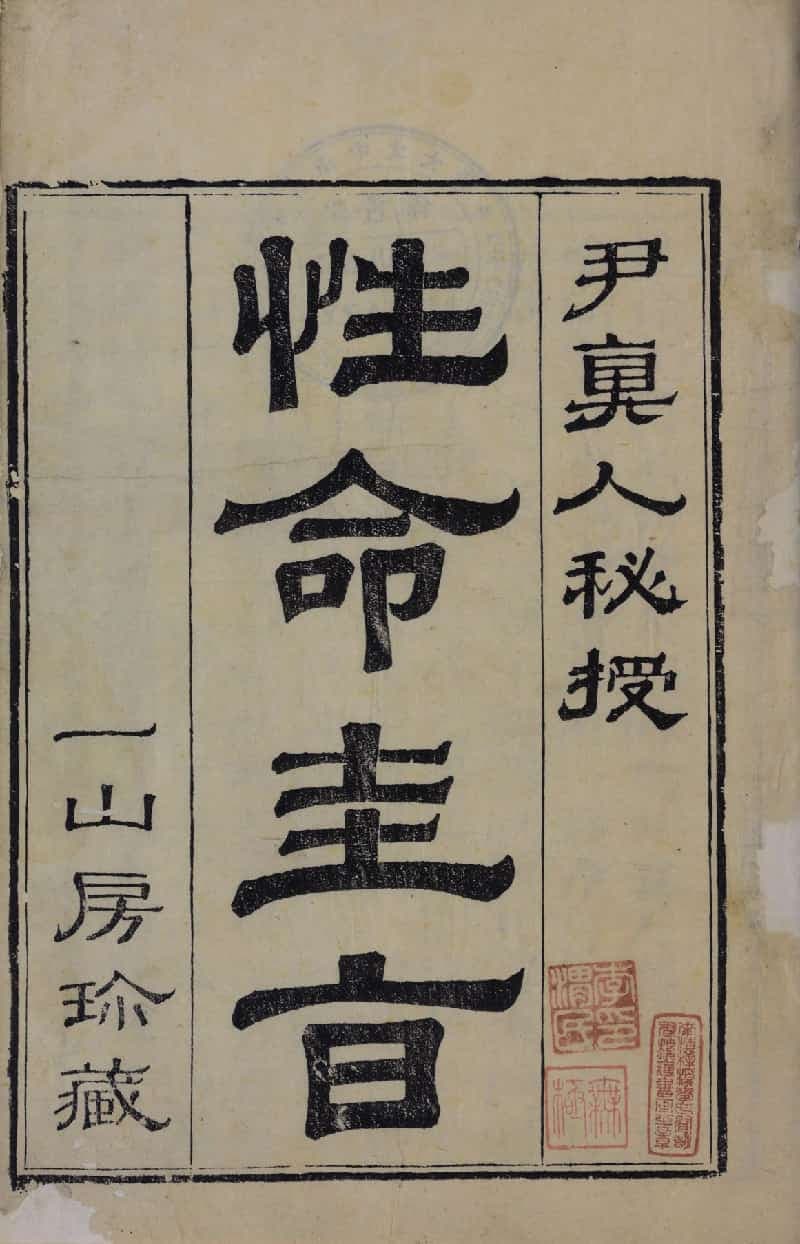
Ming and Xing (Destiny and Inner Nature)
命 / 性
A paired concept central to internal alchemy — ming, one's allotted vital destiny and physical endowment, and xing, one's innate spiritual nature — whose "dual cultivation" became a defining doctrine of the Quanzhen school.
Practices · 7
Cultivation methods, ritual, and technique
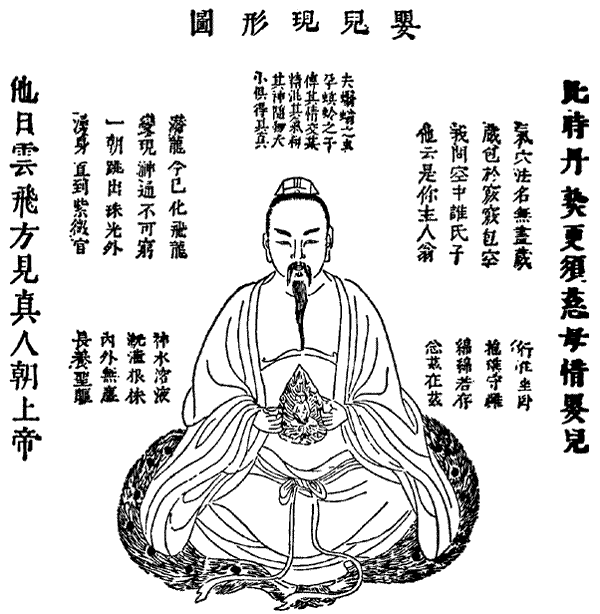
Neidan (Internal Alchemy)
內丹
A system of meditative cultivation that reimagines the body itself as an alchemical furnace, refining vital energies toward the goal of spiritual immortality.
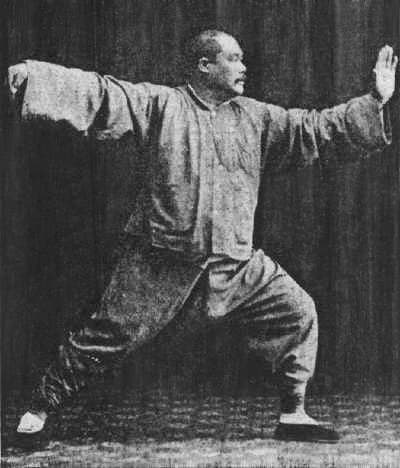
Qigong and Taijiquan
氣功 / 太極拳
Physical cultivation practices — breath and movement work (qigong) and the soft internal martial art taijiquan — that translate Taoist energetic cosmology into embodied daily practice.
Fu (Talismans)
符
Sacred talismans — written in a stylised script and empowered through ritual — used across Taoist practice for protection, healing, exorcism, and communication with spirits.
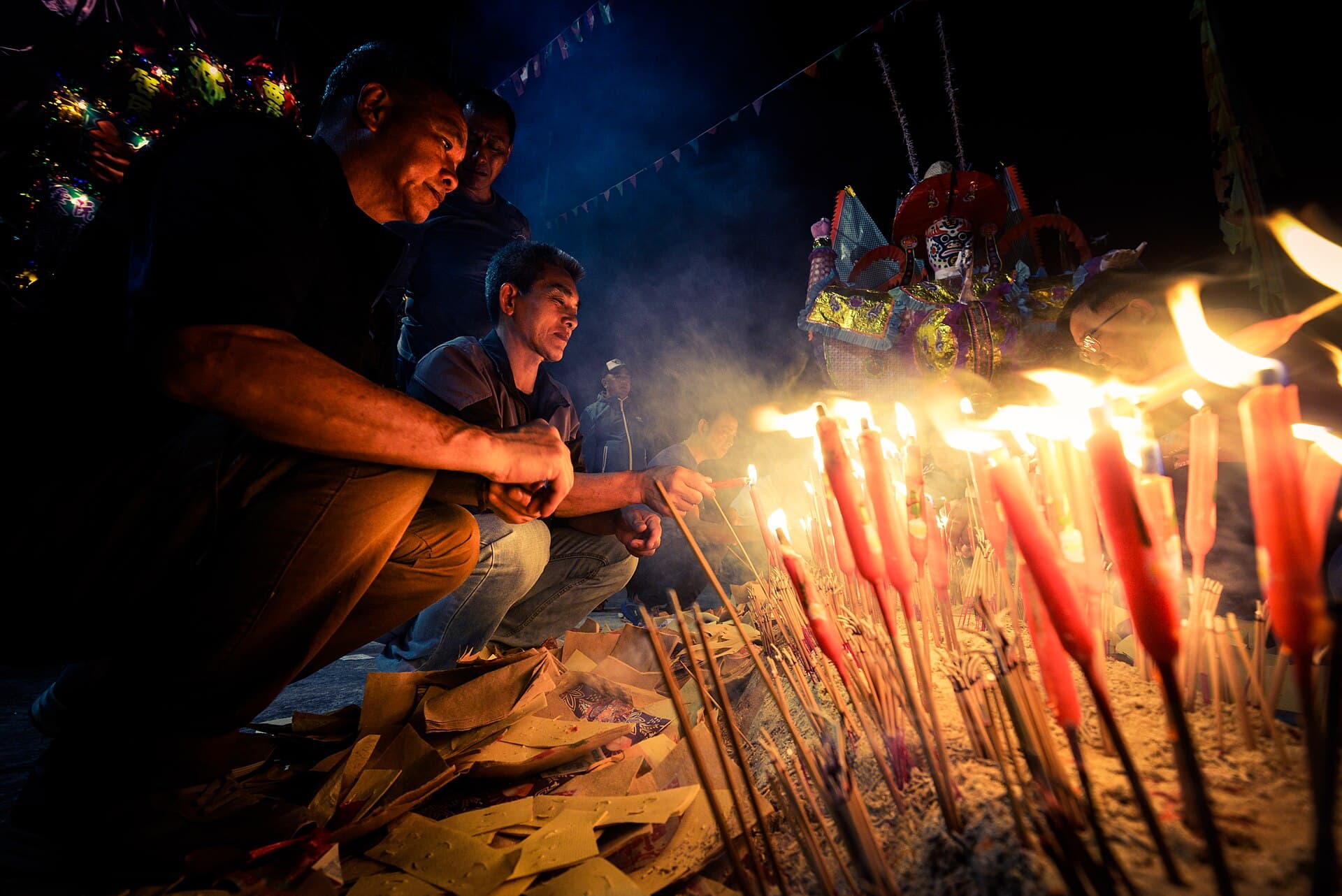
Zhai and Jiao (Purification Retreats and Offering Rituals)
齋 / 醮
The two great categories of large-scale communal Taoist ritual — zhai, purification retreats that prepare a community through fasting and confession, and jiao, cosmic renewal offerings performed on their behalf — that remain the backbone of Taoist public liturgy today.
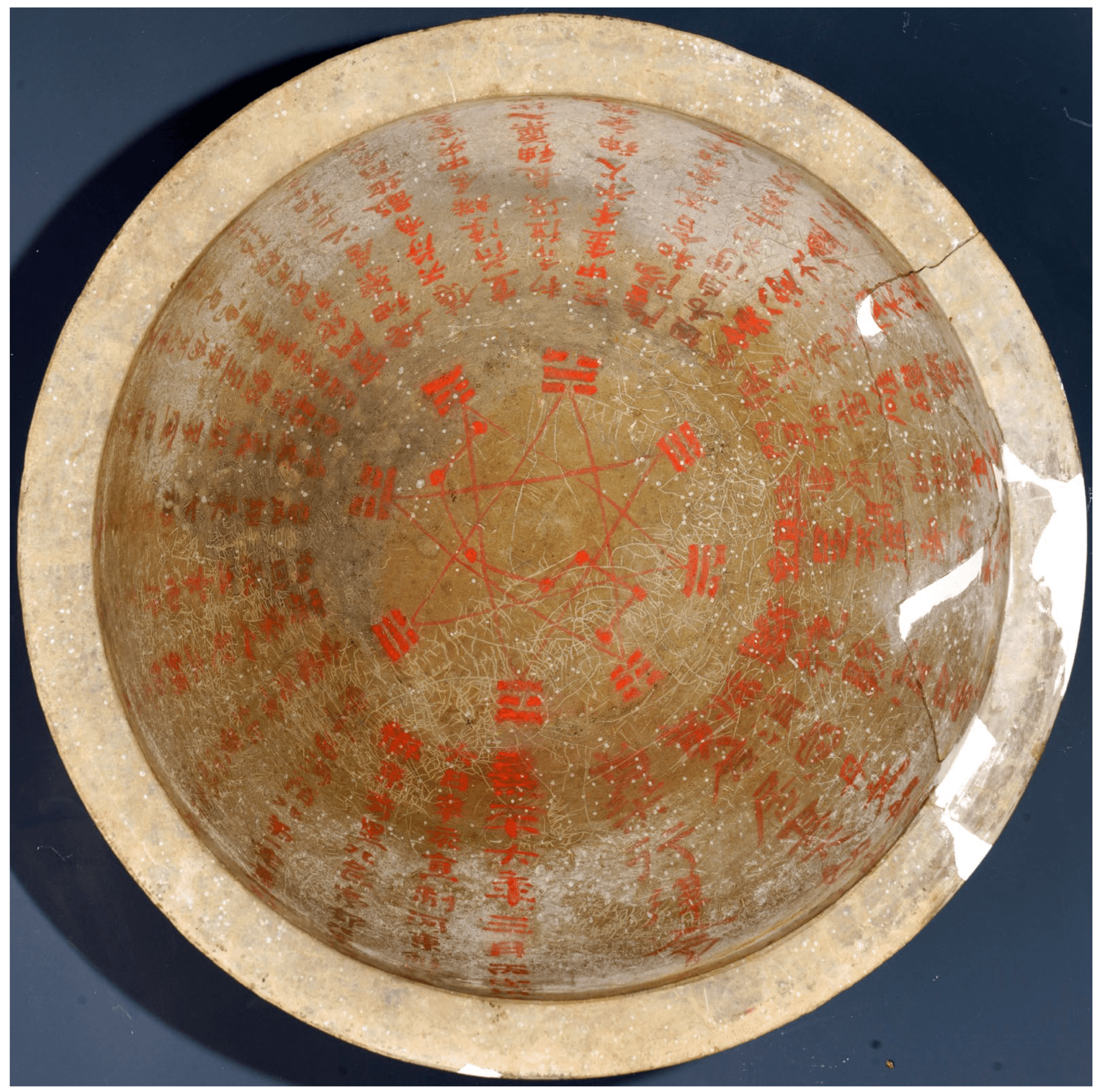
Feng Shui (Geomancy)
風水
The practice of siting buildings, tombs, and cities according to the flow of qi through landscape and space — a discipline rooted in yin-yang and Five Phase cosmology that shaped Chinese architecture and urban planning for millennia.
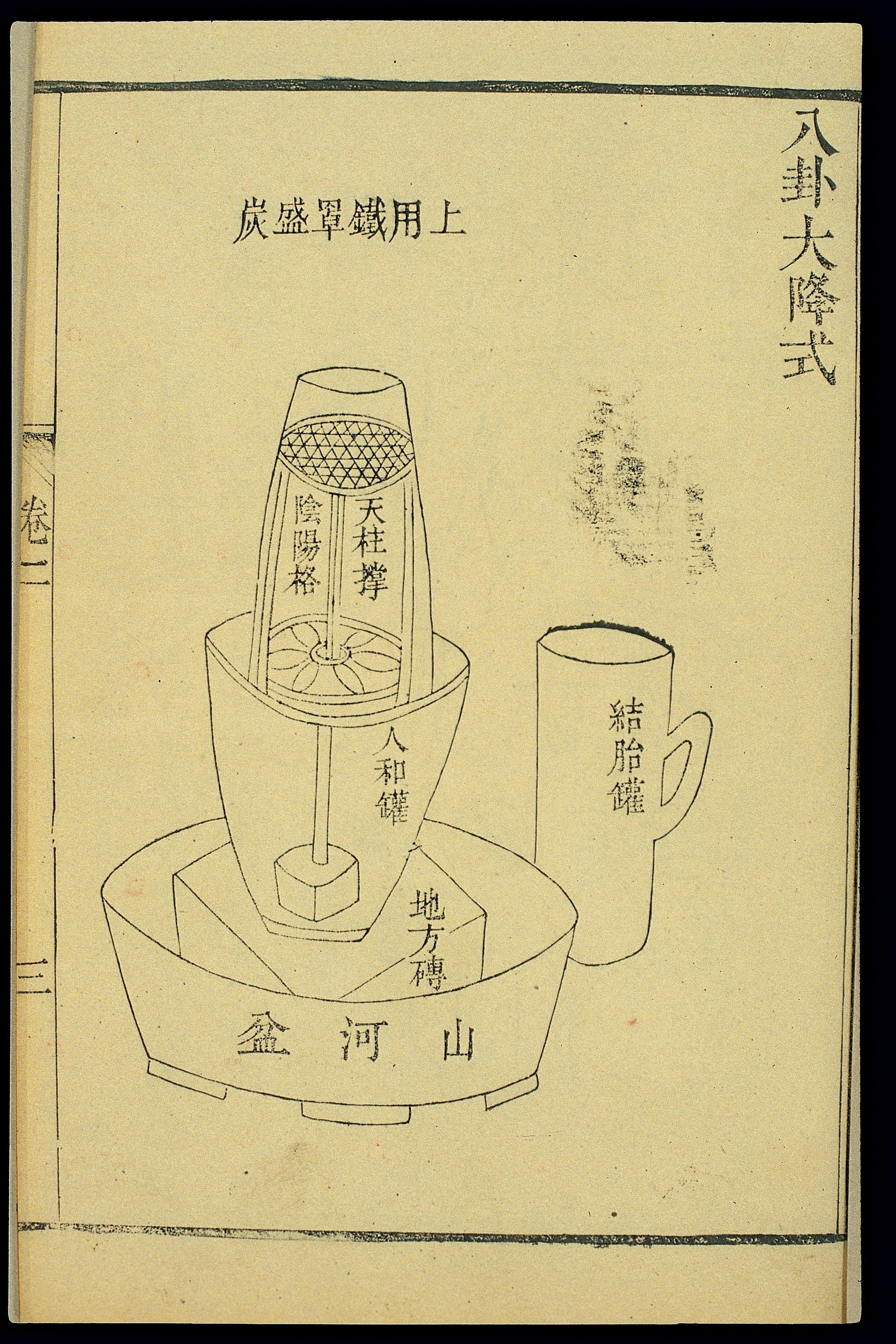
Waidan (External Alchemy)
外丹
The older tradition of laboratory alchemy that sought physical immortality through compounded mineral and metallic elixirs — a historically consequential and often dangerous practice that internal alchemy (neidan) later displaced.
Bigu (Grain Avoidance)
辟穀
A historical ascetic dietary discipline of abstaining from grains, practised by immortality-seeking adepts on the belief that grain consumption sustains hostile spirits within the body that hasten death.
Cosmology · 5
The structure of the Taoist universe
Yin and Yang
陰陽
The foundational polarity of Chinese cosmology — two complementary, interdependent forces (dark/light, receptive/active, earth/heaven) whose interaction generates all phenomena.
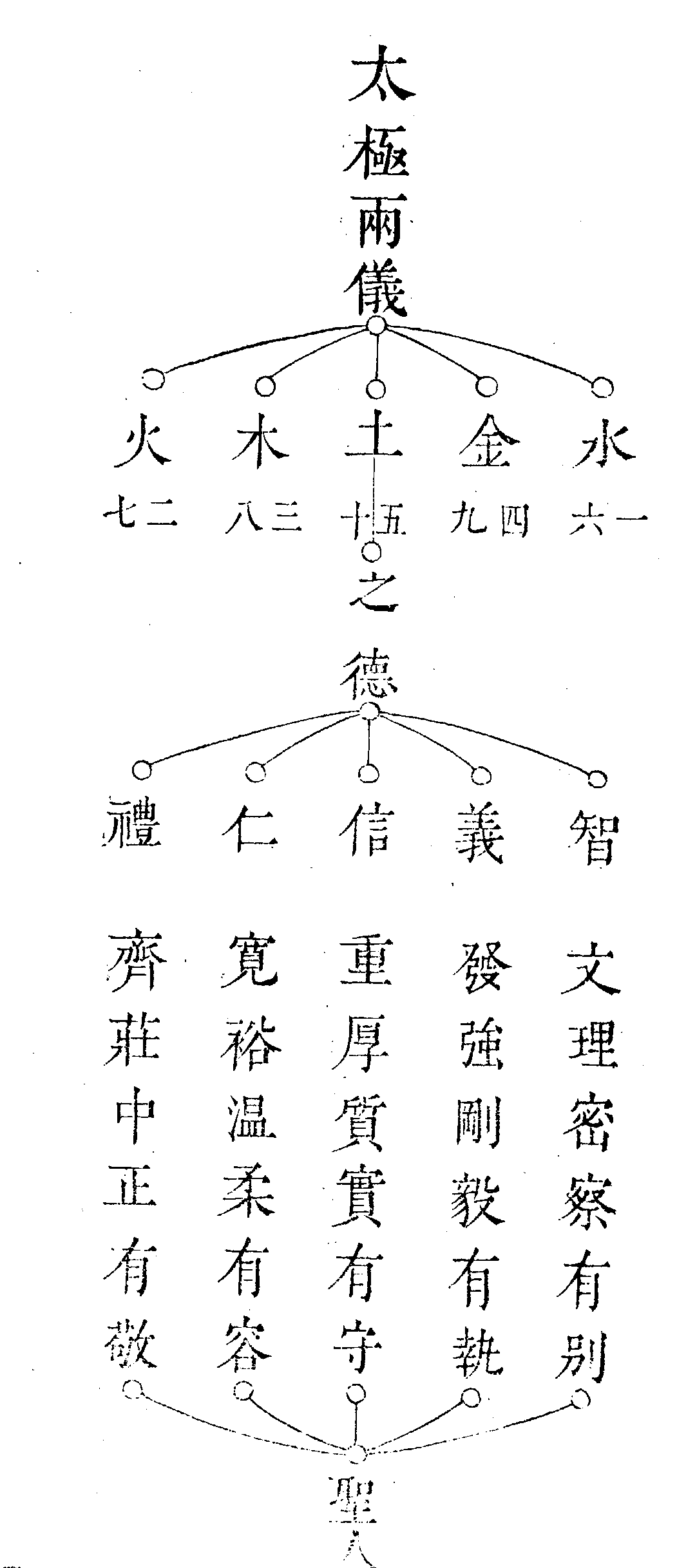
Wuxing (The Five Phases)
五行
The Five Phases (often translated "Five Elements") — Wood, Fire, Earth, Metal, and Water — a cyclical framework for classifying and relating change across nature, medicine, and time.
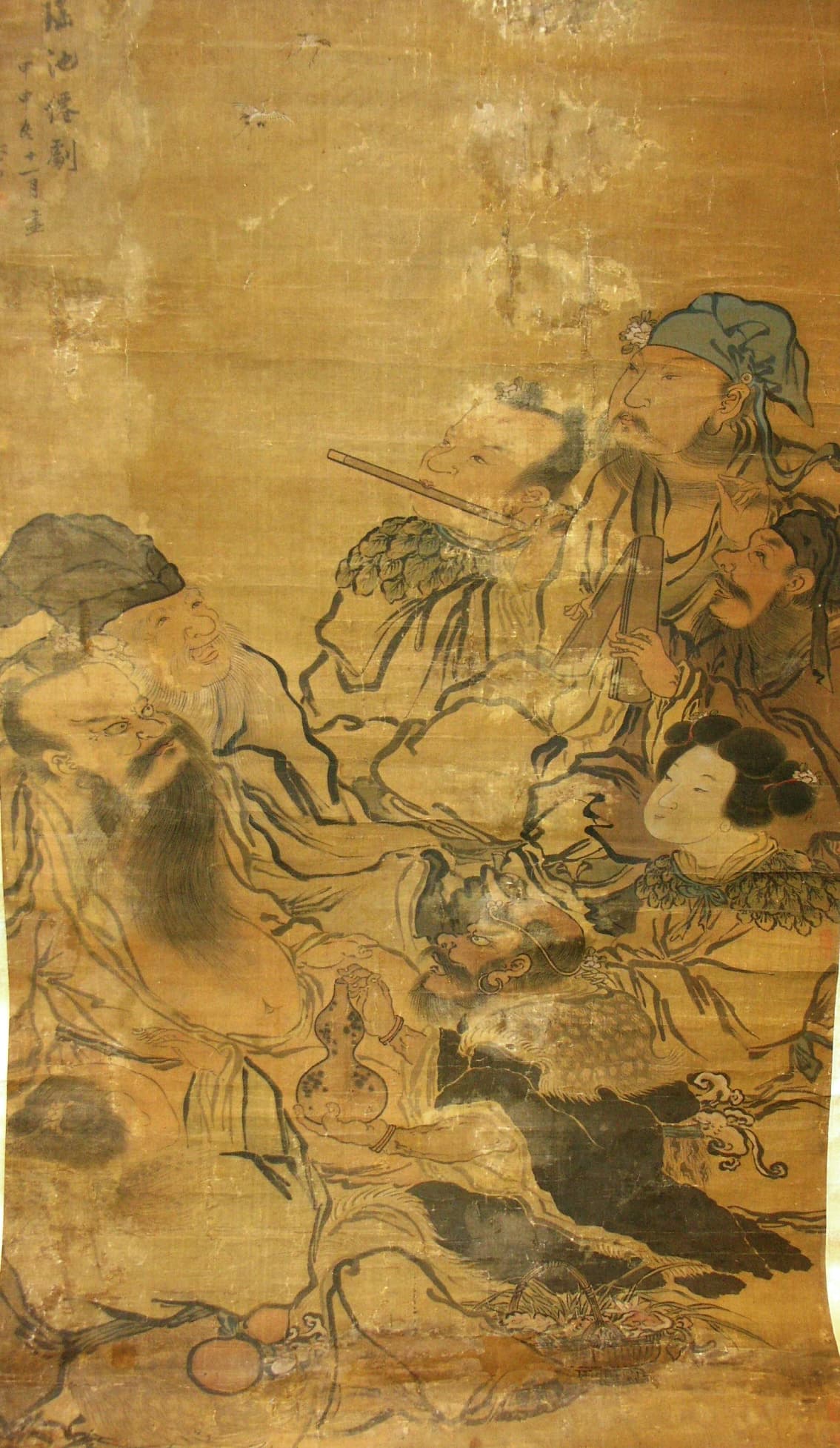
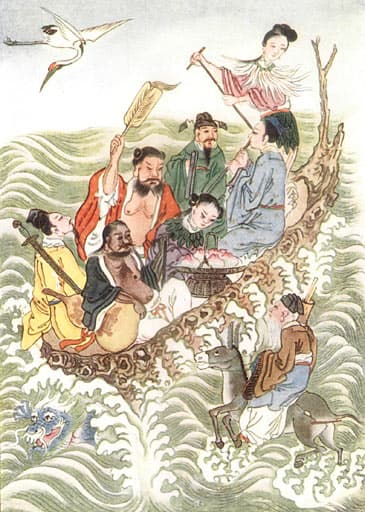
The Eight Immortals
八仙
A beloved group of eight legendary immortals — each an ordinary or flawed person who attained the Dao — who together represent the full range of humanity: rich and poor, young and old, male and female.
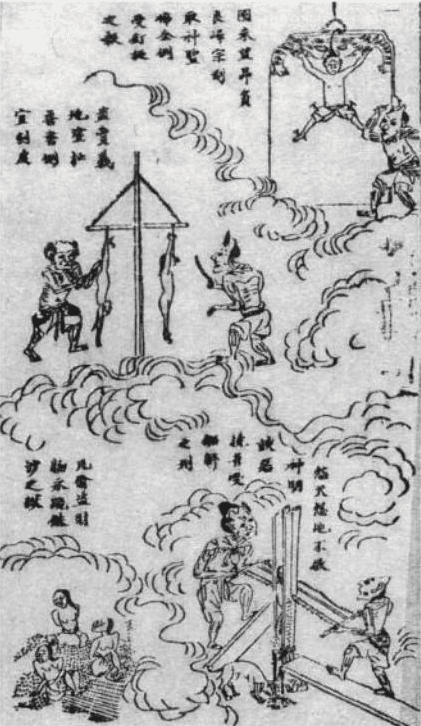
Heaven, Earth, and the Underworld
Taoist cosmology divides the universe into layered heavens, the terrestrial realm of the living, and an administered underworld for the dead — mirroring, like much of Taoist cosmology, the structure of an imperial bureaucracy.
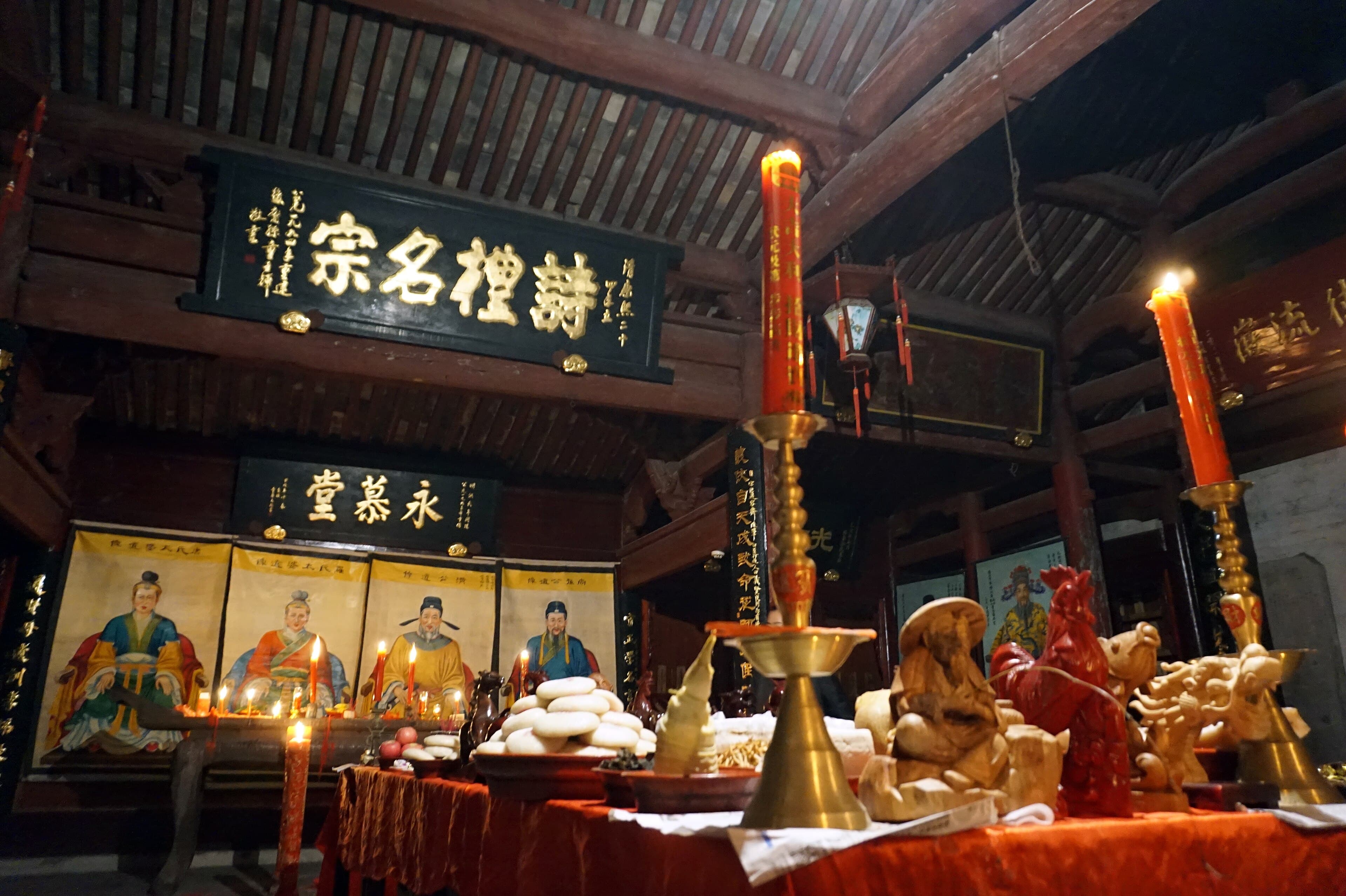
Ancestor Veneration
祖先崇拜
The veneration of deceased forebears — older than organised Taoism itself, but woven deeply into Taoist ritual, cosmology, and communal festival life.
History · 4
The tradition's development across two millennia
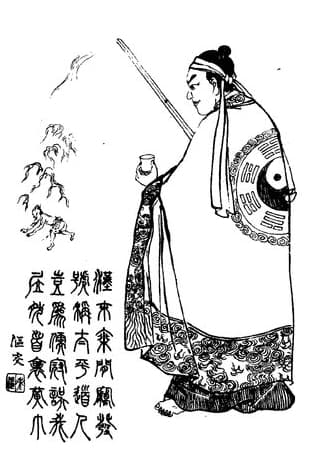
The Yellow Turban Rebellion
黃巾之亂
A mass uprising in 184 CE led by followers of the Taiping Dao movement, drawing on the Taiping Jing's vision of cosmic renewal — a major turning point in late Han history and an early instance of a religious movement intersecting with large-scale political upheaval.
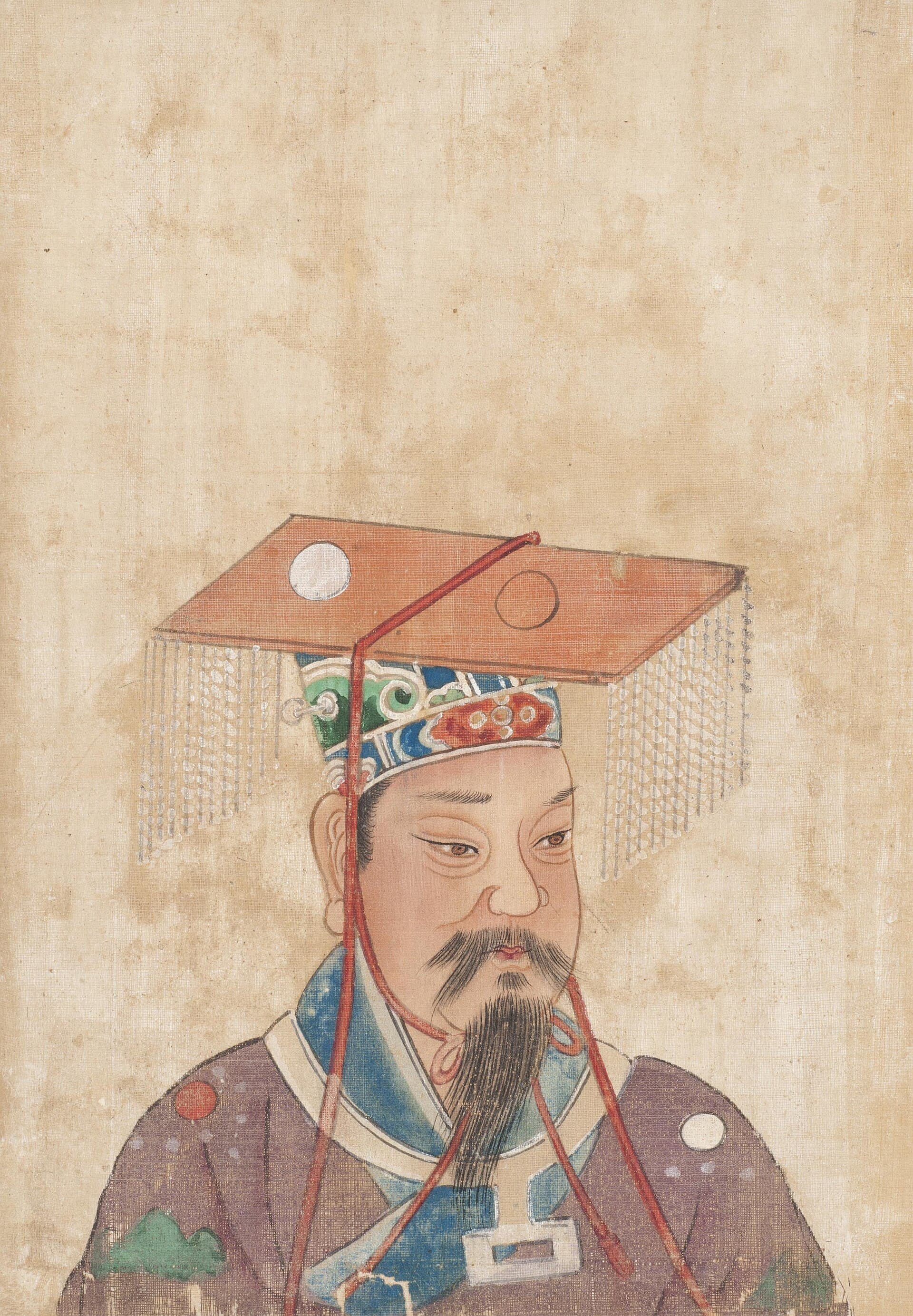
Huang-Lao Thought
黃老
An early Han-dynasty current of thought fusing the mythic Yellow Emperor (Huangdi) with the teaching of Laozi into a school of statecraft built on minimal governmental intervention — briefly the favoured ideology of the early Han court and an important bridge between Warring States philosophy and later religious Taoism.
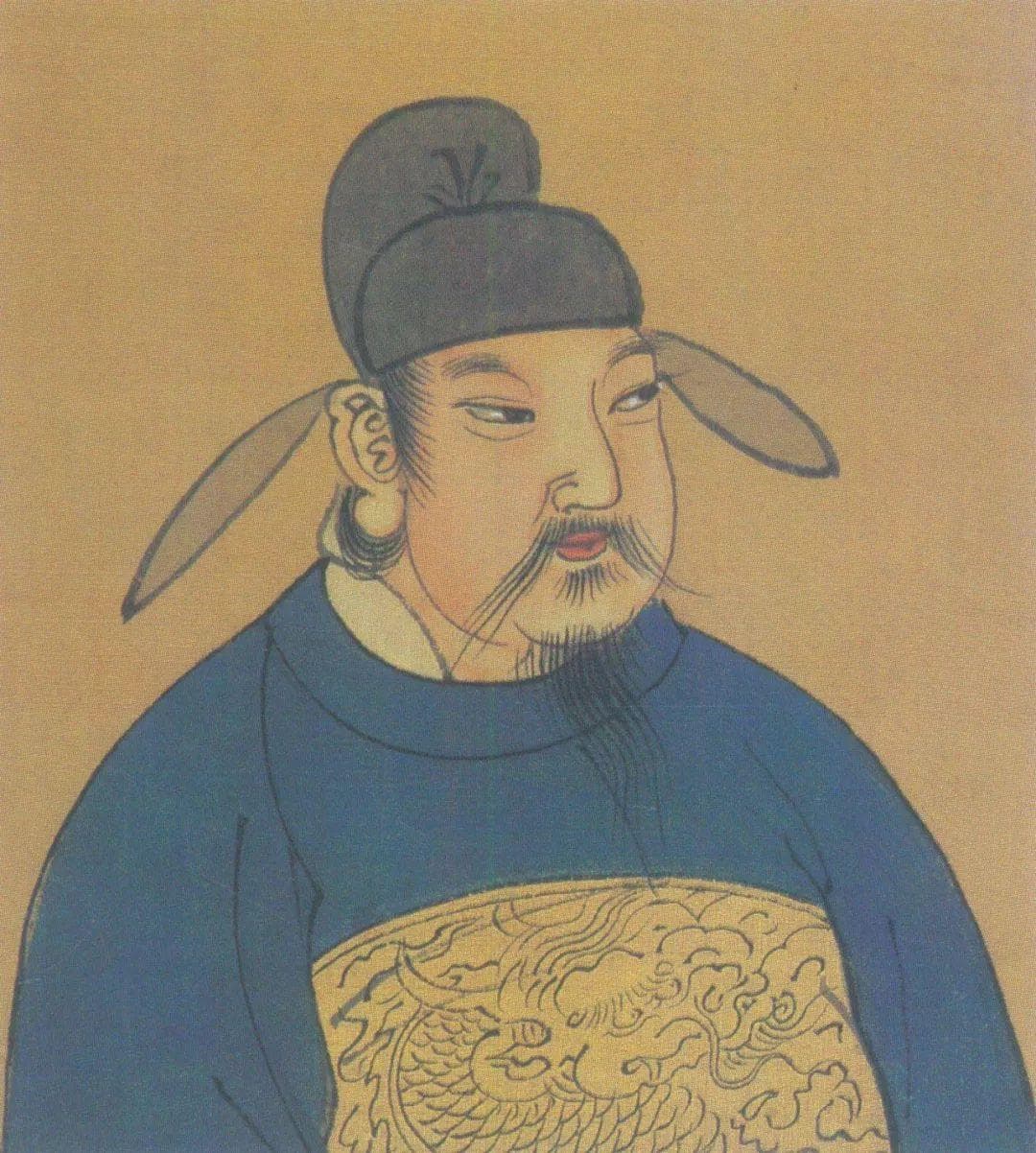
Taoism Under the Tang Dynasty
The Tang imperial house, claiming descent from Laozi, gave Taoism its greatest era of state patronage — commissioning the first compiled Taoist canon and elevating the religion to unprecedented official status across the empire.
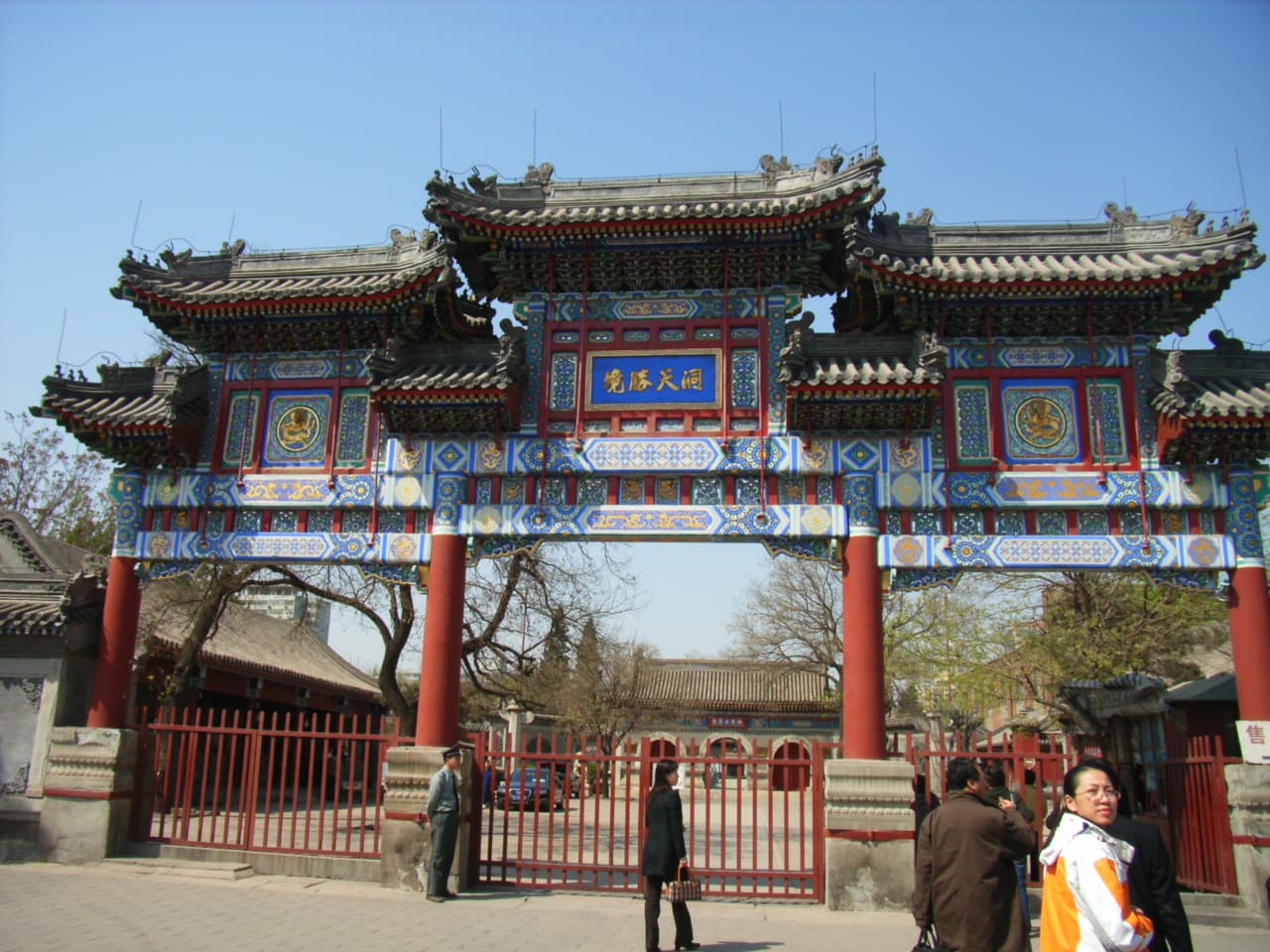
The China Taoist Association
中国道教协会
The national organisation representing Taoist clergy and temples in mainland China, founded in Beijing in 1957 and headquartered at White Cloud Temple — the modern institutional structure through which contemporary Chinese Taoism is organised.