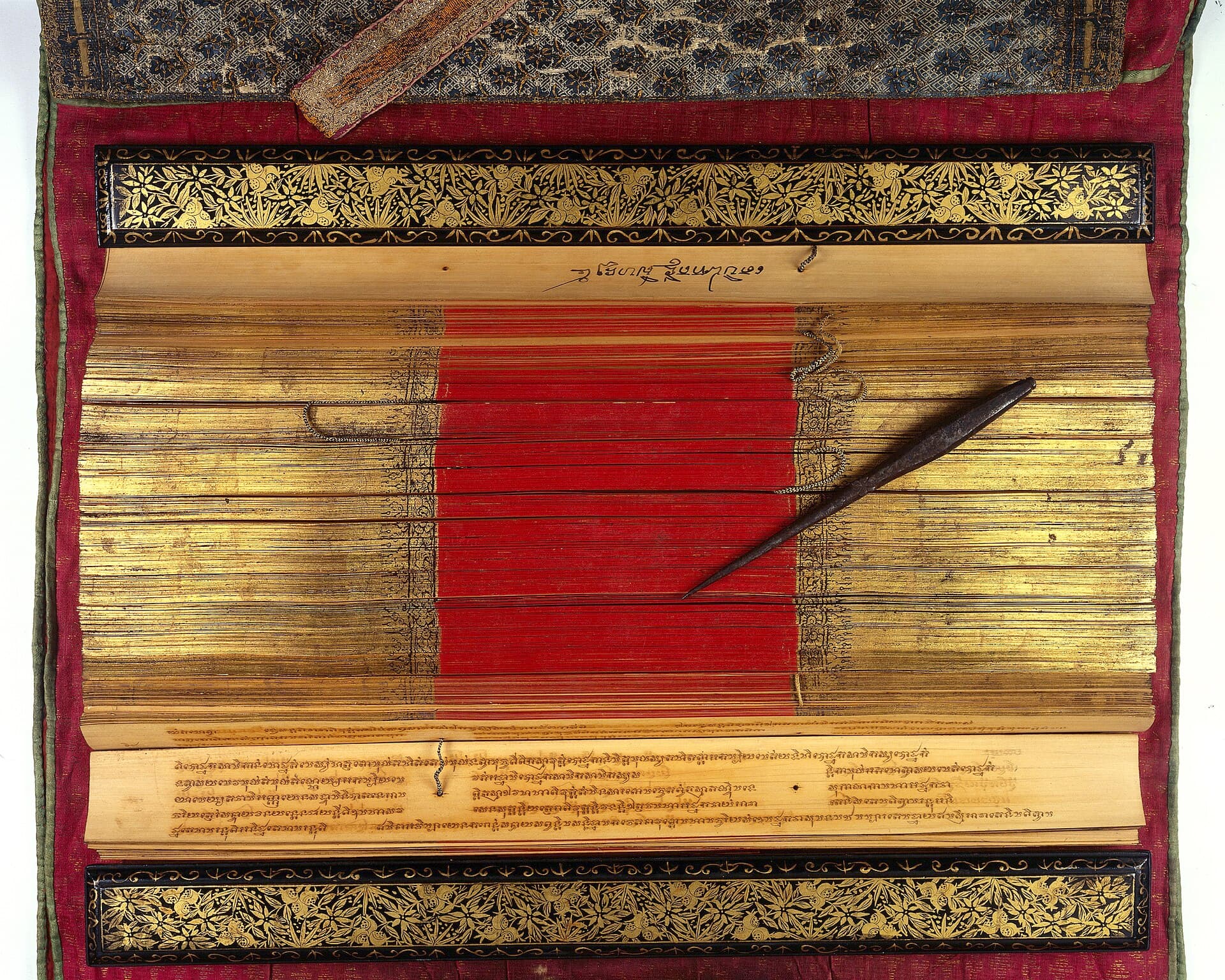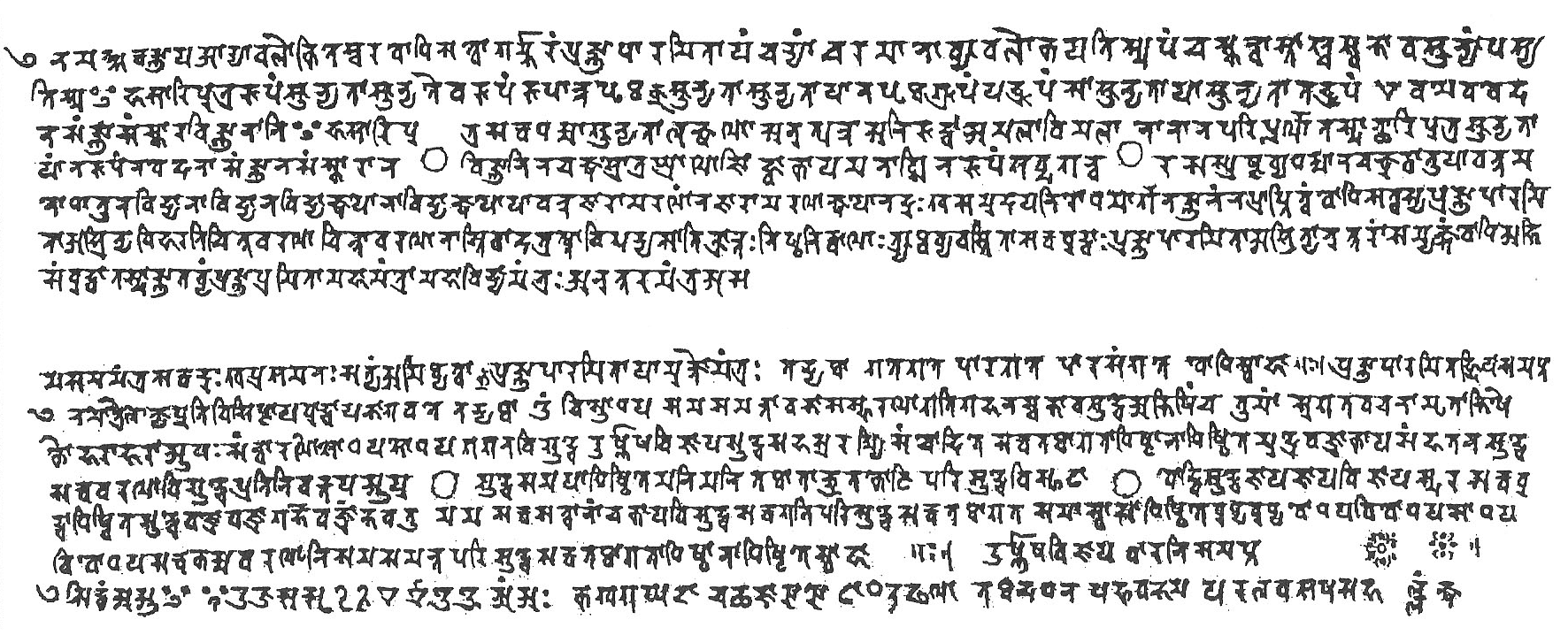
The Heart of the Perfection of Wisdom — Prajñāpāramitā-hṛdaya in Sanskrit, Xinjing in Chinese, the Sherab Nyingpo in Tibetan — is the most chanted text in Mahayana and Vajrayana Buddhism. Recited daily in every Zen temple in Japan, every Korean Seon monastery, every Tibetan center from Boudhanath to Brooklyn, the Heart Sutra is the distilled essence of the Prajnaparamita corpus — the enormous body of Perfection of Wisdom literature that spans from the 8,000-line text (the earliest) to the 100,000-line text (the most elaborate).
The sutra takes the form of a teaching exchange. Avalokiteshvara, the bodhisattva of compassion, while practicing the deep prajñāpāramitā, sees that the five aggregates are empty of inherent existence. He addresses Sariputta: 'Form is emptiness, emptiness is form. Form is not different from emptiness, emptiness is not different from form.' He proceeds to negate the categories of the Abhidhamma: no eye, no ear, no nose, no tongue, no body, no mind; no form, no sound, no smell, no taste, no touch, no mental object; no realm of sight all the way through to no realm of mind-consciousness; no ignorance and no extinction of ignorance, no aging-and-death and no extinction of aging-and-death; no suffering, no origin, no cessation, no path; no wisdom and no attainment. Yet, the sutra continues, the bodhisattva who relies on this prajñāpāramitā has no obstructions of mind, no fear, transcends all distorted thinking, and reaches ultimate nirvana.
The sutra concludes with what is called the 'mantra of the Heart Sutra,' which Tibetan and East Asian traditions chant in Sanskrit: 'gate gate pāragate pārasaṃgate bodhi svāhā' — 'gone, gone, gone beyond, gone utterly beyond, awakening, so be it.'
The historical origin of the Heart Sutra is debated. Jan Nattier's 1992 article argued that the text was composed in China by recombining passages from the 25,000-line Perfection of Wisdom (in Kumarajiva's translation) plus added framing — making it a Chinese composition that was later translated back into Sanskrit. The Chinese ascription to Xuanzang (7th century CE) is now considered traditional rather than historical. Whatever its origin, the sutra became canonical across the Mahayana world and remains the most-recited Buddhist text.
Thich Nhat Hanh's commentary 'The Heart of Understanding' (1988) and Red Pine's 'The Heart Sutra' (2004) are the most accessible English commentaries. Donald Lopez's 'Elaborations on Emptiness' (1996) collects six Indian commentaries.