KNOWLEDGE/TEXTS/THE BODHICARYĀVATĀRA
TextsMahayana

The Bodhicaryāvatāra

Śāntideva's Way of the Bodhisattva

Śāntideva's 8th-century classic in ten chapters of verse — the most beloved Mahayana practice text on cultivating bodhicitta and walking the path of the bodhisattva.

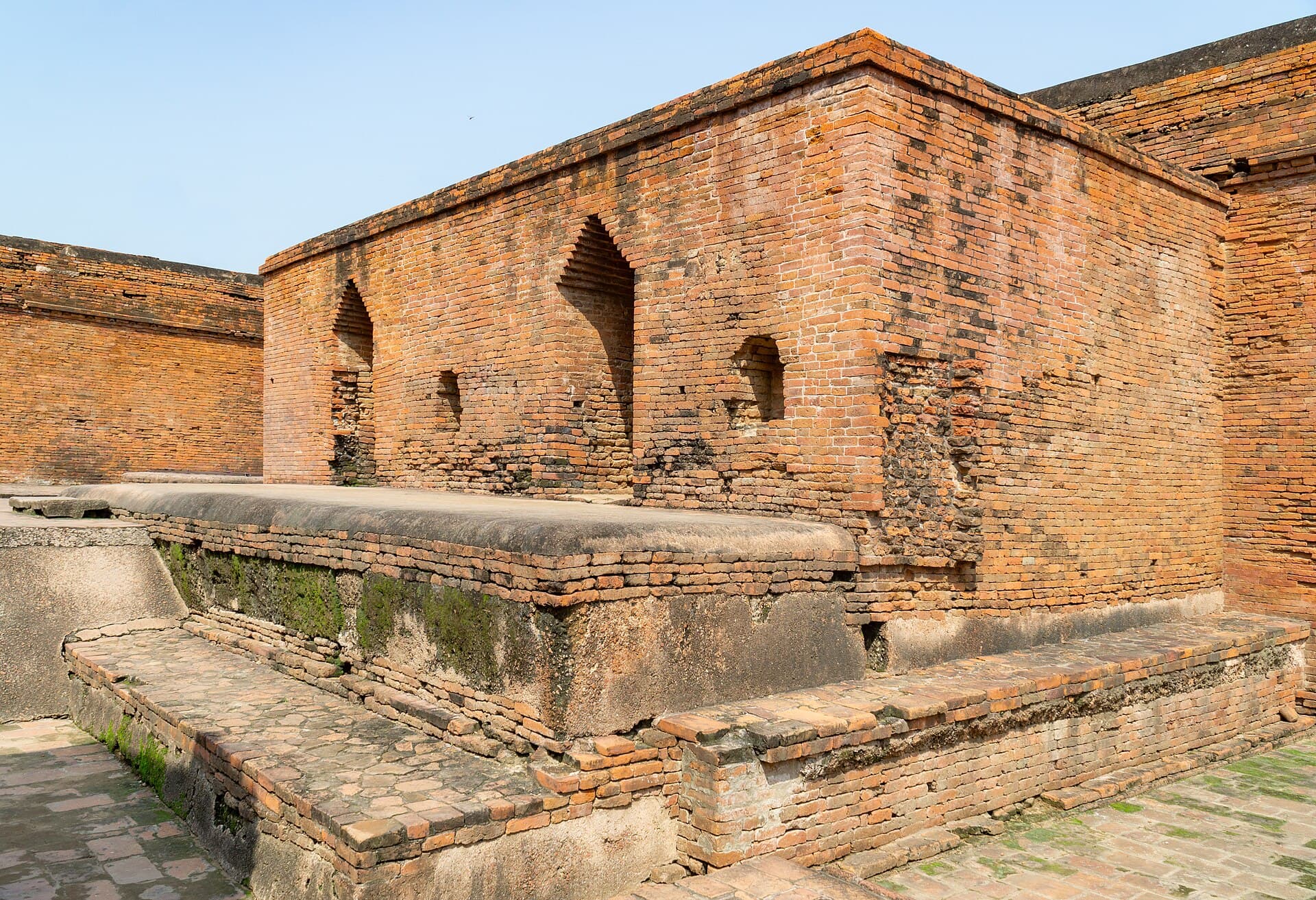
Ruins of Nalanda Mahavihara, where Śāntideva composed the Bodhicaryāvatāra
Photo: Sumitsurai, CC BY-SA 4.0, via Wikimedia Commons

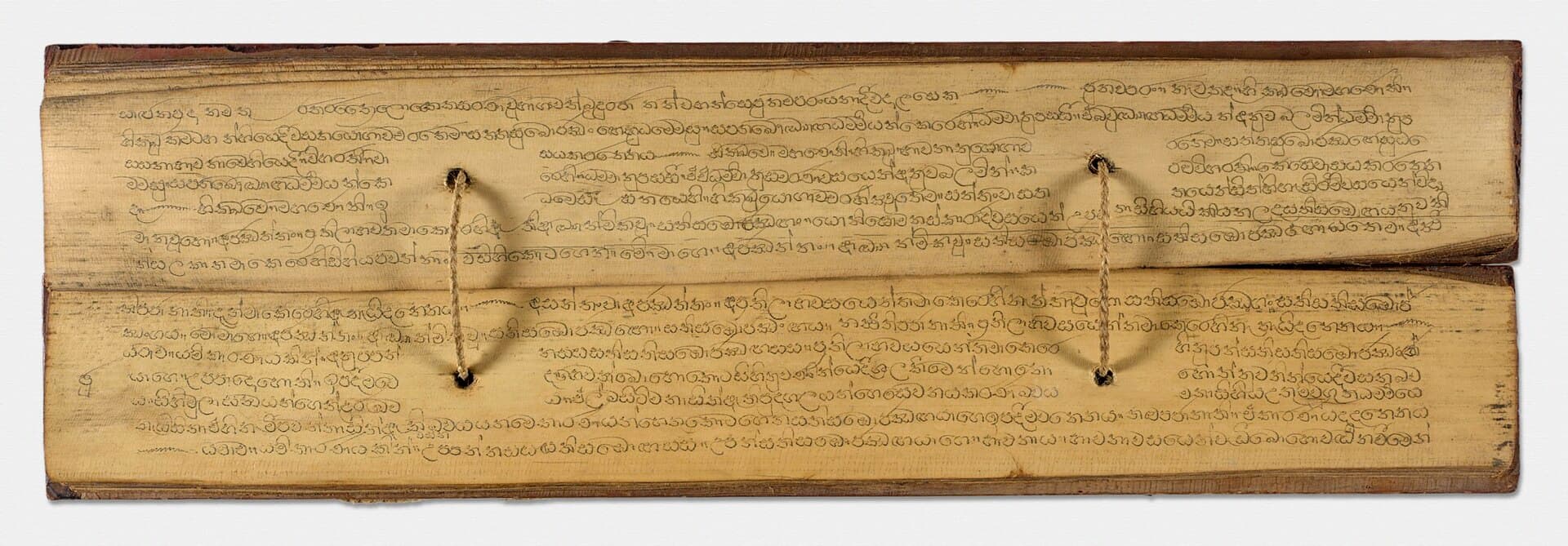
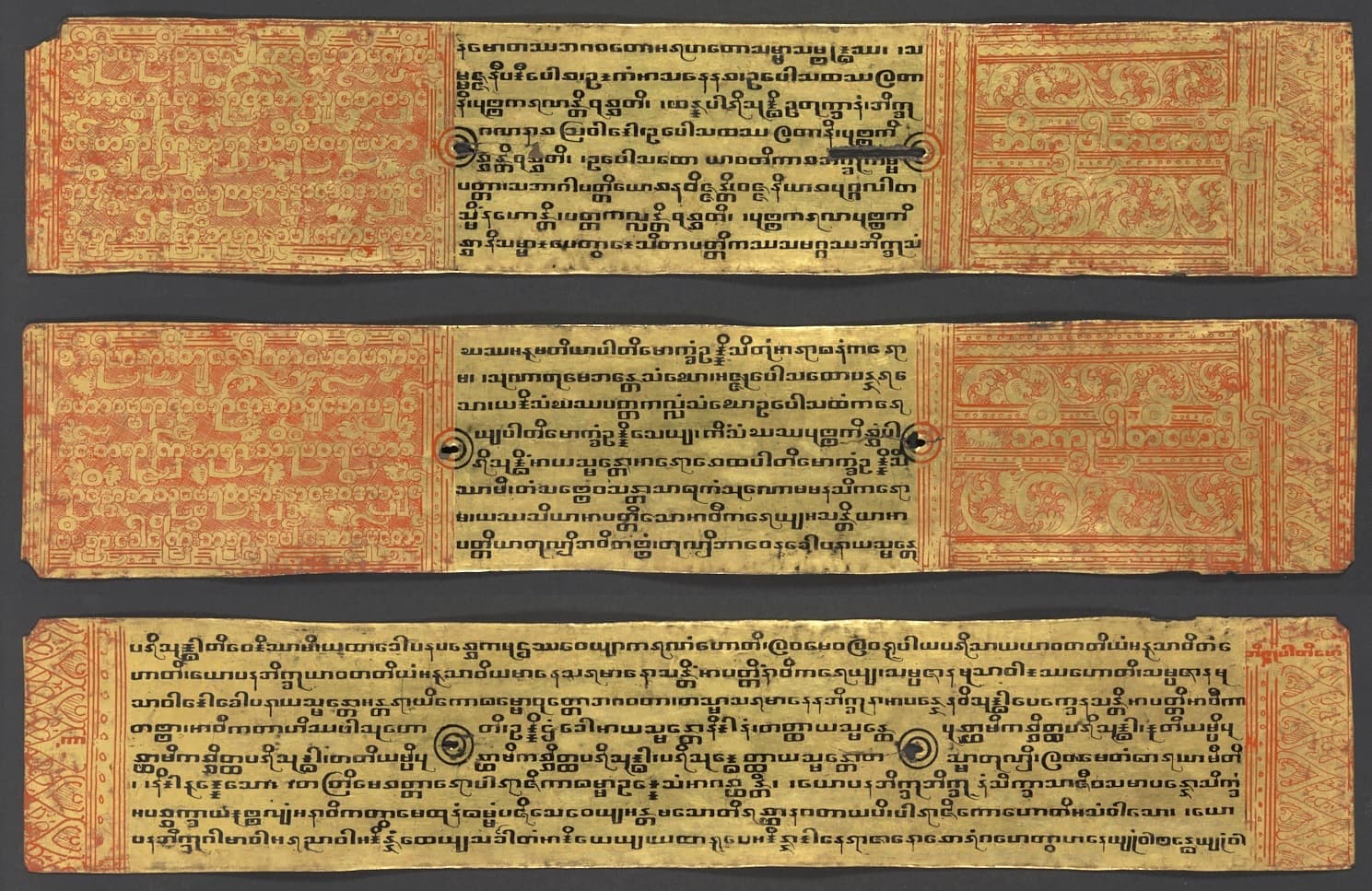
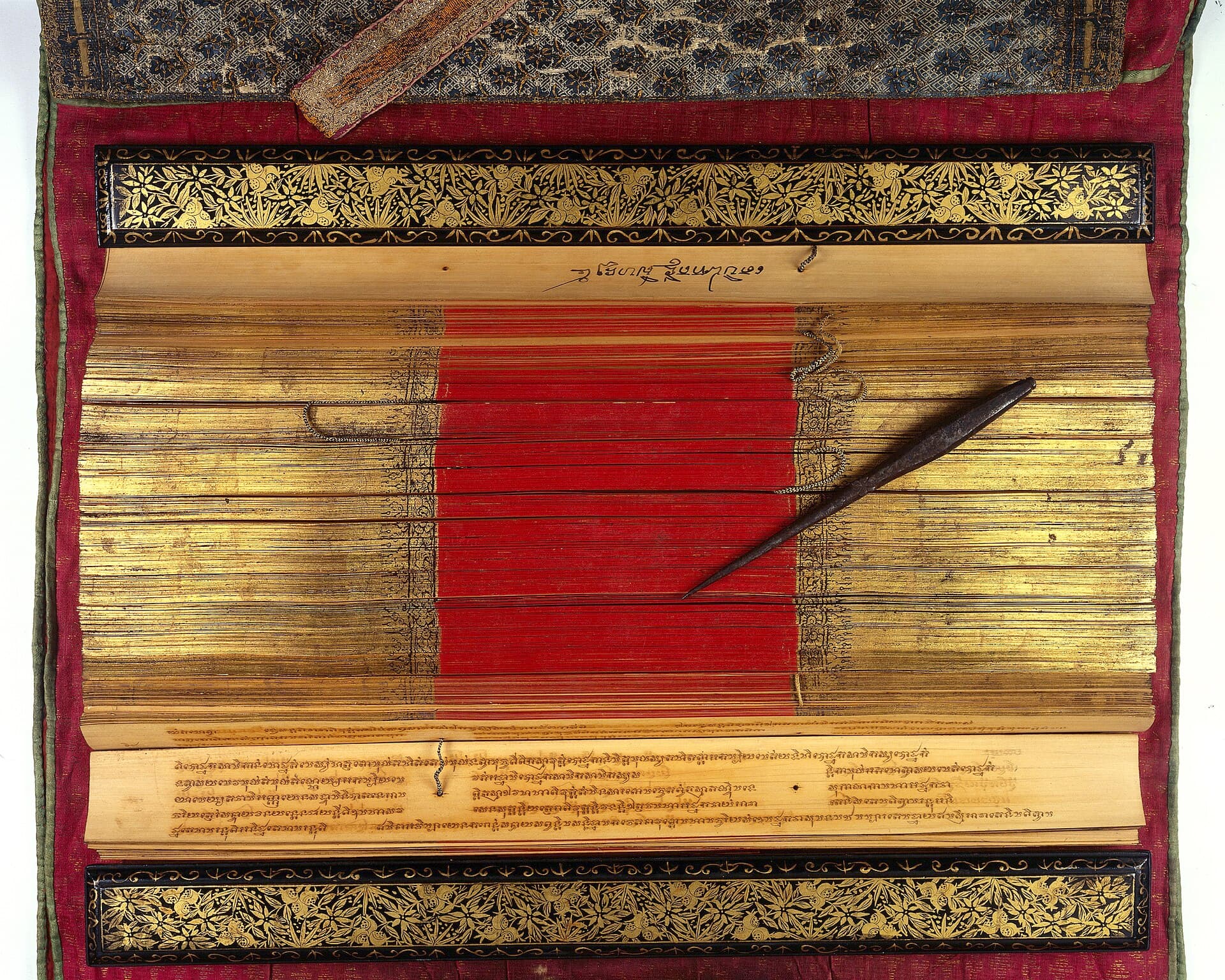
The Bodhicaryāvatāra — the 'Entering into the Conduct of Awakening' — was composed by Śāntideva, an 8th-century monk at Nalanda, in approximately 700 CE. Tradition records that Śāntideva delivered the text from memory to the assembled monks of Nalanda as a public teaching; legend adds that as he reached the ninth chapter, on emptiness, he began to rise into the air, his voice continuing while his body vanished into space. What survives is the text itself: ten chapters of pithy four-line verses, written in elegant Sanskrit, totaling around nine hundred and twelve stanzas.

The ten chapters trace the path of the bodhisattva from beginning to end. Chapter 1 praises the benefits of bodhicitta. Chapter 2 is the confession of negative karma. Chapter 3 is the 'taking up of bodhicitta' — the formal commitment to the bodhisattva path. Chapters 4 through 6 develop conscientiousness, mindfulness, and patience (kshanti — the practice of not allowing anger to arise even under provocation, perhaps the most quoted chapter of the text). Chapters 7 and 8 cover diligence and meditative concentration. Chapter 9 is the great chapter on prajñā — wisdom — Śāntideva's Madhyamaka treatise on emptiness. Chapter 10 is the dedication of merit, with which the entire text concludes: 'For as long as space remains, for as long as sentient beings remain, until then may I too remain to dispel the miseries of the world.'

The Bodhicaryāvatāra is read across the Mahayana world but it is in Tibet where it has reached its highest place. Atisha brought it from India in the 11th century. Tsongkhapa quoted it extensively, and it remains among the most heavily taught texts in the modern Tibetan curriculum. Patrul Rinpoche, the great 19th-century Nyingma master, taught the sixth chapter to nomads on the high grasslands of Kham.

The Padmakara Translation Group's 2006 edition (Shambhala) is the standard English translation. Stephen Batchelor's 1979 'A Guide to the Bodhisattva's Way of Life' (Library of Tibetan Works and Archives) is widely used. Kate Crosby and Andrew Skilton's 1995 translation (Oxford World's Classics) renders the original Sanskrit verses with scholarly precision.
Cross-reference

Related entries

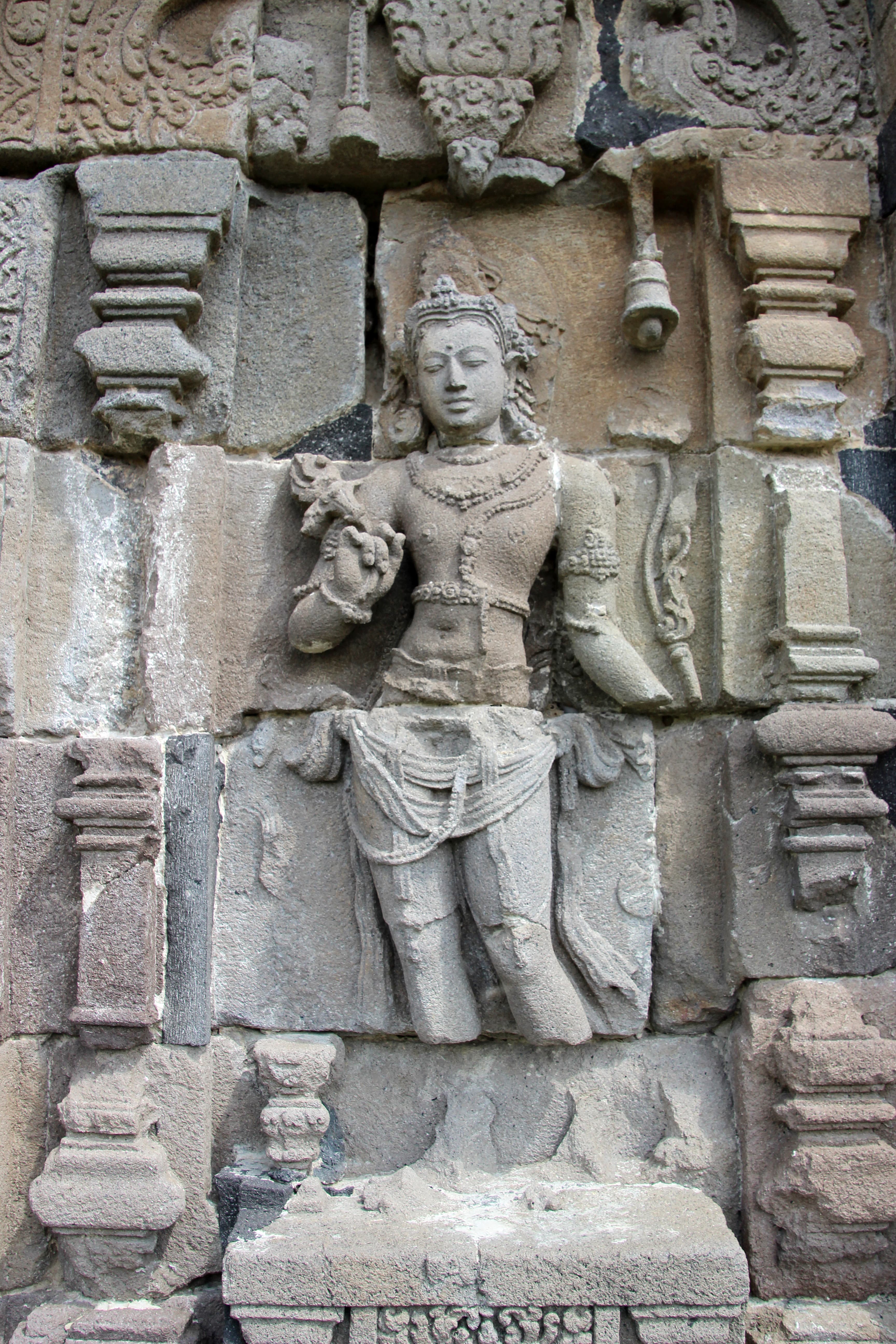
Stone relief carving of a bodhisattva on a Central Javanese temple wall
Core TeachingsMahayana

Bodhicitta

The aspiration to attain complete buddhahood for the benefit of all sentient beings — the defining commitment of the Mahayana path, and the seed from which the bodhisattva's entire activity grows.

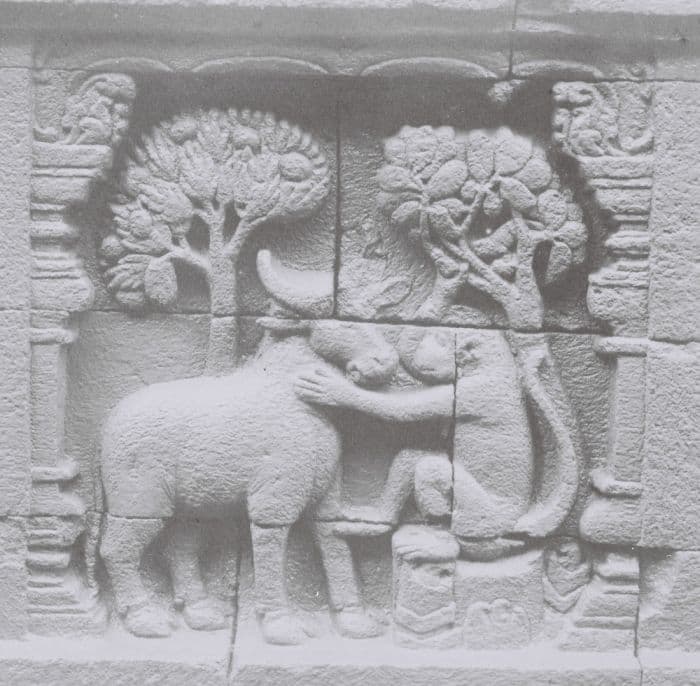
Archival photograph of a Borobudur relief panel depicting the Mahisa Jataka, a past-life tale of the Buddha illustrating the perfections
Core TeachingsMahayana

The Six Paramitas

Six perfections that the bodhisattva cultivates across countless lifetimes: generosity, ethical conduct, patience, joyous effort, meditative concentration, and wisdom. The structural curriculum of the Mahayana.

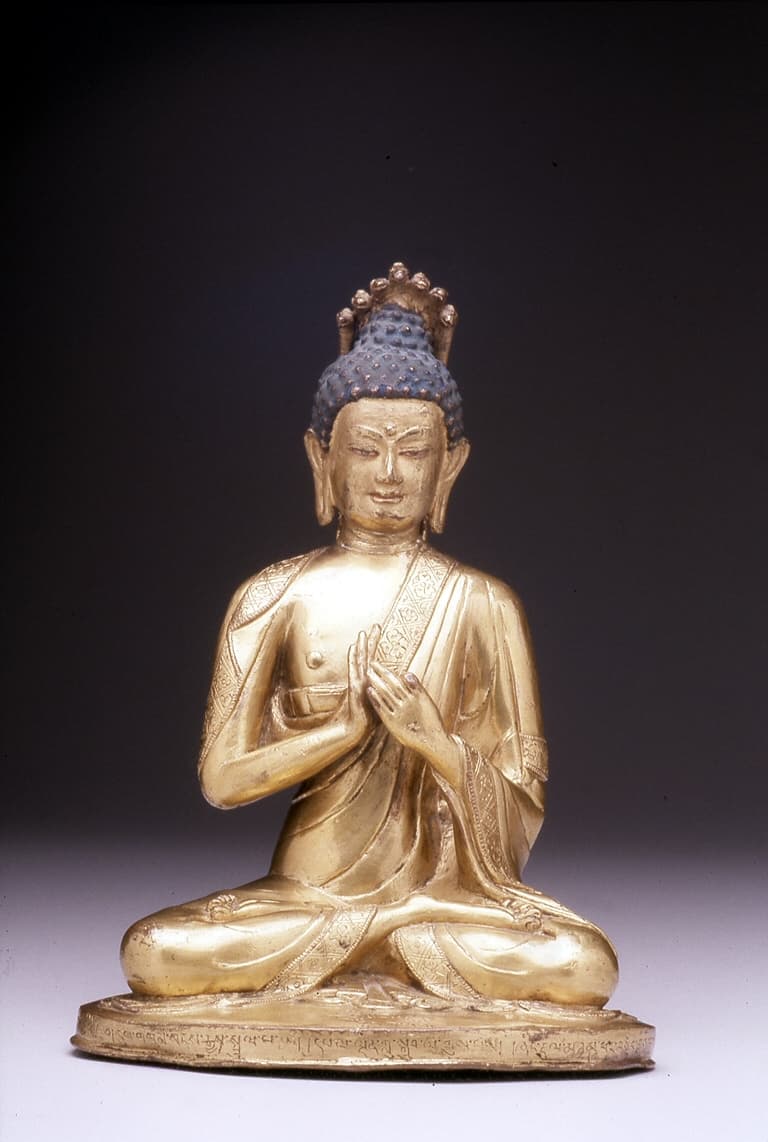
Gilt bronze image of Nāgārjuna, teacher and philosopher of emptiness
ConceptsMahayana

Sunyata

Emptiness is the absence in all phenomena of independent, intrinsic existence. It is not nothingness but the positive recognition that everything arises in dependence on other things — the deepest reading of the Buddha's teaching.

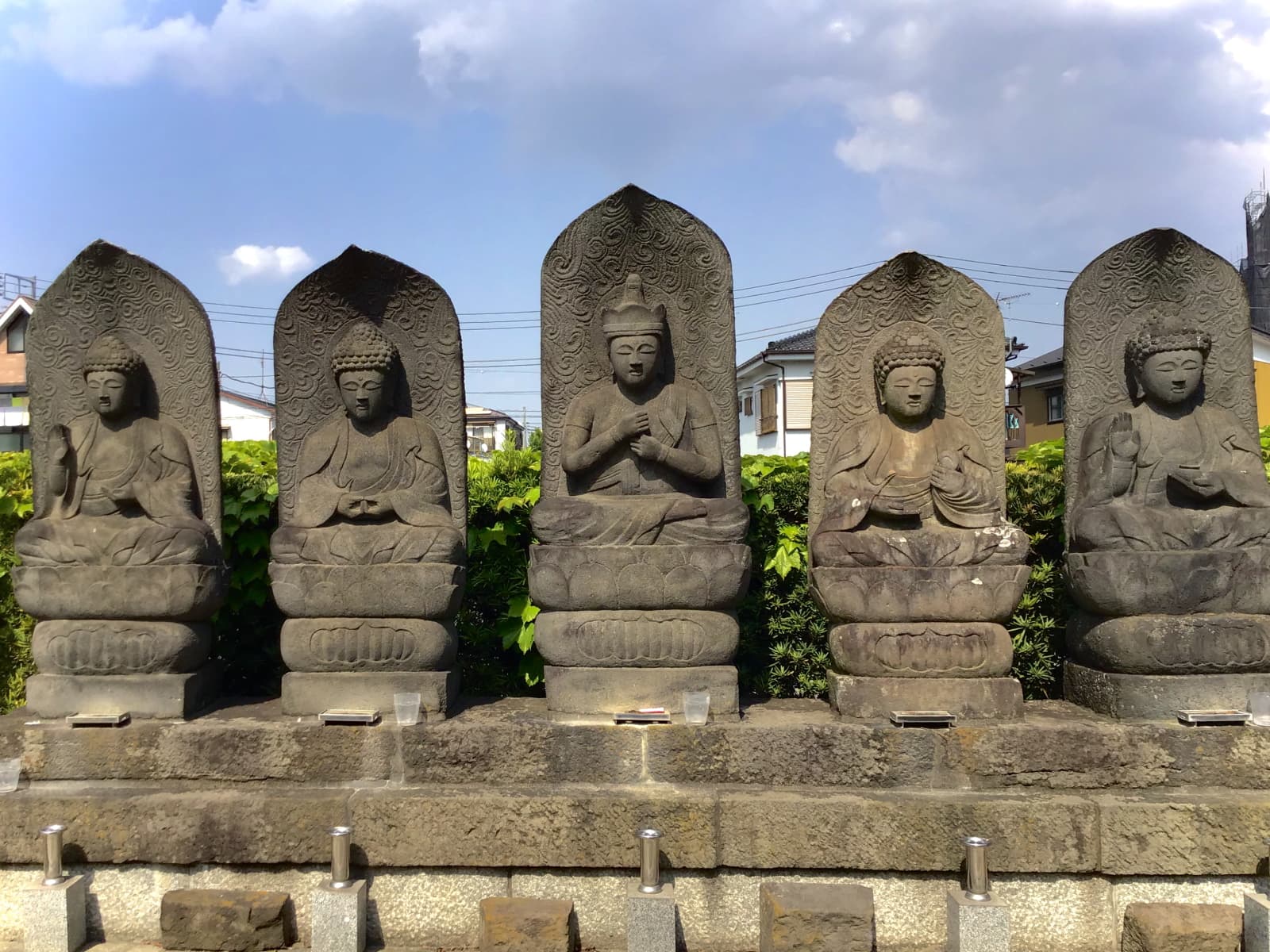
A row of stone Buddha statues at a Japanese Mahayana temple
TraditionsMahayana

Mahayana

The Great Vehicle — the movement that reframed the Buddhist goal from individual liberation as an arahant to the universal awakening of all beings as a bodhisattva, and reframed the metaphysical ground from analysis of dharmas to the emptiness (sunyata) of all phenomena.

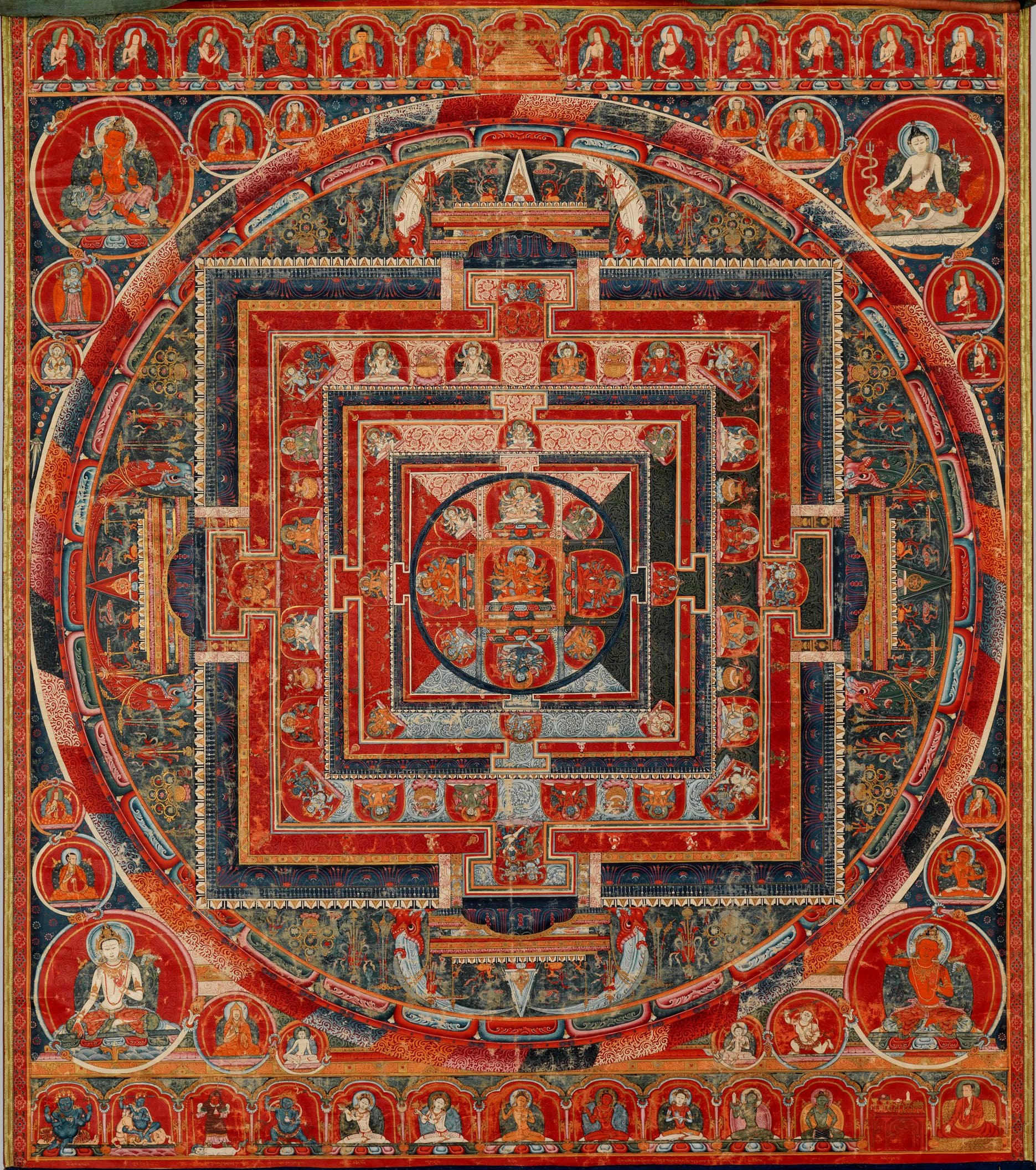
Tibetan tantric mandala of the forms of Manjushri, the bodhisattva of transcendent wisdom
TraditionsVajrayana

Vajrayana

The Diamond Vehicle — the tantric path that uses mantra, visualization, deity yoga, and direct transmission to make buddhahood possible in a single lifetime, in this very body, provided one has the right empowerment from a qualified lineage holder.

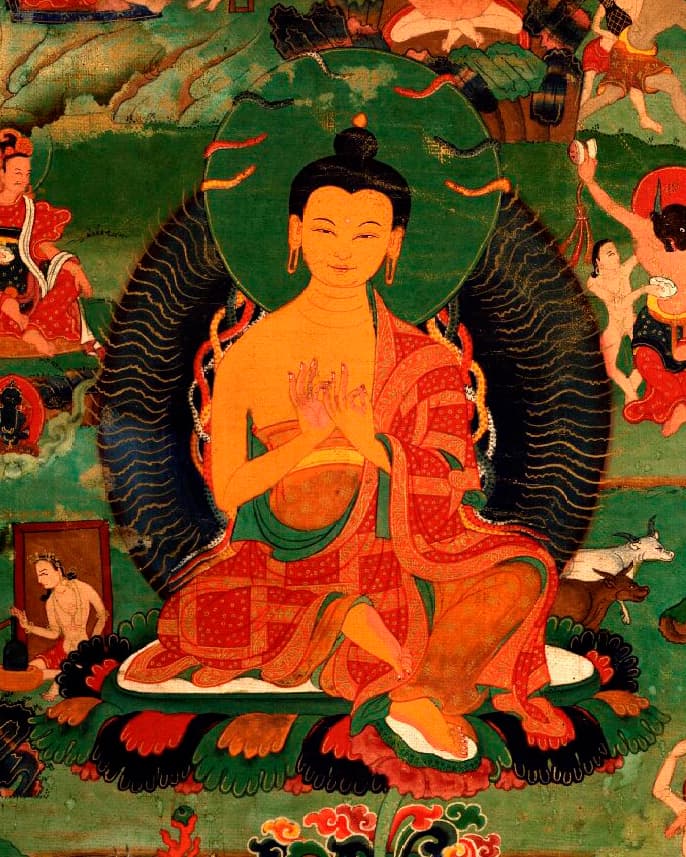
Tibetan thangka painting of the philosopher Nagarjuna seated within a green nimbus, wearing patchwork monastic robes, surrounded by smaller attendant figures
FiguresMahayana

Nagarjuna

South Indian philosopher of the second century CE who articulated the doctrine of emptiness (sunyata) as the middle way between existence and non-existence. The Mulamadhyamakakarika is the founding text of the Madhyamaka school. The Mahayana traditions of East Asia and Tibet count him as the second Buddha; his analysis stands at the center of every later Mahayana school.

Pilgrimage

Related sacred sites

Library

Further reading

  • The Way of the BodhisattvaPadmakara Translation Group
    Shambhala, 2006
  • A Guide to the Bodhisattva’s Way of LifeStephen Batchelor
    Library of Tibetan Works and Archives, 1979
  • No Time to Lose: A Timely Guide to the Way of the BodhisattvaPema Chödrön
    Shambhala, 2005
Reflections

The sangha responds.

0
Add your reflection
Comments are public to the sangha.