KNOWLEDGE/TRADITIONS/VAJRAYANA
TraditionsVajrayana

Vajrayana

The Diamond Vehicle / Tantric Buddhism

The Diamond Vehicle — the tantric path that uses mantra, visualization, deity yoga, and direct transmission to make buddhahood possible in a single lifetime, in this very body, provided one has the right empowerment from a qualified lineage holder.

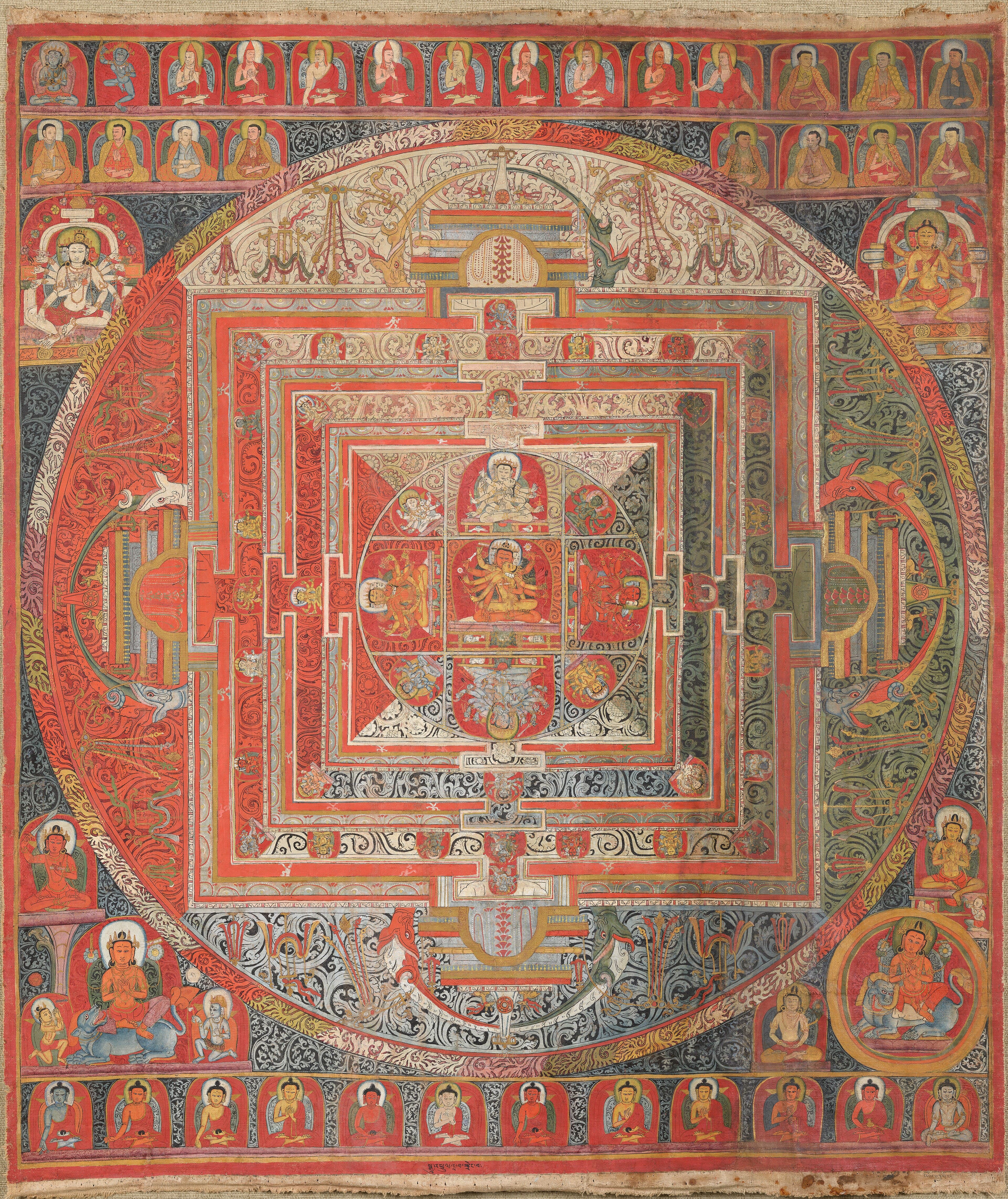
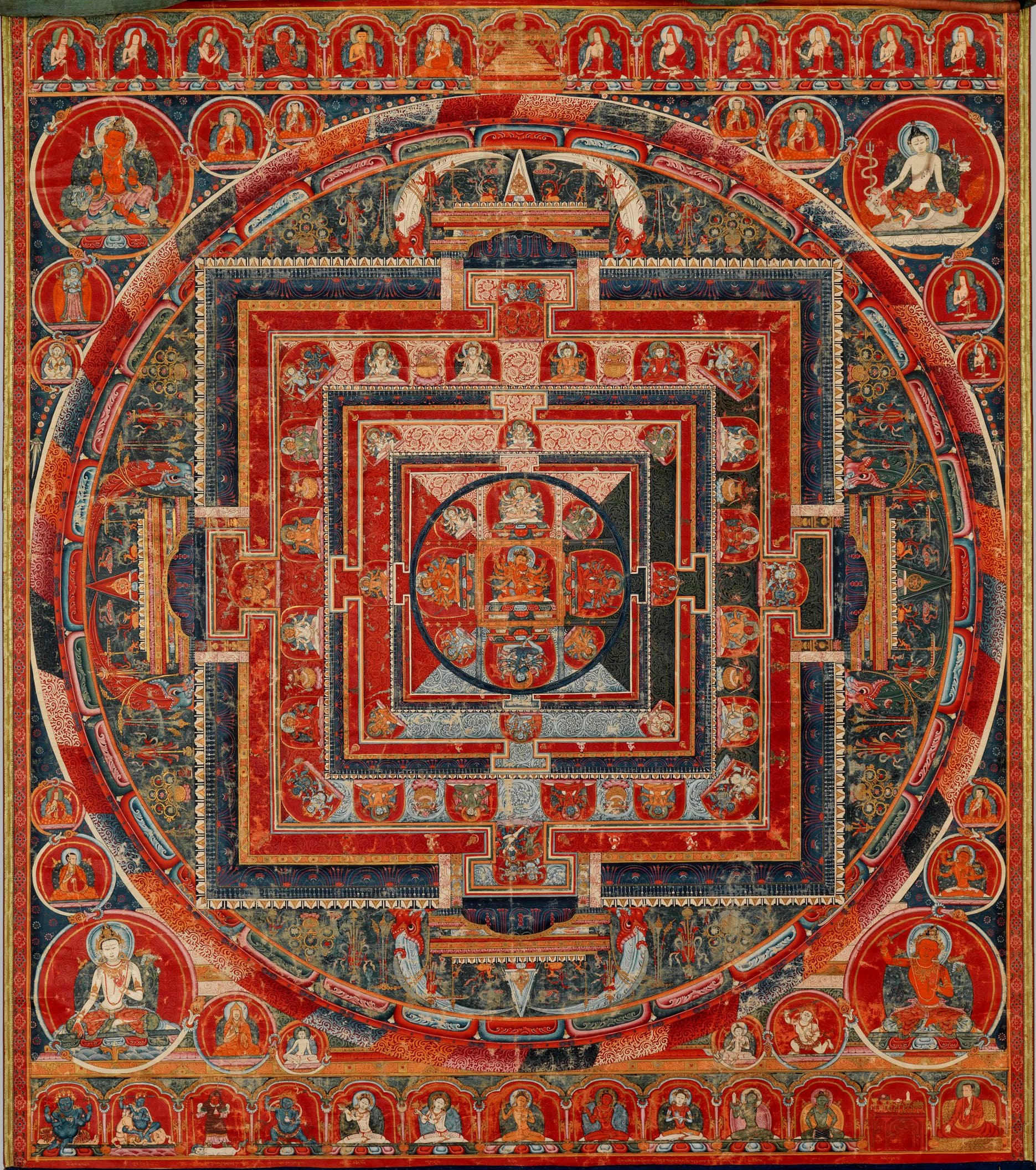
Tibetan tantric mandala of the forms of Manjushri, the bodhisattva of transcendent wisdom
Photo: Unknown author, Public domain, via Wikimedia Commons

The Vajrayana — the Diamond Vehicle, the Adamantine Path — is the third turning of the wheel of dharma, and it makes a claim no other tradition makes: that awakening is not a thousand-lifetime project but possible in this very life and in this very body, provided one is in the right transmission and receives the right empowerment (abhiseka, Tibetan wang) from a qualified lineage holder. The Vajrayana is the Mahayana practiced through tantra. It does not deny the bodhisattva path; it accelerates it.

The historical Vajrayana emerges in India between the sixth and twelfth centuries CE, alongside and within Mahayana monasticism. Its scriptures are the tantras — texts presented as having been taught by the Buddha in his sambhogakaya form, often in coded language (sandhya-bhasa, the twilight speech). The tantras are classified in different ways across the schools. The Nyingma scheme of Tibetan Buddhism organizes them into nine yanas, of which the highest three are mahayoga, anuyoga, and atiyoga (Dzogchen). The Sarma schools (Kagyu, Sakya, Gelug) organize tantra into four classes: kriya, carya, yoga, and anuttarayoga (the highest, including the Guhyasamaja, Cakrasamvara, Hevajra, and Kalacakra tantras).

The central practice is sadhana — a structured deity yoga in which the practitioner visualizes themselves as the awakened deity (yidam), recites the deity's mantra, and rests in the recognition that this divine form, this sound, and this awareness are not separate from one's own buddha-nature. The premise, drawn from the tathagatagarbha doctrine, is that buddhahood is already present in the mindstream; the work is to recognize, stabilize, and let it manifest. The path uses what the sutra path renounces: desire, anger, and ignorance are transmuted into the three buddha-families of wisdom rather than suppressed. This is why the Vajrayana requires lineage and empowerment — it is a path of speed and high voltage, and without a teacher who has stabilized the realization, the practice can ground out badly.

The great Indian Vajrayana figures are the mahasiddhas — the eighty-four 'great accomplished ones' of tradition, including Saraha, Tilopa, Naropa, Virupa, Luipa, Kanha, and the women siddhas Niguma, Sukhasiddhi, and Yeshe Tsogyal. Their songs of realization (dohas, caryagiti) are foundational. Their lineage carried into Tibet from the eighth century onward — Padmasambhava transmitting the Nyingma terma tradition, Atisa carrying the lamrim and Kadam, Marpa the Translator carrying the Mahamudra to Milarepa to Gampopa to the Karmapas, and Khon Konchog Gyalpo founding the Sakya line of the Hevajra Tantra and Lamdre.

Vajrayana today survives mainly in the four Tibetan schools — Nyingma (the Ancients), Sakya, Kagyu (Karma, Drikung, Drukpa, Shangpa, and other sub-branches), and Gelug (the school of Tsongkhapa) — together with the pre-Buddhist Bön tradition of Tibet, which absorbed Vajrayana method while retaining its own cosmology. The Newar Buddhism of Nepal's Kathmandu Valley is also Vajrayana, transmitted directly from late Indian masters through hereditary Vajracharya priests. The Shingon school of Japan, founded by Kukai (Kobo Daishi) in the early ninth century, preserves the older Yoga Tantra lineage; Tendai also carries esoteric Mikkyo. The Yungdrung Bön and Mongolian, Bhutanese, Sikkimese, and Ladakhi forms round out the living transmission.

Approximately 25 million Vajrayana practitioners are estimated worldwide, with the largest active sanghas in Tibet (under restriction), Bhutan, Mongolia, Ladakh, Sikkim, Arunachal Pradesh, Nepal, Bhutan, and the global Tibetan diaspora. The Vajrayana's distinctive cultural footprint — the thangka, the mandala, the chanted liturgy with horns and damaru, the mahasiddha sculpture, the prayer flag, the wrathful deity, the offerings of torma and amrita — is what most of the world recognizes as 'Tibetan Buddhism'. But the essence is interior: a lineage of mind-to-mind transmission, an empowerment, a samaya bond, and the practice of resting in the recognition that this very mind, just as it is, is the Diamond.
Cross-reference

Related entries

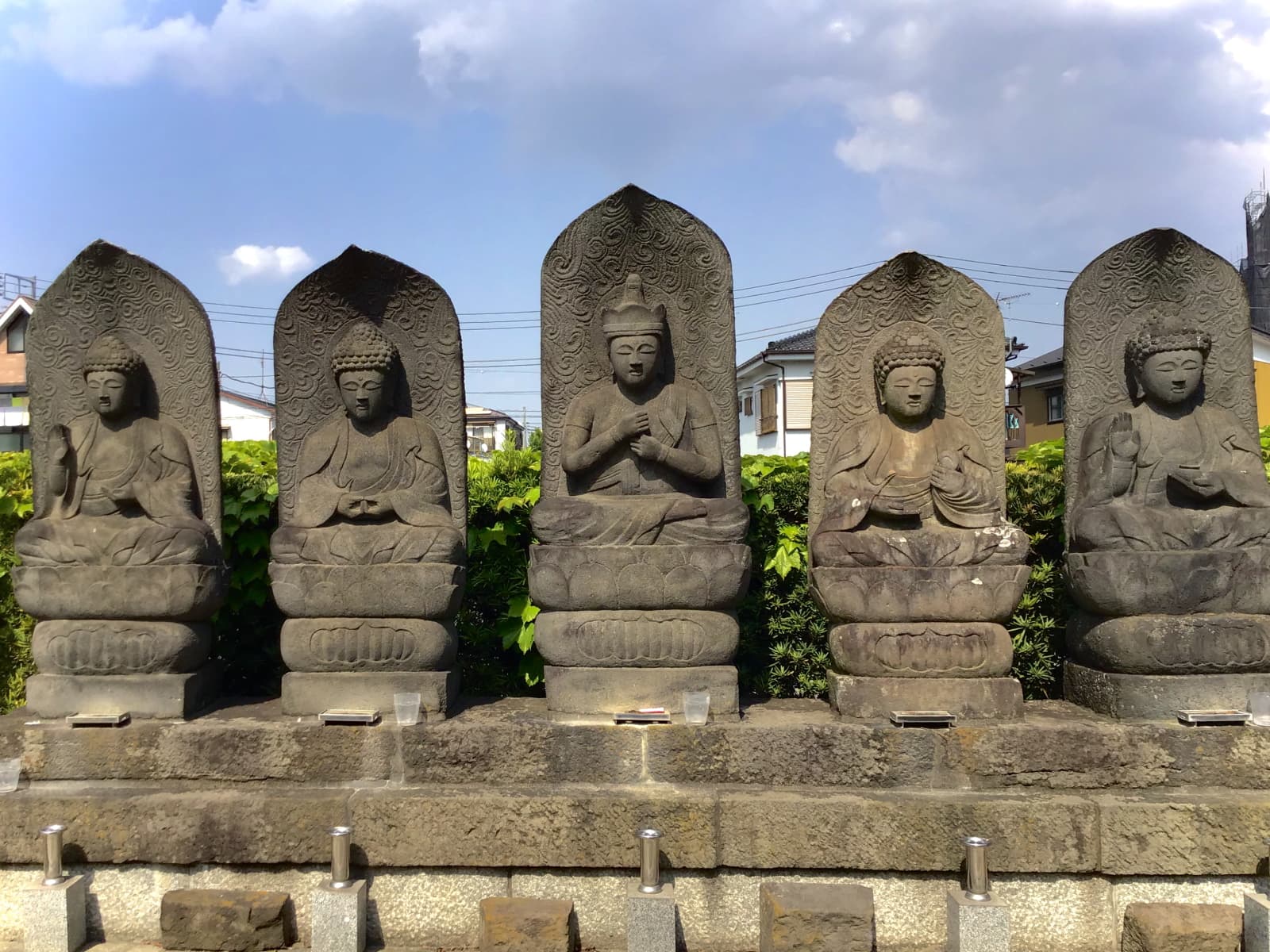
A row of stone Buddha statues at a Japanese Mahayana temple
TraditionsMahayana

Mahayana

The Great Vehicle — the movement that reframed the Buddhist goal from individual liberation as an arahant to the universal awakening of all beings as a bodhisattva, and reframed the metaphysical ground from analysis of dharmas to the emptiness (sunyata) of all phenomena.

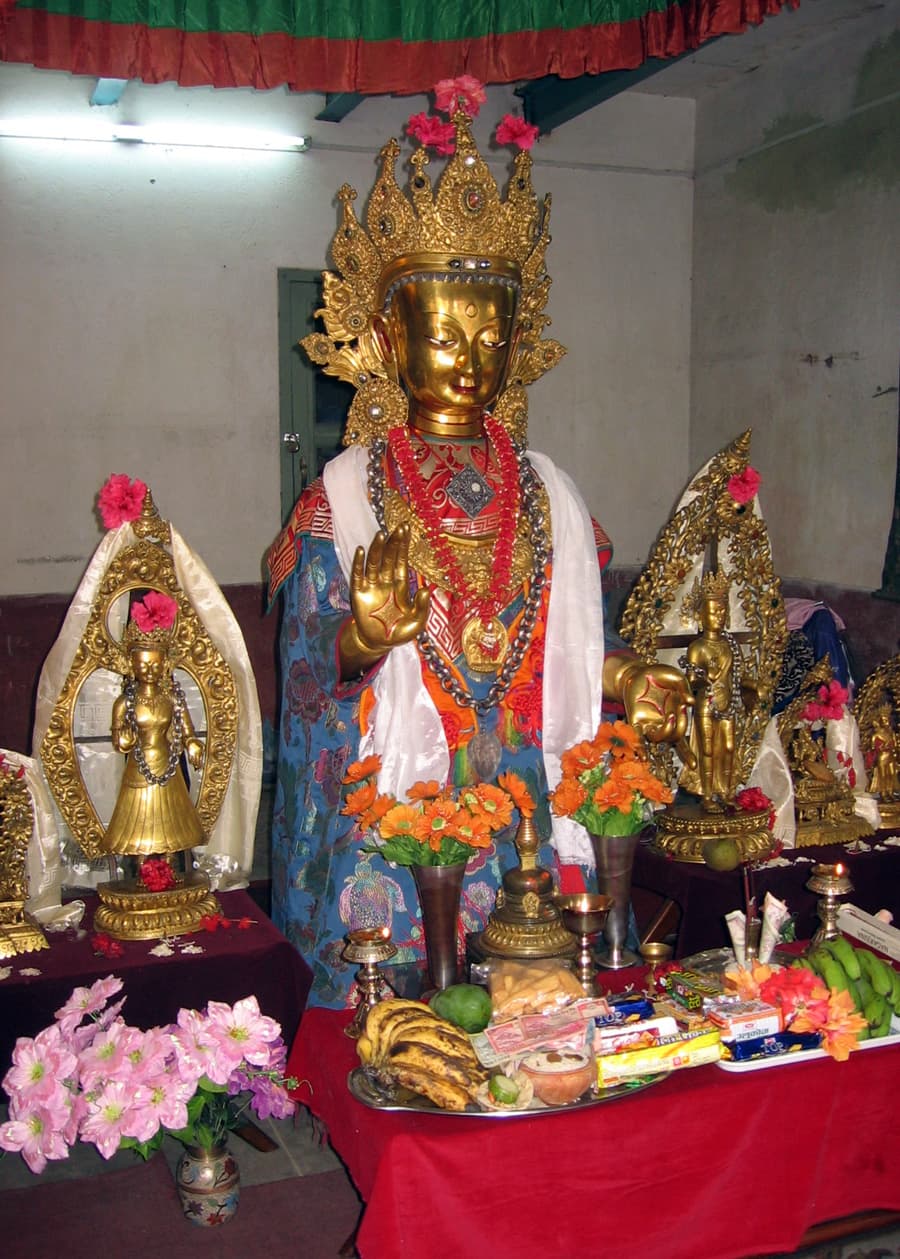
A gilded Newar Buddhist deity shrine with offerings in the Kathmandu Valley
TraditionsNewar

Newar Buddhism

The only surviving form of Indic Mahayana–Vajrayana Buddhism — preserved in the Kathmandu Valley for over a millennium through hereditary Vajracharya and Shakya priesthood, Sanskrit liturgy, and lay devotion to Swayambhu and the Pancha Buddha.

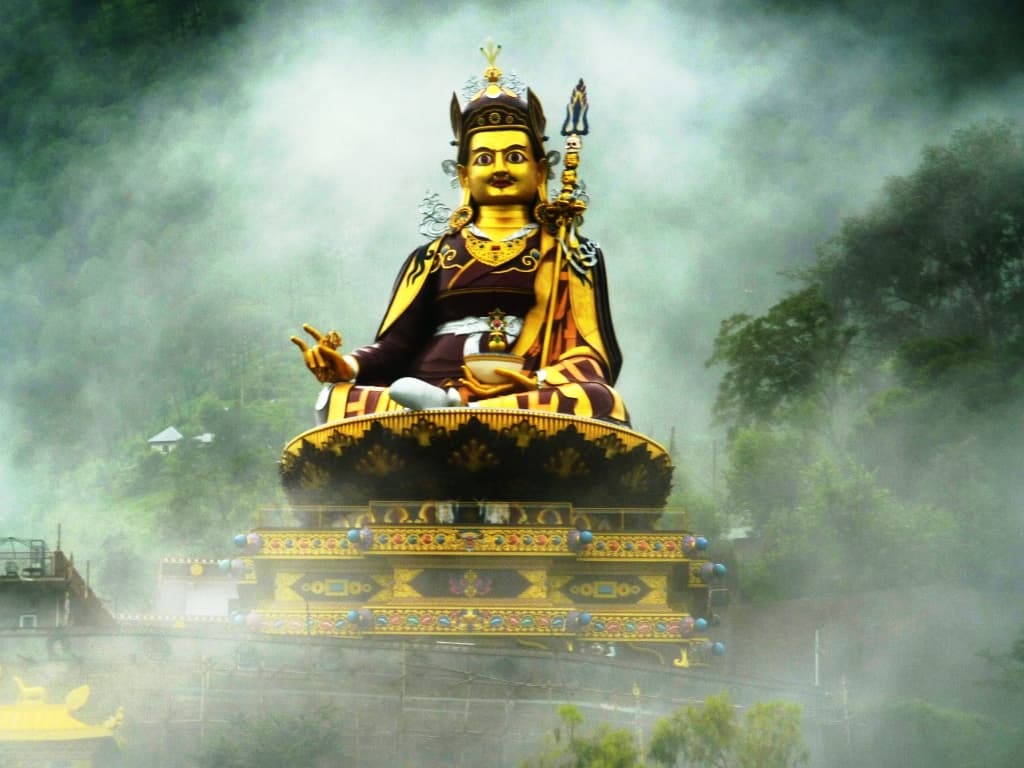
Large golden statue of Padmasambhava (Guru Rinpoche) enthroned on a lotus, crowned and holding a vajra and skull cup, rising above mist-covered hills
FiguresVajrayana

Padmasambhava

Eighth-century tantric master from Uddiyana who brought Vajrayana to Tibet at the invitation of King Trisong Detsen, founded Samye monastery in 779 CE, subdued the protector spirits of the Himalayan land, and concealed teachings — the terma — for retrieval by future generations. The founding figure of the Nyingma school and, in the Tibetan imagination, a second Buddha.

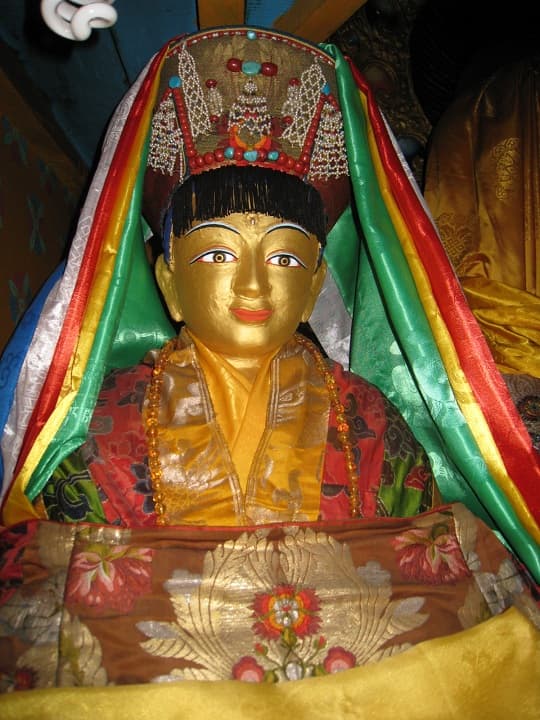
Gilded devotional statue of the yogi-poet Milarepa, dressed in ceremonial brocade and a jeweled crown, made by his root student Rechungpa
FiguresVajrayana

Milarepa

Tibetan yogi (1052-1135) who began life as a black-magic sorcerer, killed thirty-five of his relatives by hailstorm, repented, sought the lama Marpa the Translator, and after twelve years of brutal apprenticeship achieved enlightenment in a single lifetime. His Hundred Thousand Songs and his autobiography are the most beloved texts in Tibetan literature.

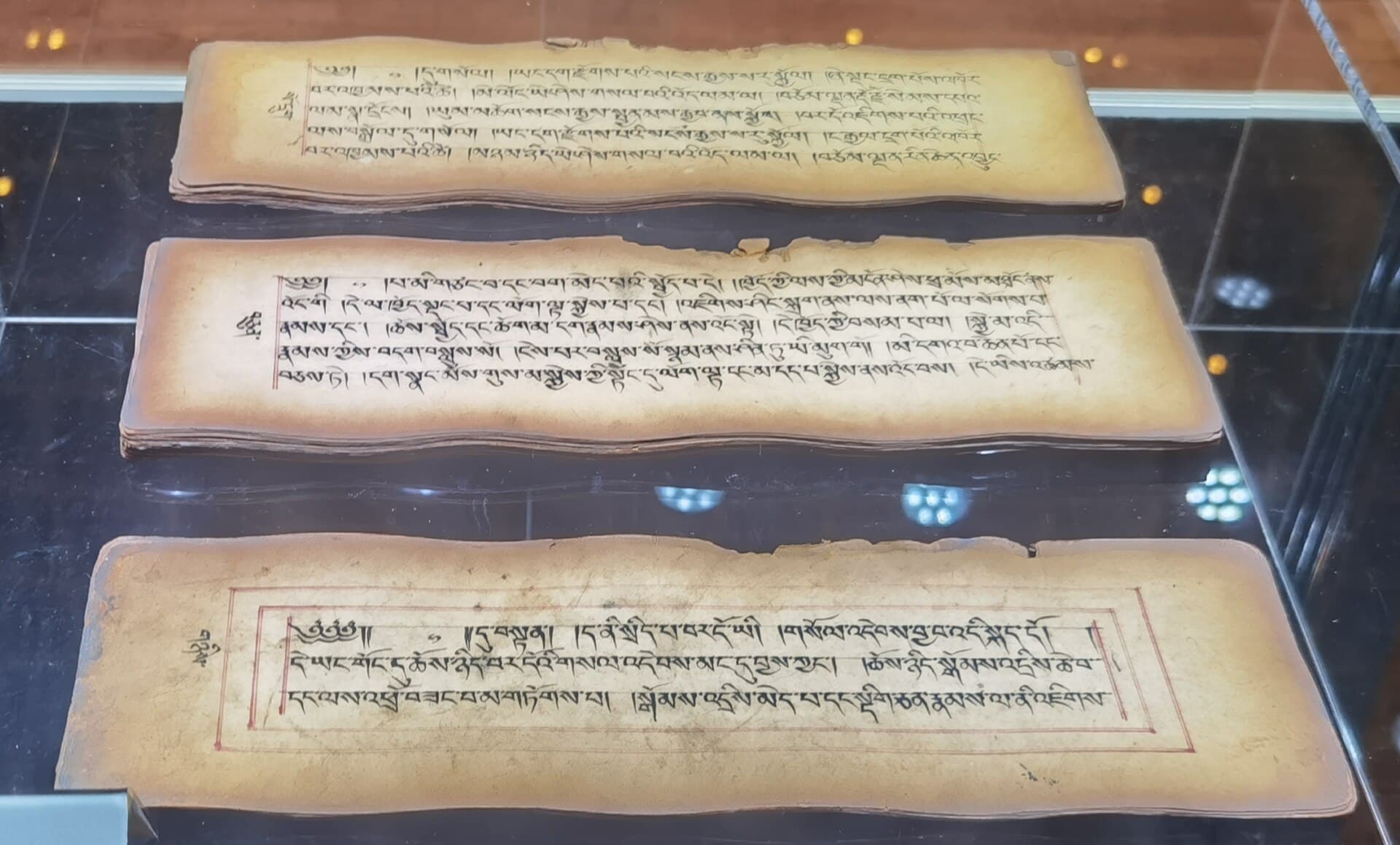
Tibetan manuscript pages of the Bardo Thödol on display
TextsVajrayana

The Tibetan Book of the Dead

A 14th-century Tibetan terma text revealed by Karma Lingpa — instructions to be read aloud to the dying and the dead, guiding consciousness through the bardo states between death and rebirth.

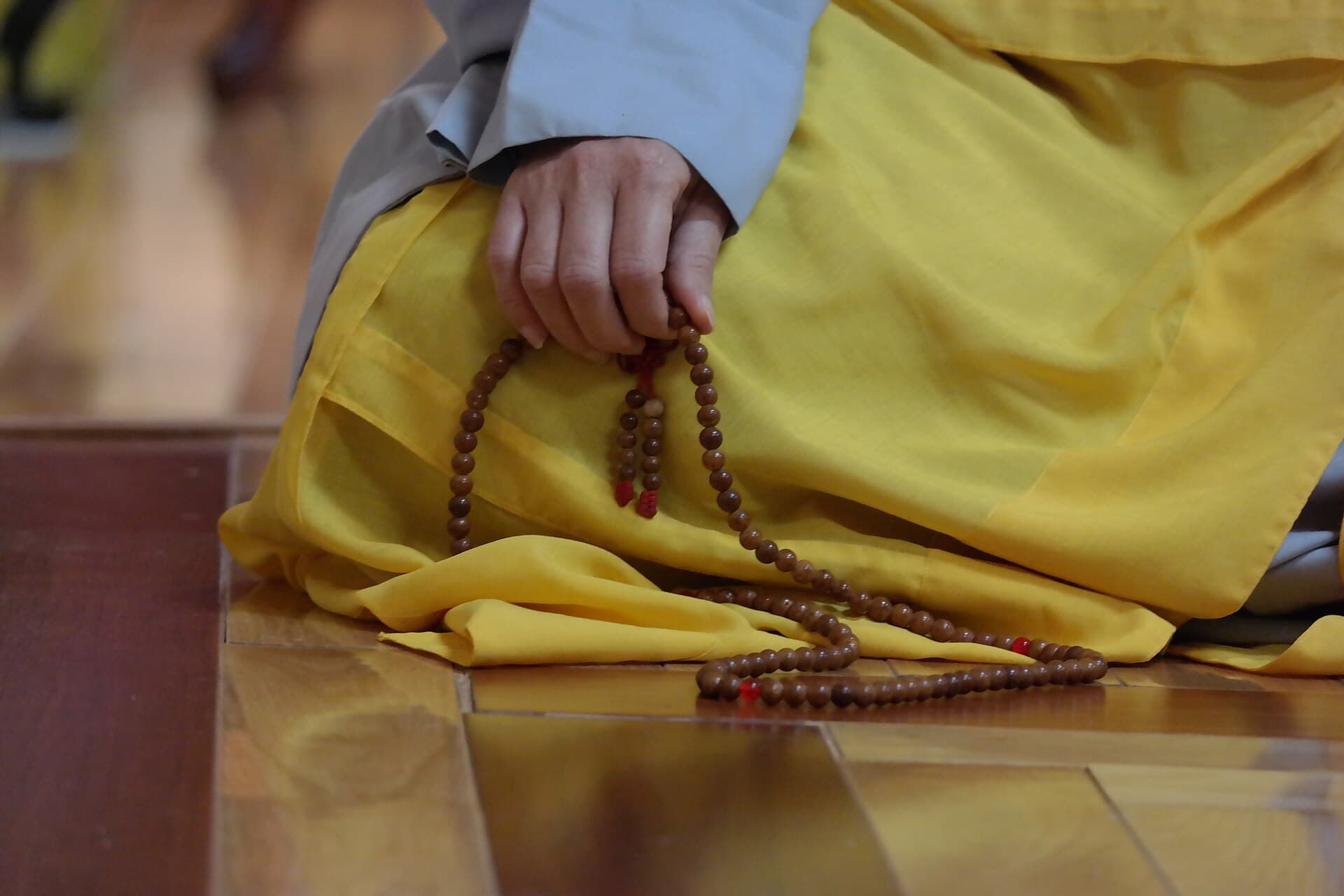
A Buddhist nun's hand holding mala beads used for mantra recitation
PracticesVajrayana

Mantra Recitation

The recitation of seed-syllables and sacred phrases — speech-mind training that pervades the Vajrayana, Pure Land, and Newar traditions. Om mani padme hum. Namo Amituofo. The Heart Sutra mantra.

Tibetan Manjuvajra mandala thangka with forty-three deities
Art & SymbolsVajrayana

The Mandala

The geometric diagram of a buddha-field — used in tantric practice as a visualized residence of the deity, traced in sand, painted on cloth, embodied in temple architecture.

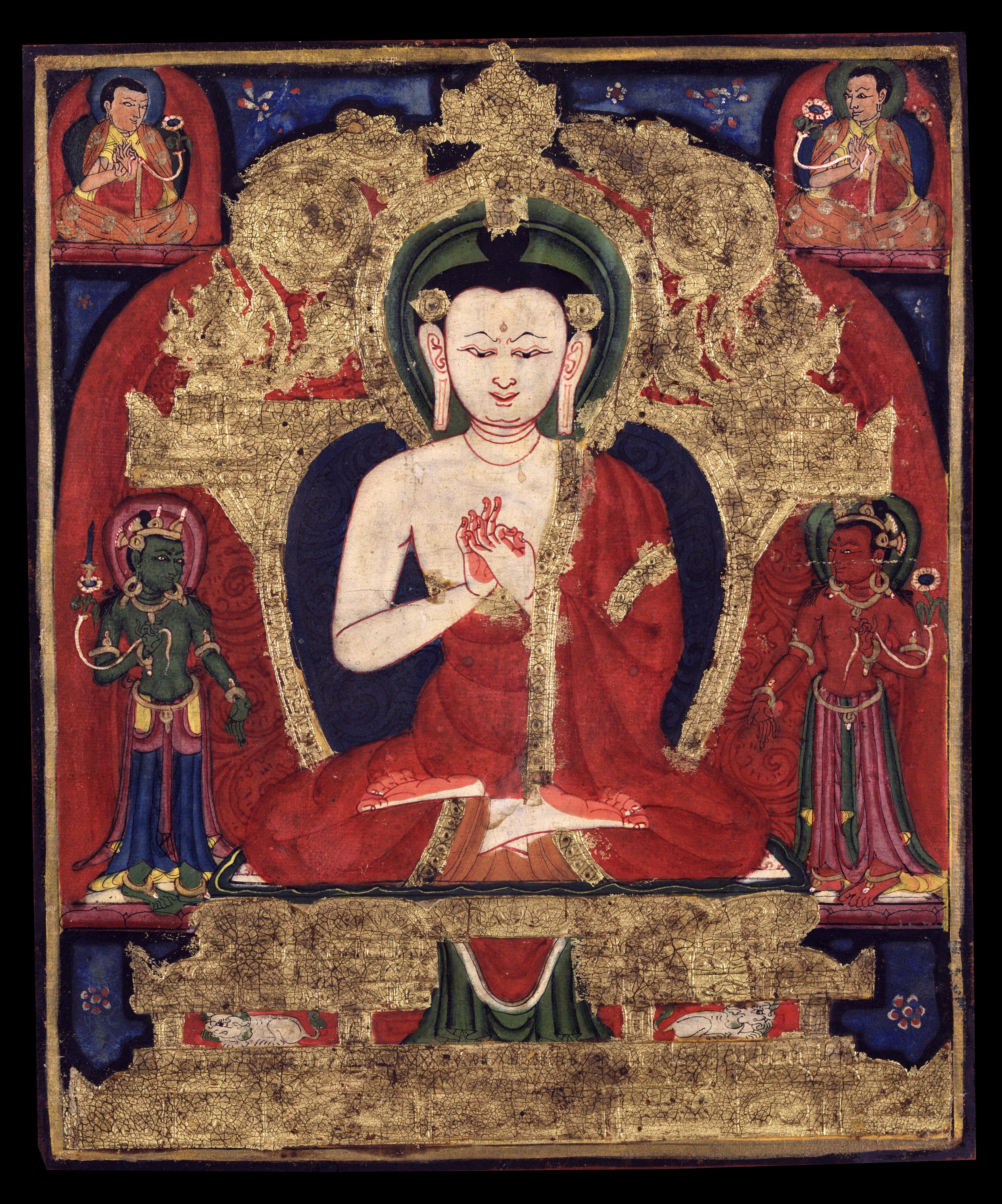
Tibetan thangka painting of Buddha Vairocana
Art & SymbolsVajrayana

Thangka Painting

The painted scroll tradition of Tibet and the Himalaya — buddha-images on cotton or silk, ground from mineral pigments, used as supports for visualization practice. Centuries of lineage transmitted in line and color.

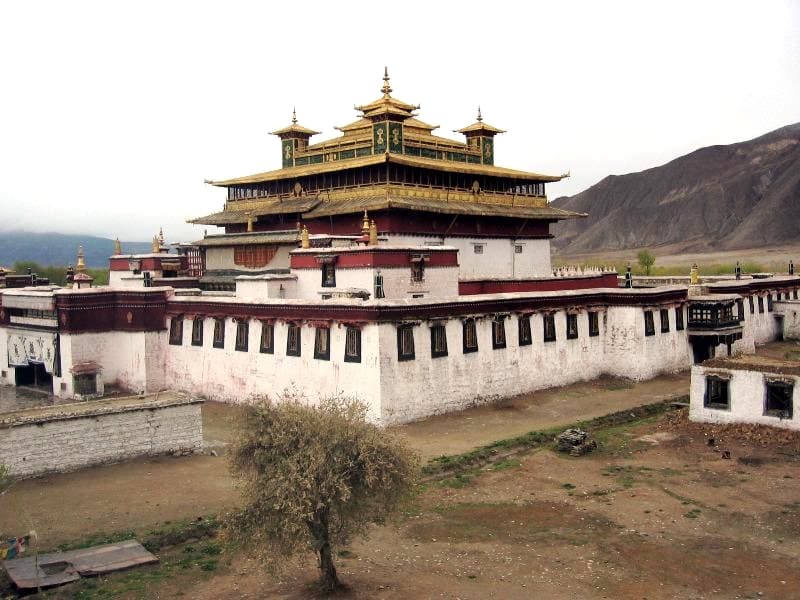
Samye Monastery, the first Buddhist monastery in Tibet, founded 779 CE
HistoryVajrayana

The Spread to Tibet

In 779 CE the Tibetan king Trisong Detsen invited two masters from India — Santaraksita from Nalanda and Padmasambhava from Oddiyana — to establish the dharma on the plateau. The double transmission of monastic scholarship and tantric realization founded Tibetan Buddhism for twelve centuries.

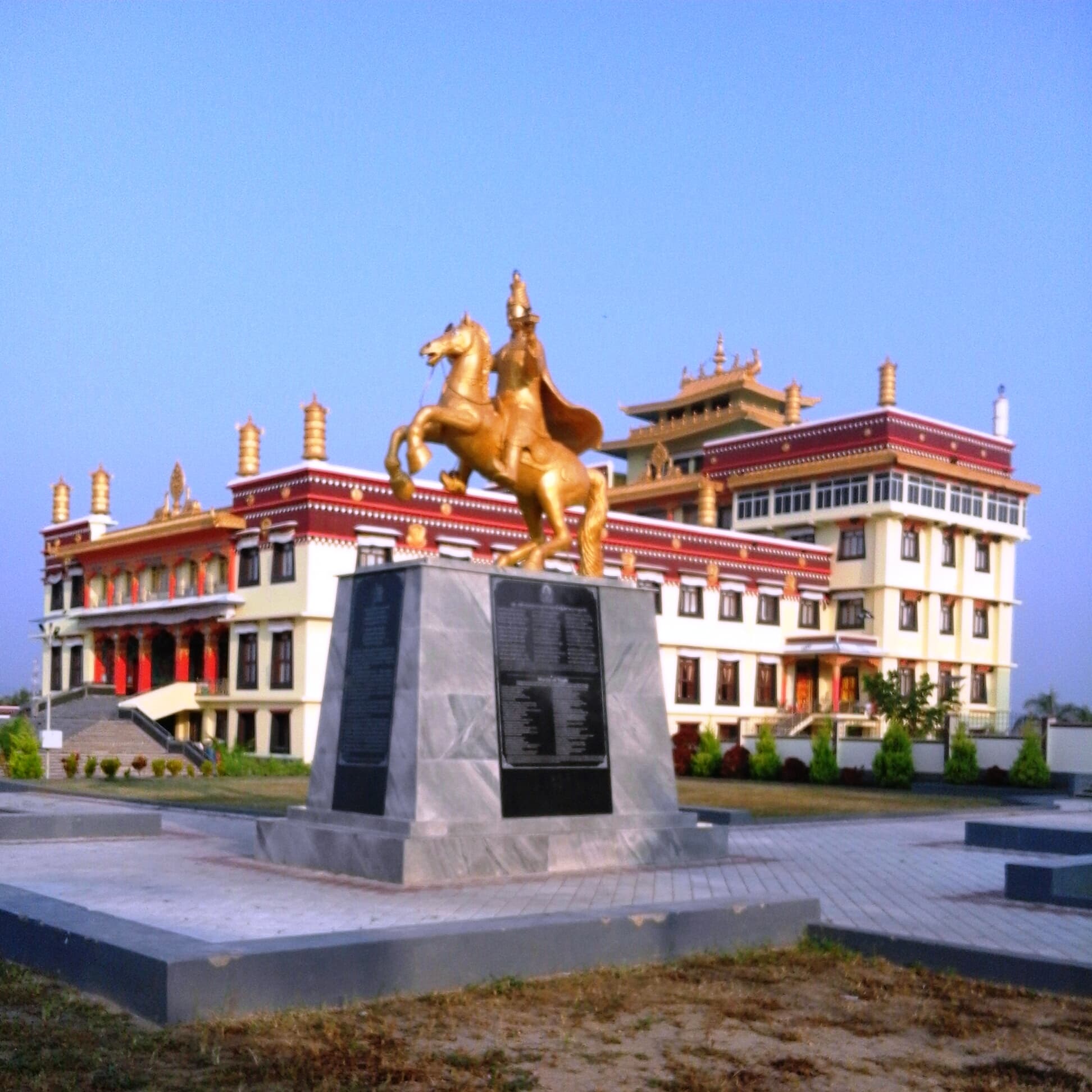
A rebuilt Tibetan Buddhist monastery in exile, part of the diaspora sangha outside Tibet
HistoryVajrayana

The Tibetan Diaspora

In 1959, following a failed uprising against Chinese rule in Lhasa, the senior leadership of the Gelug school and roughly 80,000 Tibetans fled into India. Within sixty years, Tibetan Vajrayana had established several hundred dharma centers across every continent.

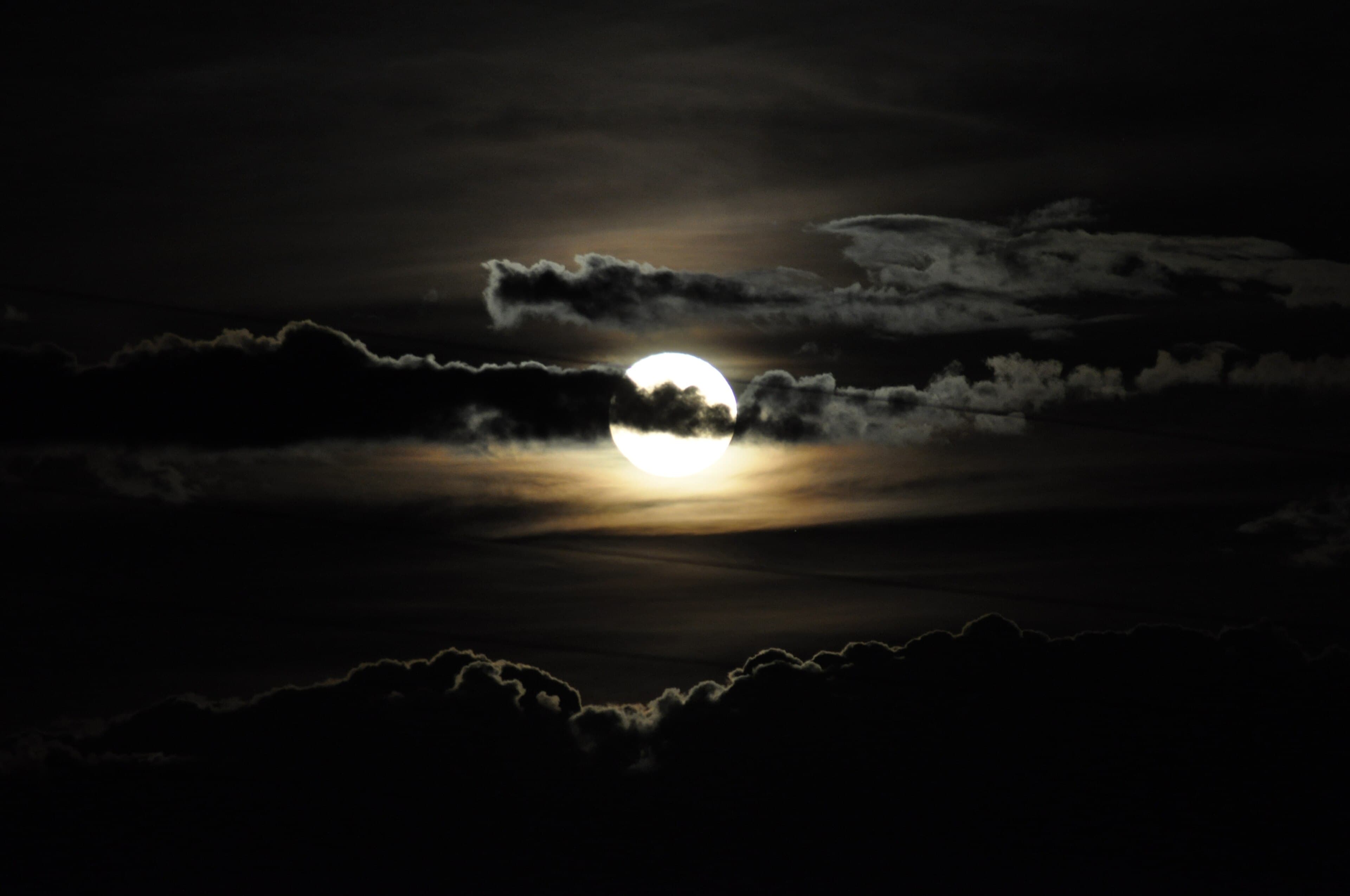
The full moon emerging from behind dark clouds, illustrating the essay's own image of buddha-nature briefly obscured but never diminished
ConceptsMahayana

Tathagatagarbha

The doctrine that every sentient being possesses, intrinsically, the seed of complete awakening. The "womb" or "embryo" of the Tathāgata — a teaching central to East Asian Buddhism, the Vajrayana, and the third turning of the wheel.

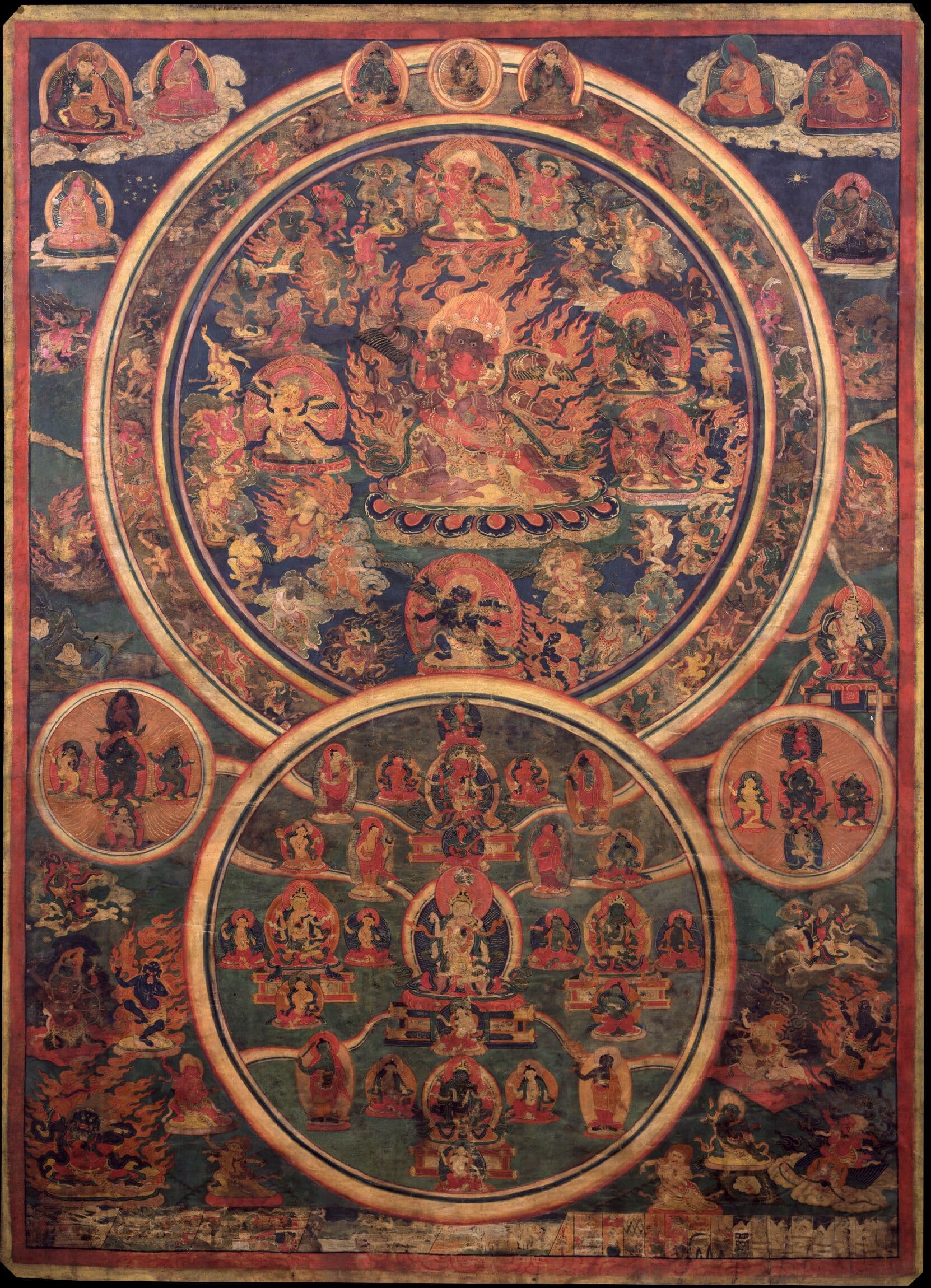
Tibetan thangka depicting the Peaceful and Wrathful Deities of the Bardo, from the Nyingma tradition of the Bardo Thodol
ConceptsVajrayana

The Bardo

In Tibetan Buddhism, the bardo is the intermediate state between death and the next rebirth — but more broadly, any transitional state. The Bardo Thödol maps these states as terrains of practice and recognition.

Pilgrimage

Related sacred sites

Watch

Related teachings on film

Library

Further reading

  • Introduction to Tantra: The Transformation of DesireLama Yeshe
    Wisdom Publications
  • Indian Esoteric Buddhism: A Social History of the Tantric MovementRonald M. Davidson
    Columbia University Press
  • The Words of My Perfect TeacherPatrul Rinpoche, trans. Padmakara
    Shambhala
  • Tibetan Buddhism: A Very Short IntroductionMatthew T. Kapstein
    Oxford University Press
Reflections

The sangha responds.

0
Add your reflection
Comments are public to the sangha.