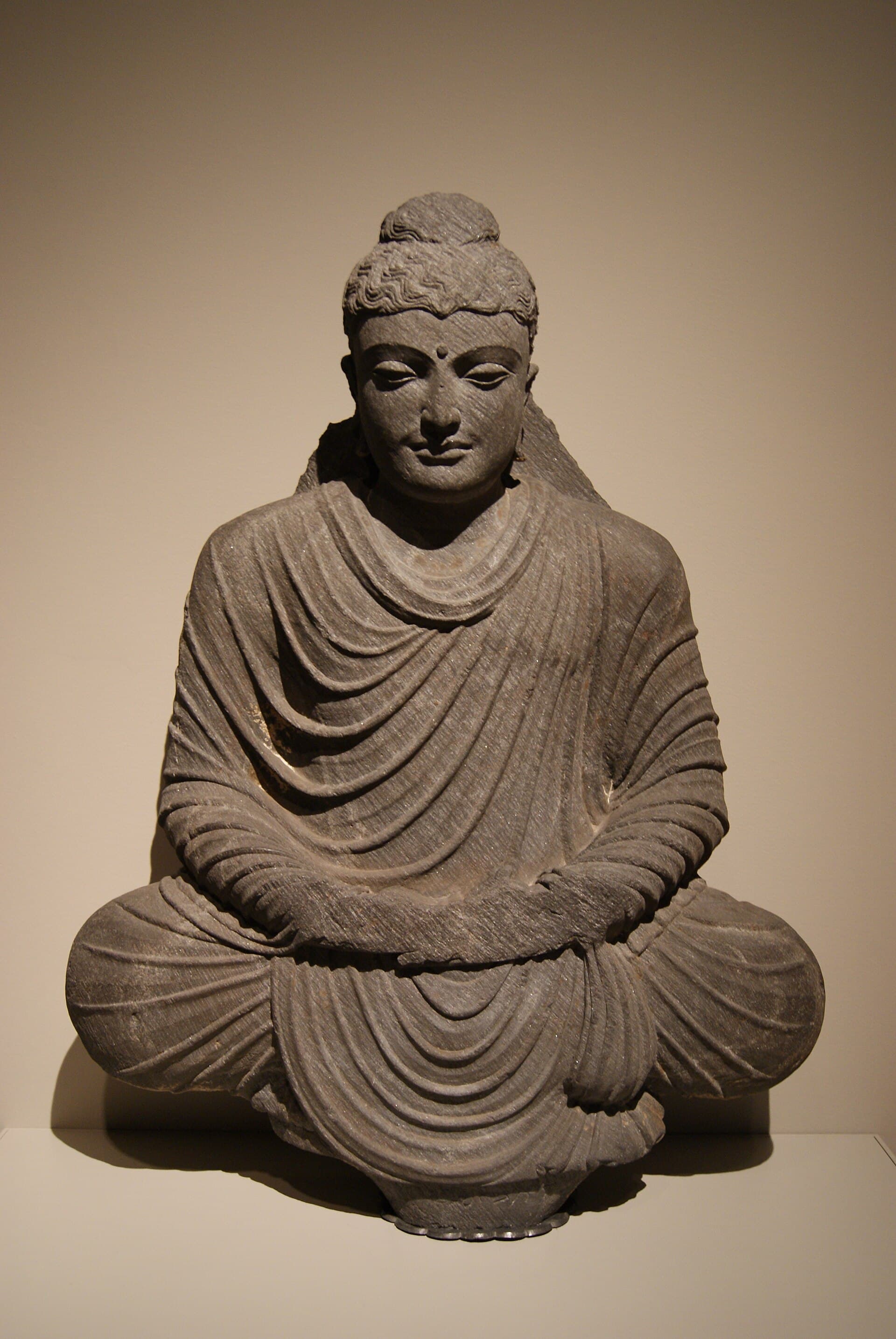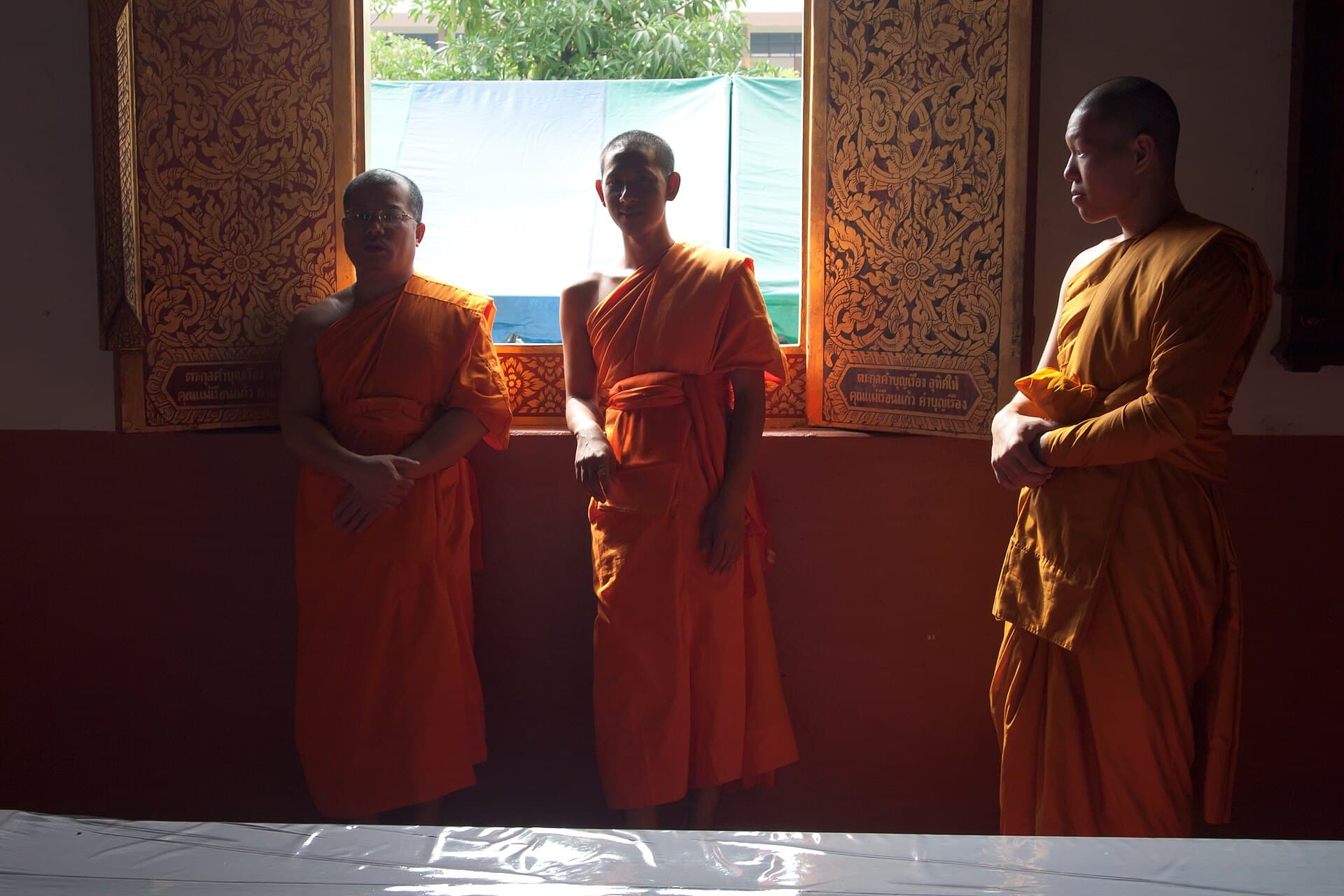
The Theravada — the Way of the Elders — holds that what the Buddha taught in the Pali Canon is sufficient, that the path to liberation is the path of the arahant, and that the monastic Sangha founded at Sarnath in the fifth century BCE is the same Sangha that continues today in unbroken ordination lineage. No other school makes that continuity claim with equal evidence. The Theravada is what survived after the Second Council at Vaishali split the original Sangha around 380 BCE; the Sthaviravada (the Sanskrit form of Theravada) was the conservative party, holding to the earliest recension of the rule and the suttas while the more reformist majority became the Mahasamghika and, in time, gave rise to the Mahayana movement.
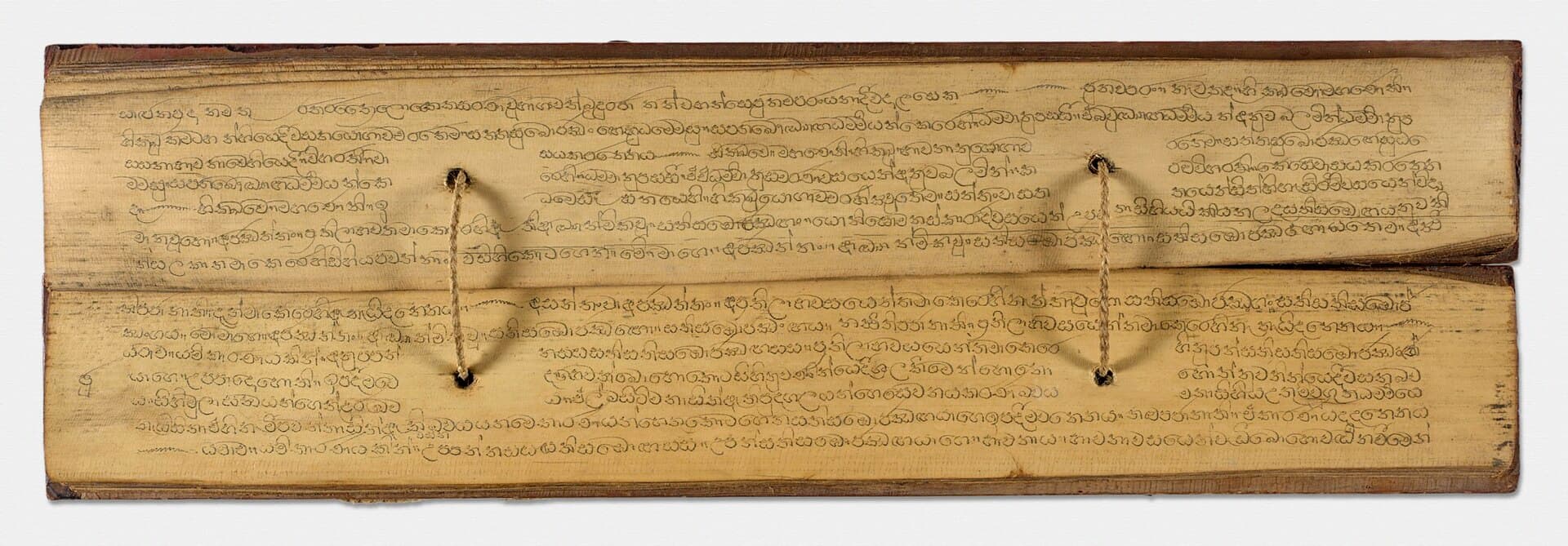
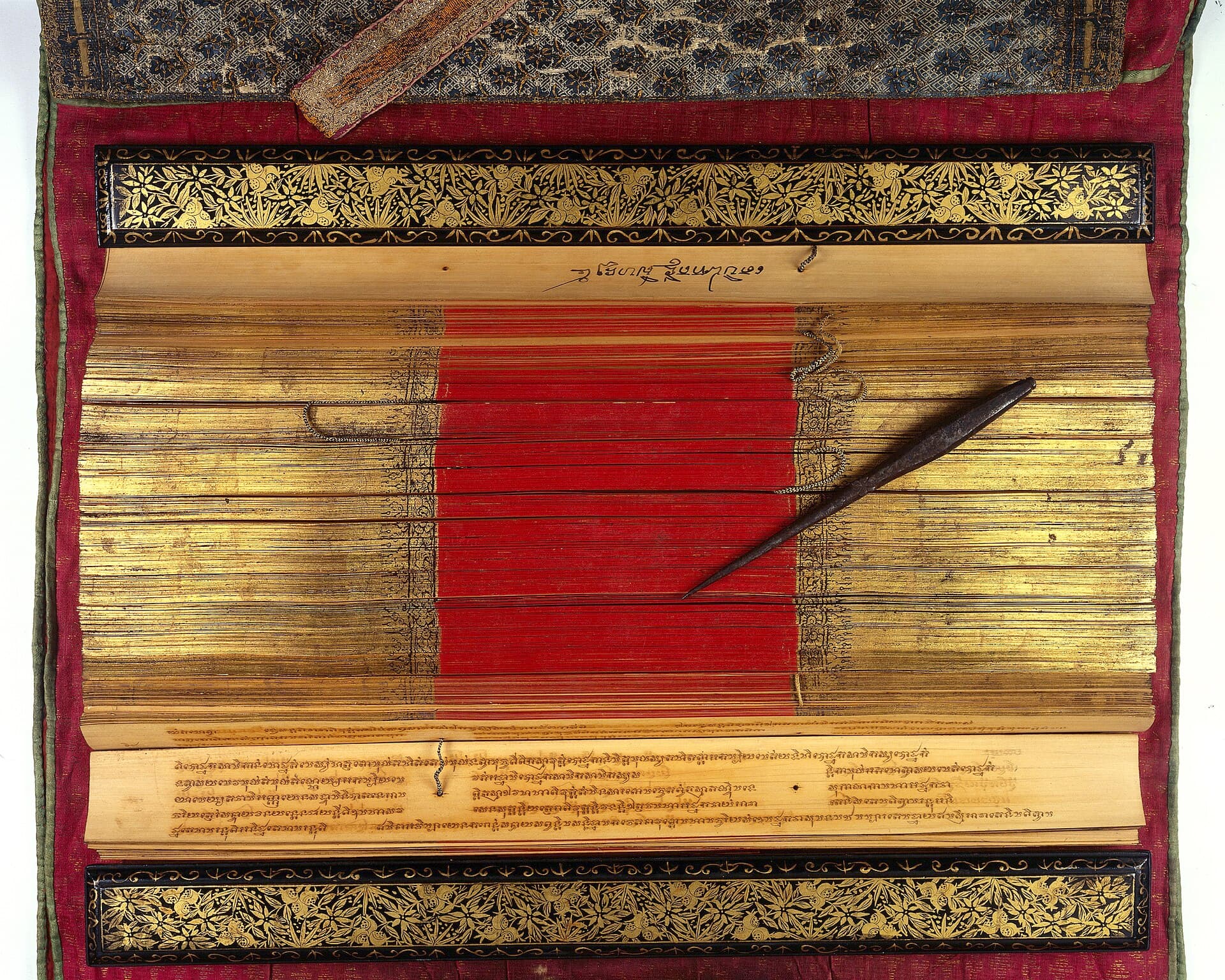
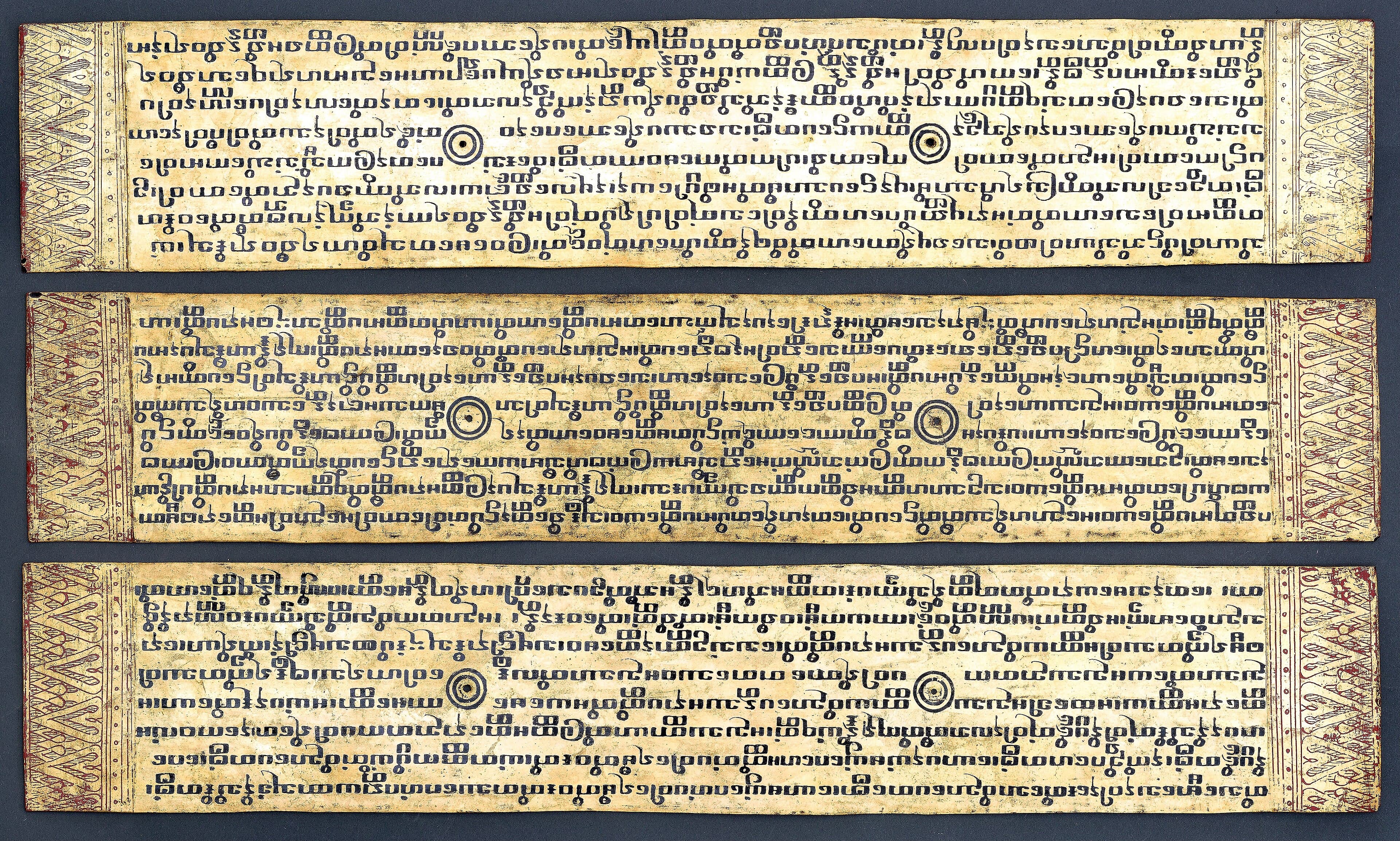
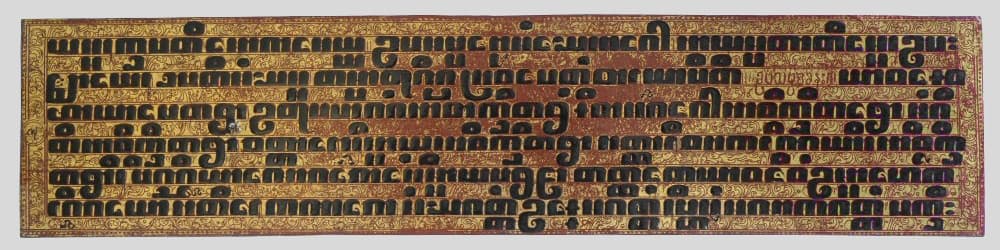
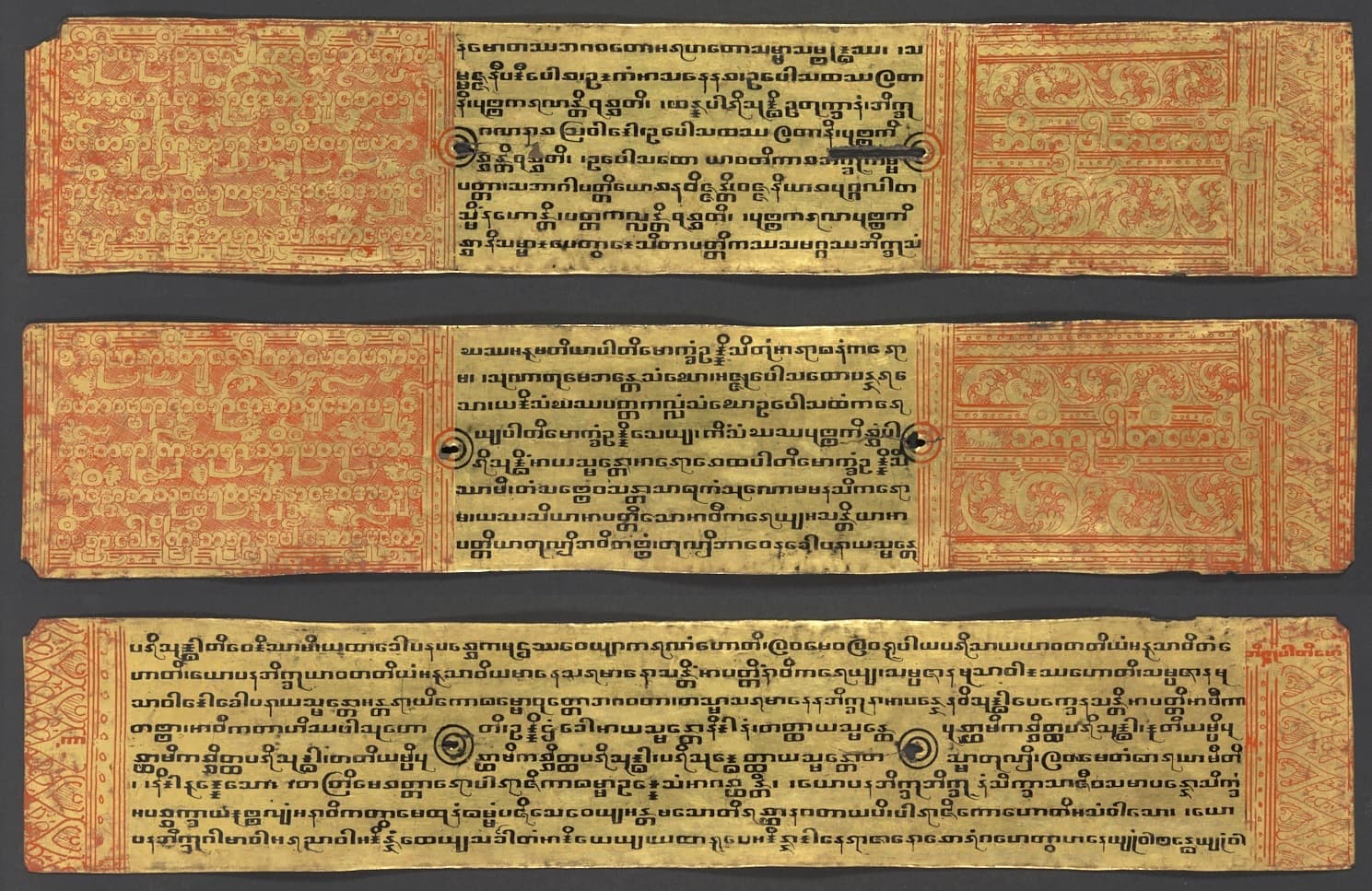
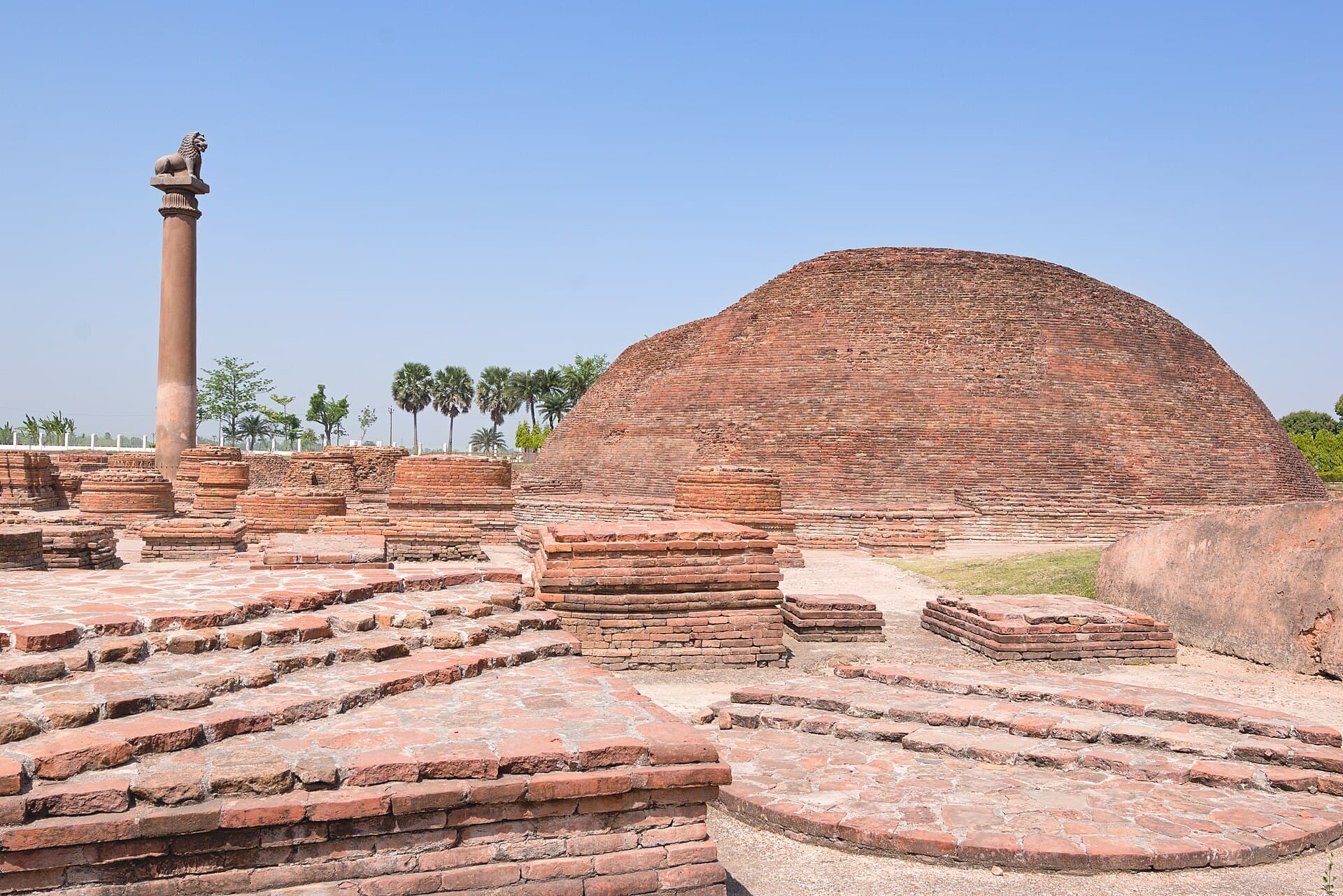
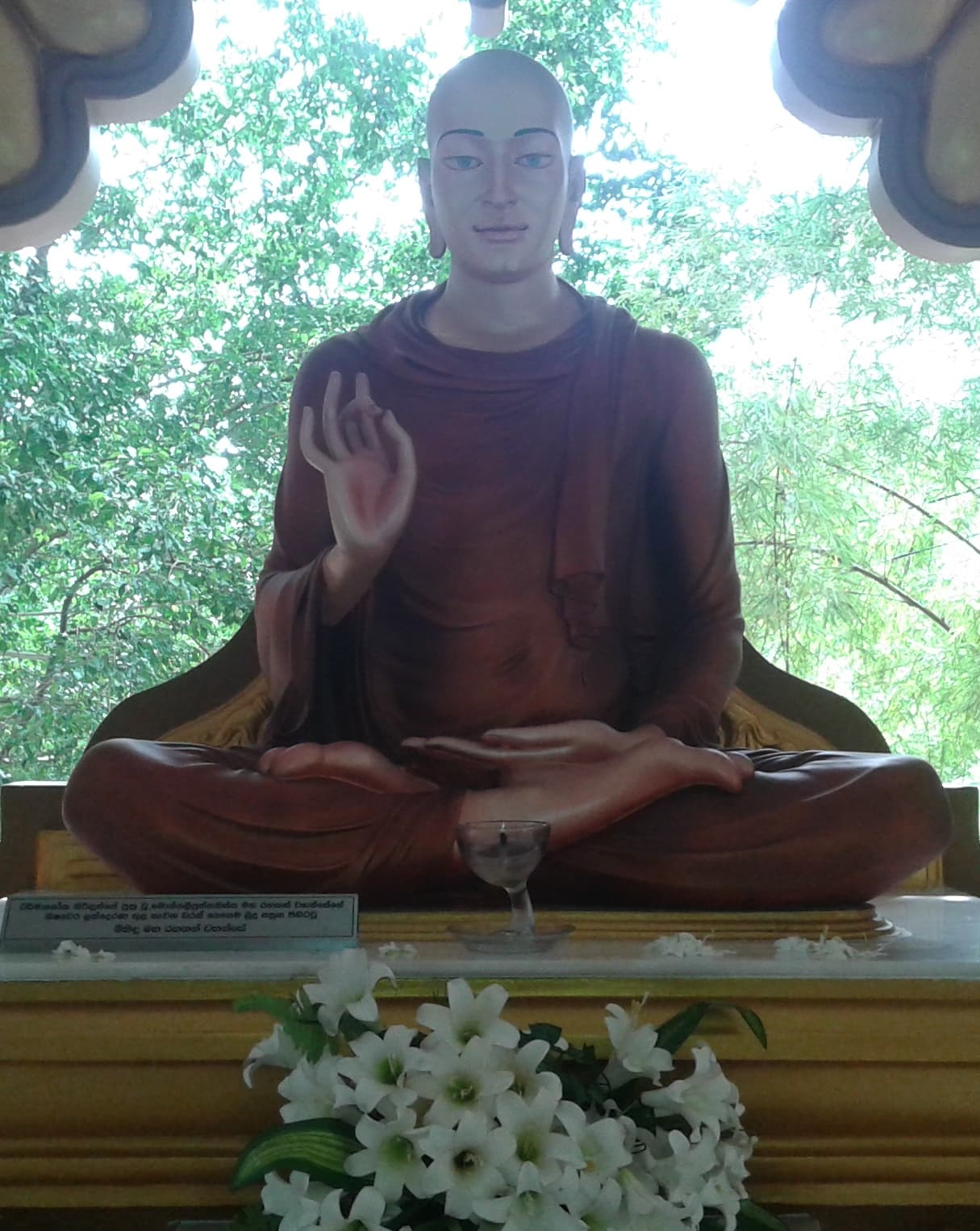
The transmission that survives is the southern one. Around 247 BCE the emperor Ashoka sent his son Mahinda — a fully ordained bhikkhu — and his daughter Sanghamitta with a sapling of the Bodhi tree to the island of Lanka. The Mahavihara monastery in Anuradhapura became the school's first great center; the Pali Canon, until then transmitted orally for four centuries by communities of reciters (bhanakas), was committed to writing on palm leaves at Aluvihare in 29 BCE during the reign of King Vattagamani. The same canon is what is chanted today in Yangon, Bangkok, Phnom Penh, Vientiane, and Colombo — three baskets (Tipitaka): the Sutta Pitaka of the Buddha's discourses, the Vinaya Pitaka of monastic discipline, and the Abhidhamma Pitaka of psychological-philosophical analysis.
The central practice is the path to nibbana through ethical training (sila), concentration (samadhi), and wisdom (panna). The classic map is the Visuddhimagga of Buddhaghosa, written at the Mahavihara in the fifth century CE — still the standard commentarial manual. The two great meditative streams are samatha (calm abiding through forty traditional objects) and vipassana (insight into the three marks: impermanence, suffering, non-self). The aspirant is not the bodhisattva of the Mahayana, working for the awakening of all beings across eons, but the arahant — the one who, in this very life, uproots the ten fetters and ends the cycle of rebirth.
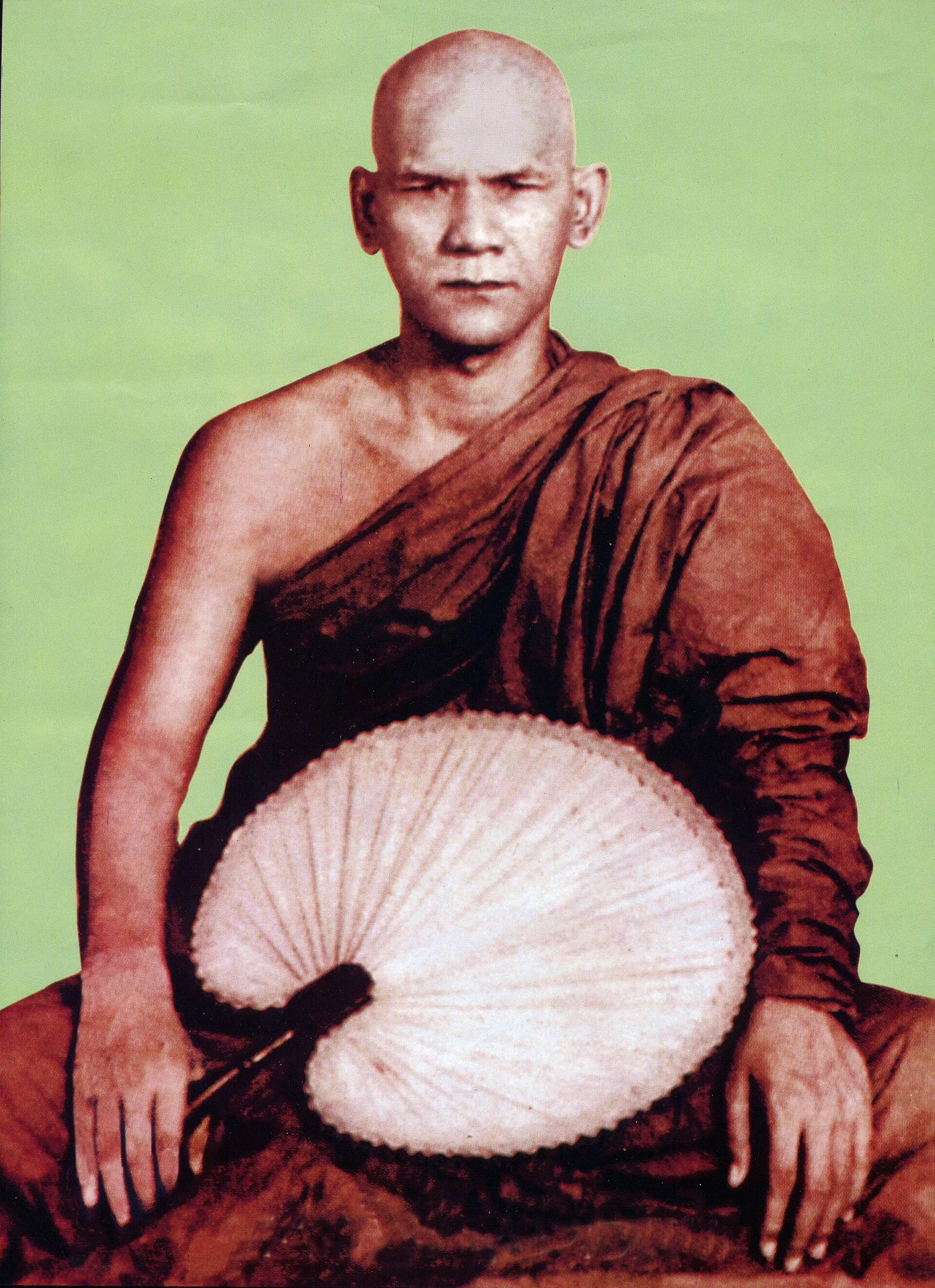
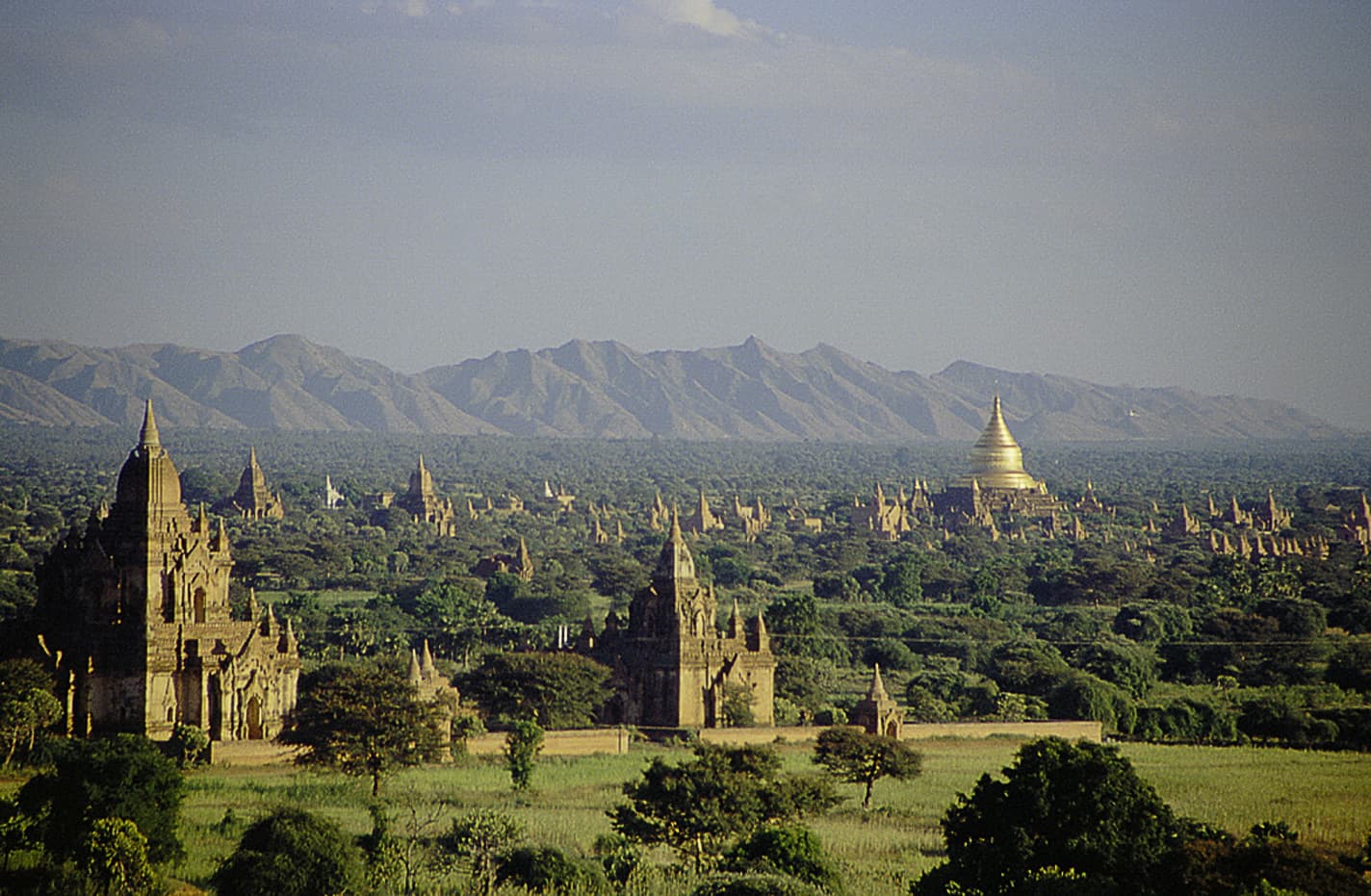
The tradition is not monolithic. Reform movements have repeatedly purified and re-energized it. In Burma, the Mahasi Sayadaw method of noting (developed in the early twentieth century) became the basis of much of the modern vipassana movement. In Thailand, the Forest Tradition of Ajahn Mun and Ajahn Chah recovered the rigorous wilderness practice that the Buddha himself recommended. In Sri Lanka the Ramanna and Amarapura Nikayas, founded in the eighteenth and nineteenth centuries, re-established higher ordination after periods of decline. The Burmese revival under Ledi Sayadaw at the end of the colonial period seeded a global lay meditation movement that, through teachers like S. N. Goenka and U Ba Khin, has put the practice in front of millions of non-Buddhists.
Approximately 150 million Theravada Buddhists practice today, primarily in Sri Lanka, Myanmar, Thailand, Cambodia, and Laos, with significant communities in southern Vietnam, Bangladesh's Chittagong Hill Tracts, and increasingly in the West through Insight Meditation Society (founded 1976, Massachusetts) and the global Thai Forest sangha. The bhikkhuni (fully ordained nun) order, which lapsed in Sri Lanka in the eleventh century, was revived from the Chinese Dharmaguptaka lineage in 1996 and remains the focus of ongoing reform.
What the Theravada offers — and what no other school offers in the same way — is the Pali itself. The actual phonetic-lexical layer in which the early teachings were preserved is closer to what the Buddha spoke than any other surviving language of the canon. To read the Majjhima Nikaya in Pali, or to hear the Mangala Sutta chanted at a Sri Lankan temple at dawn, is to come as close as one can come, twenty-five centuries later, to the actual voice of Gotama Buddha.