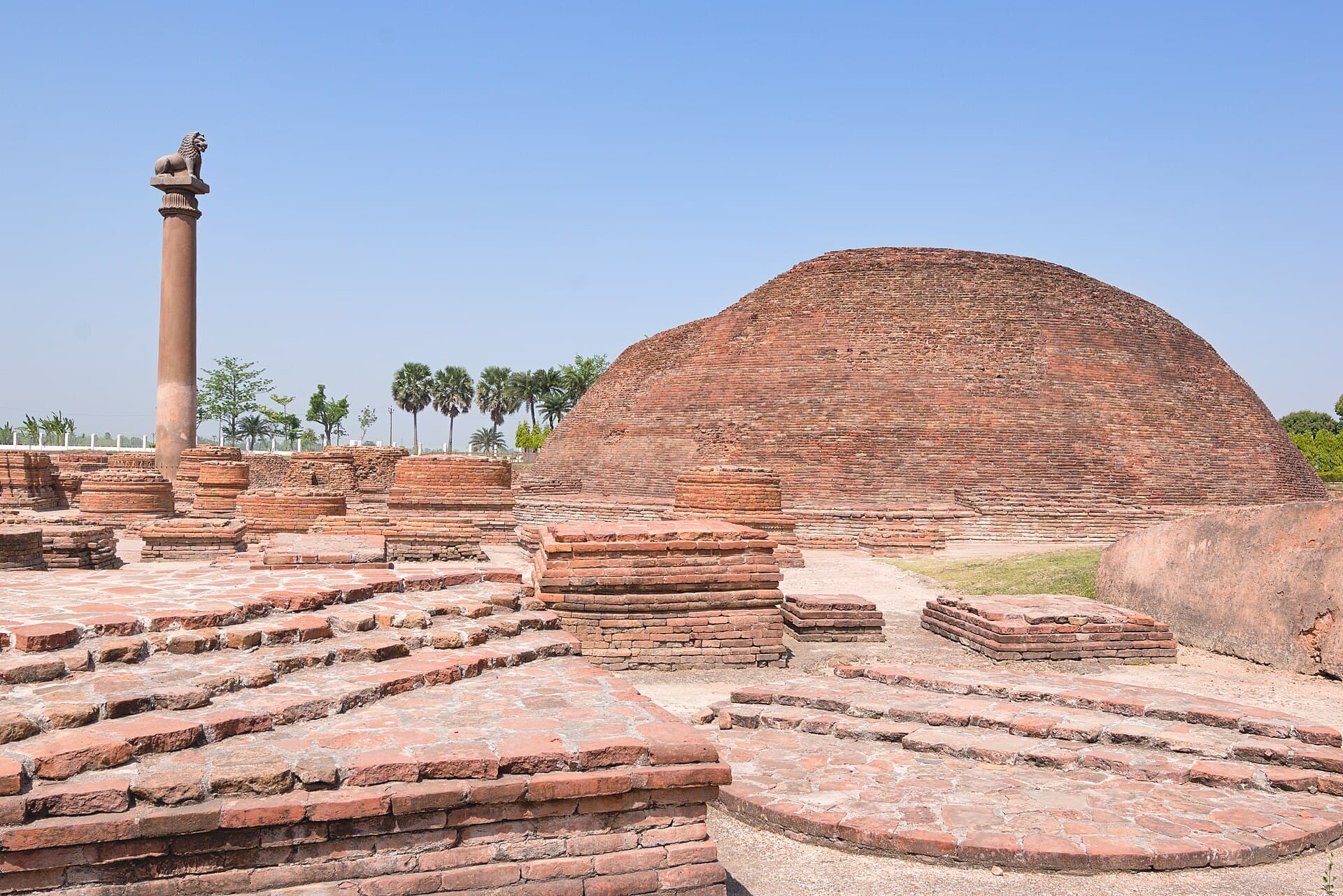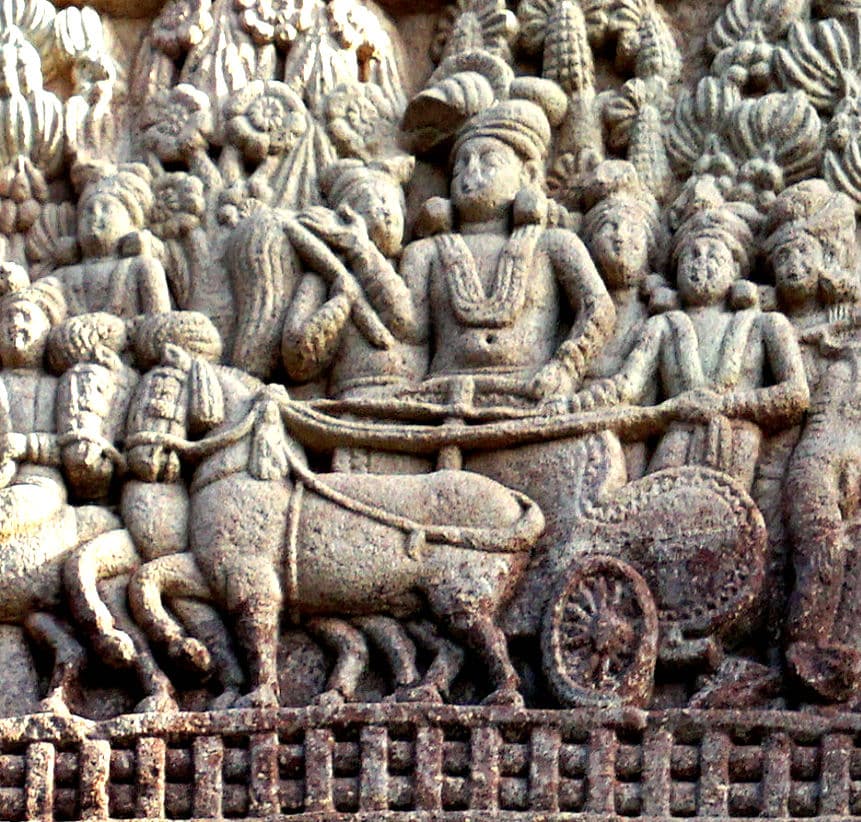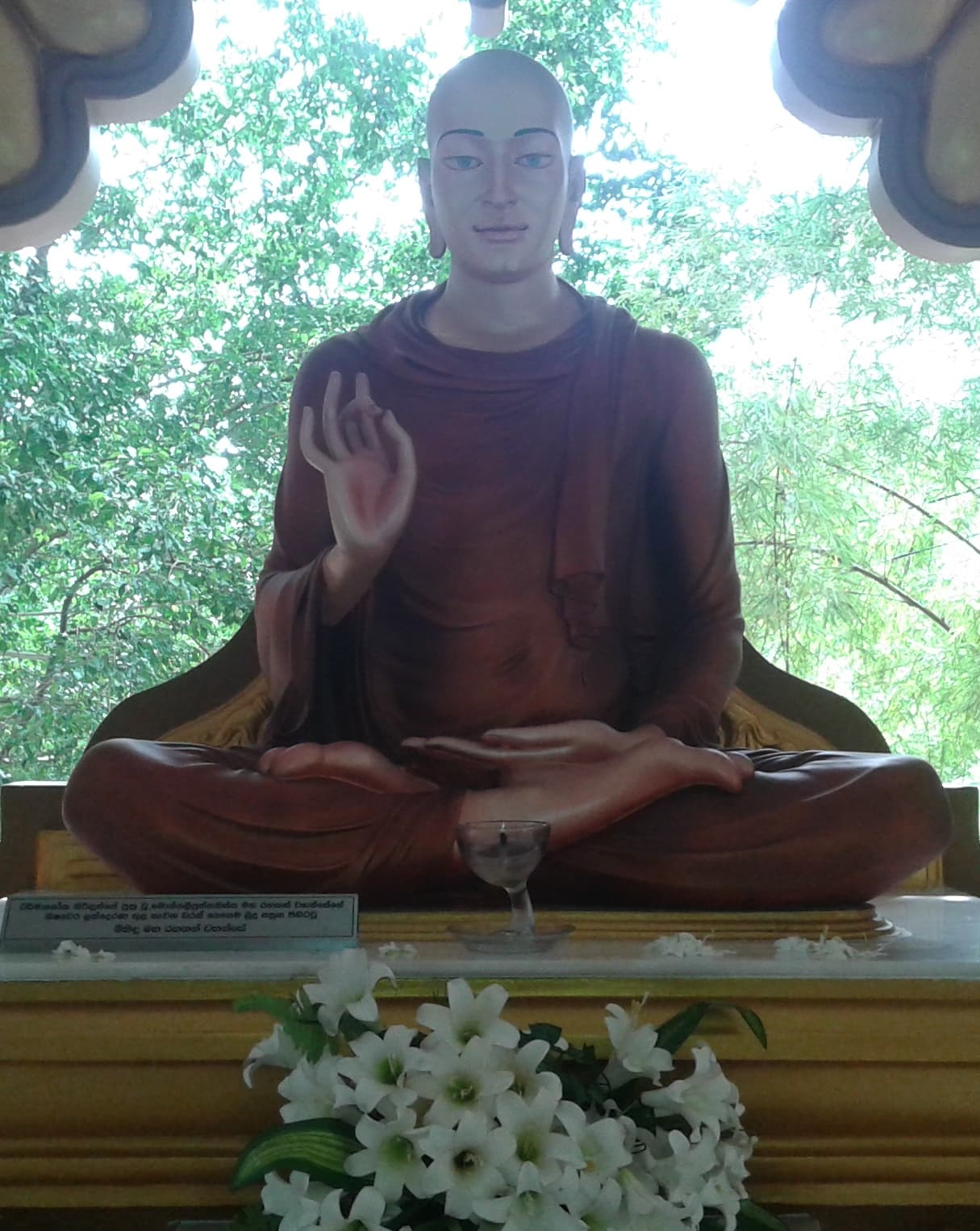
When the emperor Ashoka's son Mahinda crossed the strait between Tamilnadu and the island of Lanka in 247 BCE, leading the mission to Tambapanni that the Third Council at Pataliputra had dispatched, the Theravada had its second great founding moment. The first was the Buddha's sermon in the Deer Park at Sarnath. The second was Mahinda's arrival at Mihintale.
The Mahavamsa, the Great Chronicle of Sri Lanka composed by the monk Mahanama in the fifth or sixth century CE, gives the story in detail. King Devanampiya Tissa of Anuradhapura was hunting on the hill of Missaka (now Mihintale, 13 km east of Anuradhapura) on the full moon day of Jettha (June). A stag bounded across his path; he pursued it; the stag vanished into a clearing where, the chronicle says, a shaven-headed figure in saffron robes was waiting. 'Come forward, Tissa,' the figure said, calling the king familiarly by his given name. That figure was Mahinda. With him were the bhikkhus Itthiya, Uttiya, Sambala, Bhaddasala, and the novice Sumana, and the lay member Bhanduka. Mahinda preached the Culahatthipadopama Sutta (Majjhima Nikaya 27, the Lesser Discourse on the Elephant Footprint) — a measured introduction to the dharma that proceeds from the parable of judging an elephant by its footprint to the full path of liberation. The king and his retinue took the Three Refuges that evening.
Within three weeks the city of Anuradhapura had received Mahinda formally. The Mahamegha grove, donated by Devanampiya Tissa, became the Mahavihara — the Great Monastery — and remained the central institution of Sri Lankan Buddhism for more than a thousand years. Ashoka, hearing of his son's success, sent his daughter Sanghamitta, herself a bhikkhuni, with a sapling of the Bodhi tree of Bodh Gaya. The sapling was planted at Anuradhapura, where it grows today as the Sri Maha Bodhi — at over 2,260 years, the oldest authenticated human-planted tree on earth, and the most direct surviving physical link to the place of the Buddha's awakening. With Sanghamitta came the bhikkhuni ordination lineage, and Sri Lankan women — beginning with Queen Anula and her five hundred companions — entered the order.
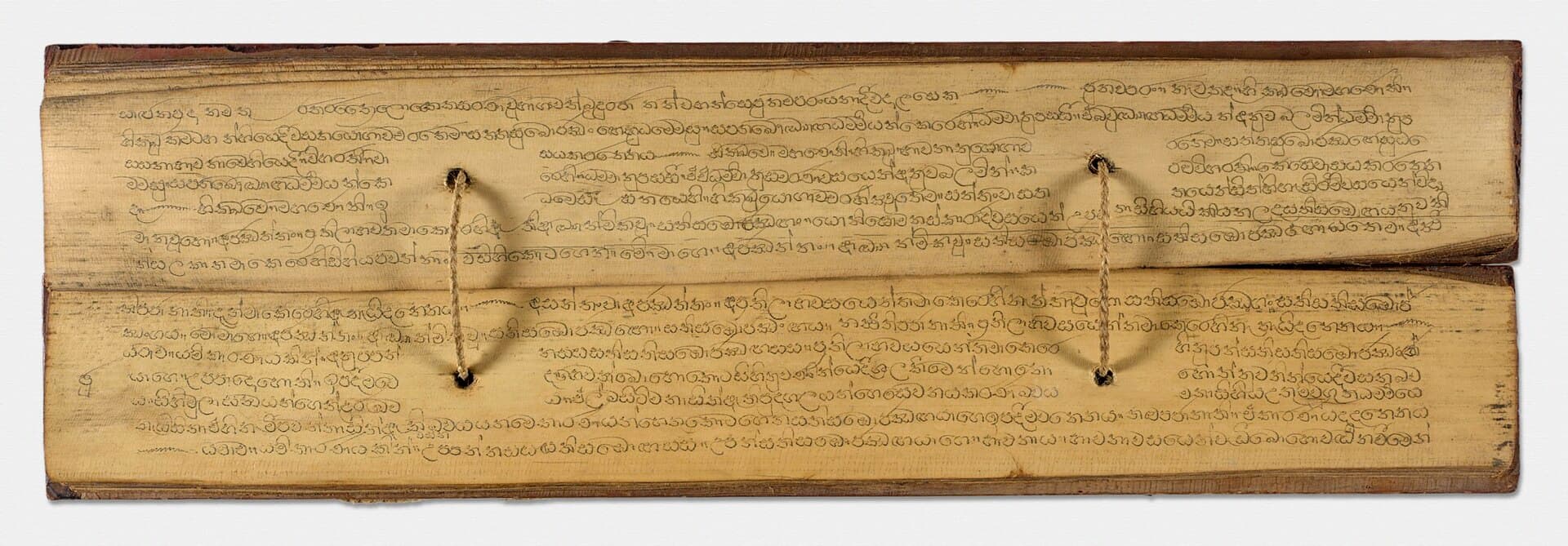
The transmission held. Three institutional moments cemented it. The first was the Aluvihare Council of 29 BCE, when, during the reign of King Vattagamani Abhaya and in response to famine and political instability that threatened the oral tradition, the entire Pali Canon was for the first time committed to writing on palm leaves at the Aluvihare cave temple north of Matale. The Tipitaka as a written corpus dates from this moment. The second was the composition of the great commentarial literature by Buddhaghosa, an Indian monk who came to the Mahavihara in the early fifth century CE and produced the Visuddhimagga (Path of Purification) along with definitive commentaries on the Vinaya, the Suttas, and the Abhidhamma. The Mahavihara tradition, through Buddhaghosa, became the doctrinal standard for what is now called Theravada wherever it is practiced. The third was the rivalry, eventually resolved, between the Mahavihara and the breakaway Abhayagiri and Jetavana monasteries, which had absorbed Mahayana and tantric currents in the early centuries CE; King Parakramabahu I in the twelfth century formally reunited the three under Mahavihara orthodoxy.
The lineage has not been continuous without effort. The bhikkhu ordination lapsed during the Chola occupation in the eleventh century and was revived from Burma in 1071 under Vijayabahu I. It lapsed again in the eighteenth century during Dutch and British colonization, and was revived in 1753 from Thailand by King Kirti Sri Rajasinha, founding the Siyam Nikaya. The Amarapura Nikaya (from Burma, 1803) and Ramanna Nikaya (also Burmese, 1864) added two more lineages, each addressing caste-restriction issues in the Siyam Nikaya. The bhikkhuni lineage, which had been carried from Sri Lanka to China around 433 CE by the nun Devasara and her companions, was revived in Sri Lanka in 1996 through the Chinese Dharmaguptaka line and is now operational again on the island where it began.
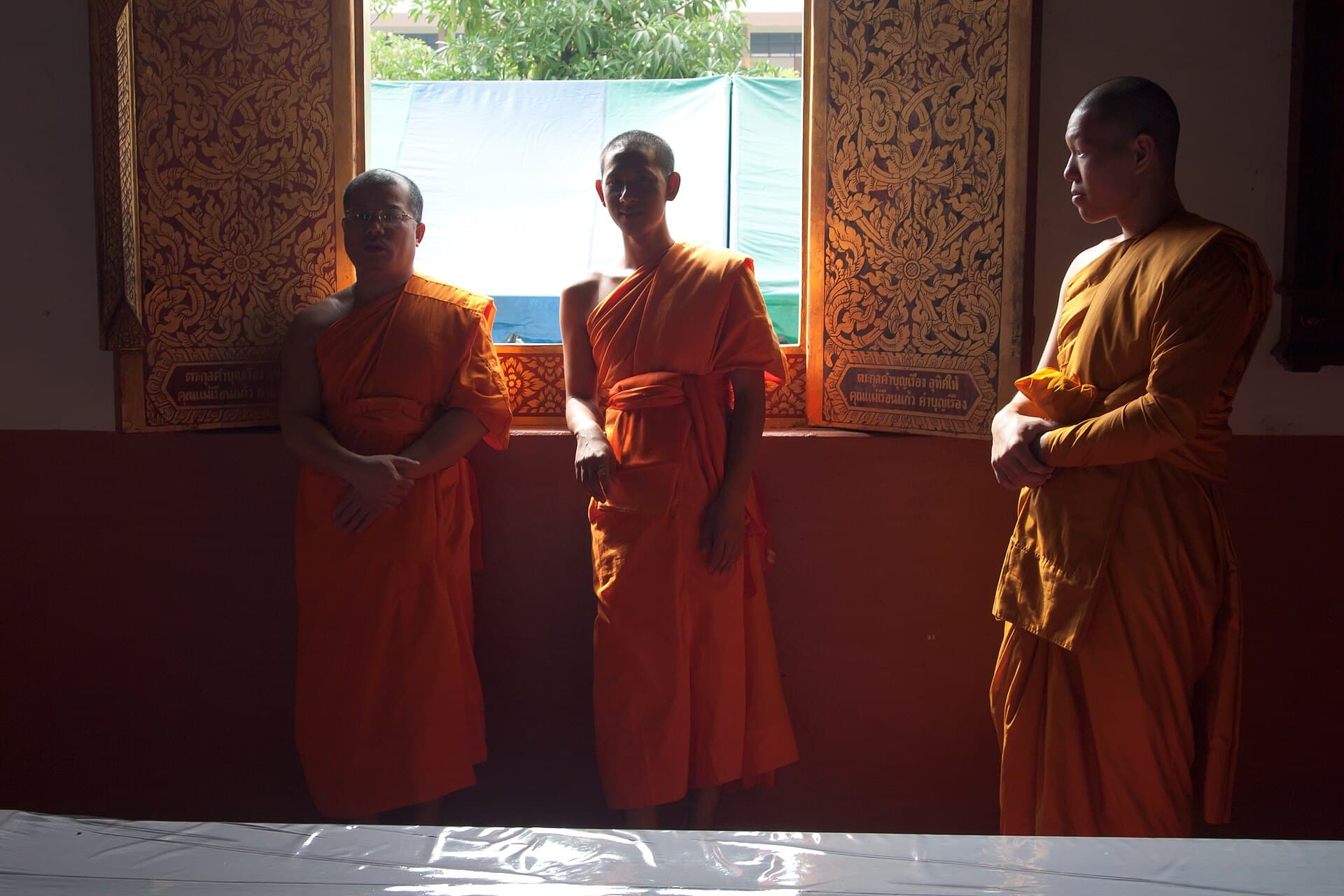
Sri Lanka holds the seniority claim of the southern Buddhist transmission. Twenty-three centuries after Mahinda crossed the strait, the Pali Canon is still chanted at the Mahavihara, the Bodhi tree still grows at Anuradhapura, and the lineage of saffron-robed monastics still goes for alms each morning in cities and villages from Galle to Jaffna. The mission Ashoka sent has not ended.