The early history of the Buddhist Sangha is told in three councils. Each council was a moment of canonical consolidation; each was also a moment of disagreement that left a permanent mark on the tradition.
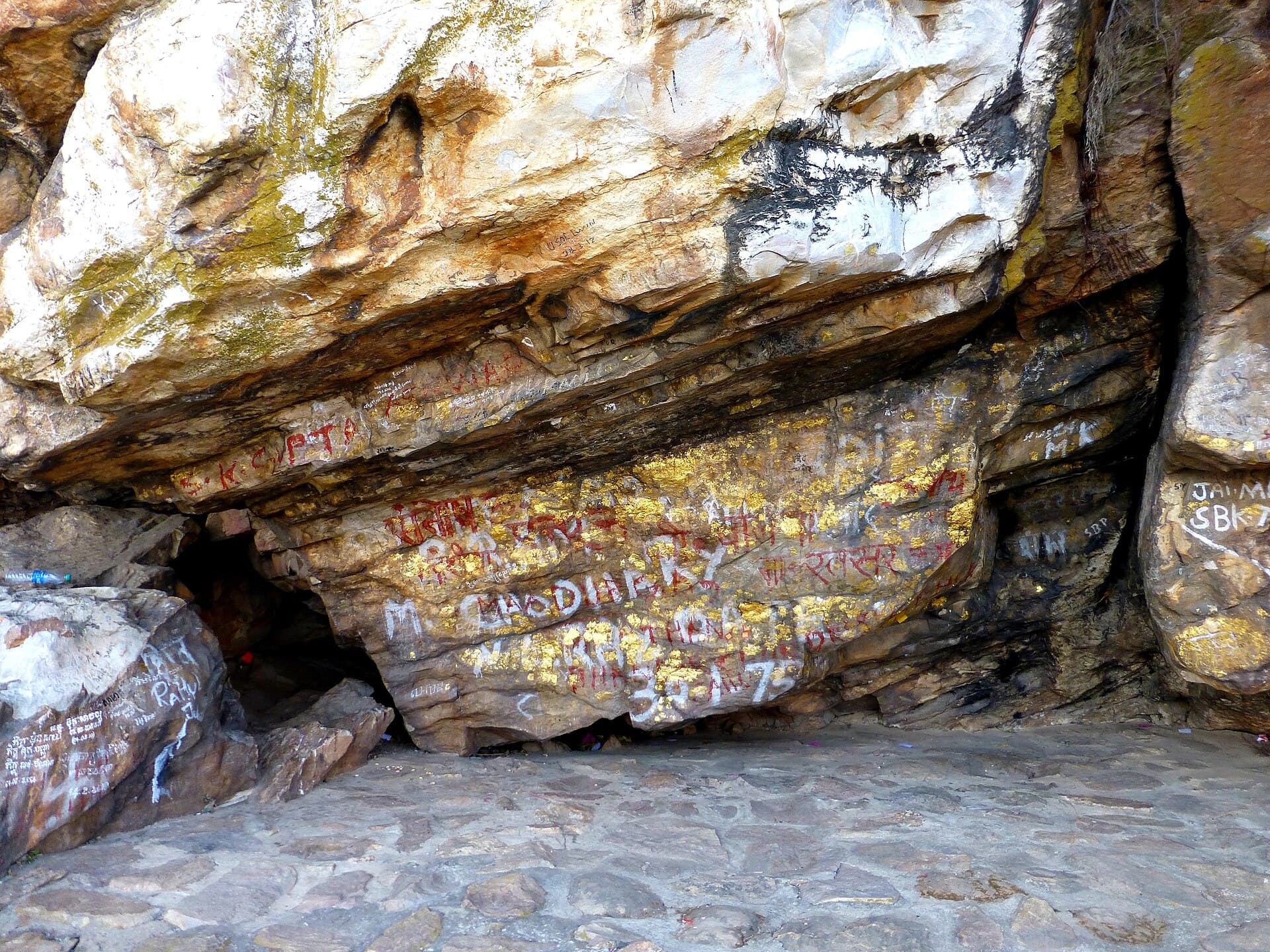
The first, at Rajagriha (Rajgir) around 483 BCE, three months after the Buddha's parinirvana, was convened by the elder Mahakassapa to recite and fix the dharma and vinaya from the memory of those who had heard the Buddha directly. Upali led the recitation of the Vinaya; Ananda led the recitation of the Dhamma. Five hundred arahants chanted in unison and ratified the texts. The full account of this council is preserved in the Cullavagga and treated separately in the entry on the First Council.
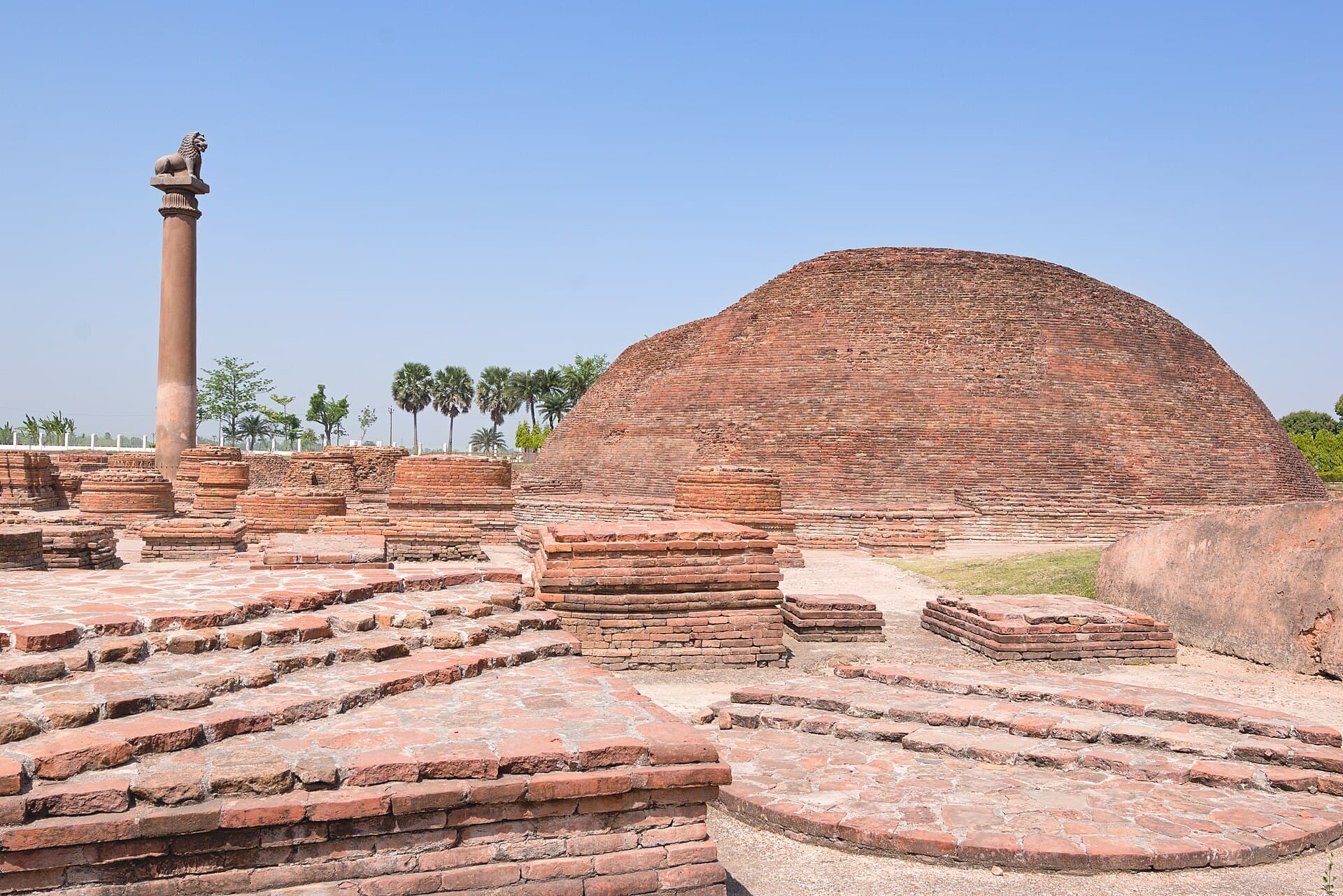
The second council, at Vaishali (Pali: Vesali) approximately a century later — c. 383 BCE in the traditional reckoning, with modern estimates ranging from 386 to 367 BCE — was convened to resolve a dispute over the Vinaya. The Vajjian (Licchavi) monks of Vaishali had begun to practice ten conduct items that the more conservative monks of the western traditions held to be against the rule. The most famous of the ten was accepting gold and silver, but the list also included drinking unfermented palm sap, keeping leftover food, and assembling separate uposatha meetings within the same boundary. The elder Yasa of Kakandakaputta, traveling through Vaishali, witnessed the practices and protested. Both sides convened a council of seven hundred arahants at the Valikarama monastery; the elder Revata of Soreyya was appointed to question Sabbakami, the senior monk, on each of the ten points. Each was judged against the rule, and each was ruled unallowable. The Vajjian monks did not accept the verdict.
The importance of the Second Council is what came after. The dissenting monks — the Mahasamghika, the Great Assembly — broke from the conservative party, the Sthaviravada, the Way of the Elders. This is the first formal schism in Buddhist history. From the Sthaviravada line descended what would become the Theravada and other early schools (Sarvastivada, Vatsiputriya, Mahisasaka, Dharmaguptaka). From the Mahasamghika line descended traditions that, two or three centuries later, would seed the Mahayana movement with new sutras and a new bodhisattva-centric orientation. The geographic split correlated: Sthaviravada stayed strong in the west and south of India; Mahasamghika flourished in the Andhra region of the east coast and eventually in the northwest and Central Asia.
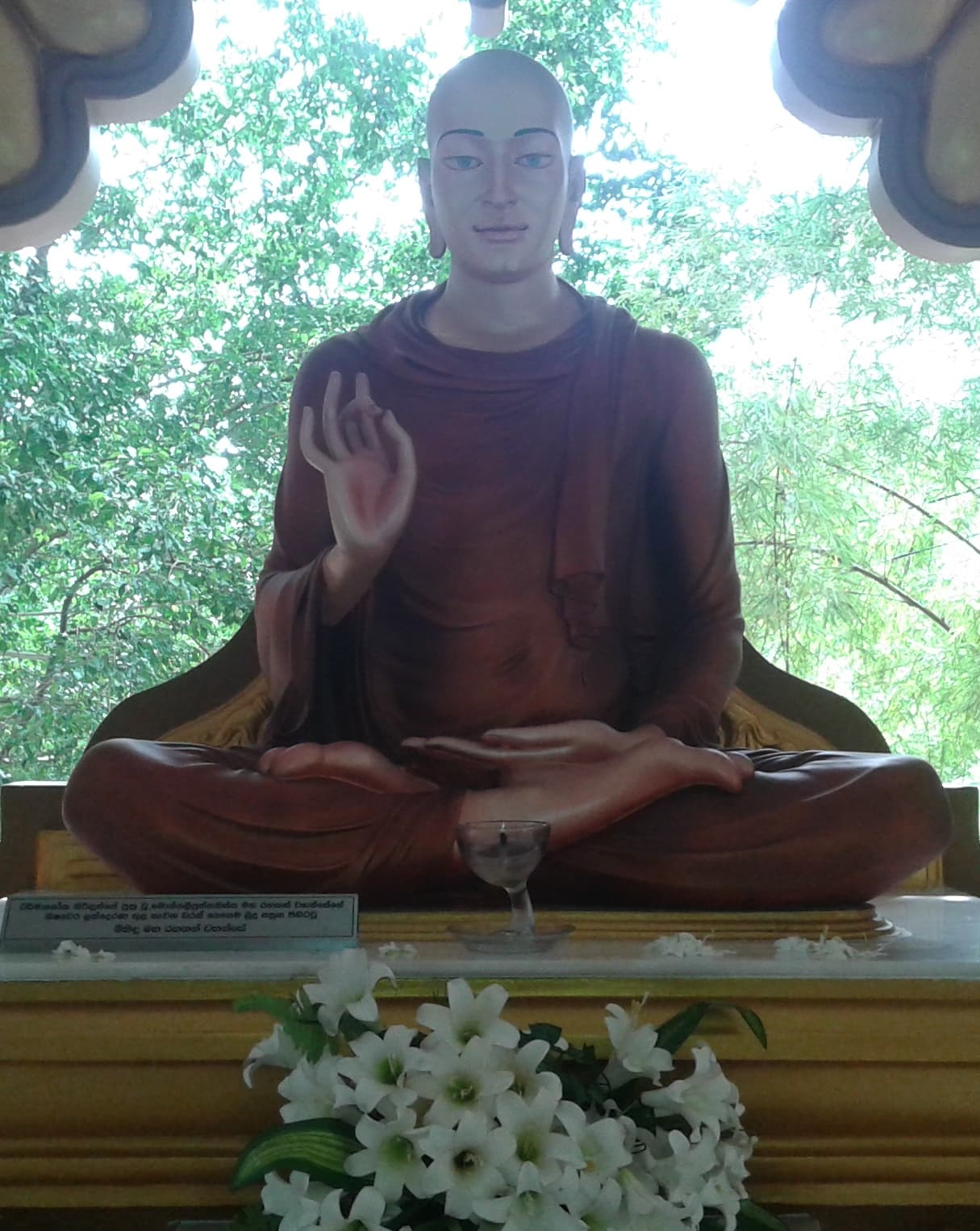
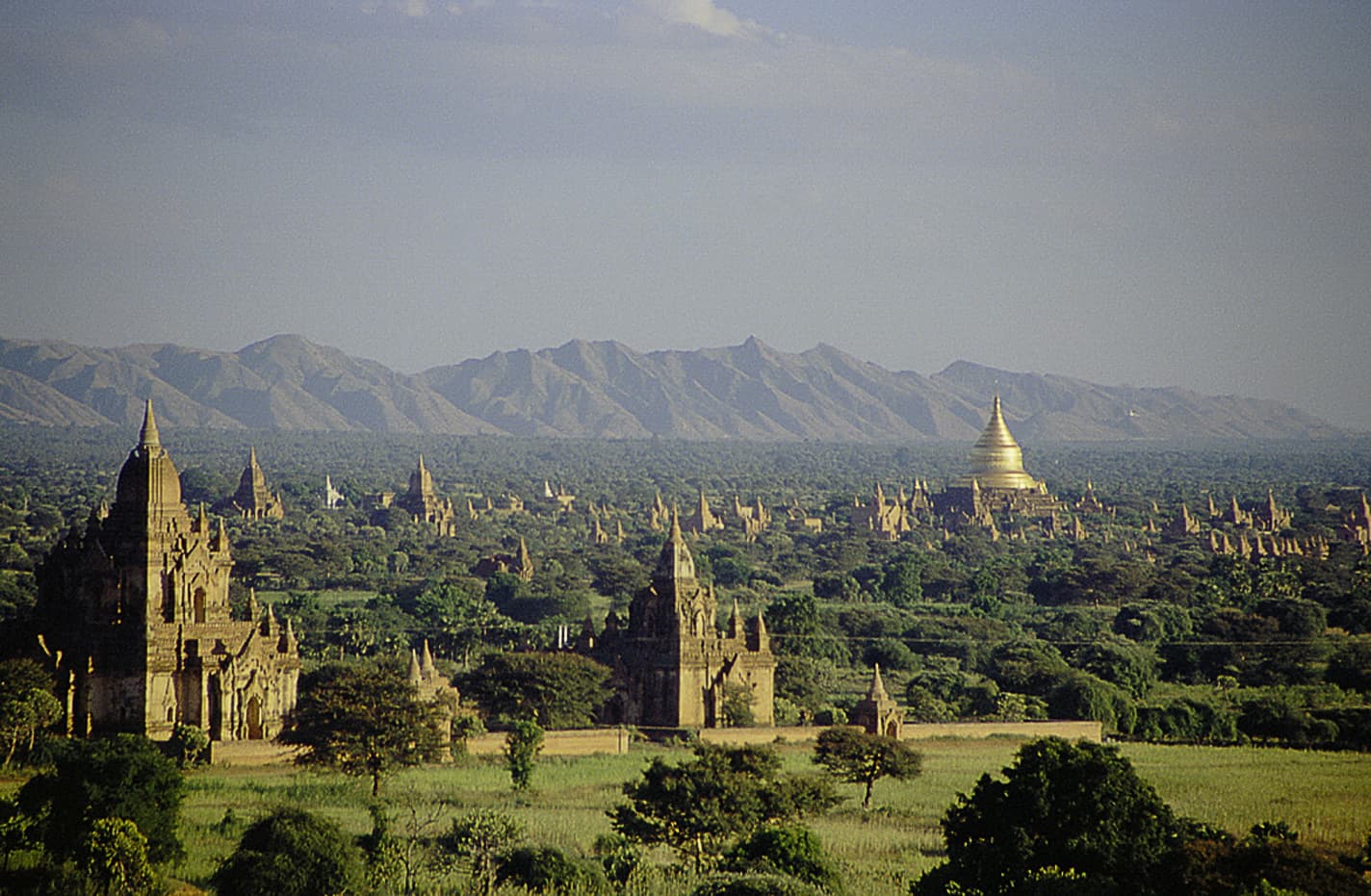
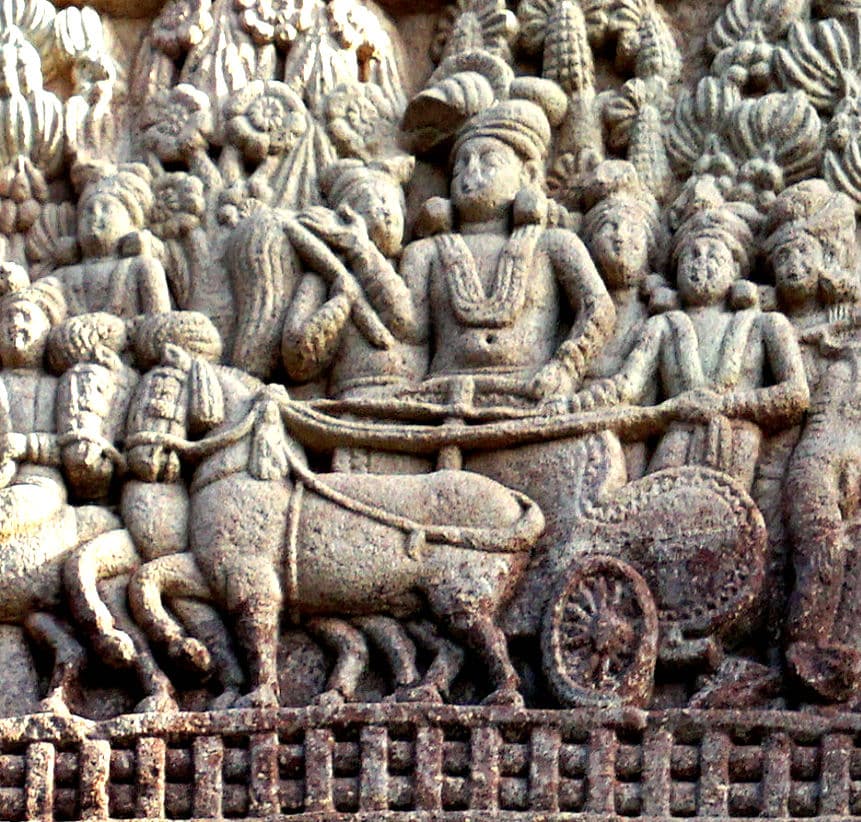
The third council, at Pataliputra (modern Patna) around 250 BCE, was convened by the emperor Ashoka the Just, who had embraced the dharma after his conquest of Kalinga and had become its greatest patron. The presiding elder was Moggaliputta Tissa. The council, recorded in the Mahavamsa and the Dipavamsa (both Sri Lankan chronicles, and thus presenting the Theravada perspective; the council is not as prominent in northern sources), purified the Sangha of false monks who had entered for material benefit during Ashoka's lavish patronage. Sixty thousand are said to have been disrobed. The Kathavatthu — the Points of Controversy, a refutation of two hundred and nineteen heterodox positions — was added to the Abhidhamma Pitaka. Most consequentially, Ashoka and Moggaliputta Tissa dispatched nine missionary delegations to carry the dharma outward: to Kashmir and Gandhara (Majjhantika), to the Himalayan region (Majjhima and Kassapagotta), to the Yona country in the northwest (Maharakkhita), to Aparantaka (Yonaka Dhammarakkhita), to Maharatta (Mahadhammarakkhita), to Mahisamandala (Mahadeva), to Vanavasi (Rakkhita), to Suvannabhumi — Burma and the lower Mekong (Sona and Uttara), and to Lanka (Mahinda, Ashoka's own son). The rock and pillar edicts that Ashoka inscribed across his empire — at Sarnath, at Lumbini, at Sanchi, at Mahasthan, at Kandahar, at Kalinga, at thirty-three sites in all — broadcast the dhamma in Prakrit and Greek and Aramaic.
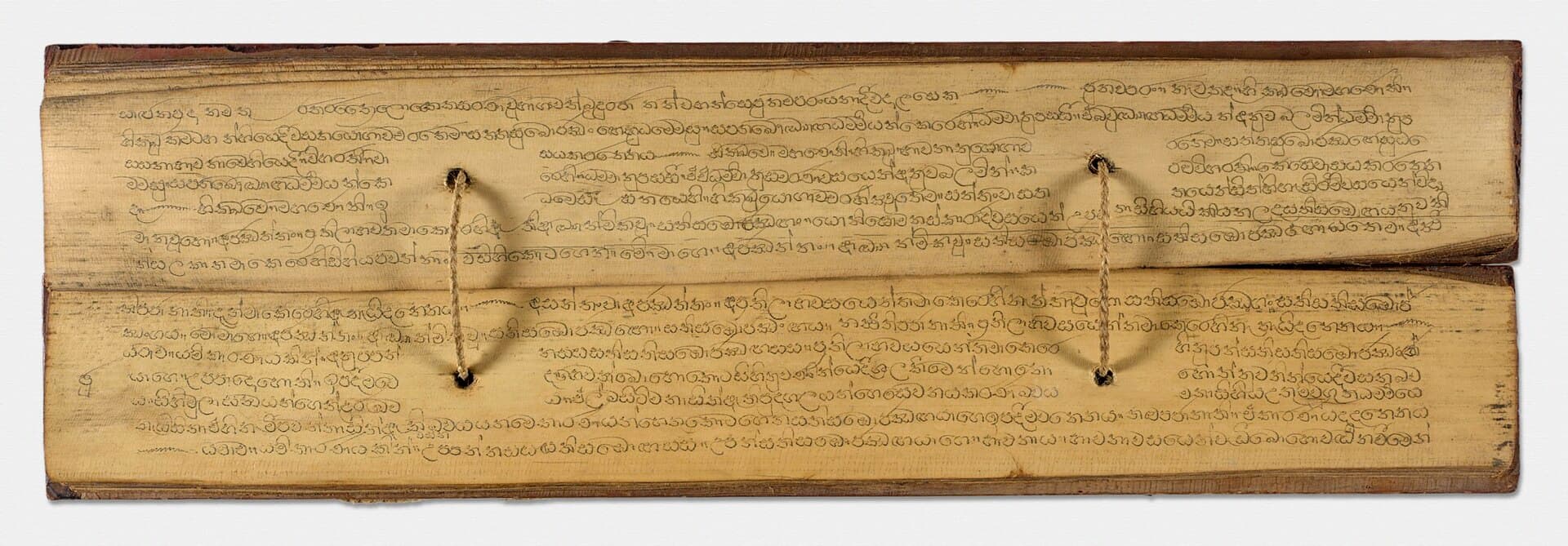
The three councils were the institutional skeleton. The first preserved the words. The second produced the first schism — the seed of the eventual divergence between what would become Theravada and Mahayana. The third sent the dharma out from the Ganges plain to the rest of Asia. Without Rajgir there would be no canon. Without Vaishali there would be no Mahayana. Without Pataliputra there would be no Sri Lanka, no Burma, no Thailand, no China, no Tibet, no Japan, and no global Buddhism. The Sri Lankan tradition counts a Fourth Council at Aluvihare in 29 BCE, when the canon was written down on palm leaves under King Vattagamani. The Sarvastivada tradition counts a separate Fourth Council under Kanishka in the second century CE in Kashmir. After that, the dharma's history scatters into national and sectarian streams, and the unified council ceases to be the unit of measurement.