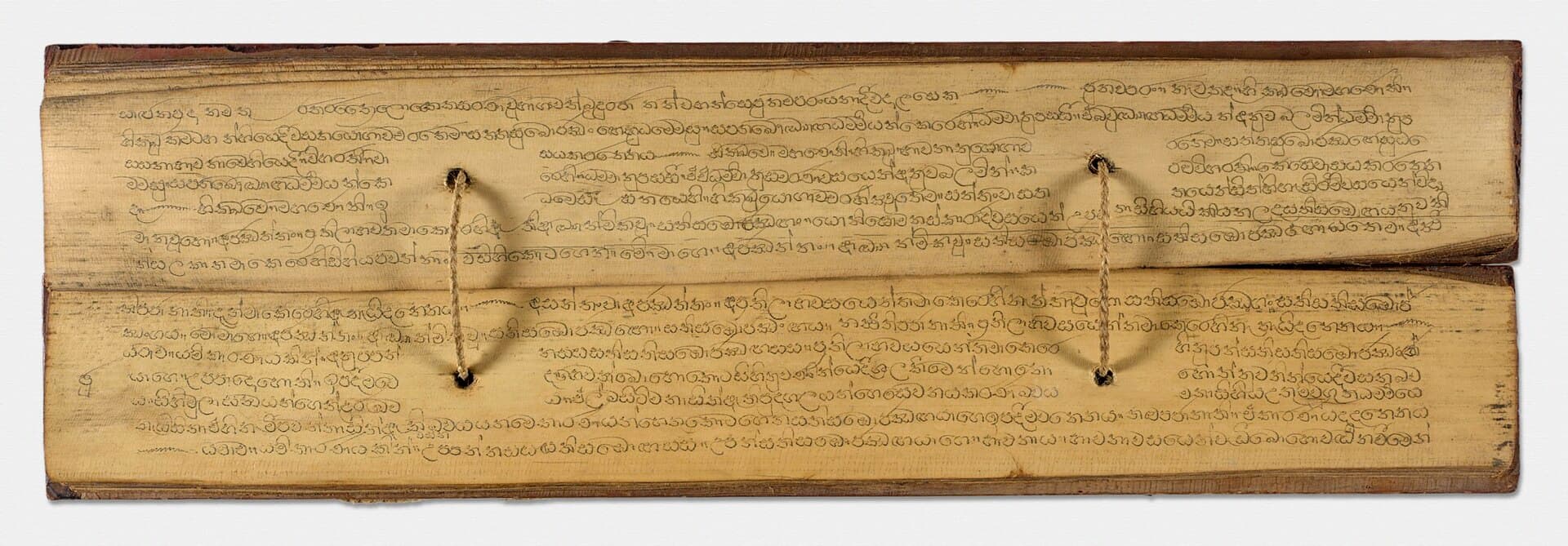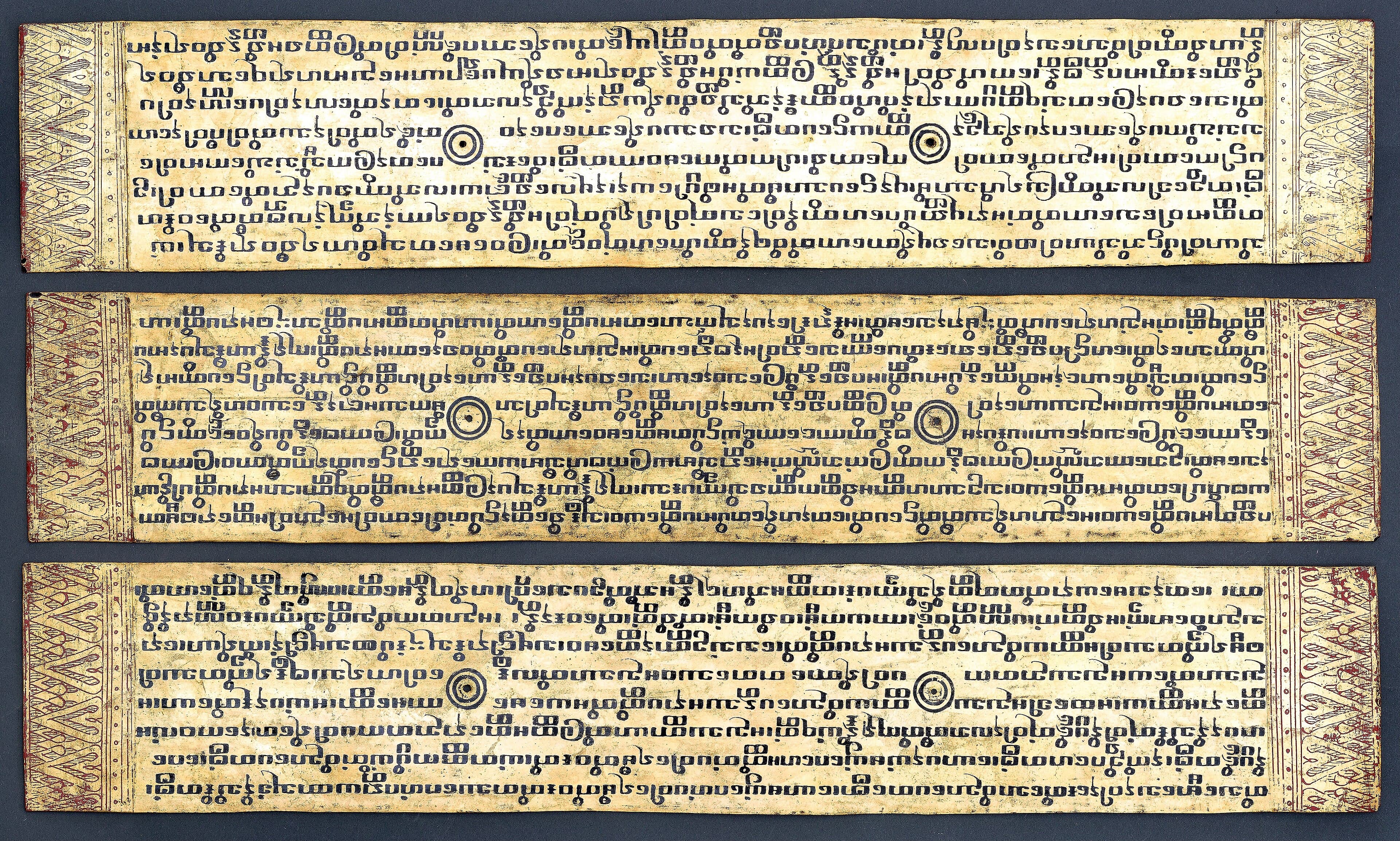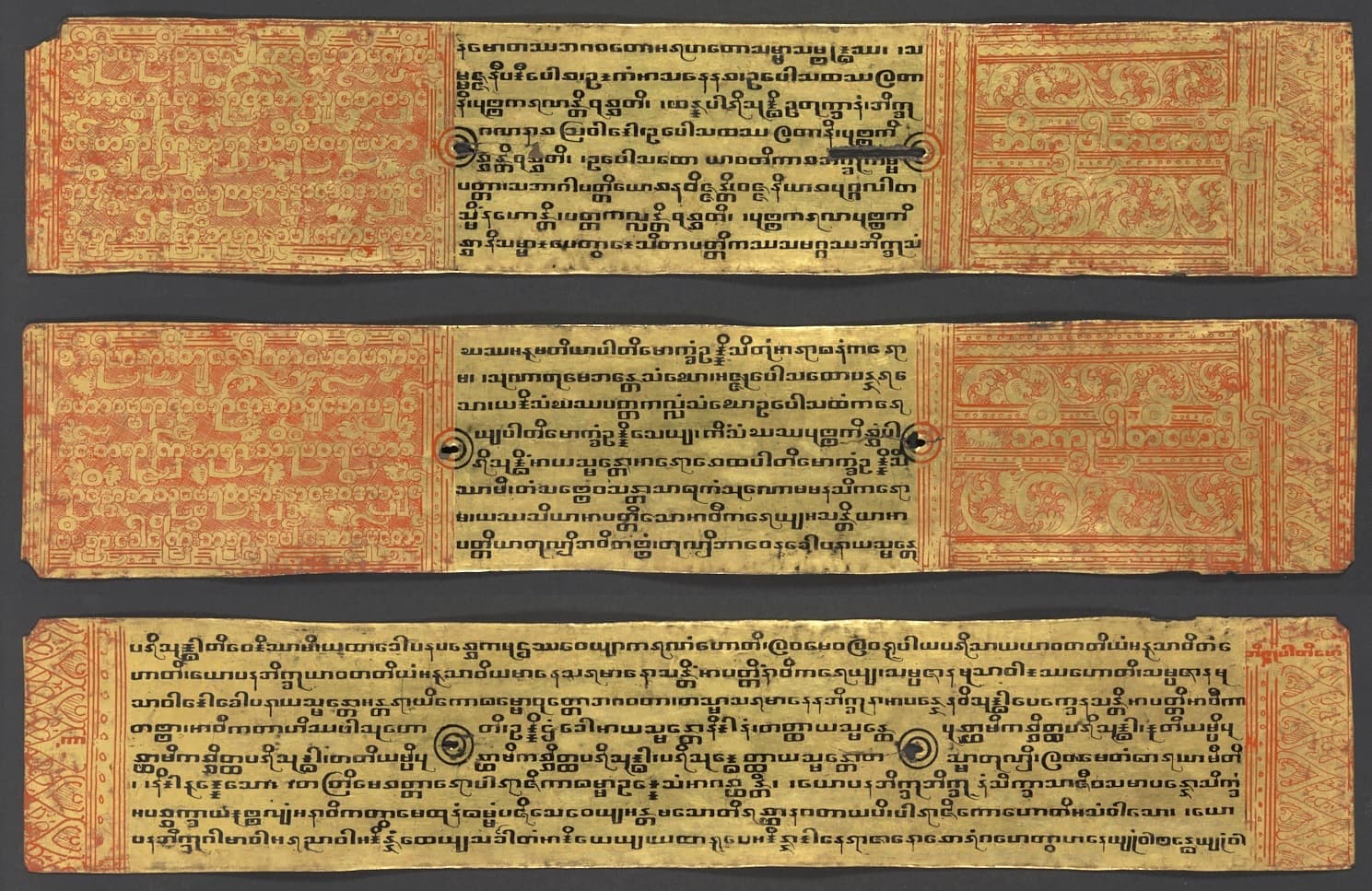
Where the Sutta speaks in narrative and dialogue, the Abhidhamma speaks in analysis. The seven books of the Abhidhamma Pitaka — the Dhammasangani, the Vibhanga, the Dhatukatha, the Puggalapannatti, the Kathavatthu, the Yamaka, and the Patthana — together constitute the most rigorous systematic philosophy produced by any ancient Indian school. The project is to take every phenomenon described in the Sutta Pitaka (every aggregate, every sense base, every type of consciousness, every mental factor) and exhaustively map it: what arises with what, what conditions what, what excludes what.
The foundational concept is the dhamma — an irreducible mental or physical event. There are 89 types of consciousness (cittas), 52 mental factors (cetasikas), 28 types of materiality (rupa), and one unconditioned reality (nibbana). Every experience that has ever occurred or will ever occur is some combination of these elements. The Patthana — the seventh and final book — analyzes the twenty-four modes of conditional relations by which any dhamma can give rise to any other. Tradition holds that the Buddha taught the Abhidhamma in Trayastrimsa heaven over three months, descending to earth at Sankisa to summarize it for Sariputta, who taught it to the assembled monks.
The Kathavatthu — 'Points of Controversy' — is unique among the seven books. It records the debates between the early Buddhist schools (Theravada, Sarvastivada, Pudgalavada, Mahasanghika) over points of doctrine. It was compiled at the Third Council in Pataliputra (c. 250 BCE) under Moggaliputta Tissa, who refuted heterodox positions on behalf of the Theravada. It is the earliest record of inter-Buddhist sectarian debate.
The most influential post-canonical Abhidhamma work is the Abhidhammattha-sangaha — the 'Compendium of the Topics of the Abhidhamma' — composed by Anuruddha (c. 11th century CE) as a concise systematic summary. It is the standard introductory Abhidhamma text in Burma, Sri Lanka, and Thailand to this day. Bhikkhu Bodhi's 1993 'Comprehensive Manual of Abhidhamma' is the standard contemporary English commentary.
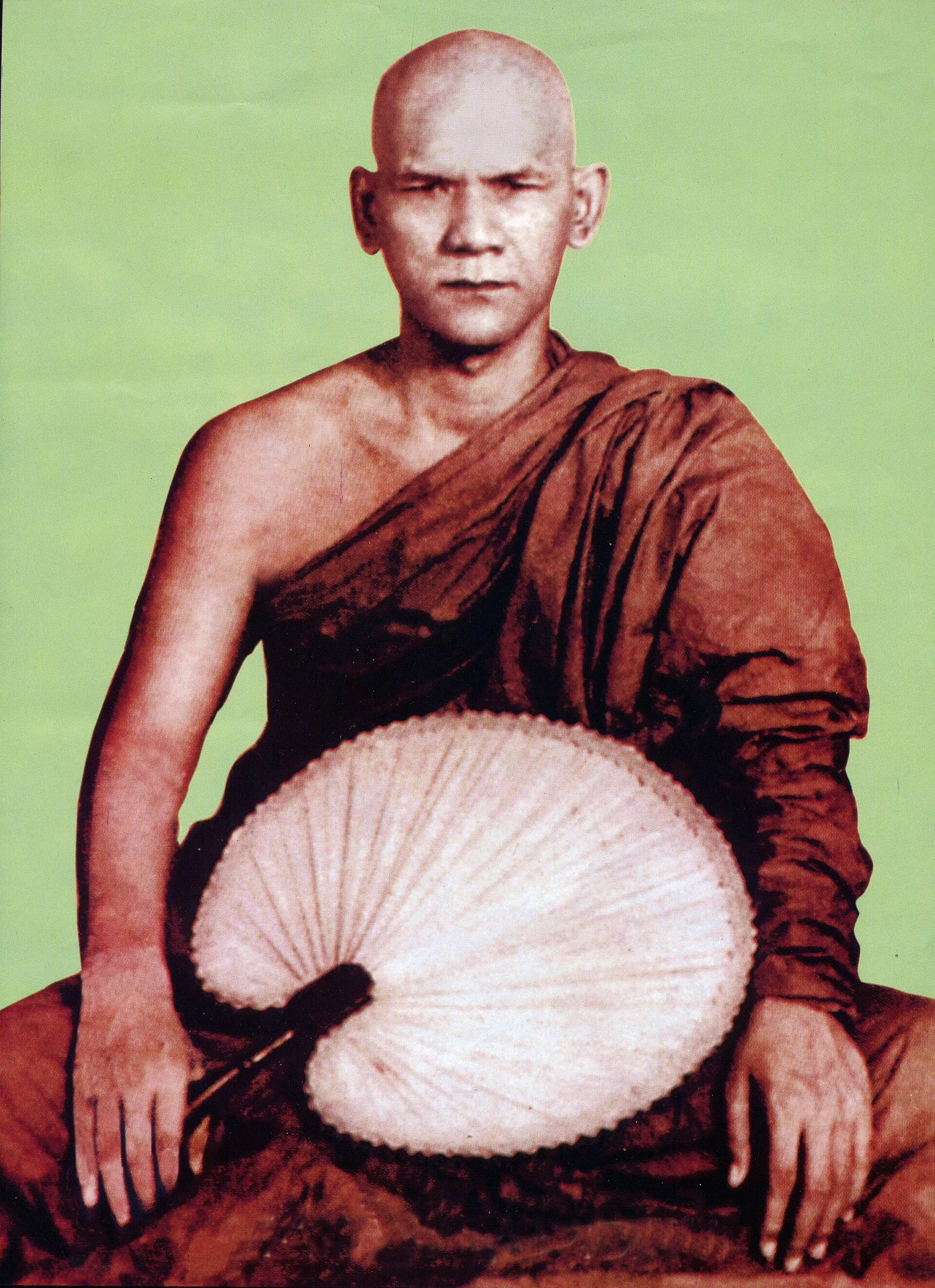
The Abhidhamma is not casual reading. But for those who can follow it, it is the most precise description of mental phenomena ever written. The vipassana traditions of Burma — Mahasi, Ledi, U Ba Khin — all rest on the Abhidhamma as their phenomenological vocabulary.