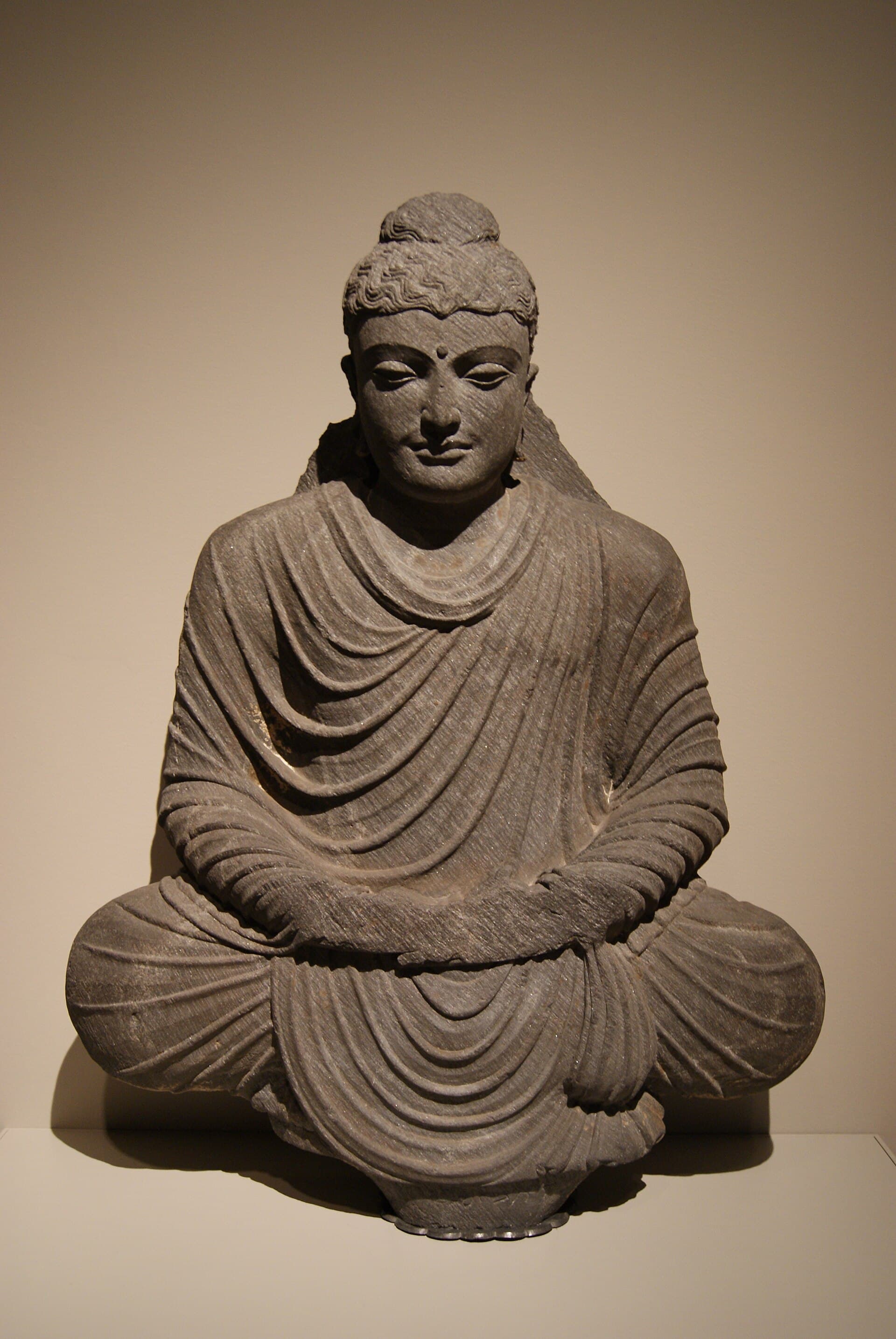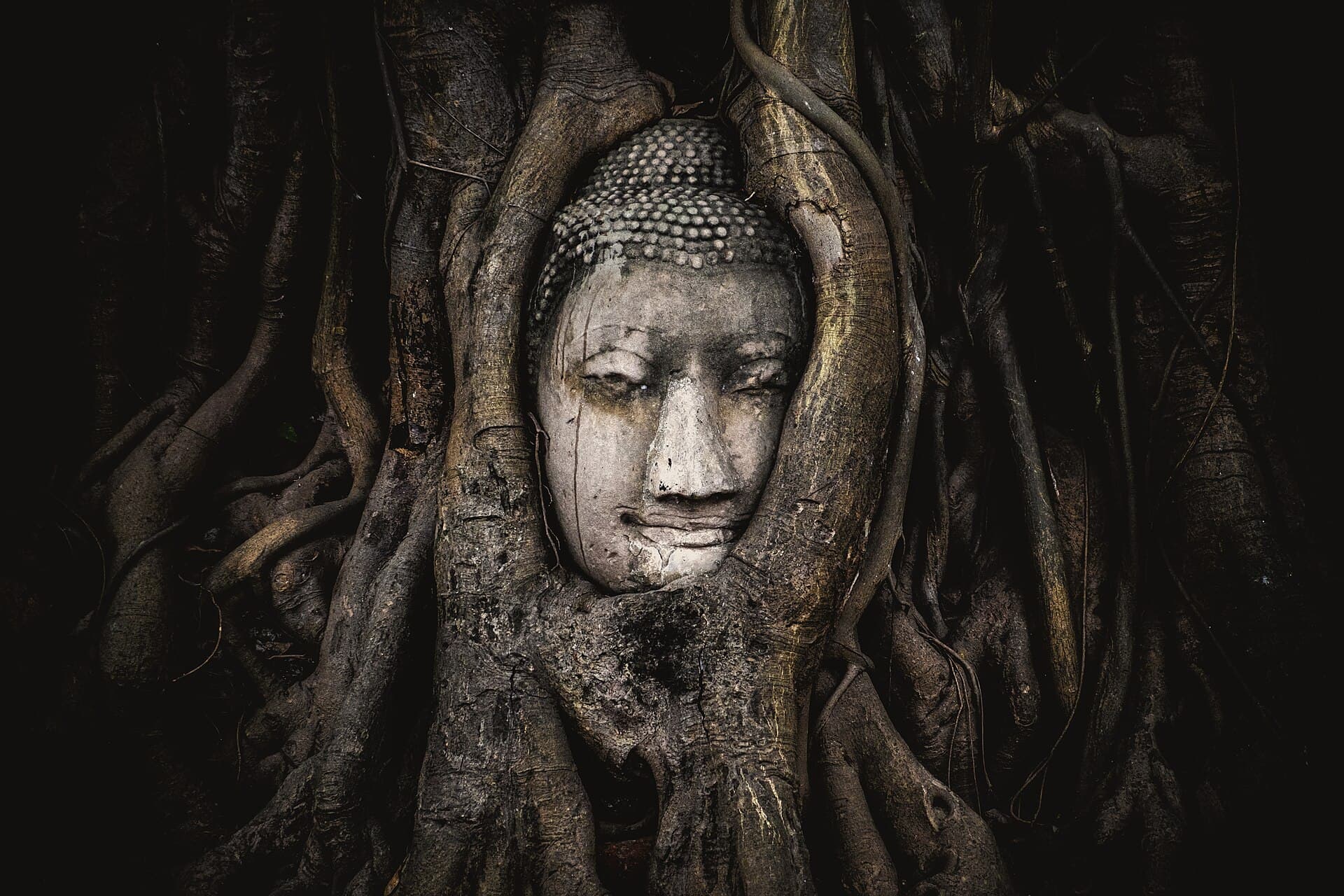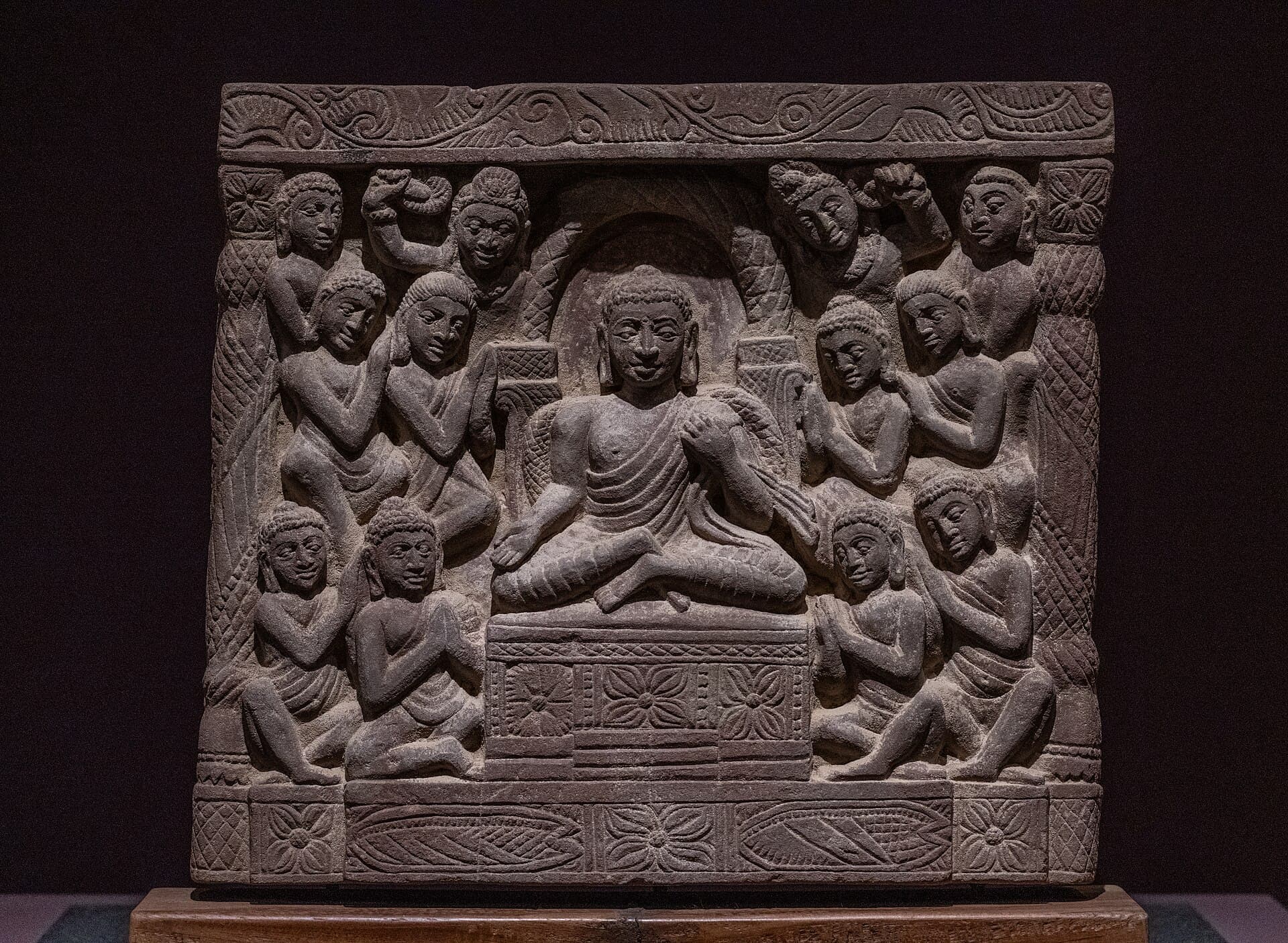
Vipassana is the practice of seeing things as they actually are — anicca (impermanent), dukkha (unsatisfactory), anatta (without self) — not as we wish them to be. The Pali word vipassanā means 'clear seeing' or 'insight,' from vi (special, into) and passanā (seeing). The Buddha taught the foundations of insight practice in the Satipatthana Sutta (MN 10) and the Mahasatipatthana Sutta (DN 22): four contemplations — of the body, the feelings, the mind, and the mind-objects — sustained with continuous, non-reactive awareness.
The instruction in the Satipatthana Sutta is direct. 'A bhikkhu, having gone to the forest, to the foot of a tree, or to an empty hut, sits down. Having folded his legs crosswise, he sets his body erect and establishes mindfulness in front of him. Mindful, he breathes in; mindful, he breathes out. Breathing in long, he understands: I breathe in long. Breathing out long, he understands: I breathe out long.' From the breath, the practice extends outward — to bodily postures (walking, standing, sitting, lying down), to bodily actions, to the parts of the body, to the four elements, to a corpse in various stages of decomposition. Then to feelings: pleasant, painful, neutral, with worldly attachment, without. Then to mind-states: lustful or not, hateful or not, deluded or not, contracted or scattered. Finally to the dharmas: the five hindrances, the five aggregates, the six sense bases, the seven factors of awakening, the four noble truths.
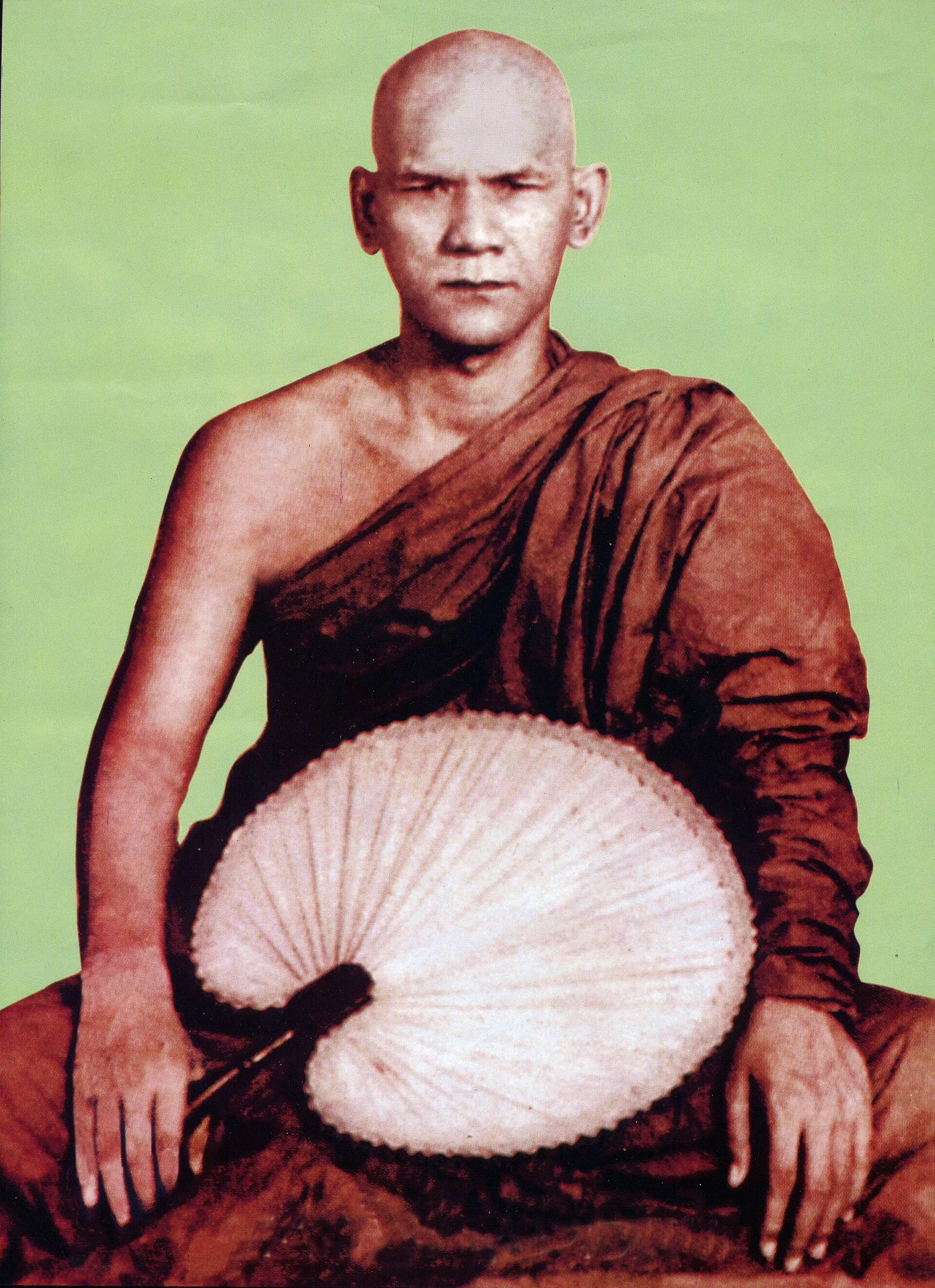
In its modern revival, vipassana is most often associated with two Burmese lineages. The Mahasi tradition, established by Mahasi Sayadaw (1904-1982), emphasizes noting the moment-to-moment arising of phenomena — 'rising... falling... thinking... hearing...' — with mental labels that train the mind to recognize impermanence directly. The U Ba Khin / S.N. Goenka tradition, established by U Ba Khin (1899-1971) and brought to the world by his student Goenka (1924-2013), works systematically with bodily sensation, sweeping attention from head to feet and back, observing sensations arise and pass with equanimity, recognizing through direct experience that nothing within the body has permanence.
Both lineages derive from the same canonical source. Both are taught freely in 10-day retreats in centers across the world. The Goenka centers, in particular, operate on pure donation: there is no fee for the teaching, and students are asked to give only after they have completed a course and only what they think is right.
The practice is simple to describe and difficult to do. The Buddha said that if one were to practice the four foundations of mindfulness for seven days, one of two fruits could be expected: final knowledge here and now, or, if there is a residue of clinging, the state of non-returner. The text is the Satipatthana Sutta; the practice is the rest of one's life.