KNOWLEDGE/PRACTICES/TONGLEN — GIVING AND TAKING
PracticesVajrayana

Tonglen — Giving and Taking

Breathing in the suffering of others

The Tibetan practice of breathing in the suffering of others and breathing out one's own happiness in return. The bodhisattva's reversal of the ordinary impulse.

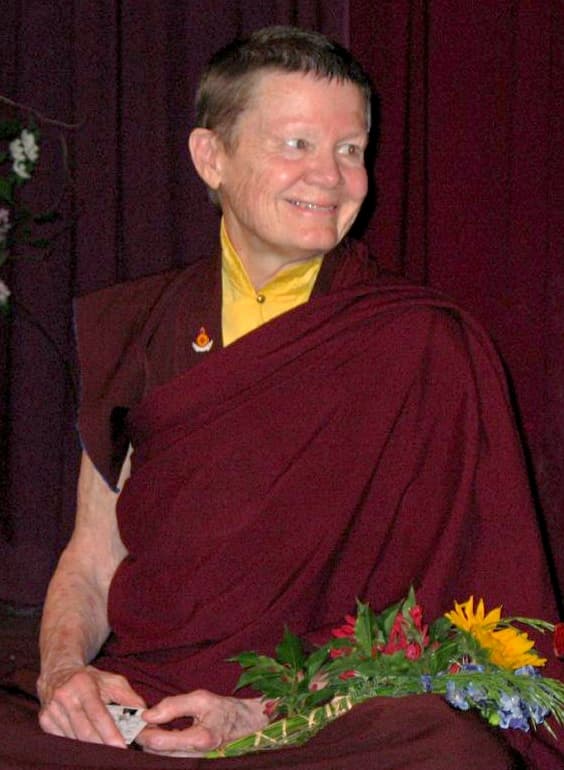
Portrait of Pema Chödrön, who teaches tonglen widely in the West
Photo: CC BY-SA 2.0, via Wikimedia Commons

Tonglen — the Tibetan word means 'giving and taking' (gtong len) — is the heart of the Mahayana mind-training (lojong) tradition. The practice was transmitted from India to Tibet by Atisha (982-1054), who brought it from his teacher Serlingpa in Sumatra. Atisha taught it to his disciple Dromtonpa; the practice was preserved in the Kadampa lineage and articulated in Geshe Chekawa's 'Seven Points of Mind Training' (12th century) and Langri Tangpa's 'Eight Verses of Mind Training.' It became central to the Gelug, Kagyu, and Nyingma practice traditions, and in the modern era has been brought to Western practitioners primarily through Chögyam Trungpa and Pema Chödrön.

The practice is the deliberate reversal of the ordinary impulse. The ordinary impulse, when meeting suffering, is to push it away and reach for happiness. Tonglen does the opposite. As you breathe in, you imagine taking on the suffering of beings — your own suffering first, then the suffering of someone you love, then the suffering of someone neutral, then the suffering of someone difficult, then the suffering of all beings. You imagine the suffering entering you as a dense black cloud, a heat, a heaviness. As you breathe out, you send out happiness, light, ease, well-being — to those same beings, in that same expanding sequence.

The practice can be done on the cushion as a formal meditation. It is also done in daily life as a 'tonglen on the spot' — when you encounter someone in pain, instead of looking away, you breathe in their pain and breathe out your wish for their relief. Pema Chödrön has taught the practice extensively in this on-the-spot form: a child crying on the subway, an elder struggling at a grocery store checkout, the suffering disclosed by a friend over coffee. You don't have to do anything outwardly. You just don't turn away.

The purpose of tonglen is not to literally absorb others' suffering — the Tibetan masters are clear that this is not magical pain-transference. The purpose is to reverse the habit of self-protection that keeps the heart small, and to cultivate bodhicitta, the awakening mind that places others' welfare before one's own. Chögyam Trungpa called tonglen 'the practice of exchanging self for other' — the literal meaning of Geshe Chekawa's seventh point: 'Practice the alternating exchange of self and other.'

The practice can feel strange or even frightening at first. It is reasonable for the practitioner to begin small — taking in their own pain and sending out their own healing. From that foundation, the practice expands outward, slowly and naturally, until the bounded sense of self that does the breathing becomes less and less identifiable.

Cross-reference

Related entries

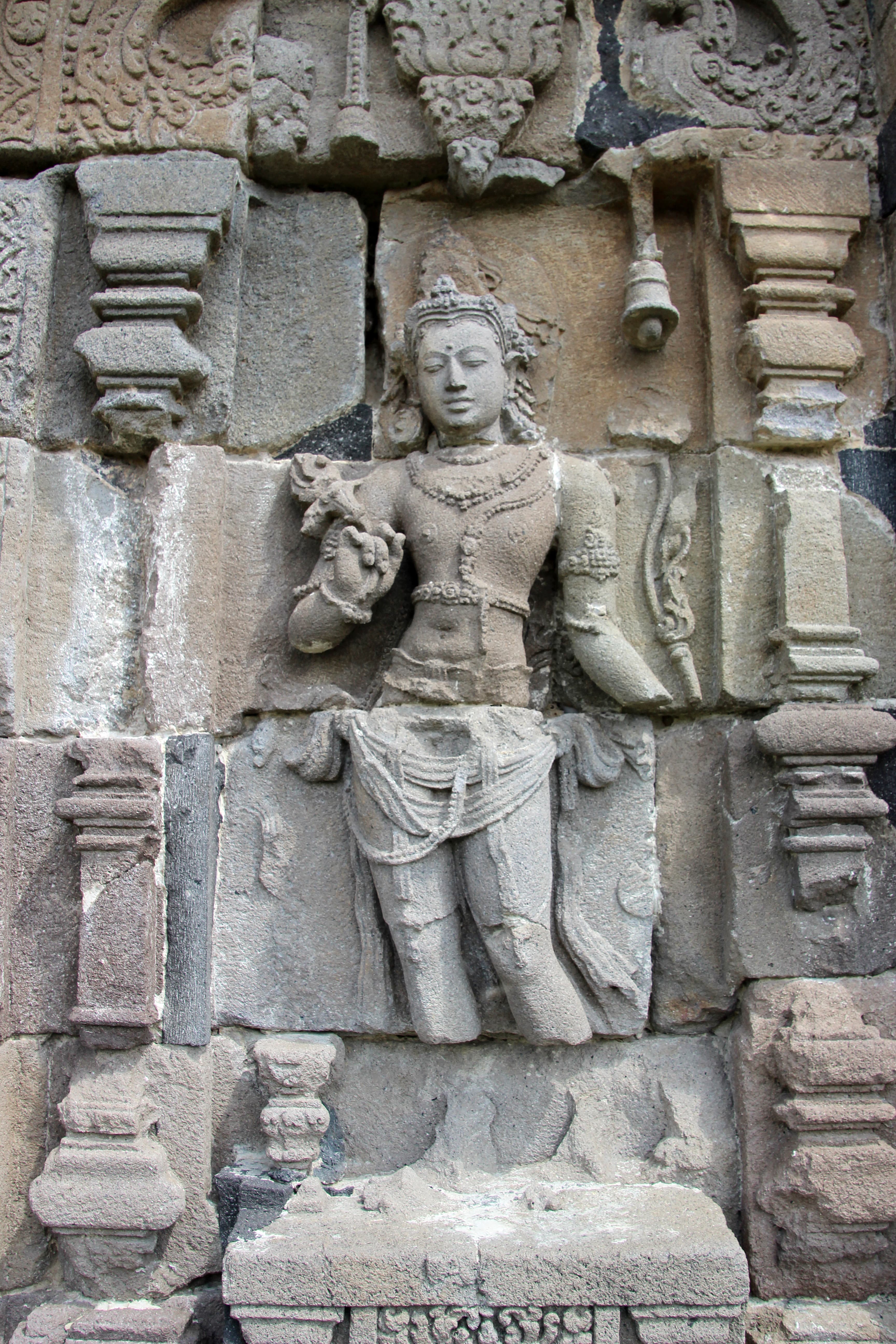
Stone relief carving of a bodhisattva on a Central Javanese temple wall
Core TeachingsMahayana

Bodhicitta

The aspiration to attain complete buddhahood for the benefit of all sentient beings — the defining commitment of the Mahayana path, and the seed from which the bodhisattva's entire activity grows.

Portrait of Sharon Salzberg, teacher of loving-kindness meditation
Practices

Metta — Loving-Kindness

The cultivation of unconditional good-will toward all beings. The first of the four brahmaviharas, the 'divine abidings' — and the antidote the Buddha gave to a forest of monks who could not stay in their forest.

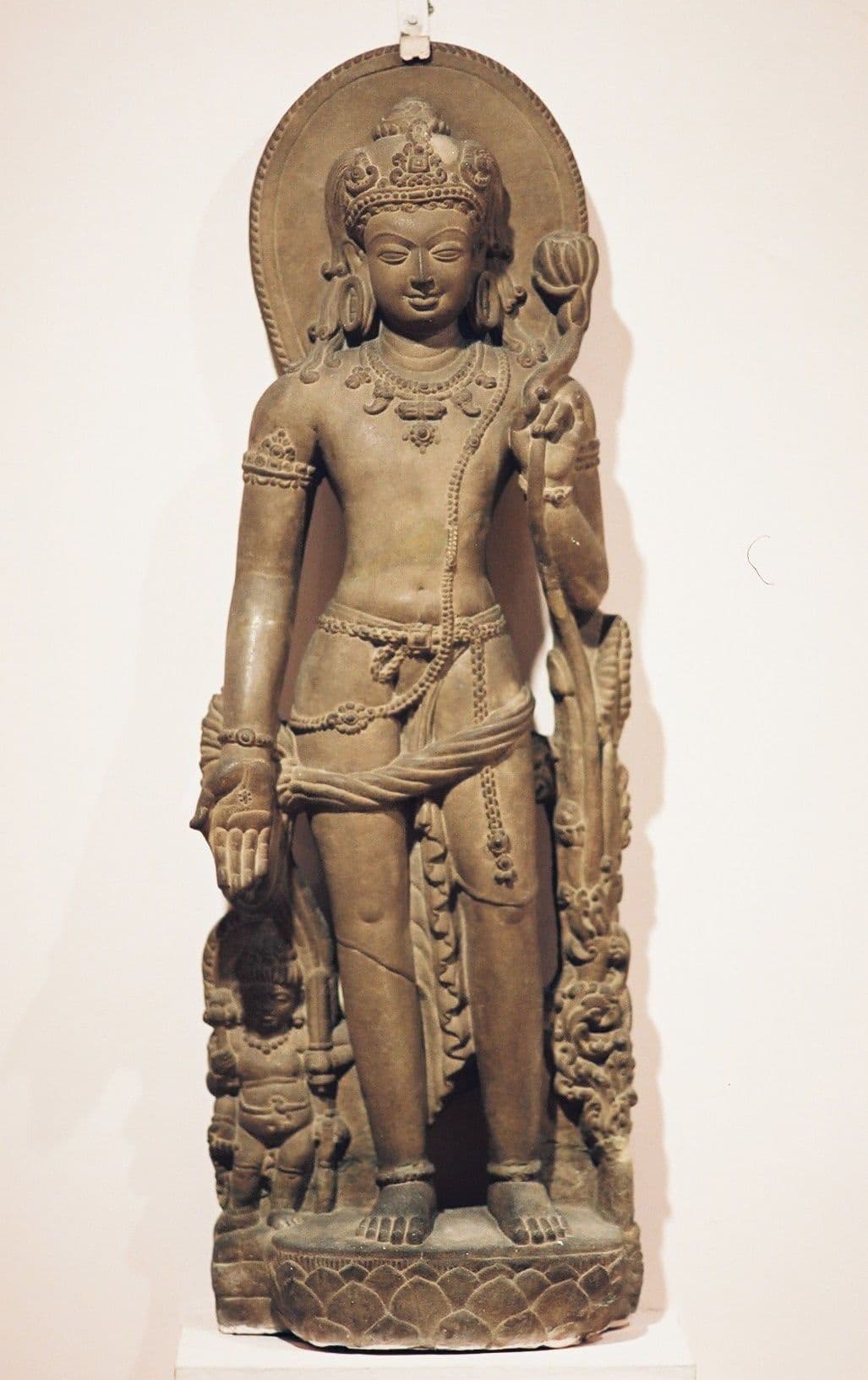
Ancient Indian stone statue of Avalokiteshvara, the bodhisattva of compassion, holding a lotus
Concepts

Karuna

Compassion as the spontaneous wish that all beings be free from suffering. In the Mahayana, karuna is the second of the four immeasurables and, together with wisdom, the very engine of the bodhisattva path.

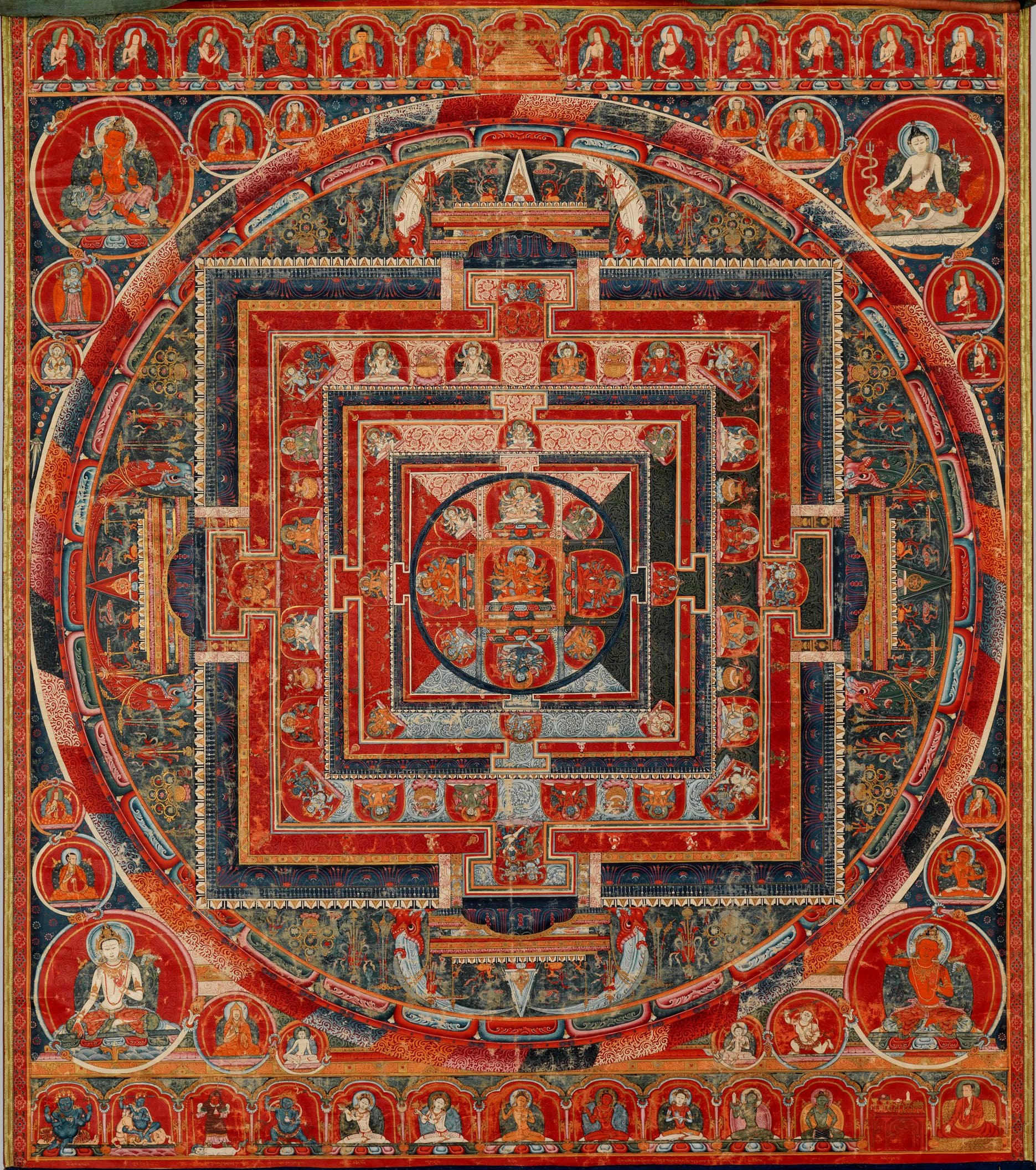
Tibetan tantric mandala of the forms of Manjushri, the bodhisattva of transcendent wisdom
TraditionsVajrayana

Vajrayana

The Diamond Vehicle — the tantric path that uses mantra, visualization, deity yoga, and direct transmission to make buddhahood possible in a single lifetime, in this very body, provided one has the right empowerment from a qualified lineage holder.

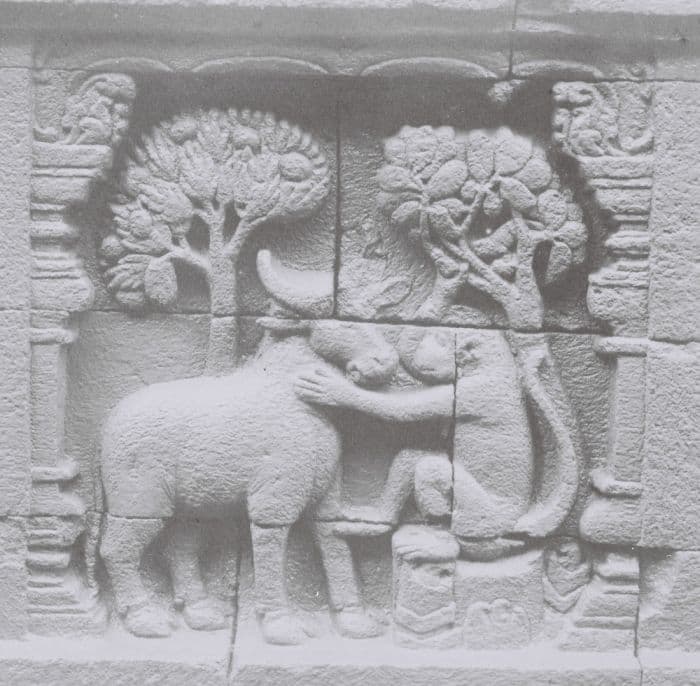
Archival photograph of a Borobudur relief panel depicting the Mahisa Jataka, a past-life tale of the Buddha illustrating the perfections
Core TeachingsMahayana

The Six Paramitas

Six perfections that the bodhisattva cultivates across countless lifetimes: generosity, ethical conduct, patience, joyous effort, meditative concentration, and wisdom. The structural curriculum of the Mahayana.

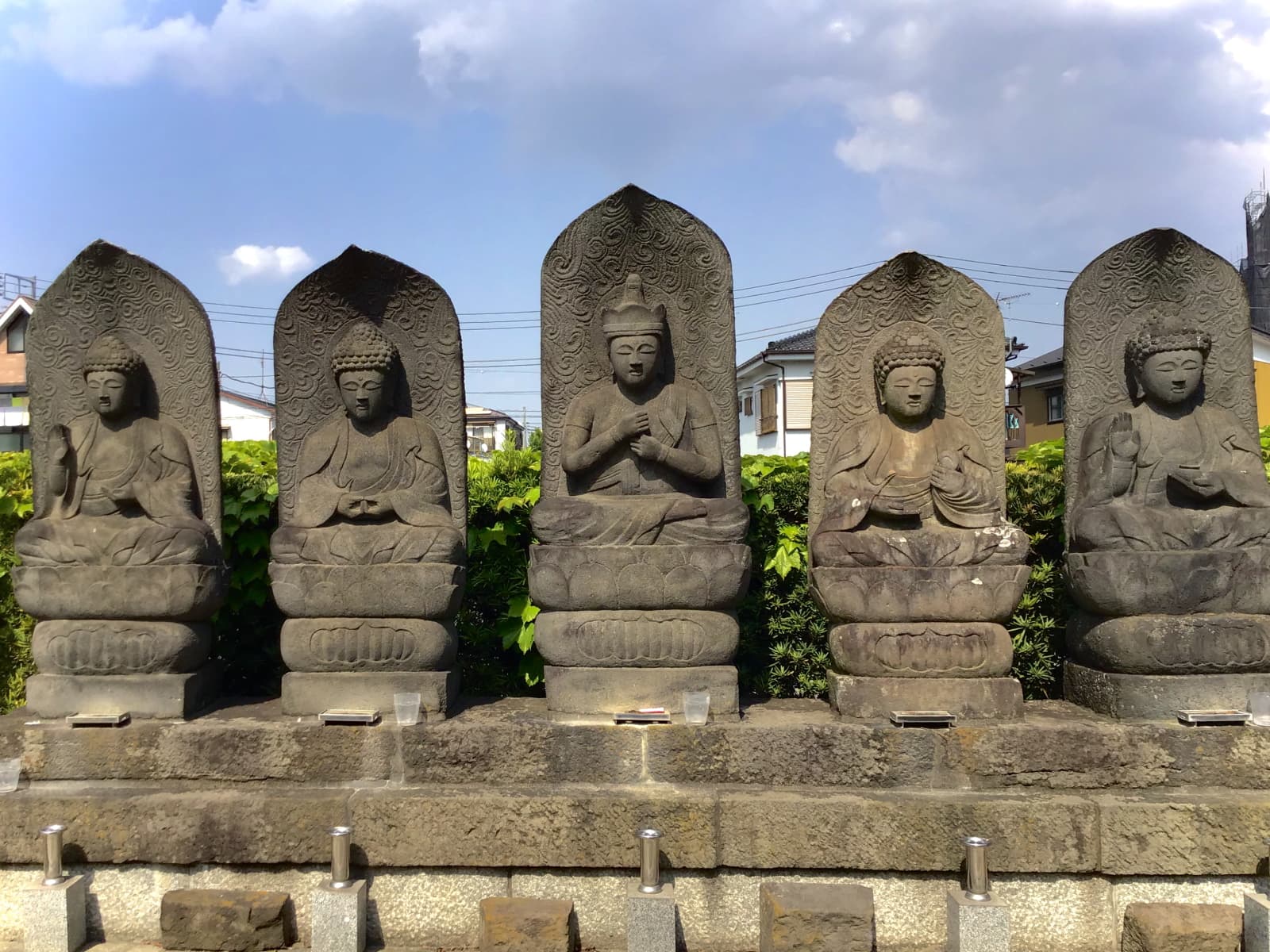
A row of stone Buddha statues at a Japanese Mahayana temple
TraditionsMahayana

Mahayana

The Great Vehicle — the movement that reframed the Buddhist goal from individual liberation as an arahant to the universal awakening of all beings as a bodhisattva, and reframed the metaphysical ground from analysis of dharmas to the emptiness (sunyata) of all phenomena.

Pilgrimage

Related sacred sites

Library

Further reading

  • Start Where You Are: A Guide to Compassionate LivingPema Chödrön
    Shambhala, 1994
  • The Practice of Lojong: Cultivating Compassion through Training the MindTraleg Kyabgon
    Shambhala, 2007
Reflections

The sangha responds.

0
Add your reflection
Comments are public to the sangha.