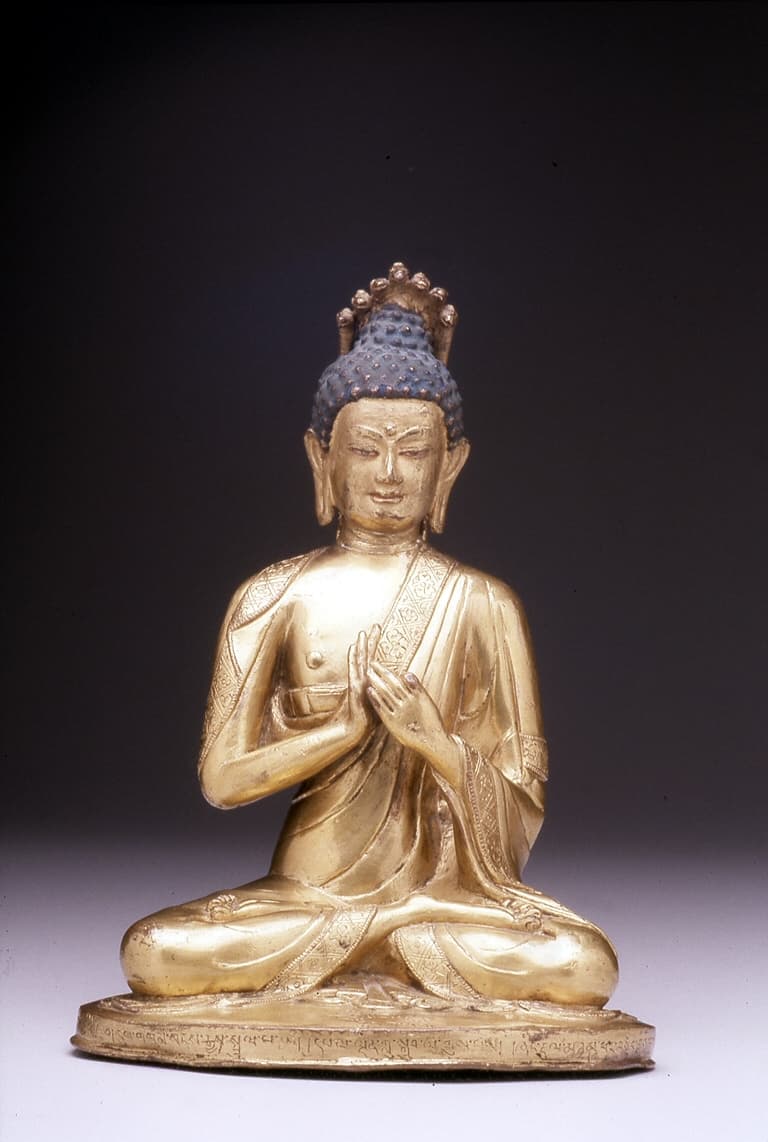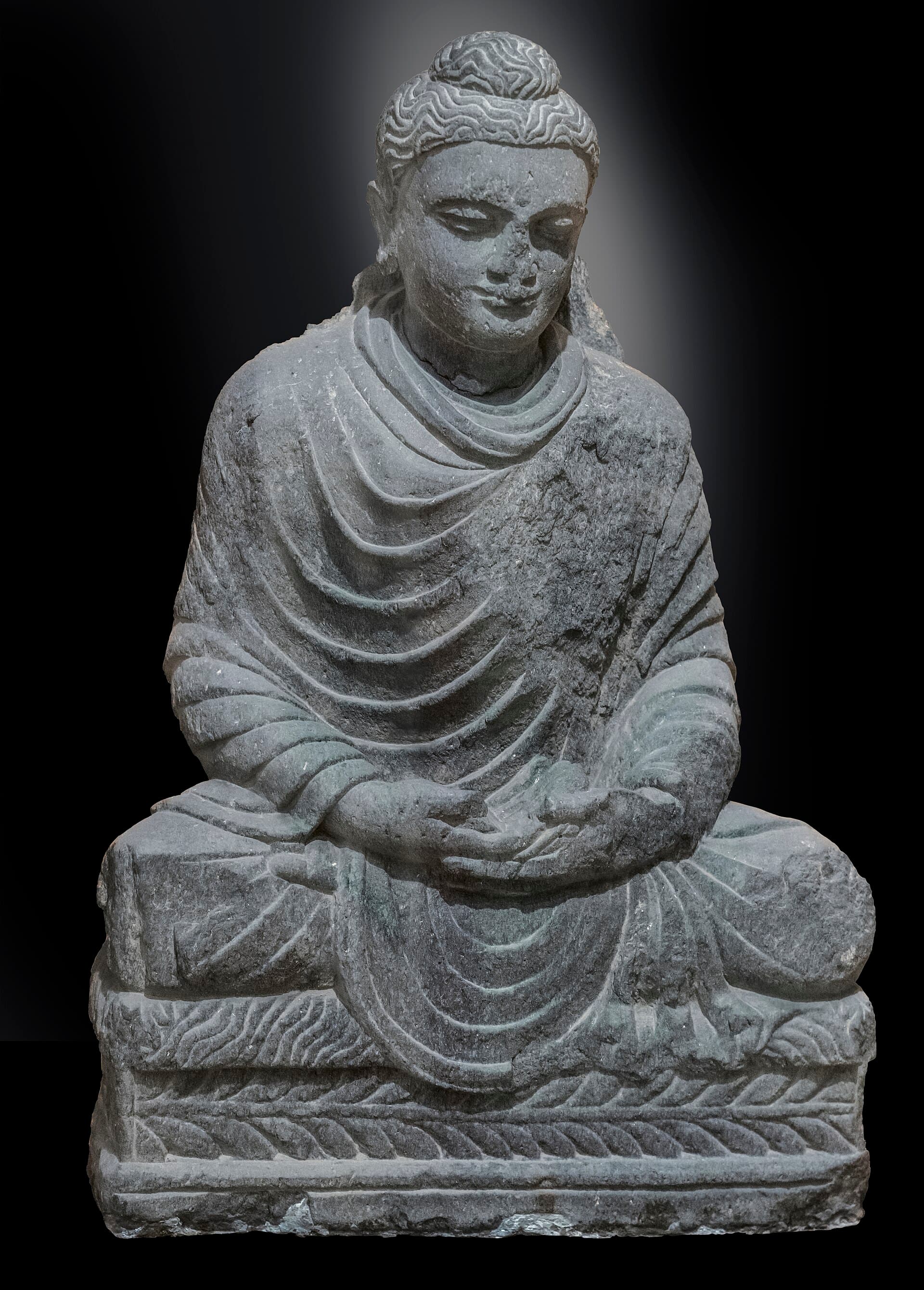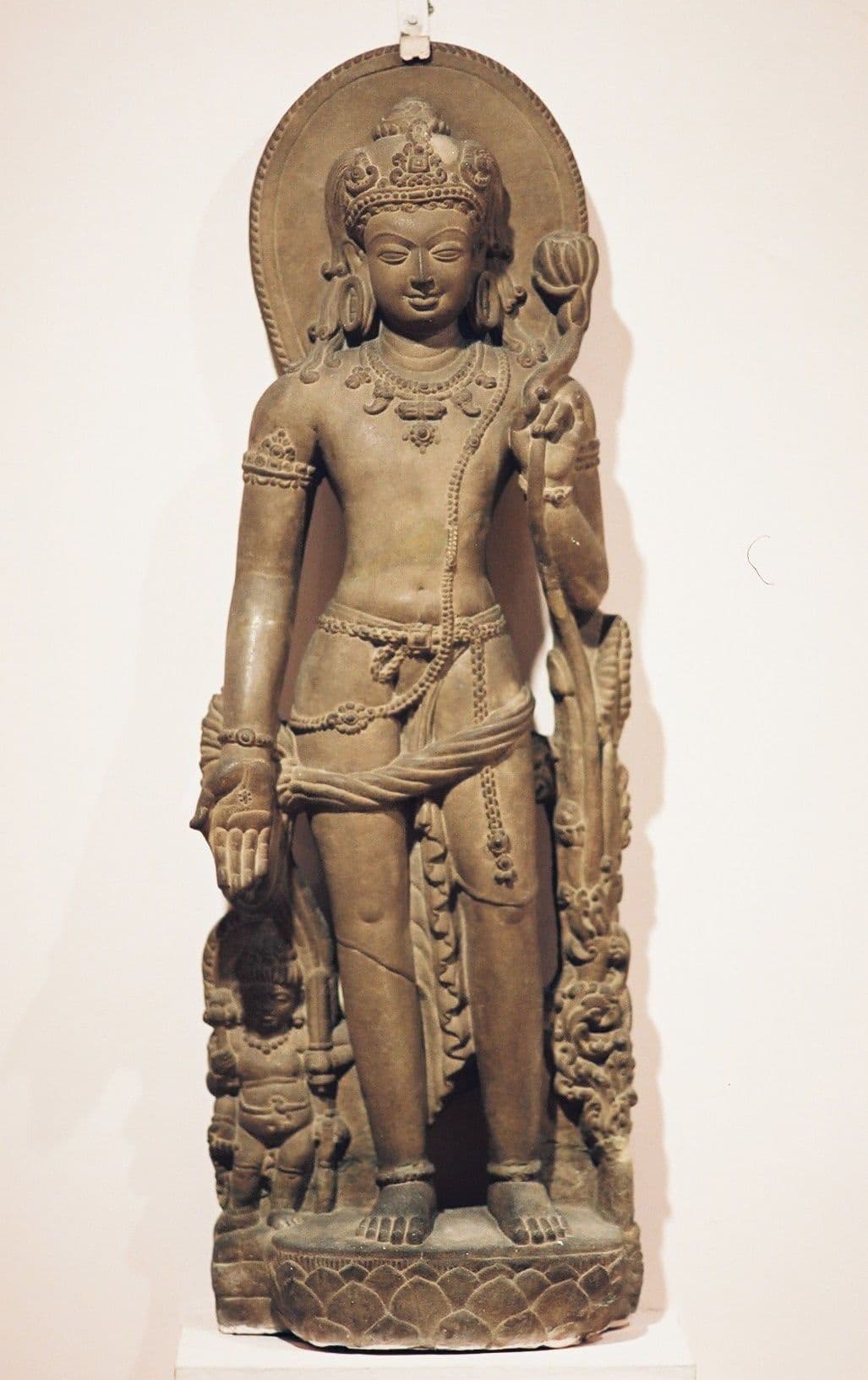
Karuṇā is one of the four immeasurables of the brahmavihāras — the four "divine abodes" the Buddha taught as the cultivation of the boundless heart. But of the four, it is the one that the Mahayana traditions raised to the central place in their entire path. Karuna and prajñā — compassion and wisdom — became the two wings of the bodhisattva, the indispensable pair without which awakening cannot fly.
The Pali word karuṇā derives from a root meaning "to act, to do" — but the connotation is the trembling of the heart at the suffering of another. The Visuddhimagga, in Buddhaghosa's elaboration of the brahmavihāra meditations, defines karuna as "the wish to free others from suffering." It is distinguished carefully from its near enemy, pity (which retains a residue of separation, the wish to relieve suffering from above), and from its far enemy, cruelty. True karuna is fully present to suffering and fully oriented toward its relief, without distance and without aggression.
In the Mettā Sutta (Sutta Nipāta 1.8) and the Karaṇīya-mettā Sutta — the foundational discourses on the four immeasurables — karuna is presented as a meditation. The practitioner brings to mind a being who is suffering, recognises the suffering, and generates the wish that the being be free from it. The wish is then extended progressively: to those one loves, to those one is neutral toward, to those one finds difficult, and finally to all beings without exception. The cultivation is systematic. It is not waiting for compassion to arise spontaneously; it is the deliberate training of the heart.
What the Mahayana adds is the elevation of karuna into the motivating force of the entire path. The bodhisattva, in the formulation of Asaṅga's Bodhisattvabhūmi, is one in whom mahākaruṇā — "great compassion" — has become unconditioned. It is no longer a meditation taken up and put down; it is the standing orientation of the being. The great compassion is "great" in three senses: it is great in its object (all sentient beings without exception), great in its mode (the wish to bring beings to complete buddhahood, not just temporary relief), and great in its duration (across countless lifetimes, for as long as samsara continues).
Śāntideva, in the Bodhicaryāvatāra, gives the most lyrical exposition. Chapter 8, "Meditative Concentration," contains the famous practice of "equalising and exchanging self and other." The argument is precise. My own happiness and another's happiness are felt with equal urgency in their respective streams; if I cherish only my own, I do so by an arbitrary partiality. The bodhisattva systematically dismantles this partiality and arrives at the recognition that the welfare of others is, finally, indistinguishable in value from the welfare of self. From this recognition arises compassion not as a feeling but as a structural orientation.
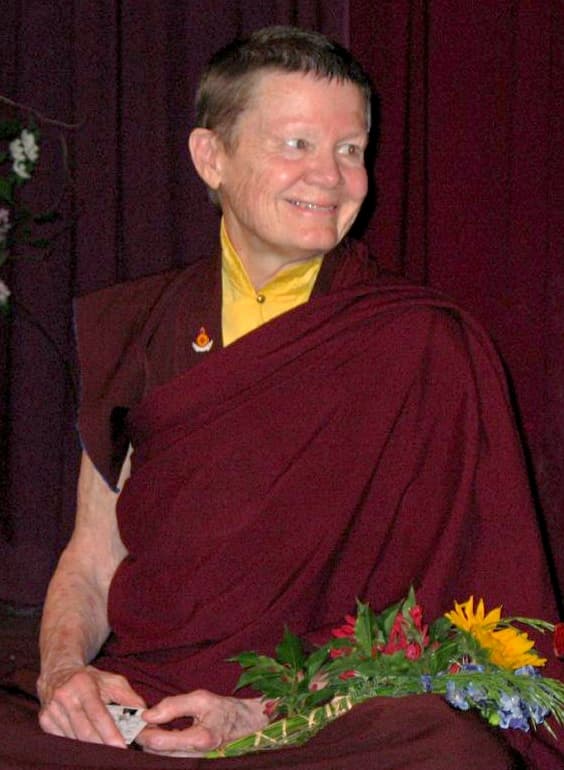
The Vajrayana deepens karuna into the practice of tonglen — "giving and taking," tong-len in Tibetan. On the in-breath, the practitioner breathes in the suffering of others, visualised as dark smoke. On the out-breath, the practitioner sends out their own happiness, well-being, and merit, visualised as bright light. The practice was systematised by Atiśa in the eleventh century and popularised in the West by Chögyam Trungpa and Pema Chödrön. It reverses the ordinary movement of the self-protective mind — which inhales pleasure and exhales pain — and trains the practitioner in the bodhisattva's actual orientation.
Karuna in the Mahayana is not separable from wisdom. The Heart Sutra and the broader Prajñāpāramitā literature insist that compassion without emptiness becomes sentimentality and self-righteousness; emptiness without compassion becomes nihilism and indifference. The two arise together. The bodhisattva sees the empty, dependently-arisen nature of all beings — and precisely for that reason, not despite it, recognises that their suffering is fully real at the conventional level and must be addressed. The two truths and the two wings are the same structure.
In contemporary Buddhism, karuna has been the bridge across which the dharma has entered the secular ethical imagination — a wave of popular writing on compassion as the universal ground of human ethics, accessible to anyone regardless of faith, has carried the idea into everyday English as simply "kindness." Thich Nhat Hanh's engaged Buddhism, the Plum Village tradition's response to war, suffering, and refugee crises, is karuna in active expression.
What karuna asks is the simplest and the most radical thing: that the suffering of any being be felt as one's own concern. Every other Mahayana practice is, in some sense, a way of training the heart to this single capacity.