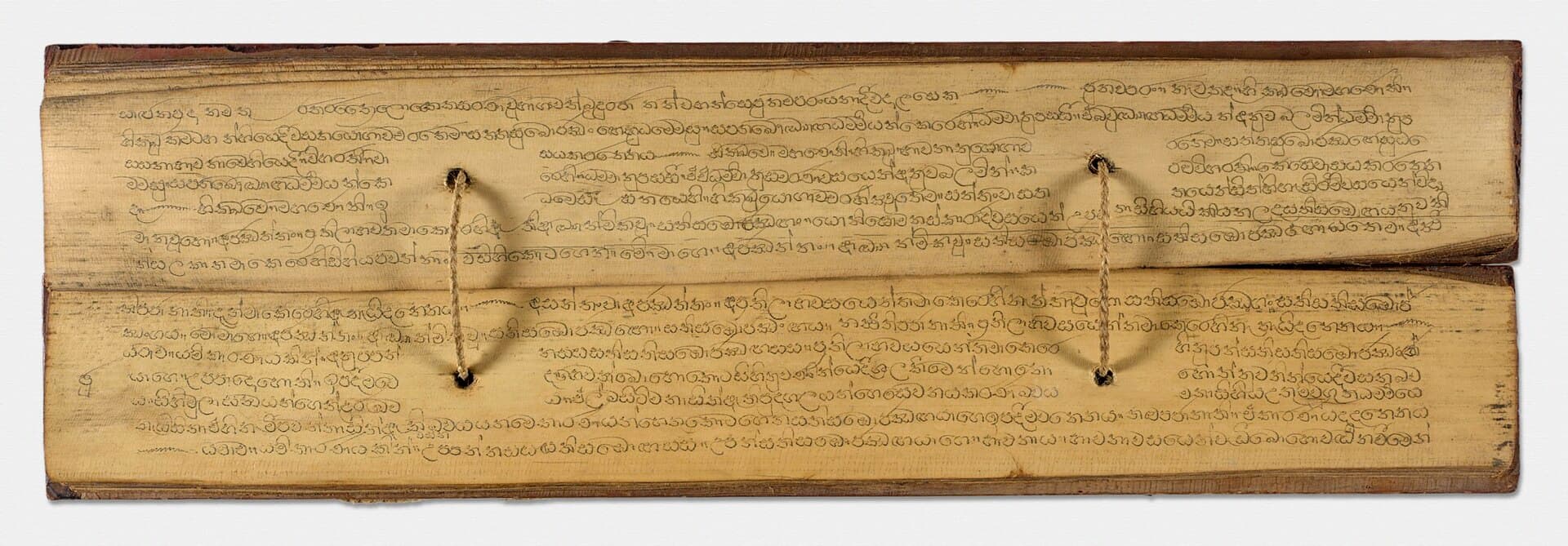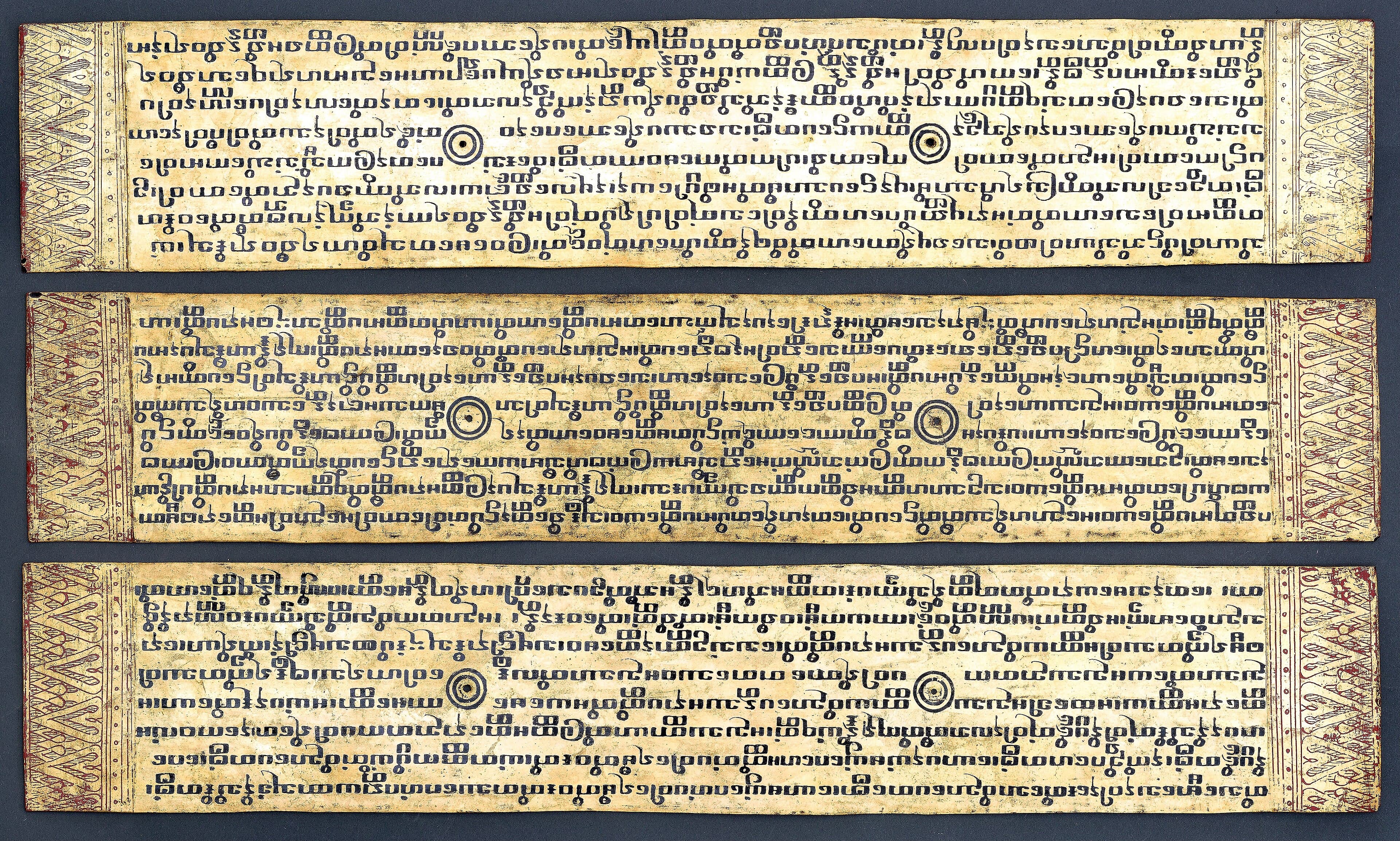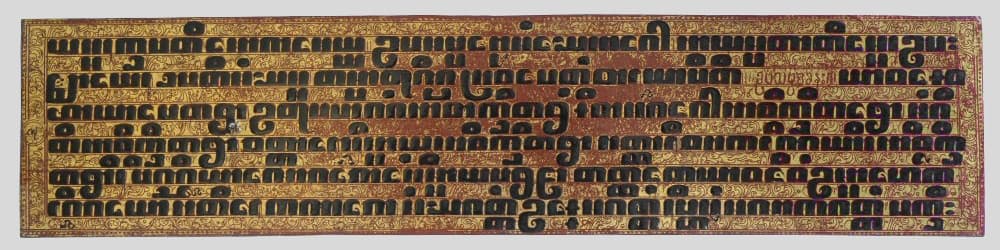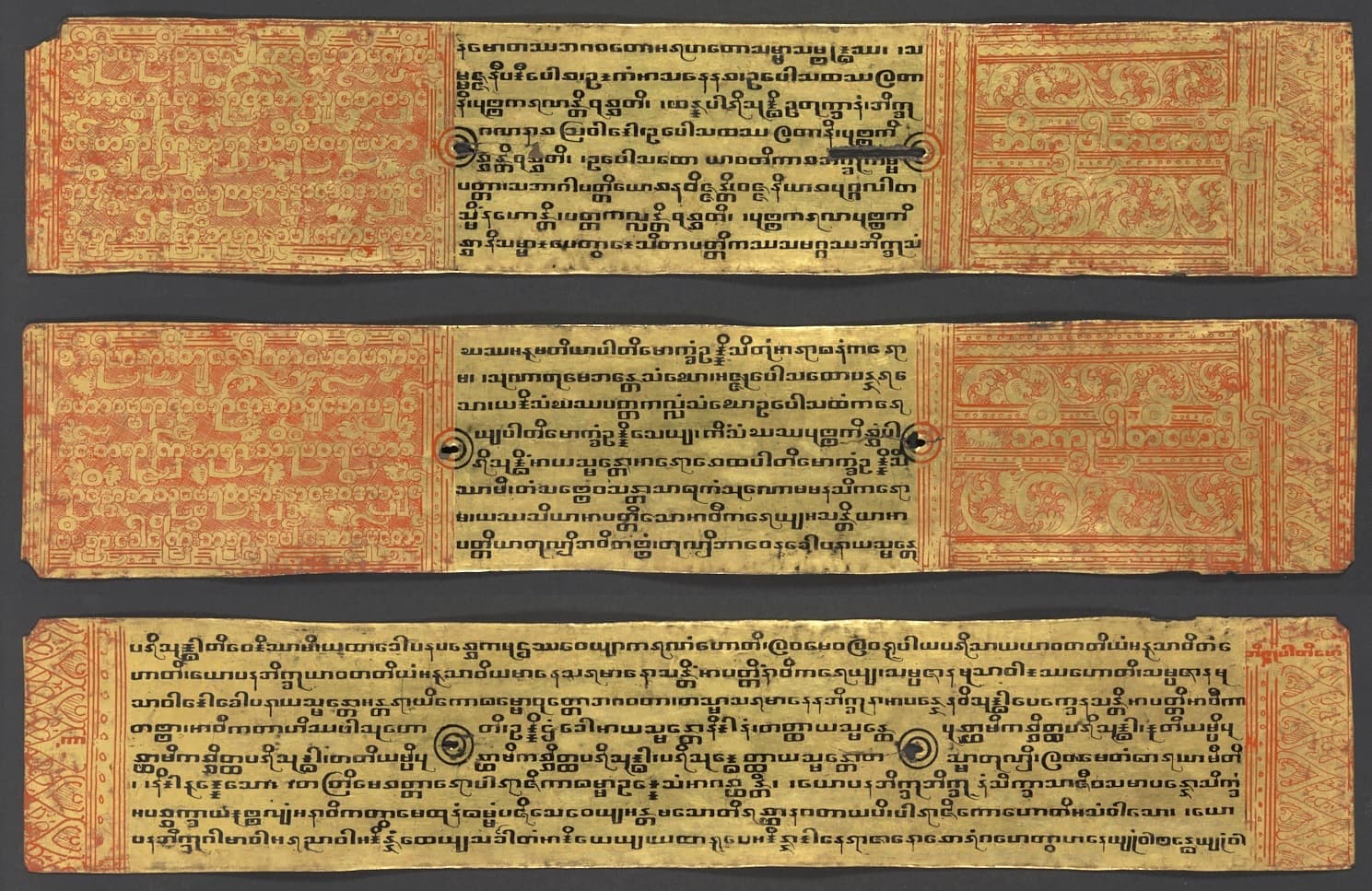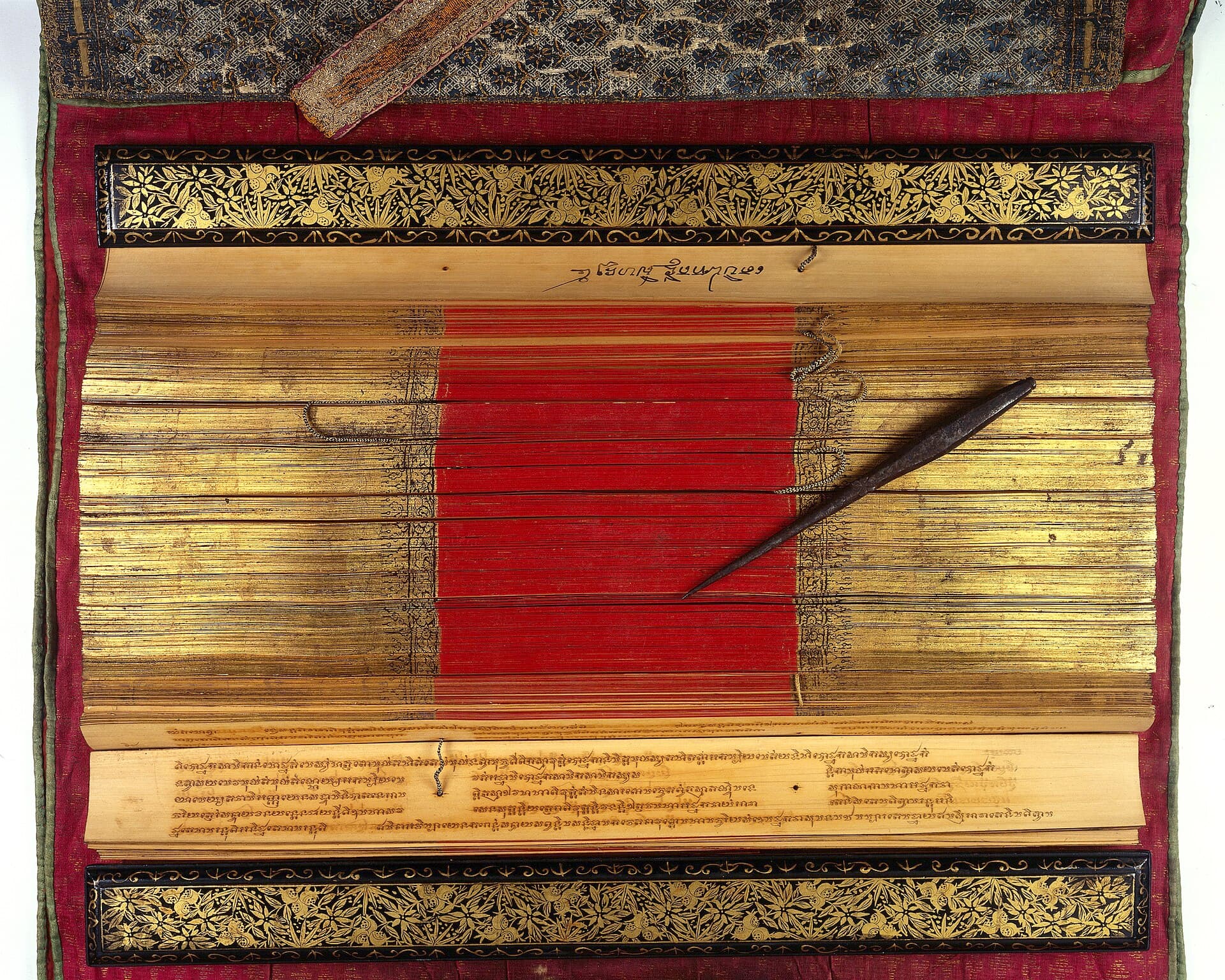
The Sutta Pitaka is the literary heart of the Pali Canon. Where the Vinaya is concerned with monastic discipline and the Abhidhamma with systematic philosophy, the Sutta is where the Buddha himself speaks — in conversation, in formal discourse, in spontaneous teaching at the bedside of the sick, beneath the trees of the great groves, in the great cities of the Ganges plain. The collection is organized into five nikayas, each with its own character.
The Digha Nikaya — the 'Long Discourses' — contains thirty-four suttas of considerable length, including the Mahaparinibbana Sutta (DN 16) which narrates the Buddha's final months and death, the Brahmajala Sutta (DN 1) cataloguing the sixty-two wrong views, and the Sigalovada Sutta (DN 31) often called the layperson's vinaya.
The Majjhima Nikaya — the 'Middle-Length Discourses' — contains 152 suttas of moderate length and is widely considered the most philosophically rich. Here are the Satipatthana Sutta (MN 10) on the foundations of mindfulness, the Anapanasati Sutta (MN 118) on breath meditation, the Ariyapariyesana Sutta (MN 26) on the noble quest, and the Bhaddekaratta Sutta (MN 131) on the single excellent night.
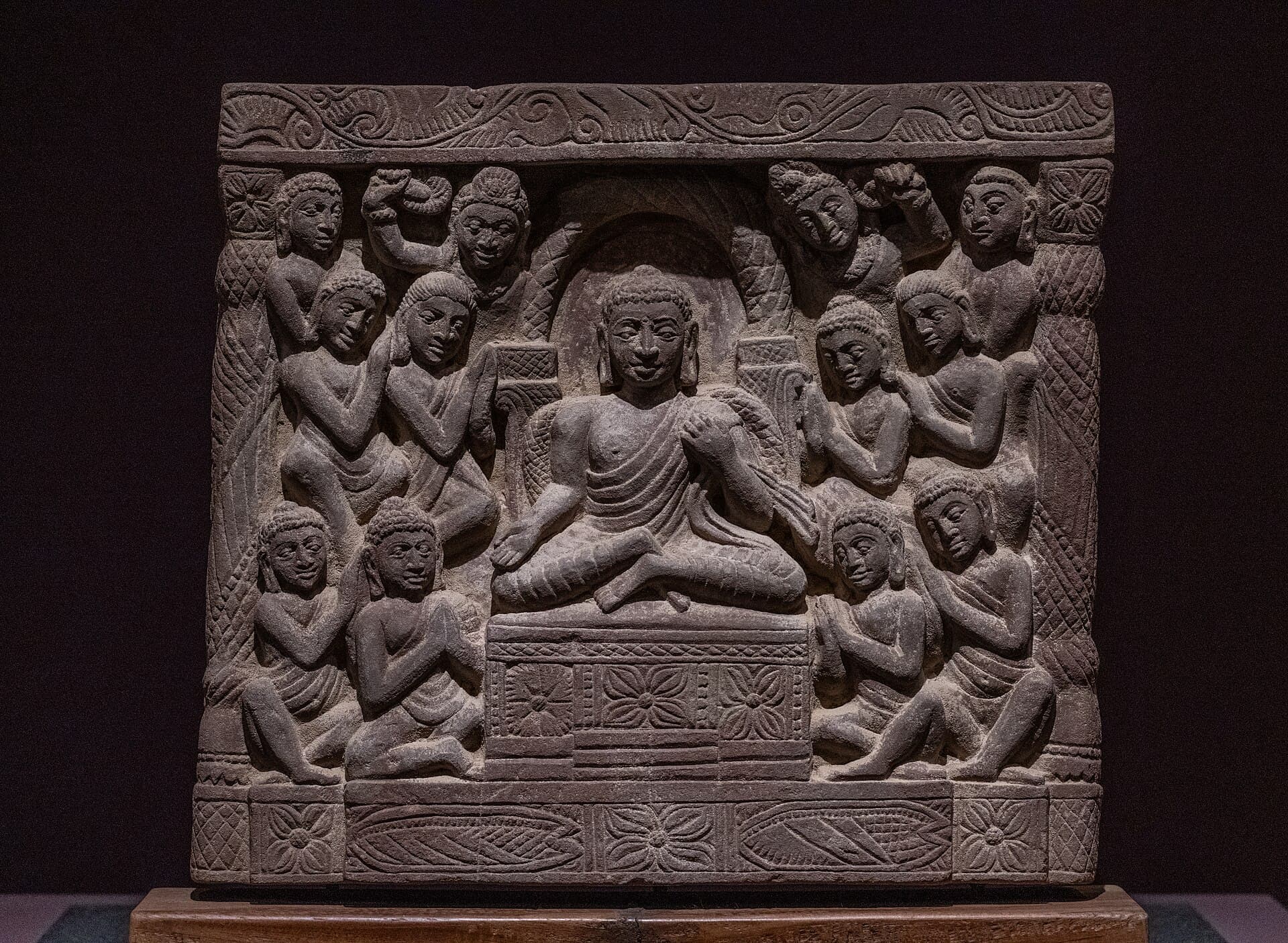
The Samyutta Nikaya — the 'Connected Discourses' — organizes 2,889 shorter suttas by topic into 56 groups (samyuttas): the Khandha-samyutta on the five aggregates, the Salayatana-samyutta on the six sense bases, the Sacca-samyutta on the four noble truths, and the Maha-samyutta on the great topics. The Dhammacakkappavattana Sutta — the First Sermon at Sarnath — lives here, in the Sacca-samyutta (SN 56.11).
The Anguttara Nikaya — the 'Numerical Discourses' — organizes 9,557 suttas by numerical principle, from the Ones up to the Elevens. If you want every teaching on a topic that has exactly four parts, four bases of psychic power, four right strivings, four foundations of mindfulness — go to the Fours of the Anguttara.
The Khuddaka Nikaya — the 'Minor Collection' — is anything but minor. It contains fifteen books including the Dhammapada, the Udana ('Inspired Utterances'), the Itivuttaka ('Thus It Was Said'), the Sutta Nipata (one of the oldest layers of the canon), the Theragatha and Therigatha (verses of the elder monks and nuns), the Jataka tales of the Buddha's past lives, and the Buddhavamsa chronicling the lineage of past Buddhas.
Bhikkhu Bodhi's translations at Wisdom Publications — the Middle Length Discourses (1995), the Connected Discourses (2000), and the Numerical Discourses (2012) — together constitute the standard contemporary English access to the Sutta Pitaka.