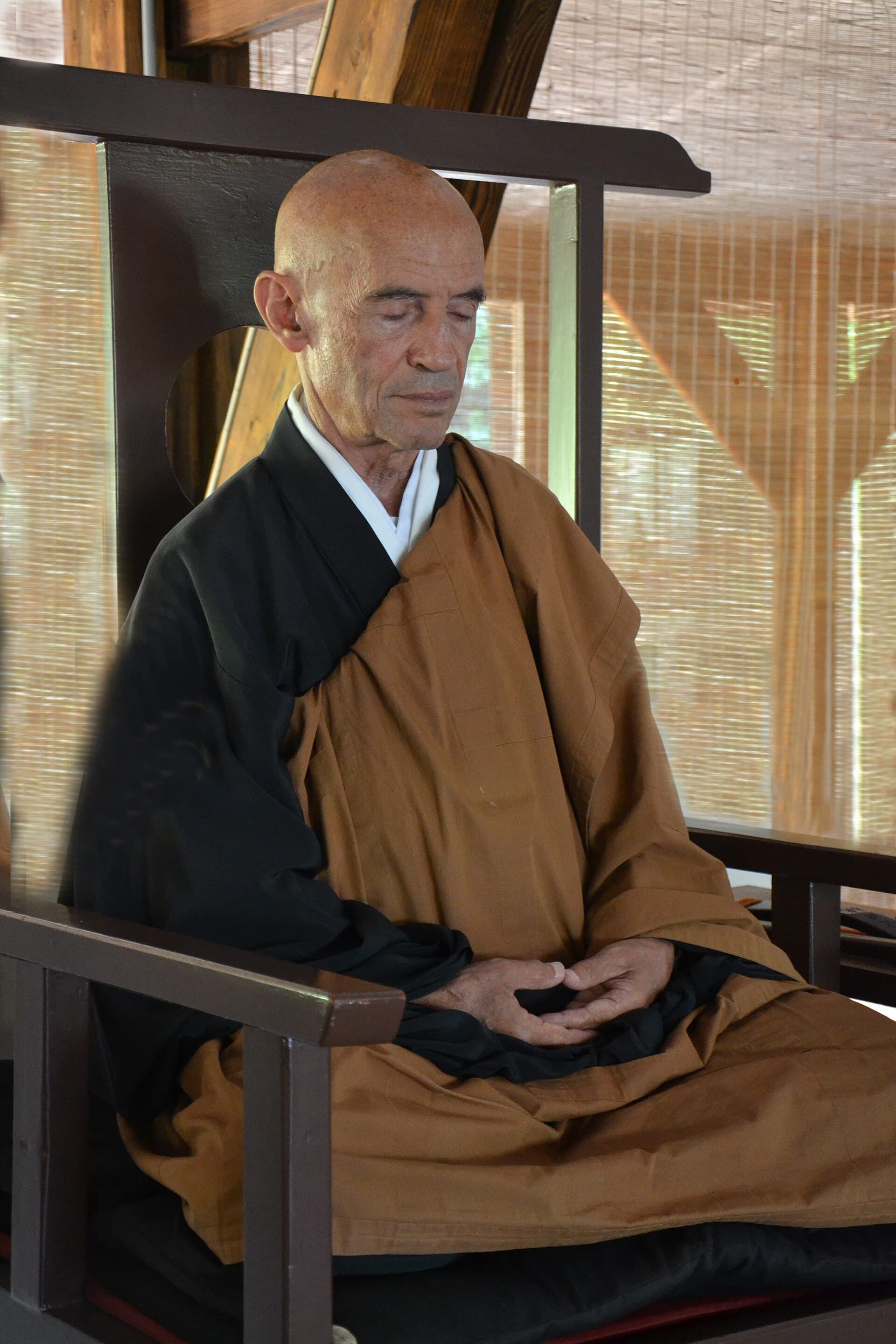
Zen — Chan in Chinese, Seon in Korean, Thien in Vietnamese — is the meditation school of the Mahayana, and what it does that no other tradition does is insist that all the doctrine, all the sutras, all the philosophy, are useful only insofar as they point at the one thing that can be done: sit, and look directly at the nature of mind. The school's self-definition, attributed to its first Chinese patriarch Bodhidharma but probably formalized later, has been repeated for fifteen centuries: 'A special transmission outside the scriptures; not founded on words and letters; by pointing directly at the human mind, it lets one see into one's own nature and attain buddhahood.'
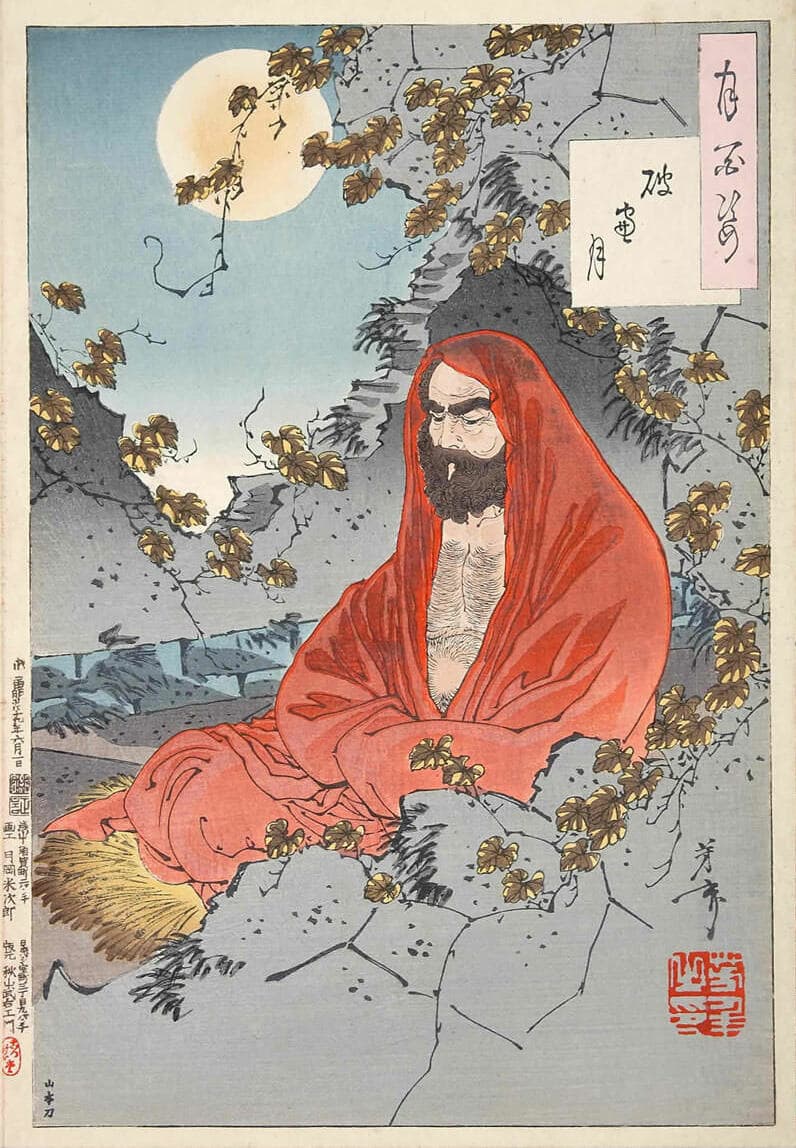
The lineage story begins at Vulture Peak, where the Buddha is said to have held up a single flower in silence; only Mahakassapa smiled, and the wordless transmission passed from teacher to student in an unbroken chain of twenty-eight Indian patriarchs to Bodhidharma, who according to tradition sailed to China around 520 CE, faced a wall at Shaolin for nine years, and gave the dharma to his student Huike. The historical kernel is that something distinctively meditational coalesced in China in the sixth and seventh centuries, formalized through the Fifth Patriarch Hongren and the Sixth Patriarch Huineng, whose Platform Sutra (Liuzu tan jing) is one of the few East Asian texts honored with the title 'sutra' though it is a Chinese composition.
The great flowering came in the Tang (618–907) and Song (960–1279) dynasties, with the masters whose names define the school: Mazu Daoyi, Baizhang Huaihai (who wrote the monastic rule that still governs Zen training), Linji Yixuan (Rinzai, d. 866), Dongshan Liangjie and Caoshan Benji (Soto, ninth century), Yunmen Wenyan, Fayan Wenyi, and Guishan Lingyou. The Wumenguan (Gateless Gate) and the Biyan Lu (Blue Cliff Record) compile the koans — the public cases of master-student exchanges — that became, in the Linji line, the central pedagogy. In the Caodong line, the practice settled into shikantaza (just sitting), the silent illumination of mind itself.
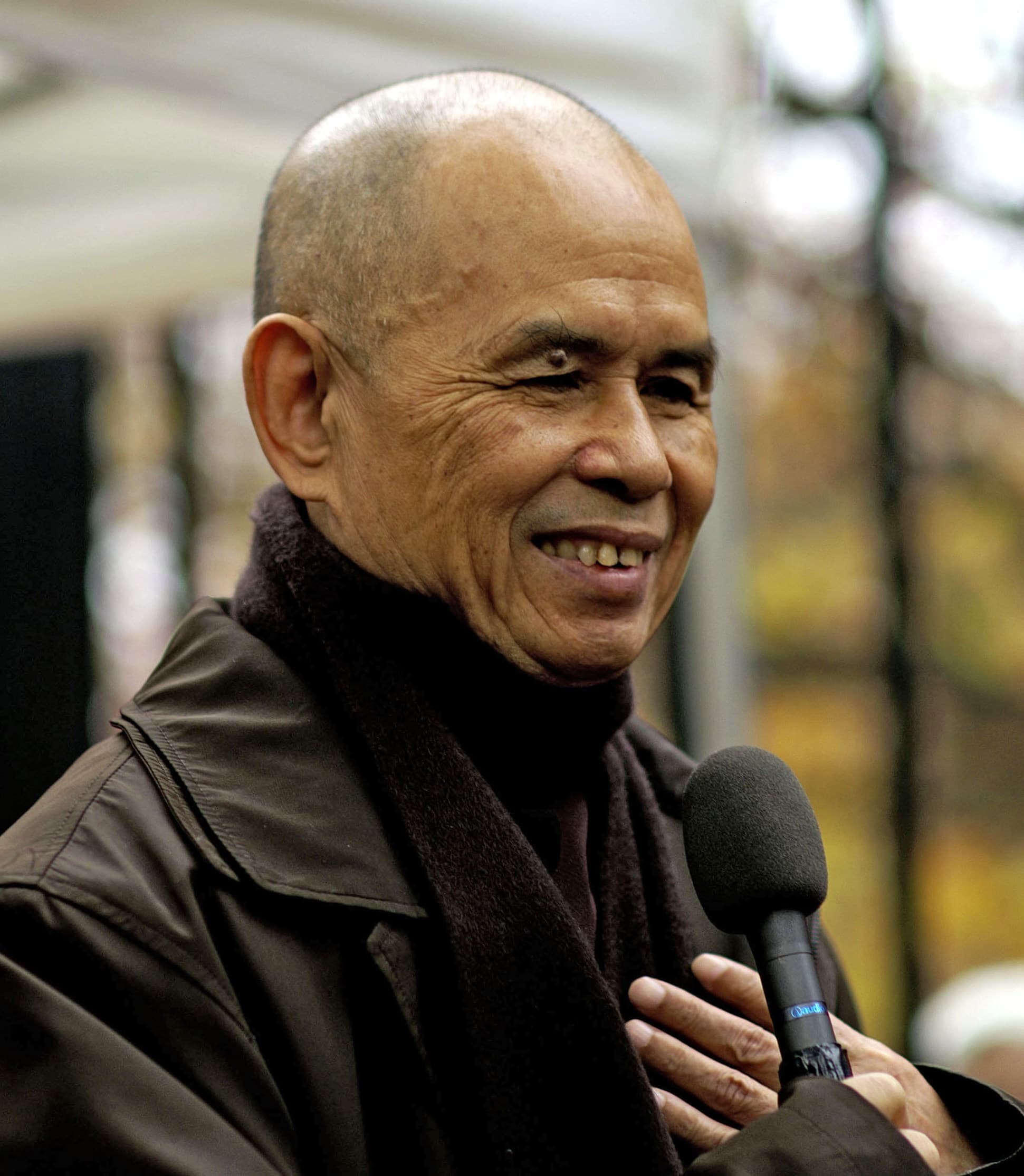
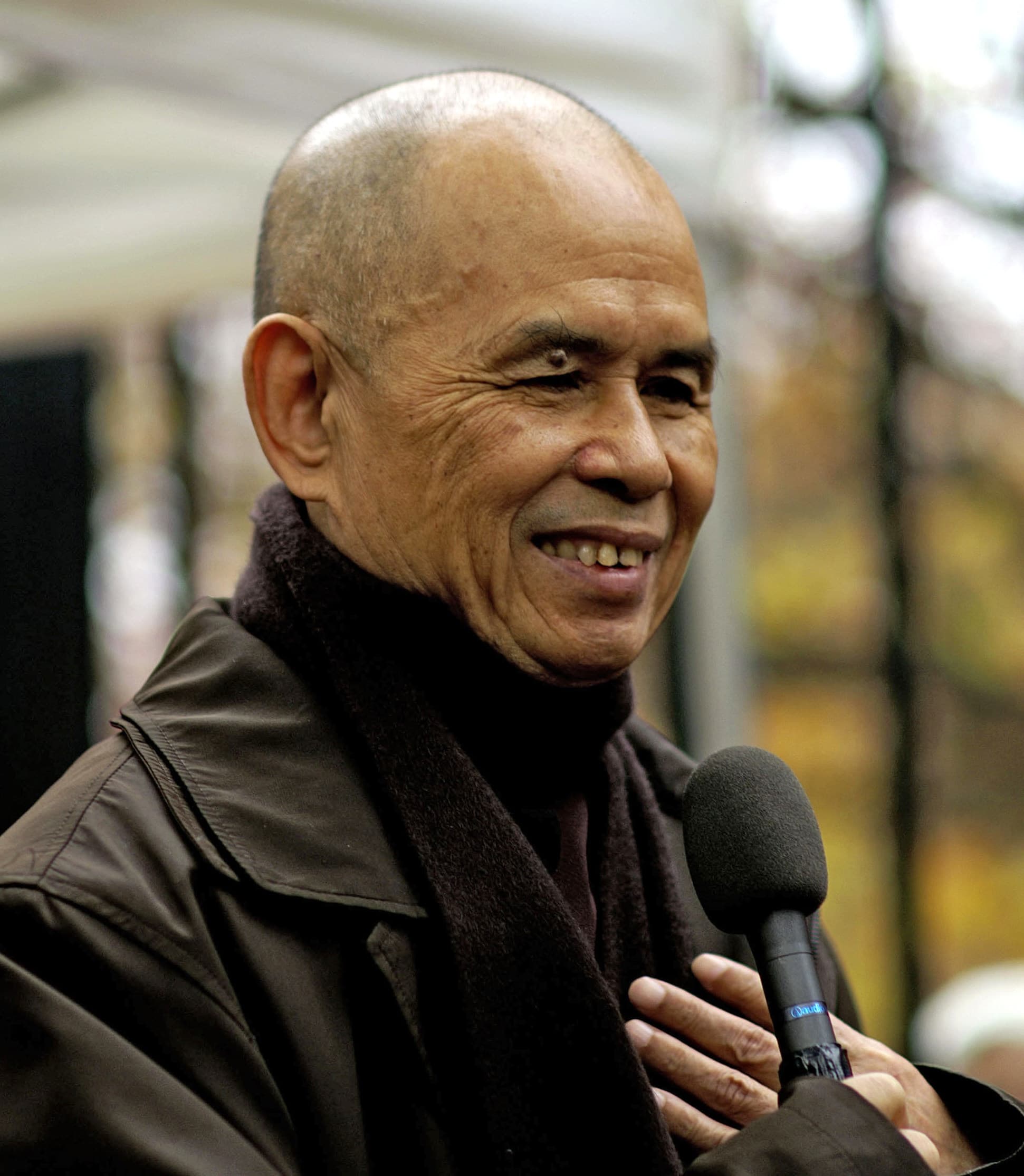
The transmission to Japan happens twice. In 1191 Eisai brings the Linji line and founds Rinzai. In 1227 Dogen Kigen returns from China with the Caodong line and founds Soto; his Shobogenzo is the deepest sustained philosophical reflection in the entire Zen corpus. The Obaku line is a third, later import (seventeenth century, with Pure Land elements). In Korea, the Seon school crystallizes earlier; Jinul (1158–1210) integrates sudden enlightenment with gradual cultivation in a synthesis that still grounds the Jogye Order, Korea's dominant Buddhist body. In Vietnam, Thien develops from the sixth century onward and, through Thich Nhat Hanh's Plum Village in the twentieth century, becomes one of the most globally influential Buddhist movements of the modern era.
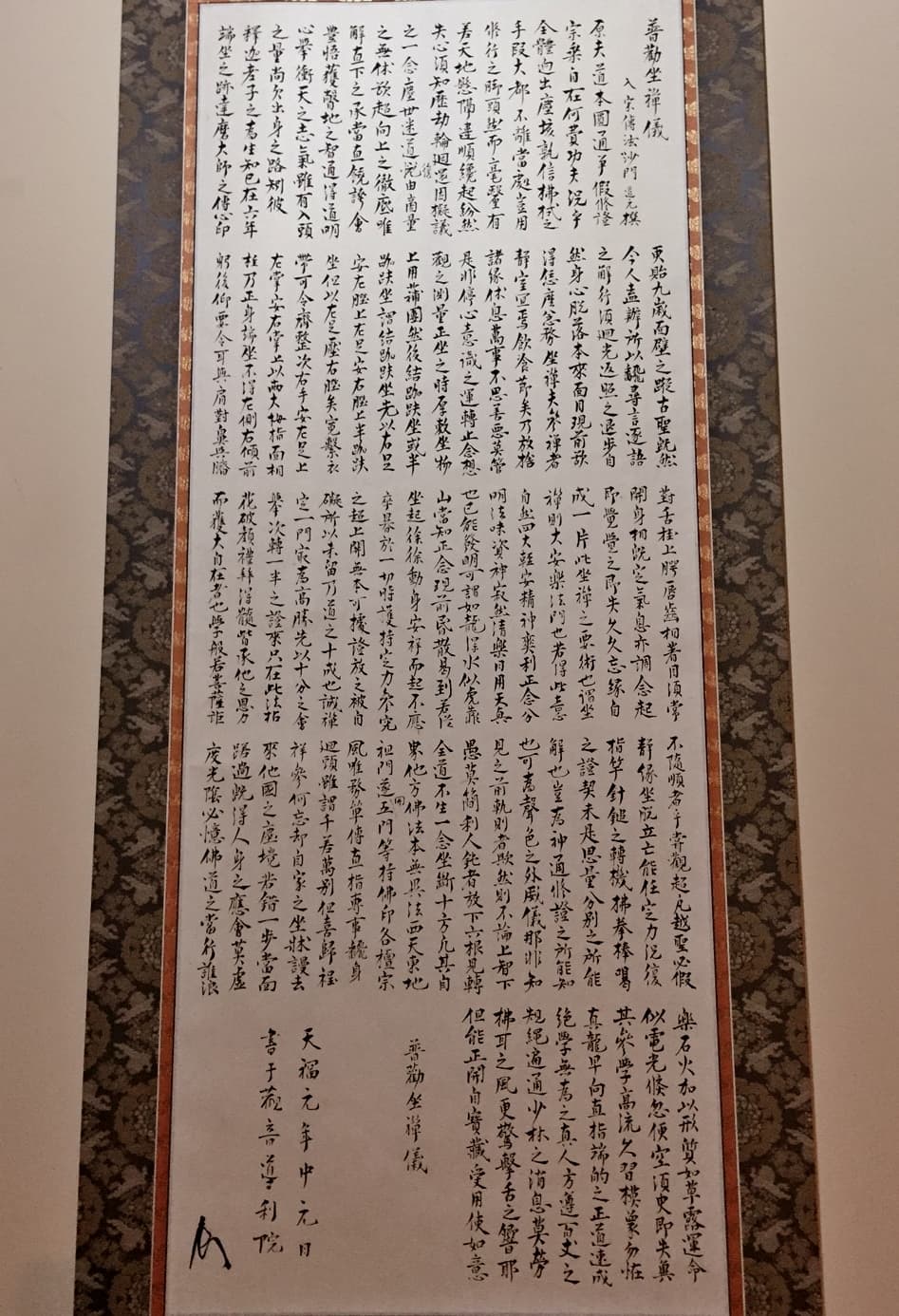
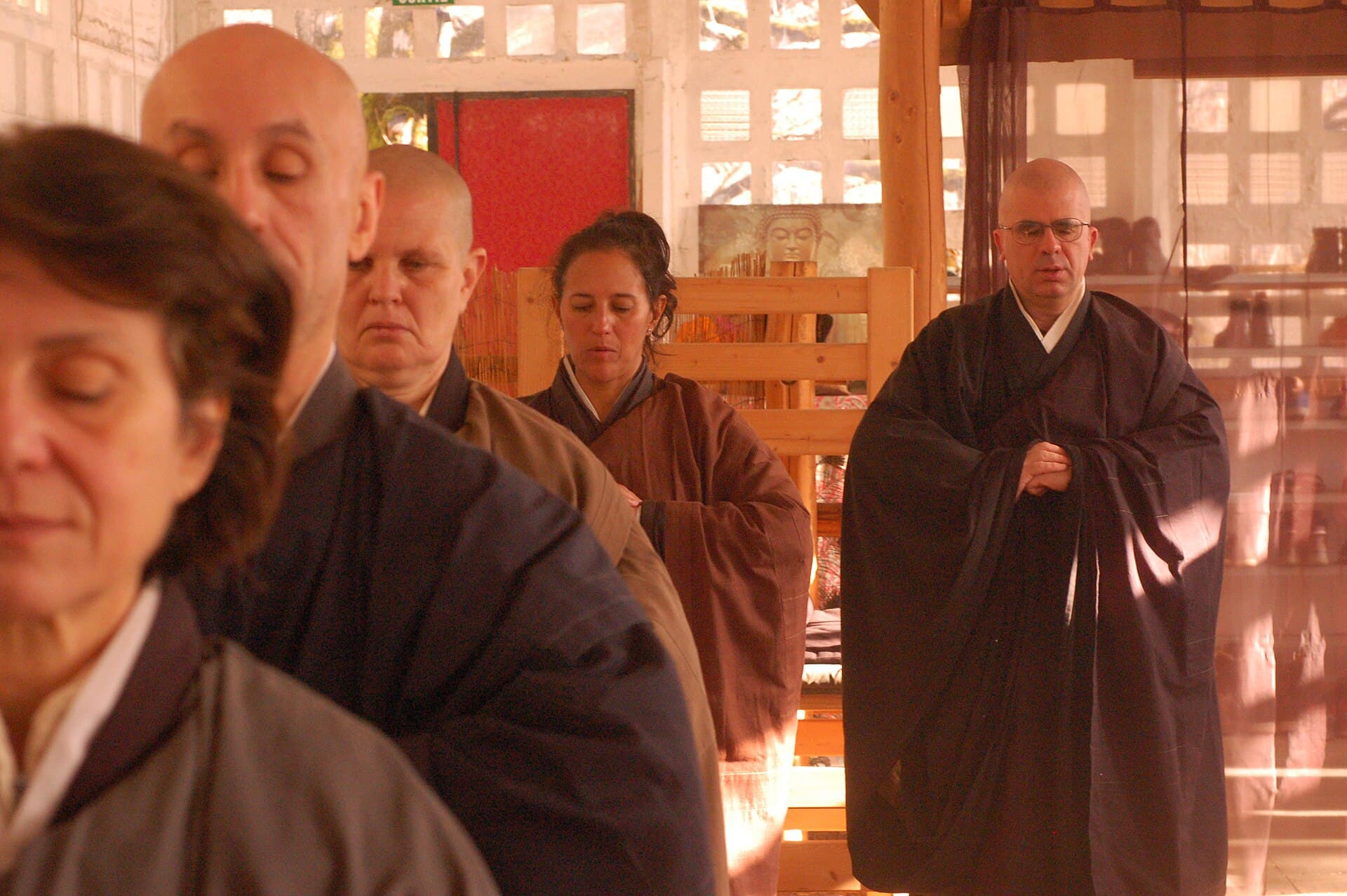
The practice has two great hands. The first is zazen — sitting meditation, the upright cross-legged posture, the half-lotus or full lotus, the eyes lowered but open, the breath simply known. The second is koan inquiry — working with a turning phrase like Zhaozhou's 'Mu' or 'What is the sound of one hand?' — not as a riddle to be solved but as a wedge driven into discursive thought until thought collapses and direct seeing remains. The Rinzai school emphasizes koan; the Soto school emphasizes shikantaza; in practice every serious Zen monk has done both. Other supporting practices include kinhin (walking meditation), oryoki (the eating bowl ritual), samu (work practice), and dokusan (private interview with the teacher).
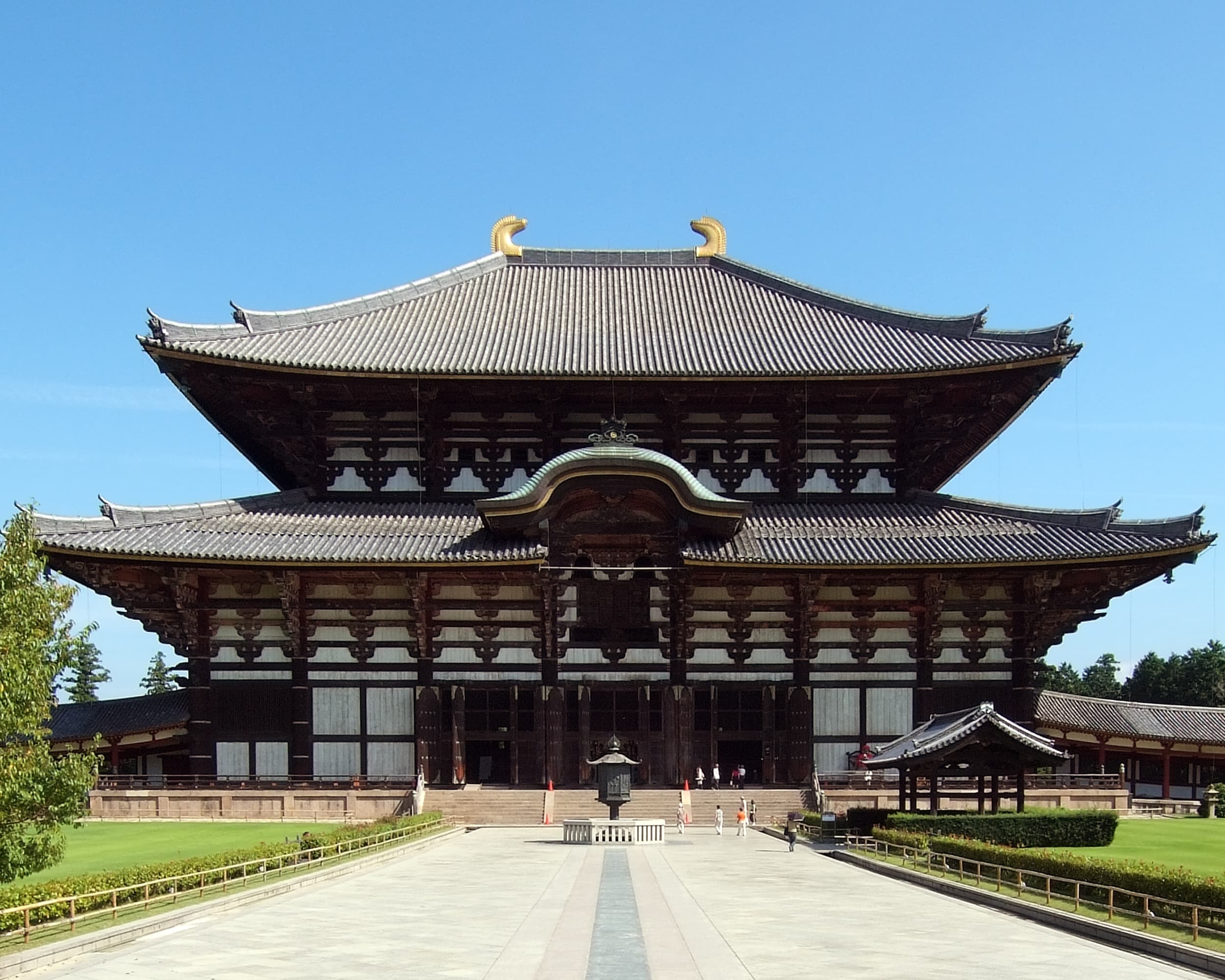
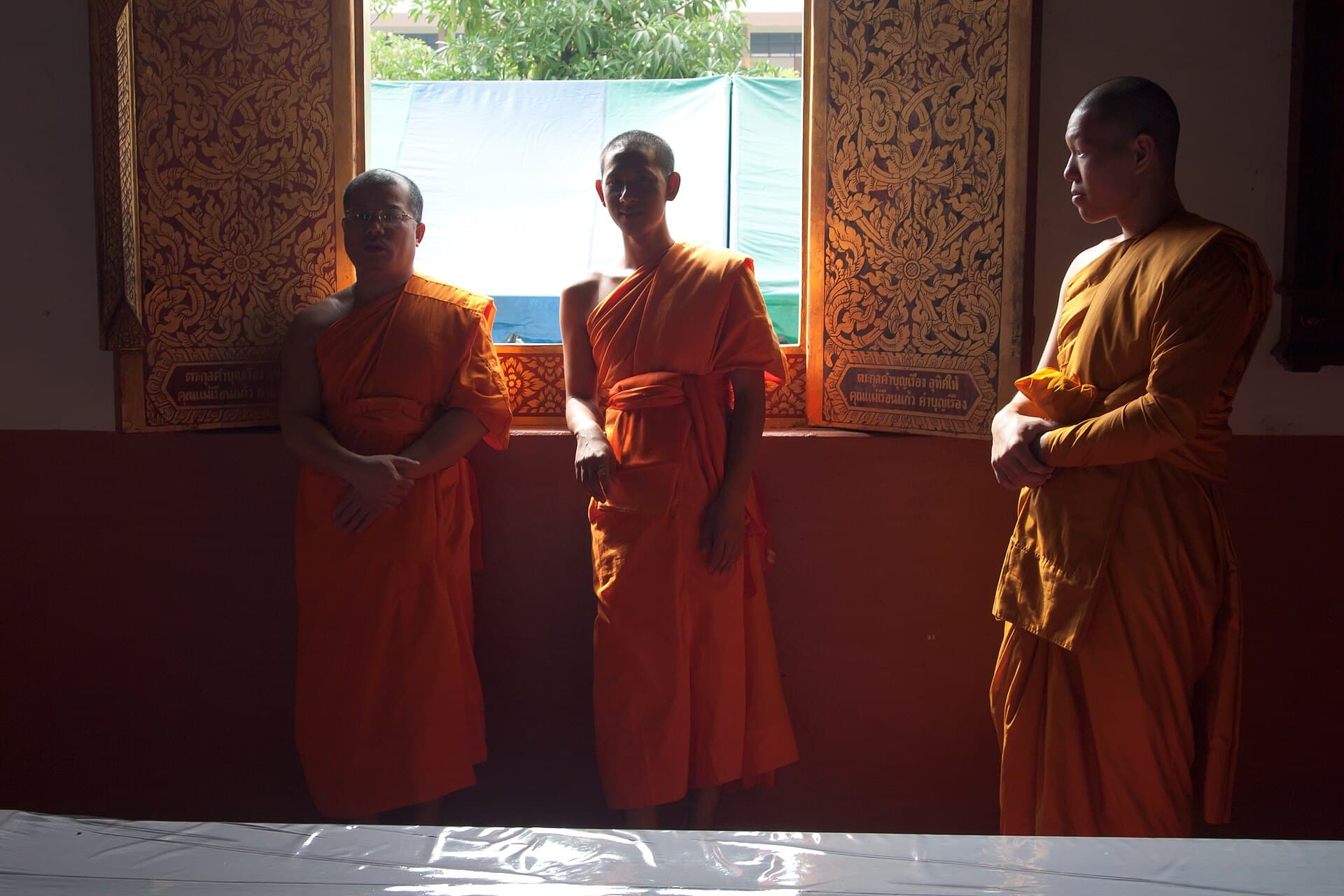
Zen institutions are monastic and rigorously structured. The Eihei-ji and Sojiji of Soto, the Myoshin-ji of Rinzai, the Bukkoku-ji and Shogen-ji training monasteries, the Korean Songgwang-sa and Haeinsa, the Plum Village community of Thich Nhat Hanh in France — these are the living centers. The school estimates perhaps 50–60 million practitioners primarily across Japan (where Soto is the largest Buddhist denomination), Korea, Taiwan, Vietnam, and now significantly in the West. Western Zen took root in the 1960s through D. T. Suzuki's essays, Shunryu Suzuki's San Francisco Zen Center, Taizan Maezumi's Zen Center of Los Angeles, Philip Kapleau's Three Pillars of Zen, and the parallel Korean transmissions of Seung Sahn and the Vietnamese transmission of Thich Nhat Hanh. What attracts people across cultures is the same thing that attracted Huike at the cave wall: the suggestion that liberation is not somewhere else, not in some other body, not in some future life — it is in this very mind, looked at clearly, right now.