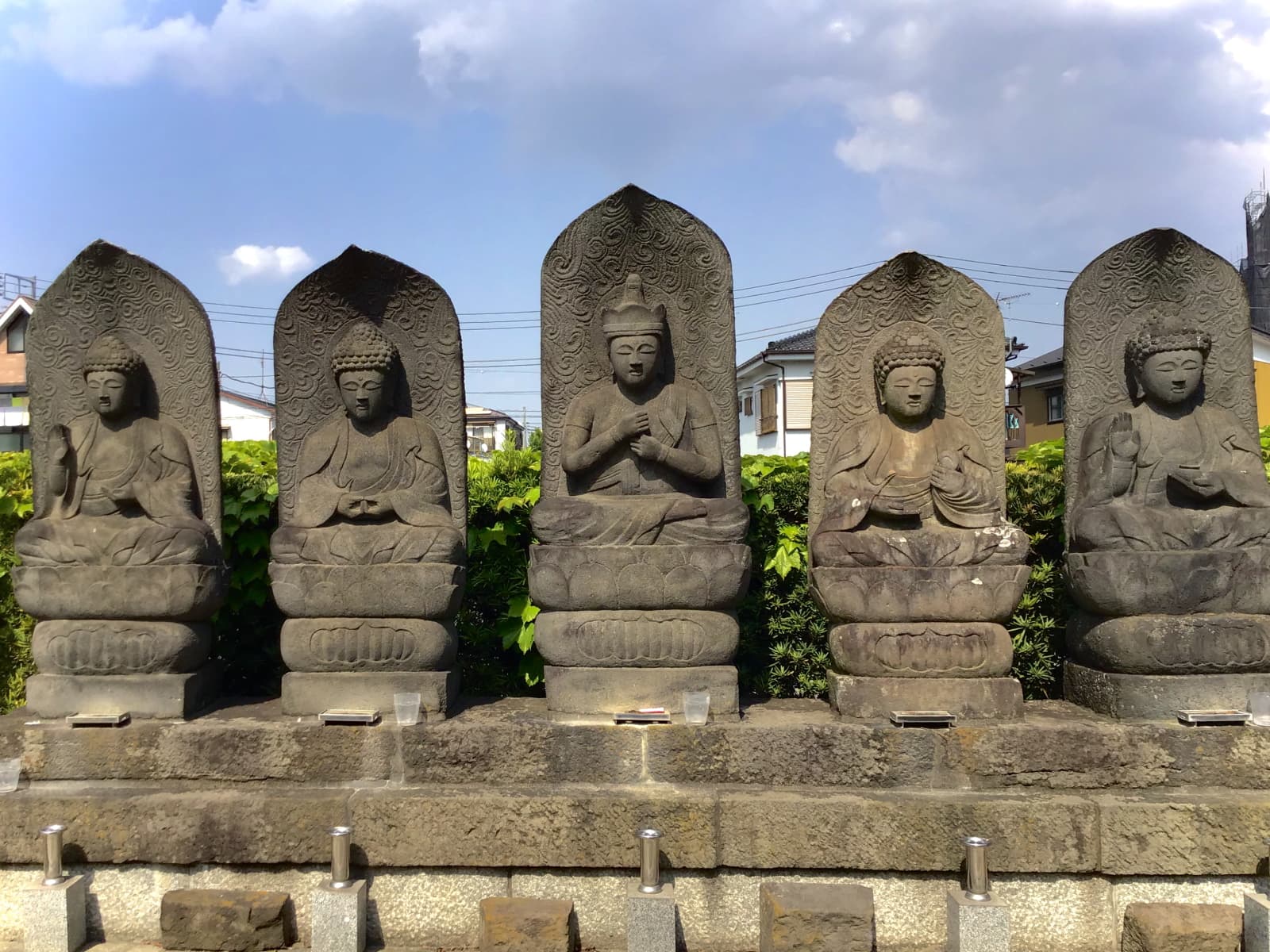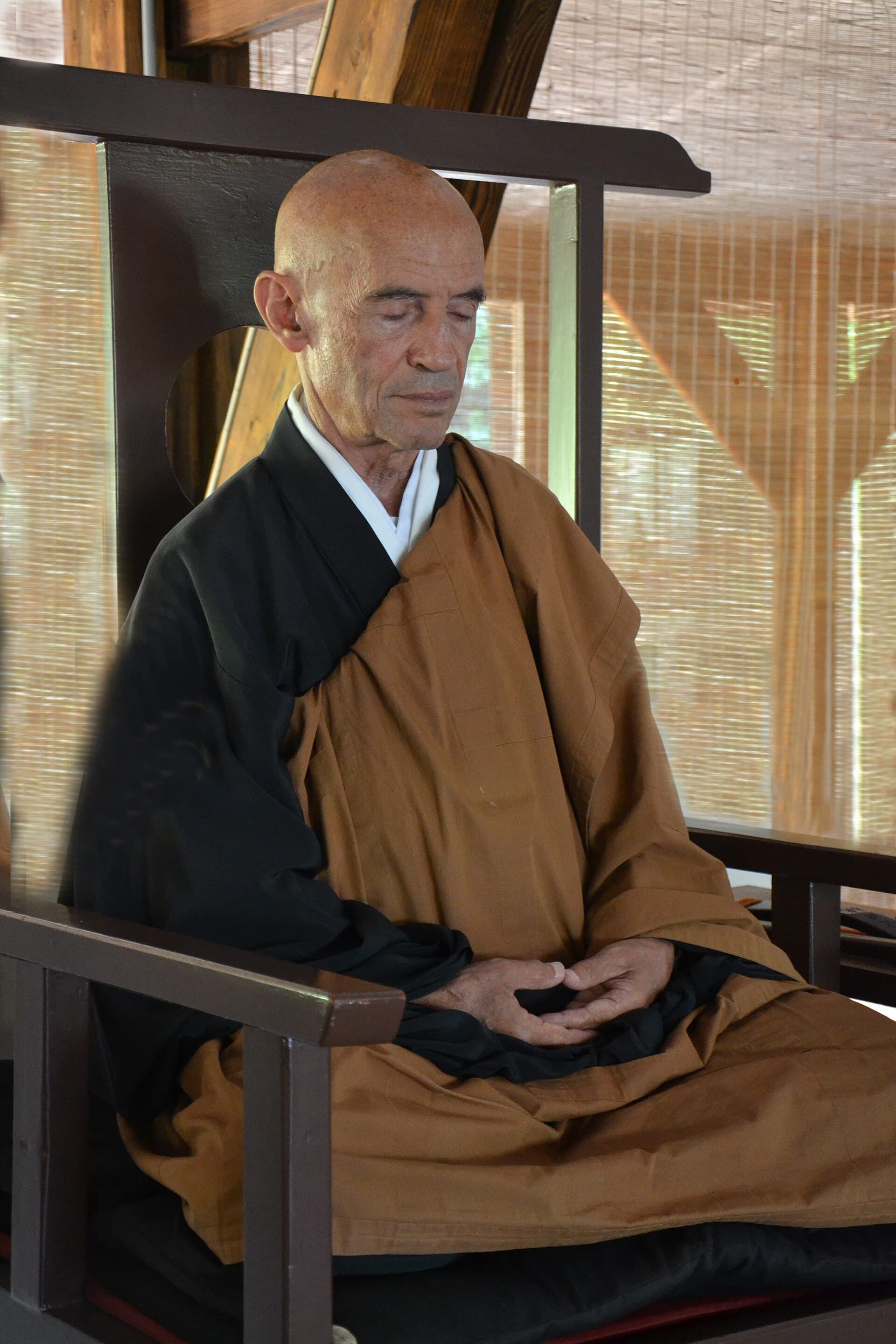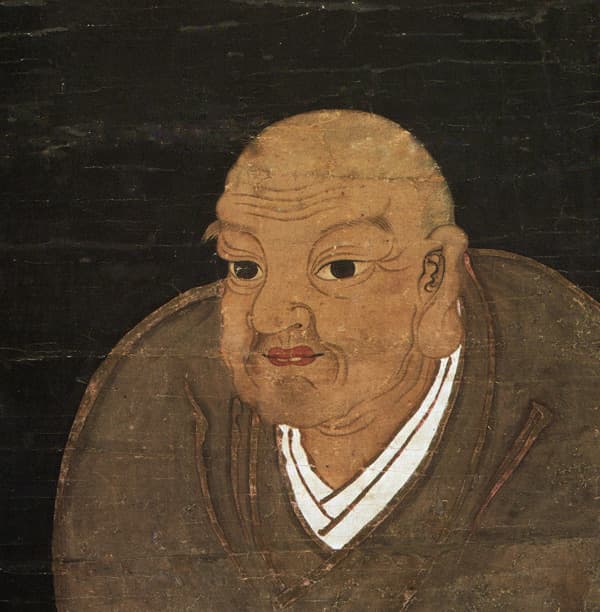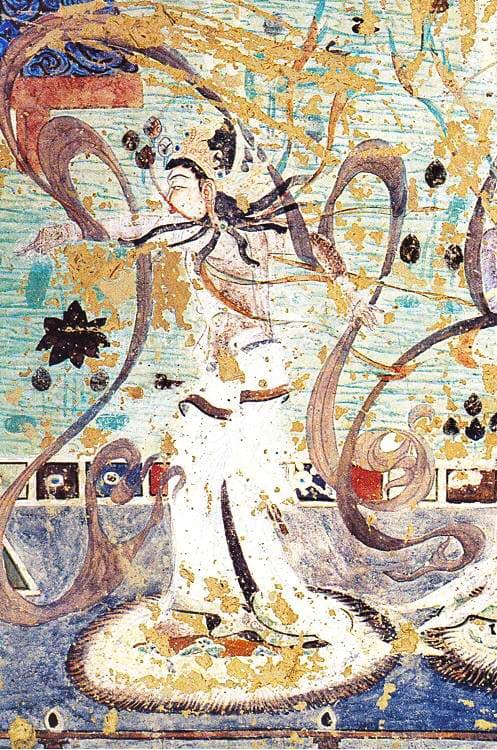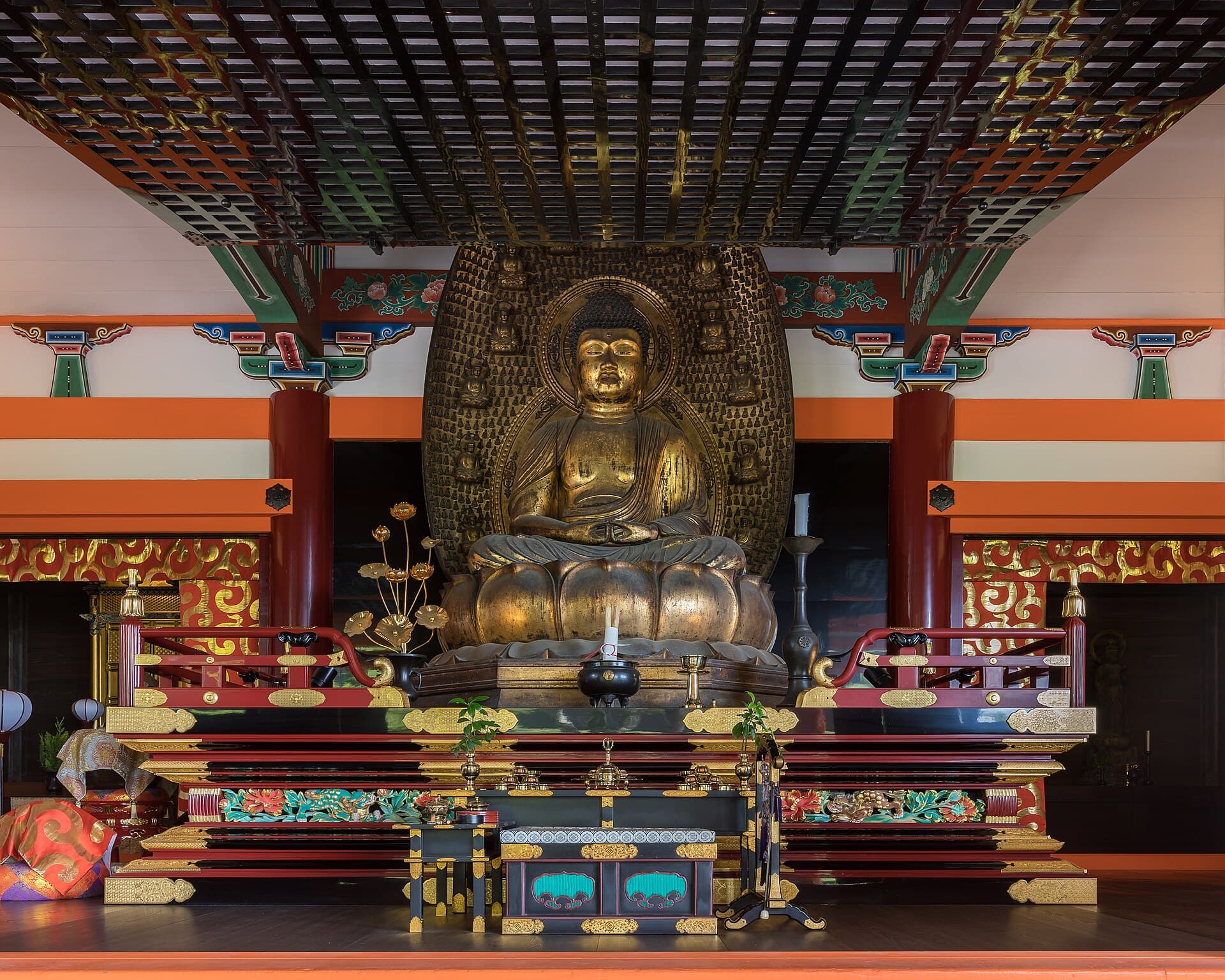
Pure Land Buddhism is the dharma path of other-power. Where the rest of the Buddhist canon emphasizes self-effort — meditation, ethical discipline, study, the slow accumulation of merit over countless lifetimes — Pure Land holds that in this degenerate age (mappo in Japanese, the latter days of the dharma) self-power is insufficient, and that the Buddha Amitabha (Amita-yus, infinite life; Amita-bha, infinite light), in his forty-eighth great vow taken eons ago as the bodhisattva Dharmakara, has accomplished a Pure Land — Sukhavati, the Land of Bliss in the western direction — and pledged that any being who calls his name with sincere mind will be reborn there at death, in a setting so conducive to practice that awakening is then assured.
The textual foundation is the so-called three Pure Land sutras: the Larger Sukhavativyuha Sutra (the account of Dharmakara's vows), the Smaller Sukhavativyuha (a shorter description of the Pure Land delivered to Sariputra), and the Amitayur-dhyana Sutra (the Contemplation Sutra, sixteen visualizations of Amitayus, Avalokitesvara, and Mahasthamaprapta). These were translated into Chinese between the second and fifth centuries CE; Kumarajiva's translations of the Amitabha Sutra became standard.
The school crystallizes in China through a sequence of patriarchs at Mt. Lu (Donglin Temple) where Huiyuan (334–416) founded the first dedicated lotus society in 402 CE; then through Tan-luan (476–542), who developed the doctrine of the Two Practices and the easy path of other-power; Daochuo (562–645), who insisted the Pure Land path is the only viable path in mappo; and Shan-tao (613–681), whose commentaries became the definitive Pure Land scholastic foundation, including the practice of nianfo — vocally and mentally invoking Namo Amituofo, the name of Amitabha — as the single sufficient act. Yin Kuang (1862–1940), the thirteenth patriarch of Chinese Pure Land, brought the school into the twentieth century, and it remains the most widely practiced Buddhist form in contemporary China alongside Chan.
The Japanese transmission produces three great strands. Honen (1133–1212), founder of Jodo Shu, made nembutsu (the Japanese form of nianfo: Namu Amida Butsu) the single exclusive practice. His student Shinran (1173–1263) went further — he founded Jodo Shinshu, the True Pure Land School, insisting that even the recitation is not the cause of birth in the Pure Land; the cause is the working of Amitabha's vow itself, and the recitation is simply the response of gratitude (shinjin) for what has already been given. This is the most radical statement of other-power in the entire Buddhist canon. Shinran's tariki — the absolute reliance on the other's power — places Jodo Shinshu in a position similar to certain Protestant Christian theologies of grace, and is one reason Pure Land was the form of Buddhism that Western audiences in the late nineteenth century first found accessible. The third strand, Ji-shu, founded by Ippen (1234–1289), made nembutsu a roving dancing practice carried across Japan to the unschooled and the leper colonies.
The Vietnamese Tinh Do tradition combines Pure Land recitation with Thien meditation in a hybrid practice that has become the most common form of lay Vietnamese Buddhism. Korean Pure Land is similarly mixed into the Jogye Seon synthesis. Tibetan Buddhism preserves Amitabha and Sukhavati devotion in Phowa practice — the transference of consciousness at death to Amitabha's pure land — taught in all four schools, especially among the Drikung Kagyu.
The sociology of Pure Land is significant. Jodo Shu and Jodo Shinshu together are the largest single Buddhist denomination in Japan, with tens of millions of registered adherents; Chinese Pure Land Buddhism, in continuum with Chan, is the largest Buddhist body in mainland China and Taiwan, with hundreds of millions of casual or devout practitioners. The Pure Land emphasis on lay accessibility — that a busy farmer, a fisherman, a dying patient, anyone who can speak six syllables, has access to the path — made it the dominant Buddhist form for ordinary East Asian people for more than a thousand years. Its doctrine is not abandonment of the bodhisattva path but its assured fulfillment: once reborn in Sukhavati, the practitioner can complete the bodhisattva career and return to all worlds to liberate beings.
The humility of the school is its discipline. The Pure Land practitioner says: I cannot do this on my own. The Buddha has already done it for me. My only work is to trust, and to call his name.