Walking meditation — cankama in Pali, kinhin in Japanese Zen, jingxing in Chinese, walking-in-the-presence in Thich Nhat Hanh's English — is one of the four postures the Buddha named as suitable for meditation: standing, sitting, walking, lying down. In every Buddhist monastery, meditation halls are paired with cankama paths — long straight walkways where monastics can move slowly and attentively, often for hours.
The Pali instruction is concrete. The cankama path is typically twenty-five paces long and walked at the deliberate pace of one breath per step or one foot per second. The walker establishes mindfulness in the feet — the lifting, the moving, the placing — and watches each component without anticipation or commentary. The practice is not slow walking for the sake of slowness. It is the maintenance of clear awareness through movement, which is the actual condition of most of life. Sitting is the exception. Walking is the rule.
The practice serves multiple purposes. After a long sit, the body has accumulated dullness and stiffness; walking dissipates these and freshens the mind for the next sit. The blood circulates. Digestion functions properly. The Buddha himself, the texts record, walked cankama daily and recommended the practice to bhikkhus with five benefits: 'one becomes able to travel long distances; one becomes able to bear effort; one becomes free from disease; what one has eaten is properly digested; concentration attained while walking remains for a long time' (AN 5.29). The fifth point is the contemplatively significant one — concentration won in walking is more durable than concentration won in sitting alone.
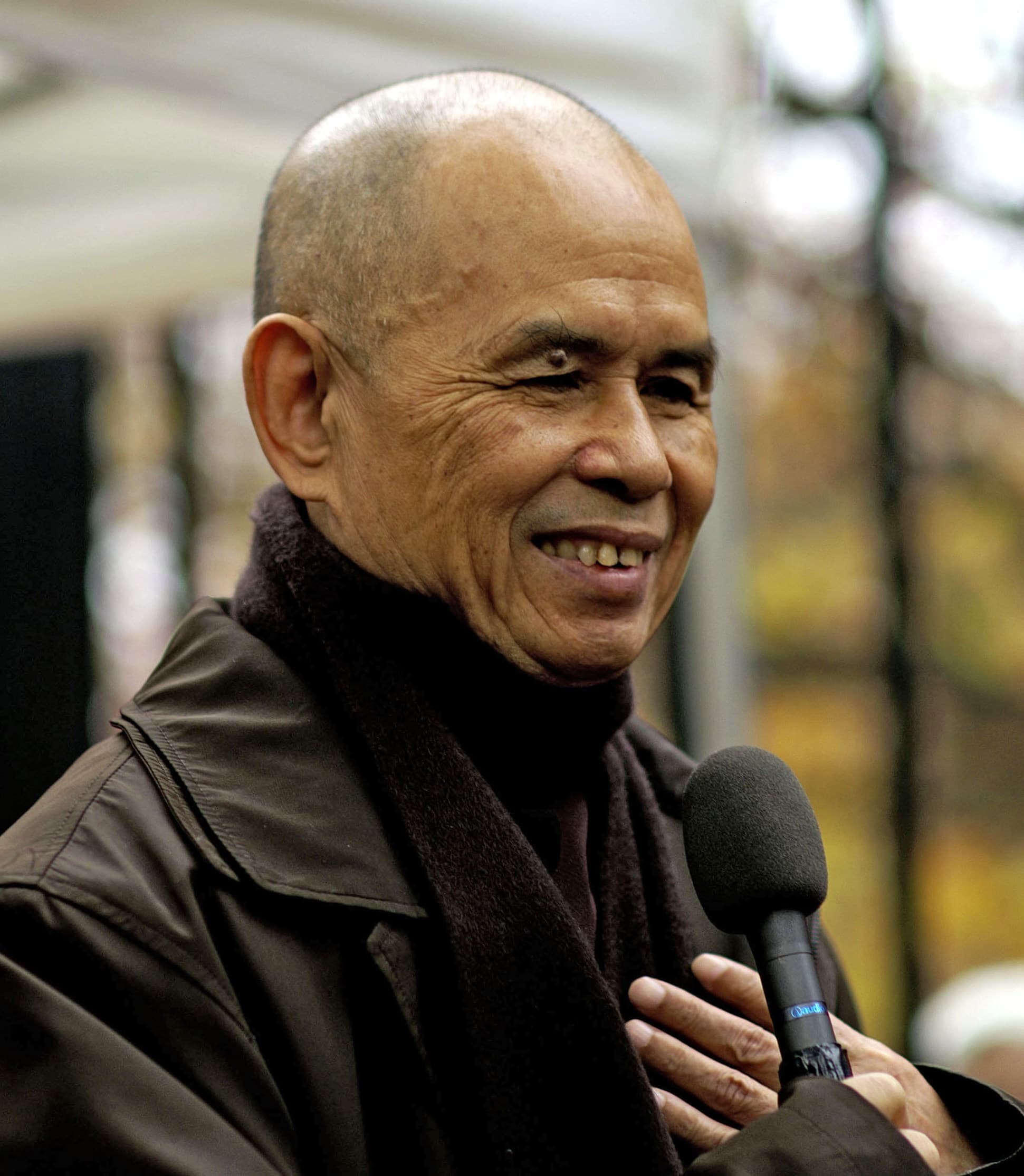
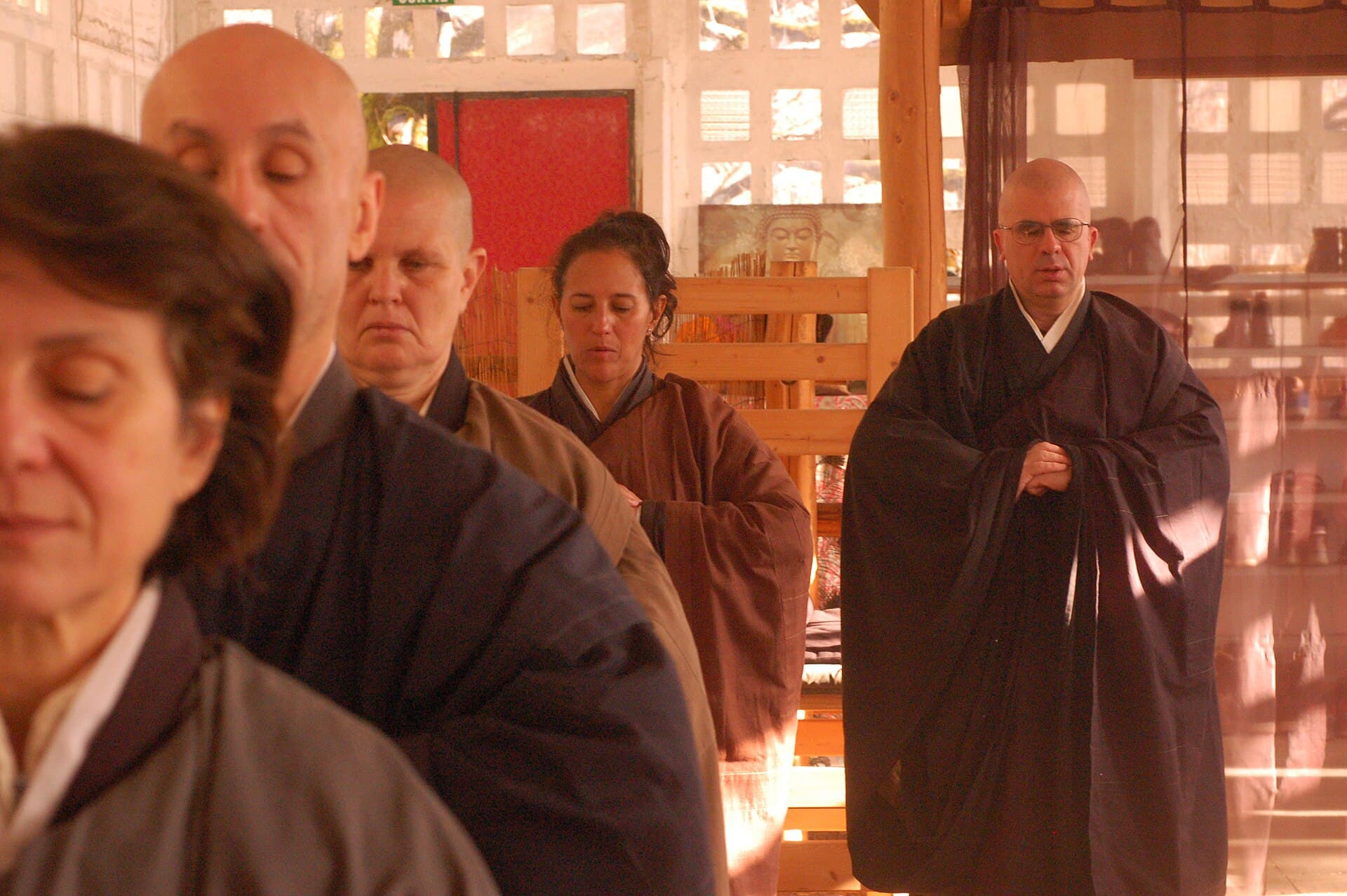
In the Mahasi tradition, walking meditation is taught with explicit mental noting: 'lifting... moving... placing... lifting... moving... placing.' In Zen, kinhin is performed between zazen periods — a slow procession in single file around the meditation hall, breath synchronized with step, often with hands held in shashu (one hand wrapping the other thumb, held at the chest). In Plum Village under Thich Nhat Hanh, walking meditation is performed outdoors in groups, sometimes hundreds of practitioners walking in silence together, the assembly itself becoming a moving teaching for anyone who sees them.
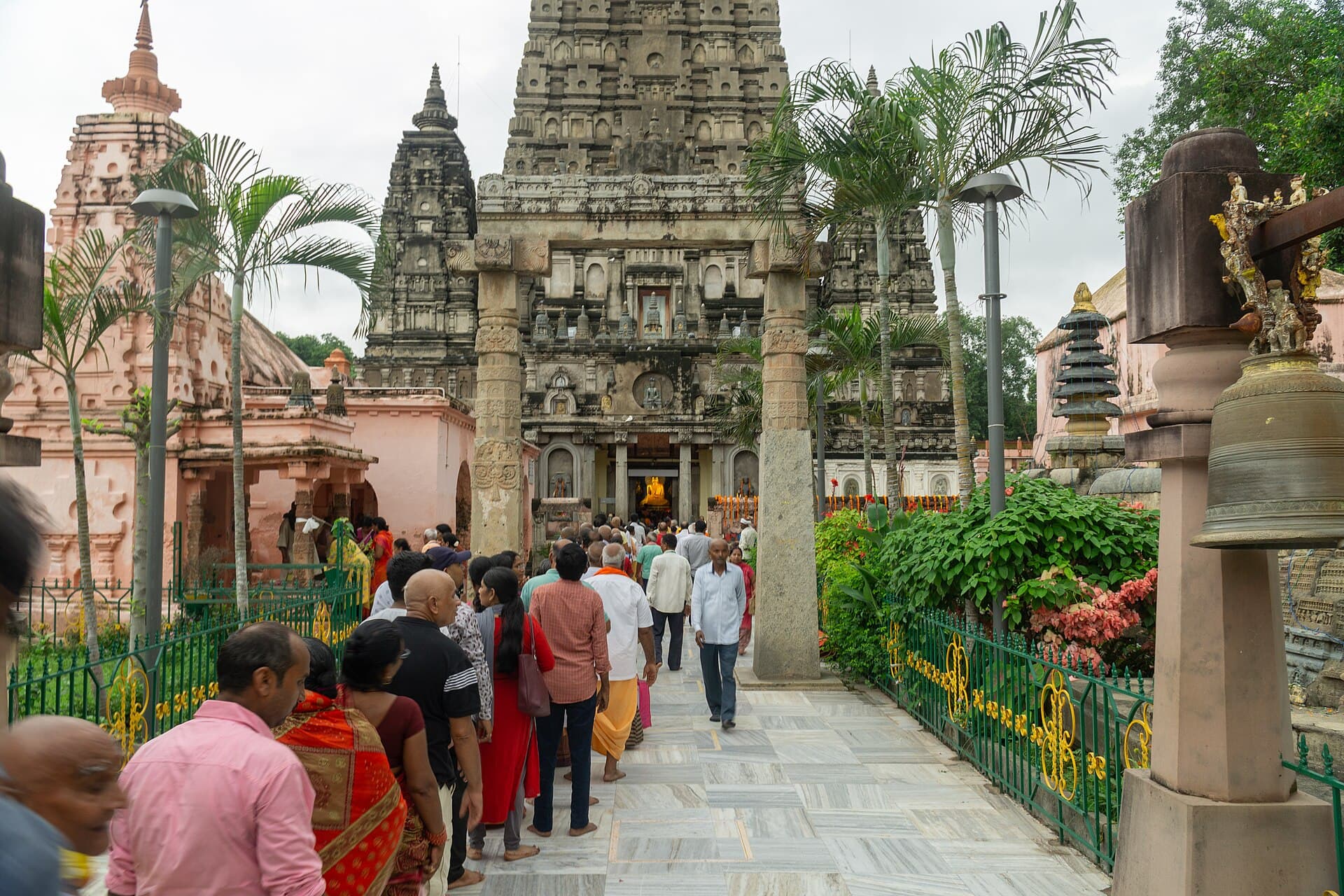
In pilgrimage, walking meditation extends across days and weeks. The pilgrim walking from Bodh Gaya to Sarnath retraces, with full attention, the journey the Buddha himself made — a journey of about 250 kilometers, which the Buddha completed in approximately ten days. Modern pilgrims who walk this circuit at meditative pace report that the walking changes them in ways that no sit ever has. The dharma is in the body, and the body walks.