KNOWLEDGE/TEXTS/THE LOTUS SUTRA
TextsMahayana

The Lotus Sutra

The Saddharma-Pundarika

The most influential Mahayana sutra in East Asia. The teaching of the One Vehicle, the eternal Buddha, and the universal possibility of buddhahood. Composed c. 1st century BCE to 1st century CE.

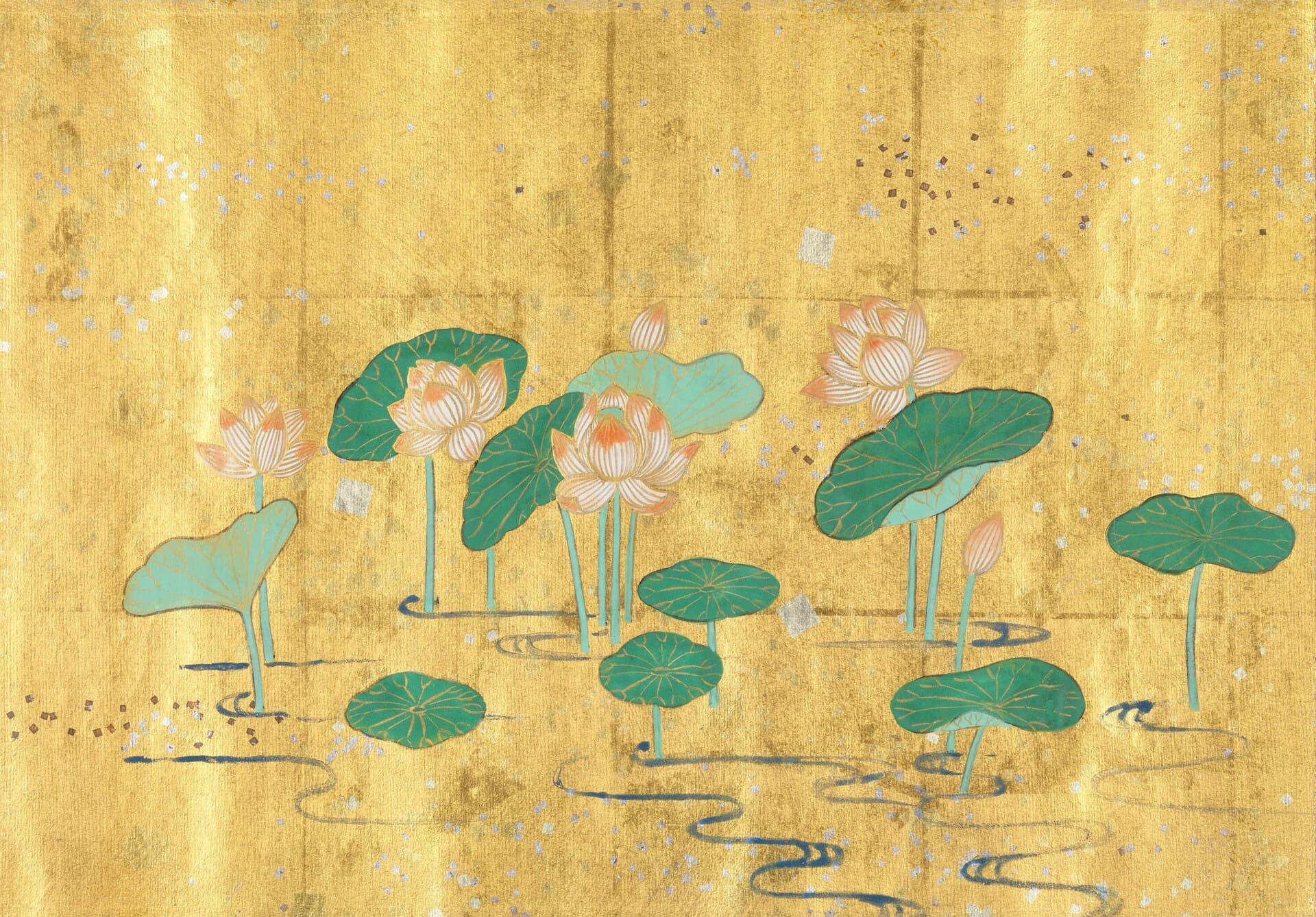
Gold-ground Japanese painting of lotus flowers illustrating the Lotus Sutra
Photo: Sugawara Mitsushige (12th century), Public domain, via Wikimedia Commons

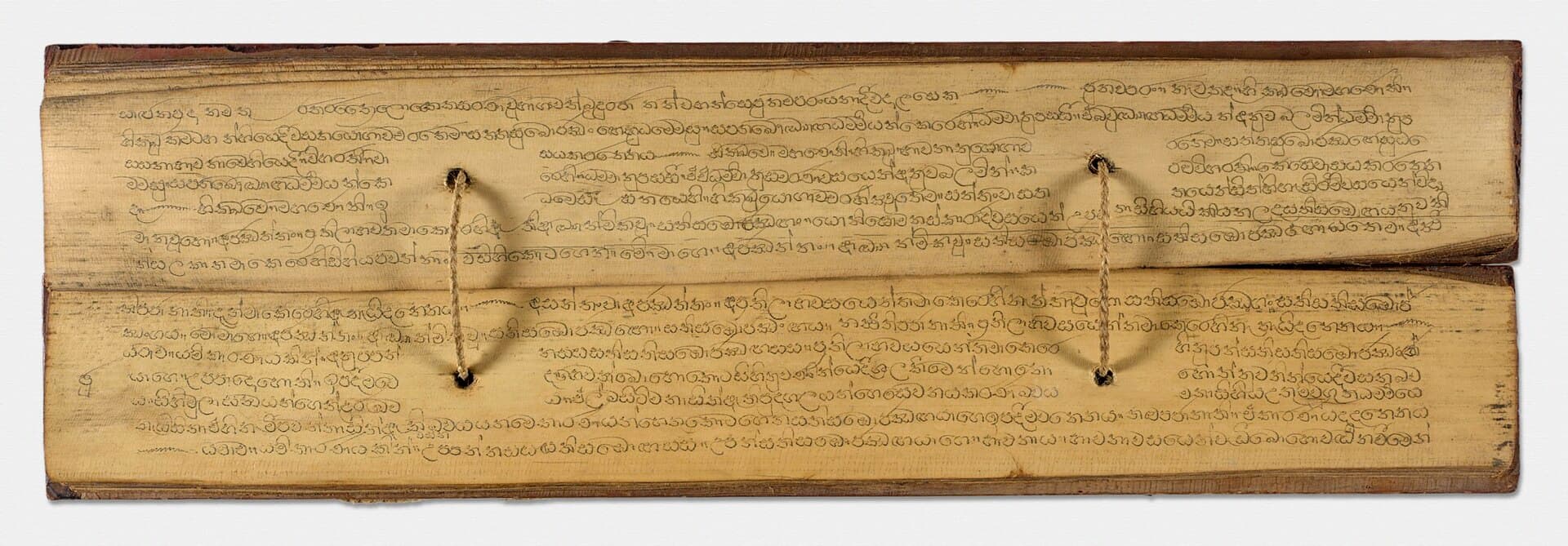
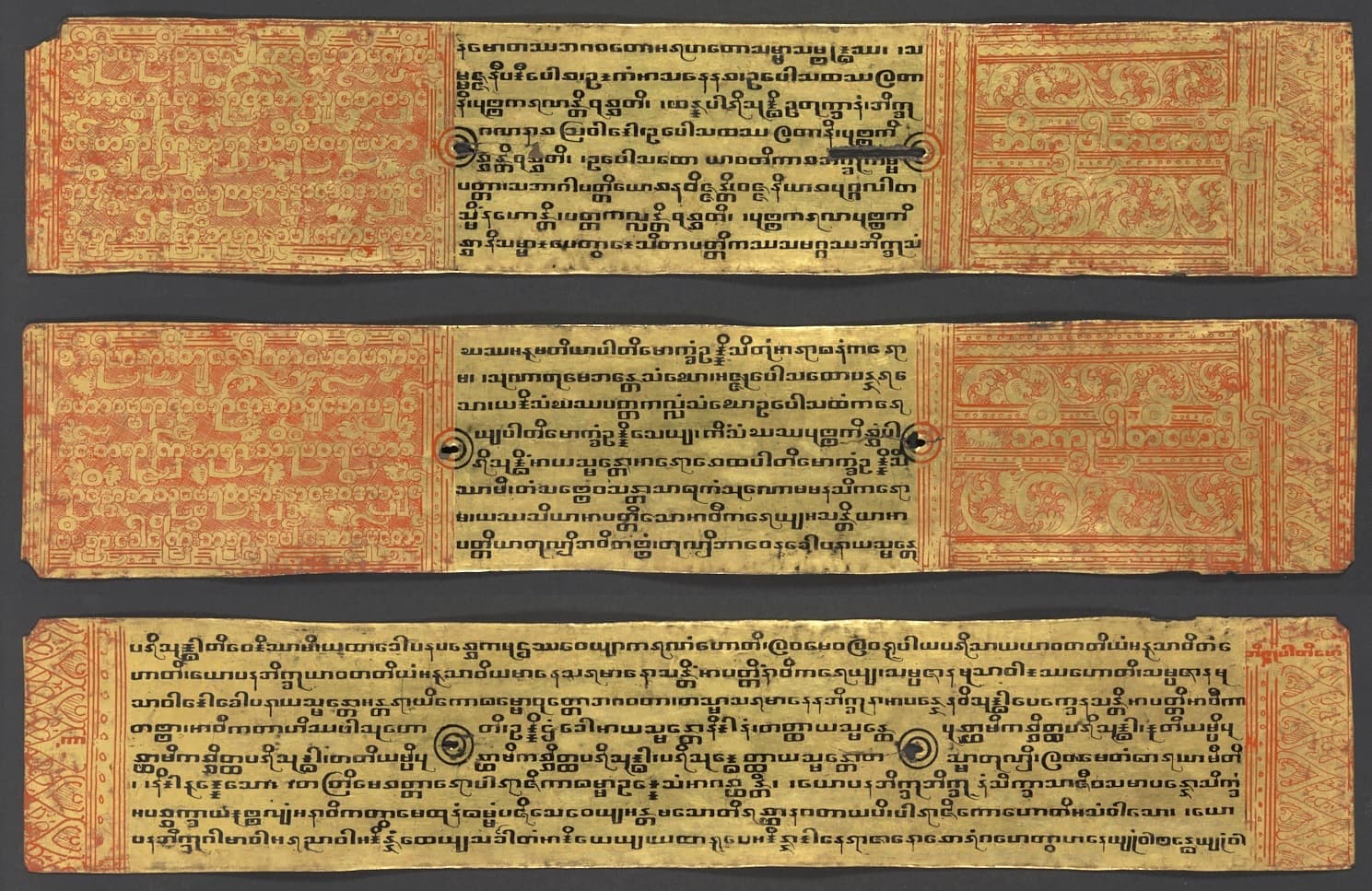
The Lotus Sutra — Saddharma-Pundarika Sutra in Sanskrit, Miaofa Lianhua Jing in Chinese, Myoho Renge Kyo in Japanese — is the central scripture of the East Asian Mahayana tradition. In China it became the foundation of the Tiantai school (Zhiyi, 538-597). In Japan it gave rise to Tendai and, through Nichiren (1222-1282), to the Nichiren schools that today claim tens of millions of followers worldwide.

The sutra presents itself as a discourse delivered by the Buddha on Vulture Peak at Rajgir to an immense assembly of monks, bodhisattvas, and devas. The opening teaching is the doctrine of the One Vehicle (ekayana): the three paths previously taught — shravaka (hearer), pratyekabuddha (solitary realizer), and bodhisattva — are not three separate destinations but skillful means (upaya), gradients of a single path. All beings are destined for full buddhahood.

The second great teaching is the eternity of the Buddha. In Chapter 16, 'The Lifespan of the Tathagata,' the Buddha reveals that his apparent birth at Lumbini and death at Kushinagar were skillful means, displays for the benefit of beings who would not appreciate a Buddha who never departed. In reality, he has been continuously teaching since 'innumerable, boundless, unimaginable kalpas ago' and will continue to teach for that long again. The historical Buddha is one expression of an eternal dharma-body (dharmakaya).

The sutra is structured around dramatic parables — the burning house (ch. 3), the lost son (ch. 4), the rain that falls on all plants alike (ch. 5), the magic city (ch. 7), the jewel in the robe (ch. 8), and the physician (ch. 16) — each illustrating the doctrine of skillful means. The 'Devadatta chapter' (ch. 12) controversially affirms that even the Buddha's most antagonistic disciple, and the eight-year-old dragon-princess, can attain buddhahood. The 'Universal Gateway' chapter (ch. 25), devoted to Avalokiteshvara, is recited as a stand-alone text across East Asia.

Kumarajiva's Chinese translation (406 CE) became the standard East Asian version. Burton Watson's 1993 English translation (Columbia) is the standard contemporary access. Gene Reeves's 2008 translation (Wisdom) and the Bukkyo Dendo Kyokai translation (2007) are also widely used. Donald Lopez's 2016 'The Lotus Sutra: A Biography' (Princeton) traces the sutra's life across two thousand years.
Cross-reference

Related entries

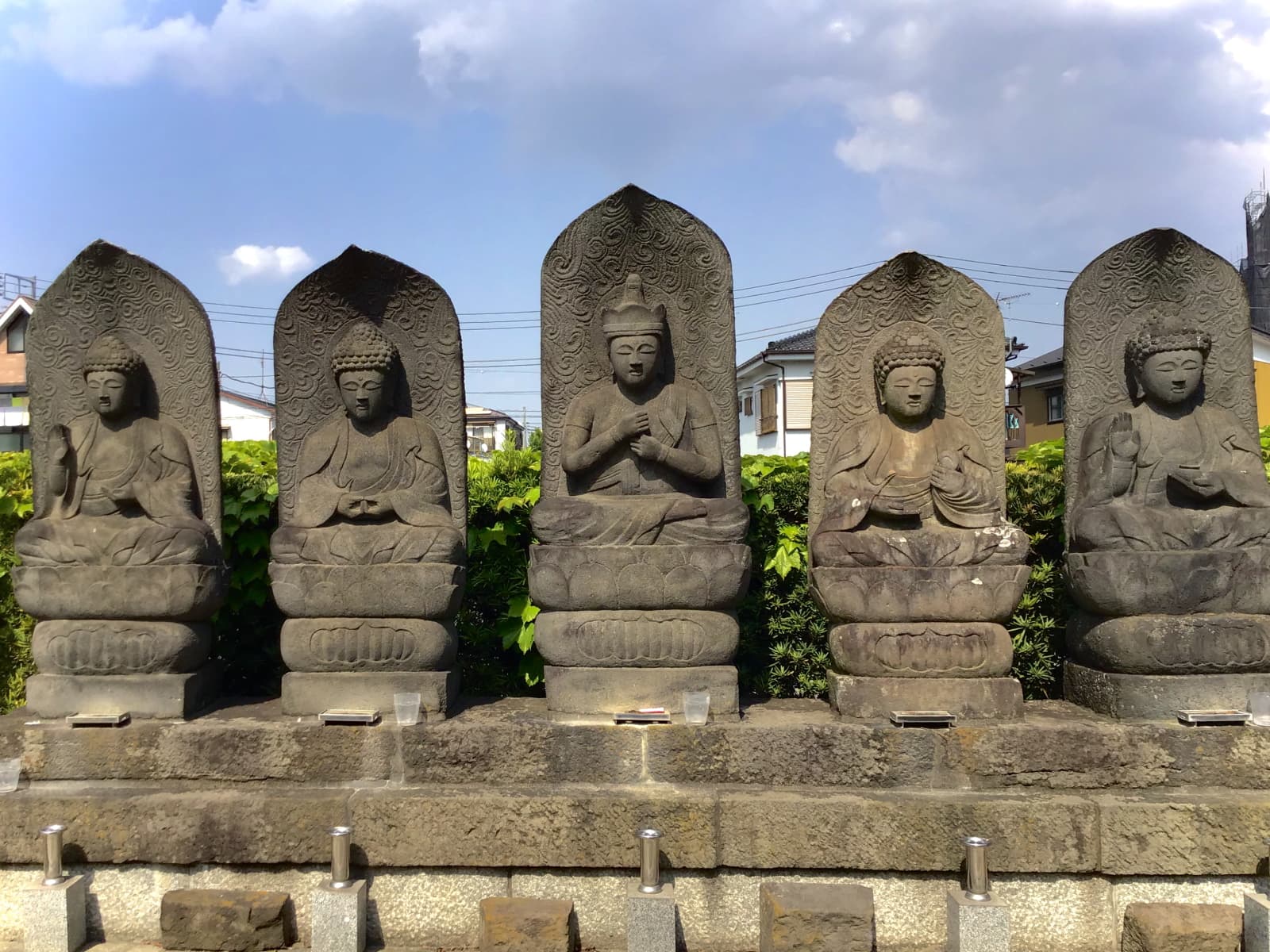
A row of stone Buddha statues at a Japanese Mahayana temple
TraditionsMahayana

Mahayana

The Great Vehicle — the movement that reframed the Buddhist goal from individual liberation as an arahant to the universal awakening of all beings as a bodhisattva, and reframed the metaphysical ground from analysis of dharmas to the emptiness (sunyata) of all phenomena.

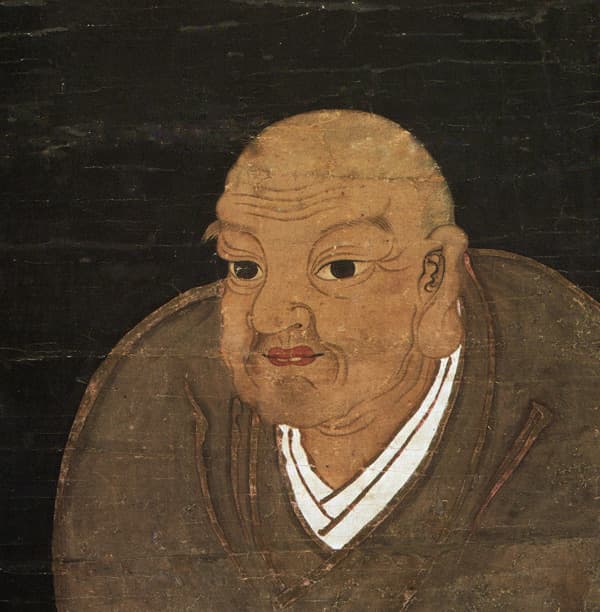
Historical portrait painting of Nichiren, founder of the Lotus Sutra school
TraditionsMahayana

Nichiren

The thirteenth-century Japanese reform movement of Nichiren (1222–1282), which holds the Lotus Sutra to be the supreme and final teaching of the Buddha and recitation of its title — Namu Myoho Renge Kyo — to contain the entire dharma.

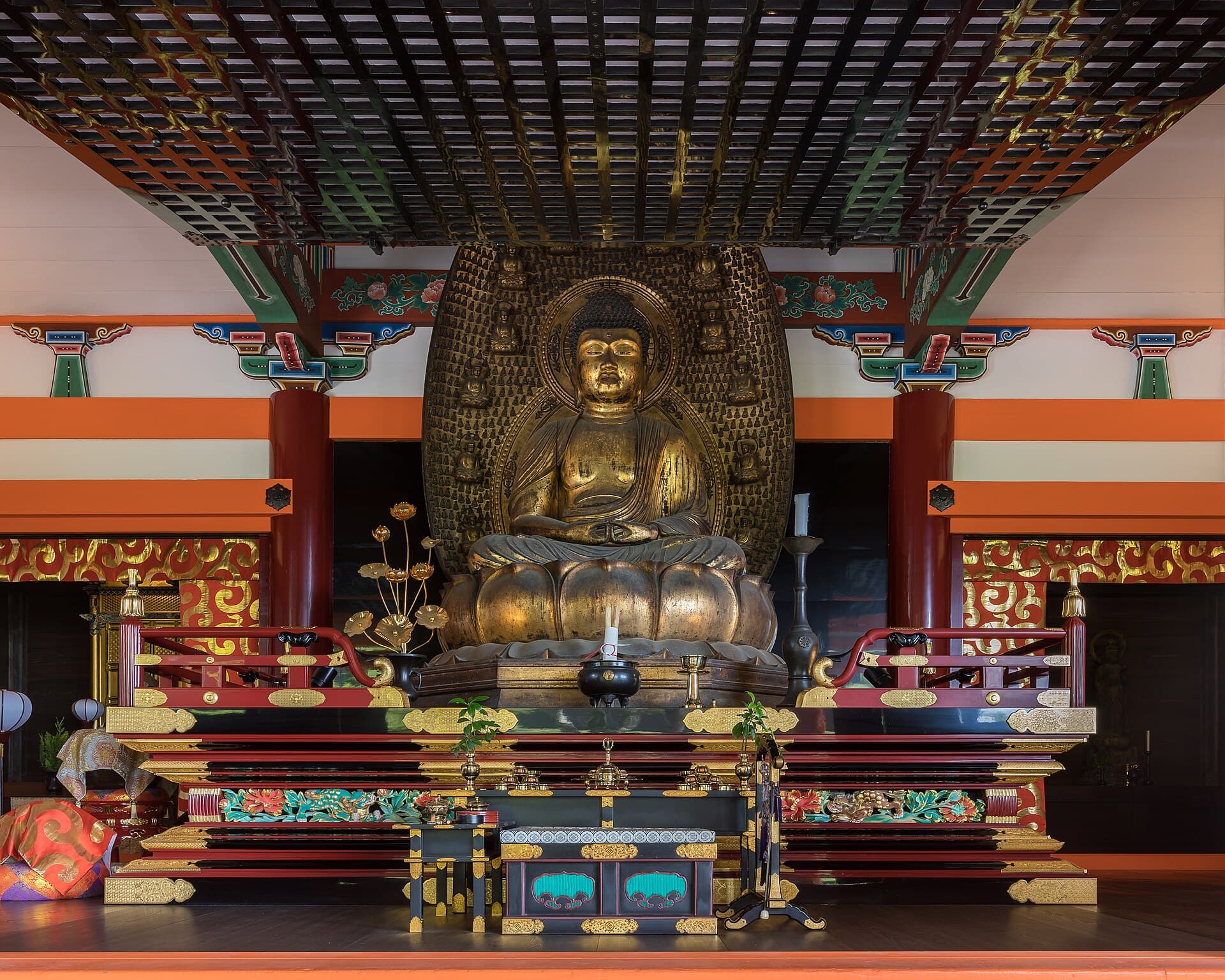
Interior of a Pure Land Amida hall with a golden seated statue of Amitabha Buddha, Kyoto
TraditionsPure Land

Pure Land

The largest devotional school in East Asian Buddhism — the path of rebirth in Sukhavati, the Pure Land of Amitabha, accessed not by self-power but by the saving vow of the Buddha himself, recited as Namo Amituofo, Namu Amida Butsu.

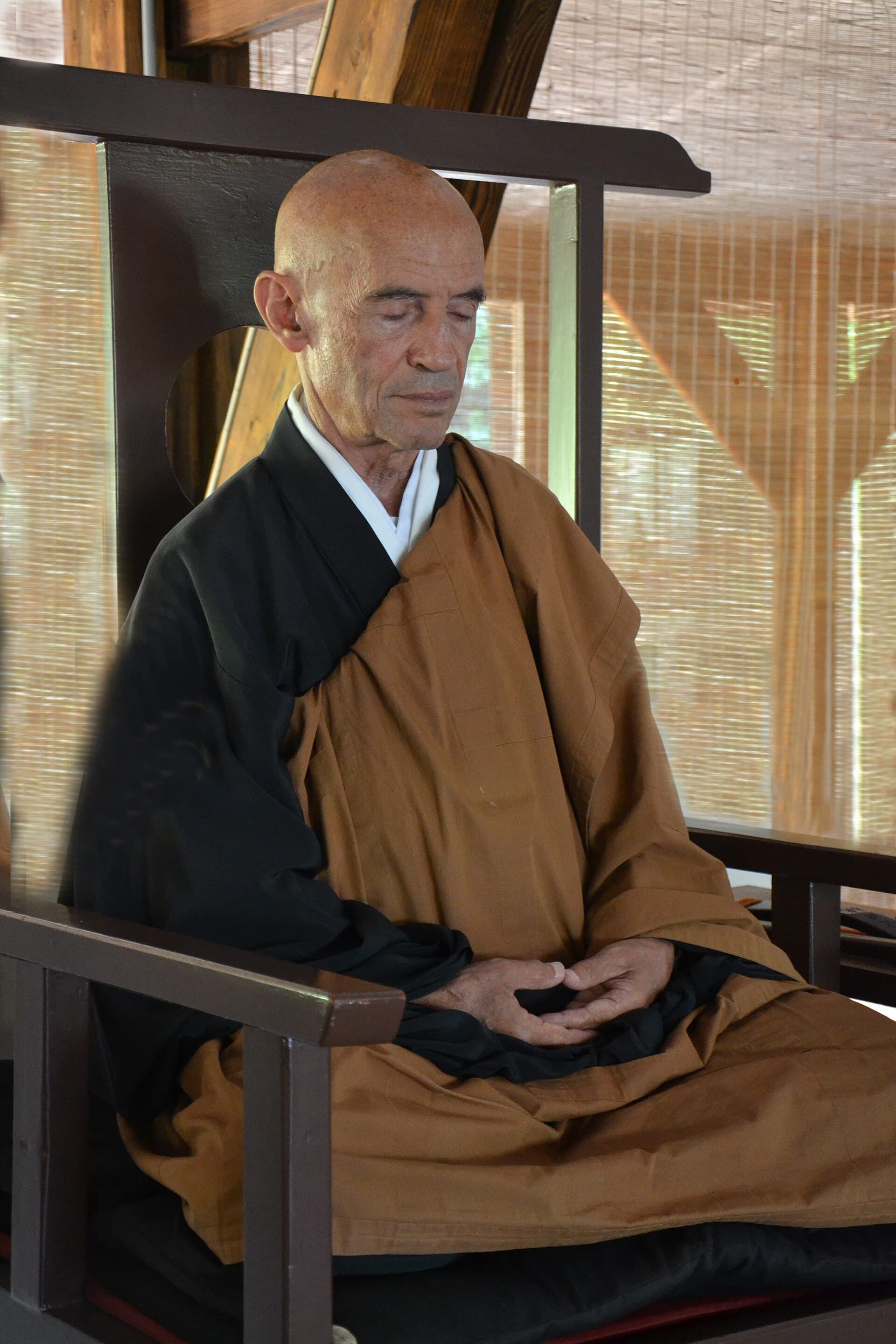
A Zen teacher seated in zazen meditation posture
TraditionsZen

Zen

The meditation school that strips Mahayana to its experiential core: a special transmission outside the scriptures, not founded on words and letters; pointing directly at the human mind, seeing into one's own nature, attaining buddhahood.

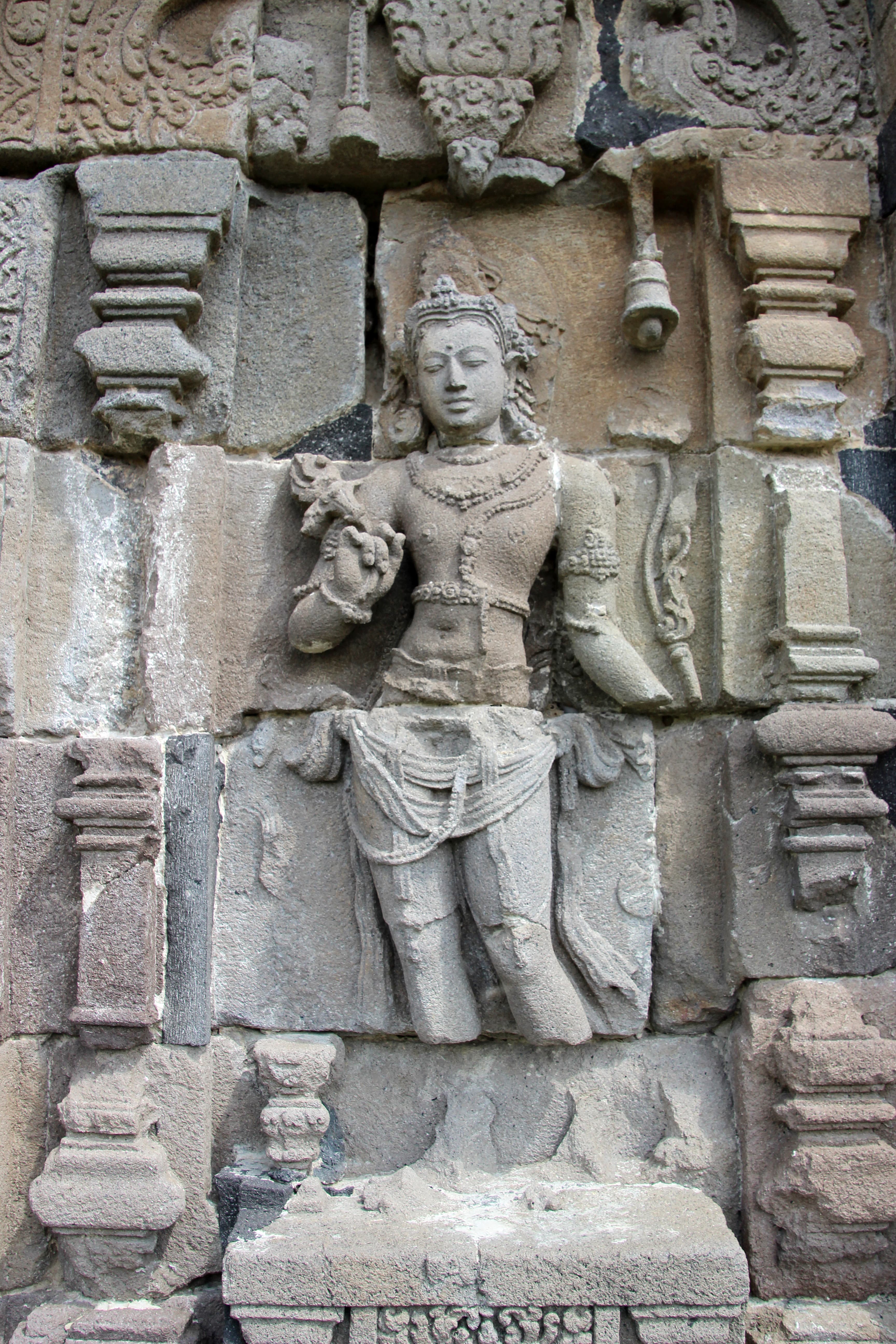
Stone relief carving of a bodhisattva on a Central Javanese temple wall
Core TeachingsMahayana

Bodhicitta

The aspiration to attain complete buddhahood for the benefit of all sentient beings — the defining commitment of the Mahayana path, and the seed from which the bodhisattva's entire activity grows.

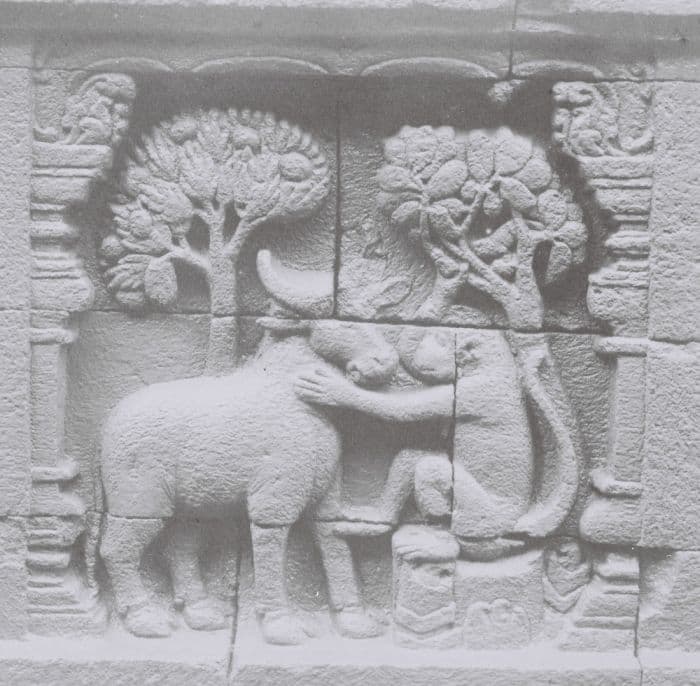
Archival photograph of a Borobudur relief panel depicting the Mahisa Jataka, a past-life tale of the Buddha illustrating the perfections
Core TeachingsMahayana

The Six Paramitas

Six perfections that the bodhisattva cultivates across countless lifetimes: generosity, ethical conduct, patience, joyous effort, meditative concentration, and wisdom. The structural curriculum of the Mahayana.

Pilgrimage

Related sacred sites

Library

Further reading

  • The Lotus SutraBurton Watson (trans.)
    Columbia University Press, 1993
  • The Lotus Sutra: A BiographyDonald S. Lopez Jr.
    Princeton University Press, 2016
Reflections

The sangha responds.

0
Add your reflection
Comments are public to the sangha.