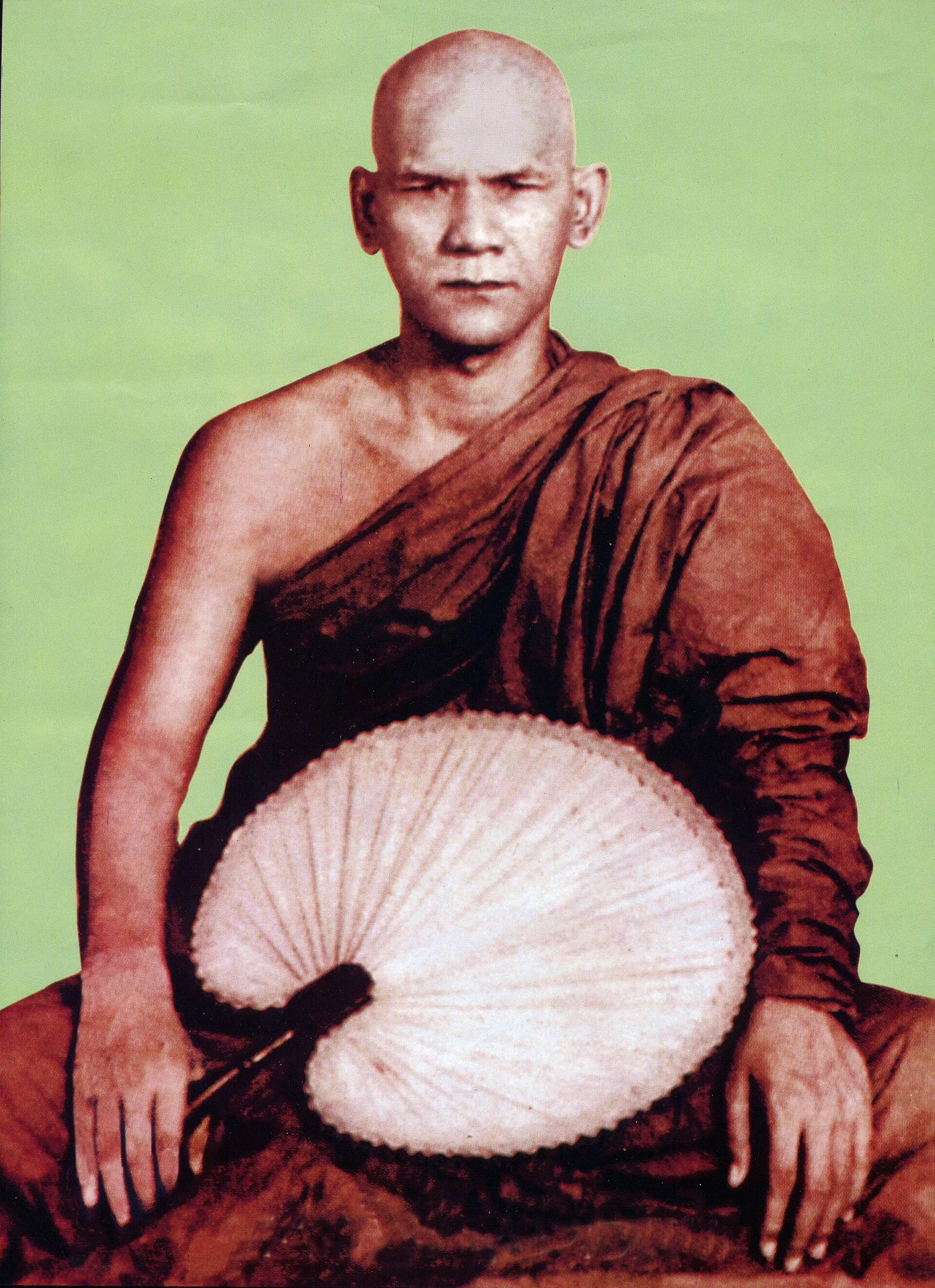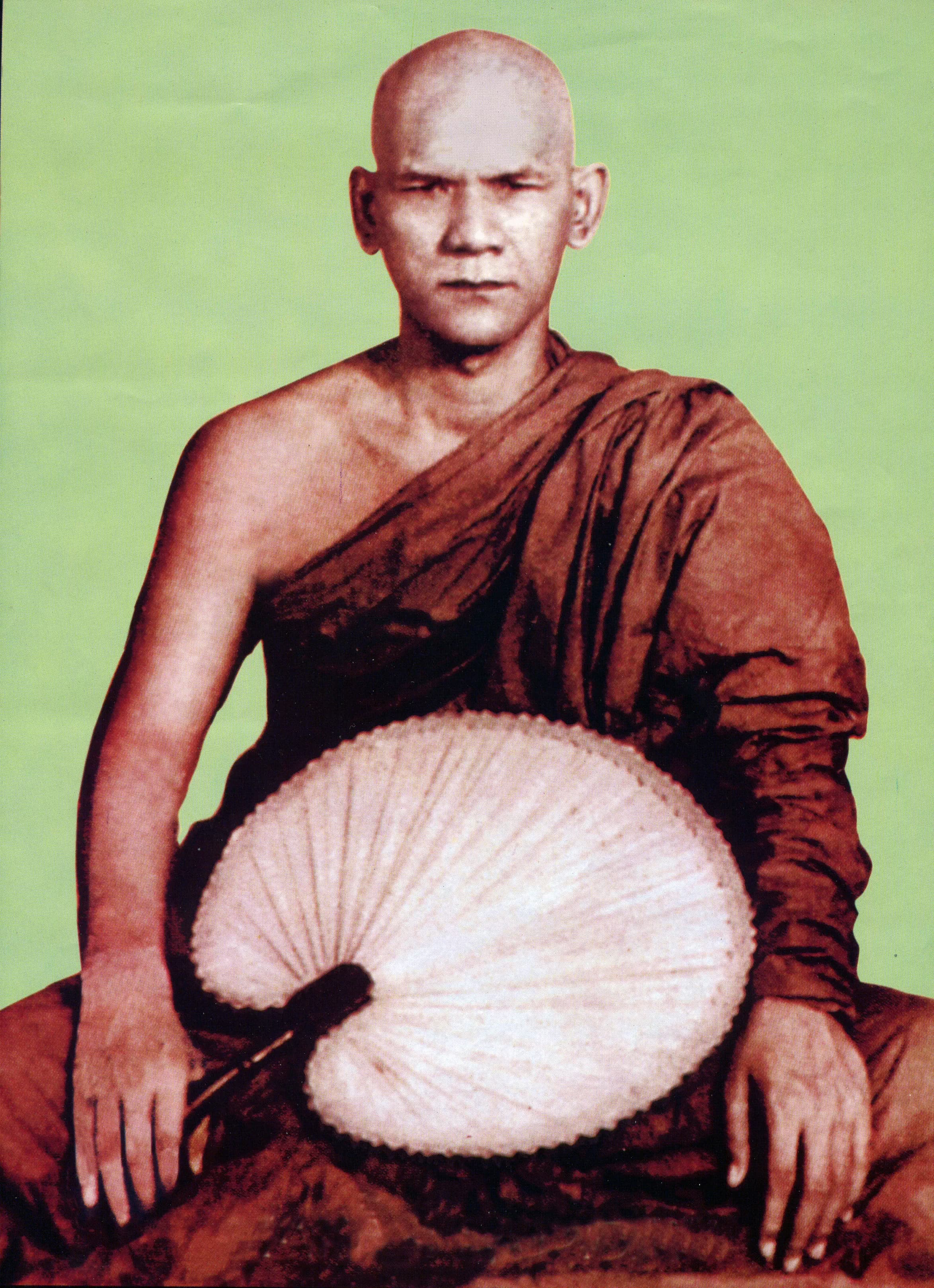
U Sobhana, who became known as Mahasi Sayadaw — the Great-Drum Teacher, from the great drum near the monastery where he taught — was born in Seikkhun, Upper Burma, in 1904. He was ordained as a samanera at twelve and as a bhikkhu at twenty. He completed the formal monastic Pali examinations as the most senior monk of his cohort in 1941 and was awarded the title Sasanadhaja Siri Pavara Dhammacariya. He was, at that point, a textually exemplary scholar-monk.
What changed him was the encounter with the satipatthana-based vipassana technique of Mingun Jetawan Sayadaw in 1932. The technique — derived directly from the Satipatthana Sutta and the Visuddhimagga, but distinguished by the radical emphasis on continuous moment-to-moment noting of every arising — became the basis of his lifelong teaching. Practice begins with the rising and falling of the abdomen during natural breathing, with the mental note "rising, rising; falling, falling," and extends from there to every other body sensation, every thought, every emotion, every physical motion. The note is short, single-word, present-tense, and meant to be just slightly behind the experience: "hearing, hearing; thinking, thinking; itching, itching; intending-to-move, intending-to-move." The aim is the seeing of the arising and passing of phenomena at the speed at which they actually occur.
In 1947 the Prime Minister of Burma, U Nu, and Sir U Thwin invited him to Rangoon to establish a centre dedicated entirely to lay vipassana training. The Mahasi Sasana Yeiktha opened in December 1947 with a small group of dedicated lay yogis. By the 1950s the centre had become the largest meditation establishment in the Theravada world. The 1954–56 Sixth Buddhist Council, convened in Rangoon to mark the 2500th anniversary of the Buddha's parinirvana, was structurally organized in part by Mahasi Sayadaw, who served as the Final Editor (Osana Sodhaka) of the Pali Canon's reconstituted edition and led the council's contemplative method.
His Manual of Insight (Visuddhinana-katha), published in Burmese in 1944 and translated into English by Bhikkhu Bodhi, U Pe Thin, and others, is the most complete modern Theravada treatise on the systematic stages of insight. It maps the sixteen ñanas — the insight knowledges from the first knowledge that distinguishes mind and body through the knowledge of equanimity about formations to the knowledge of fruition. The map is descriptive: practitioners following the noting method, in any tradition derived from him, frequently report passing through the stages in the order the manual specifies.
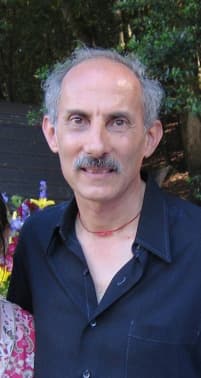
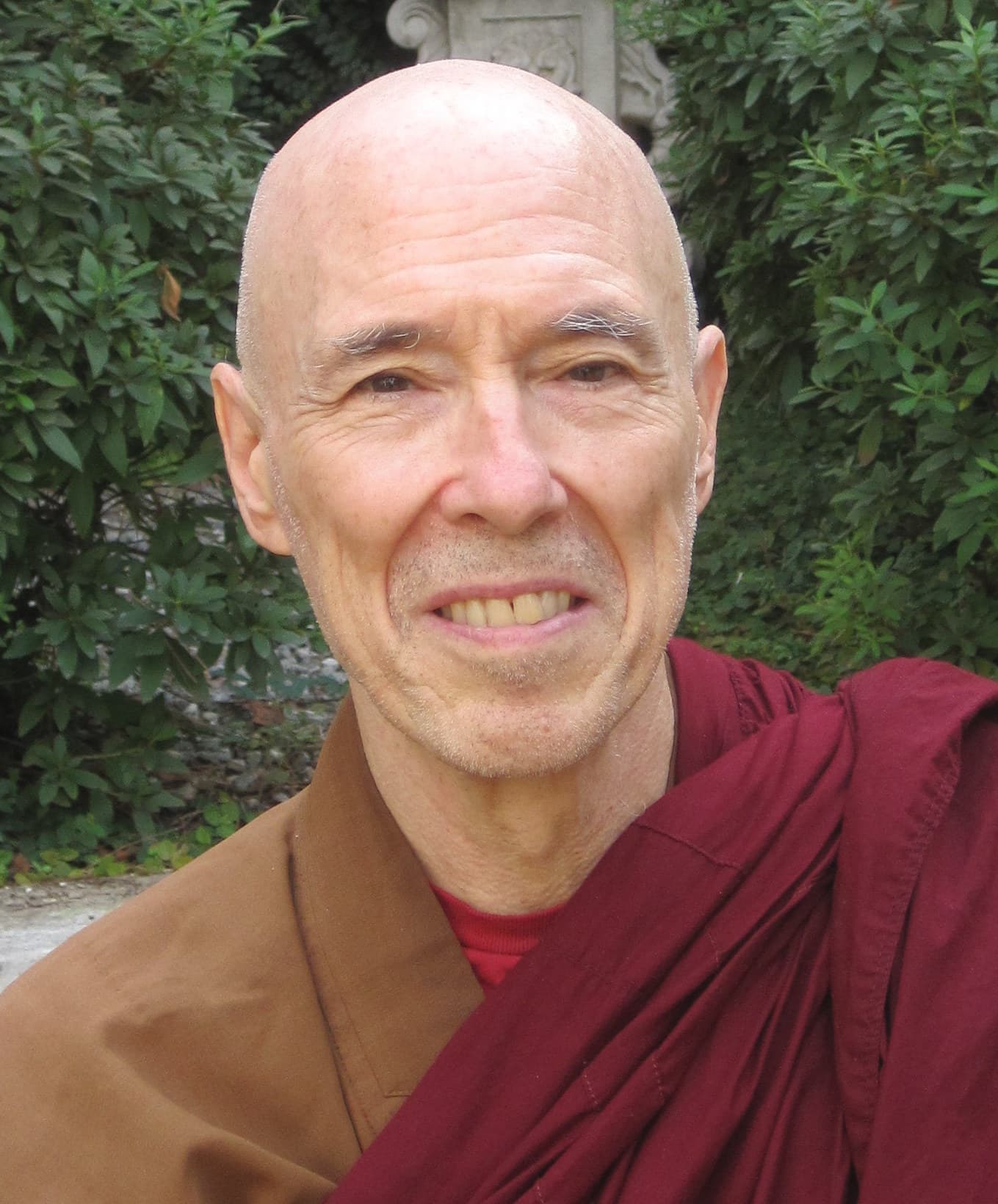
The technique left Burma in two main directions. Joseph Goldstein, Sharon Salzberg, and Jack Kornfield studied with Mahasi Sayadaw's student Anagarika Munindra and U Pandita in Bodhgaya in the 1970s; they brought the method back to America and founded the Insight Meditation Society in Barre, Massachusetts, in 1976. From IMS the method spread through the entire American insight movement. In a second direction, Mahasi students in Burma trained teachers who would themselves go global — including Sayadaw U Janakabhivamsa, Sayadaw U Pandita, and Sayadaw U Tejaniya, each of whom now leads internationally-known centres.
He died in 1982 in Rangoon. His ashes were enshrined in a stupa at the Sasana Yeiktha. The noting tradition is now one of the two dominant Theravada vipassana traditions taught in English, the other being Goenka's body-sweep method.