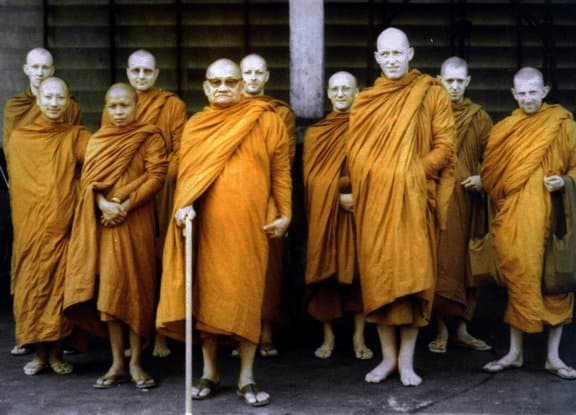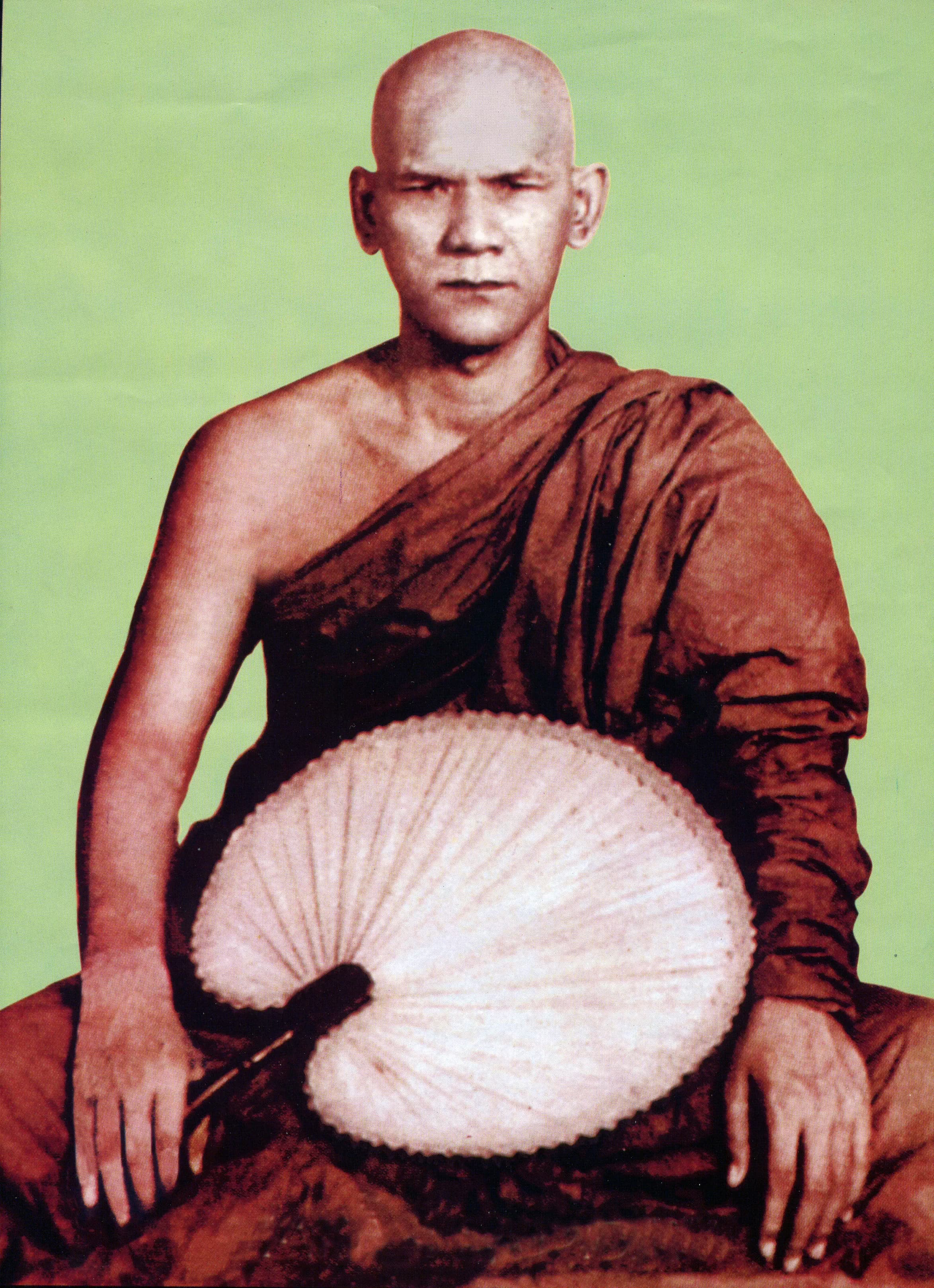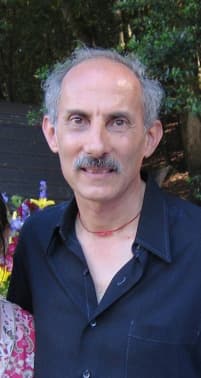
He was born in 1945 in Washington DC and educated at Dartmouth College, where he studied Asian studies. After graduating in 1967 he joined the Peace Corps and was assigned to Thailand. He ordained as a Buddhist monk in 1969 and spent five years training under Ajahn Chah at Wat Pah Pong, becoming one of the first Westerners in the lineage — half a year after Ajahn Sumedho. He also studied with Mahasi Sayadaw in Burma and with Anagarika Munindra and Dipa Ma in India. He returned to the United States in 1972, completed a PhD in clinical psychology, and co-founded IMS in 1976 with Joseph Goldstein and Sharon Salzberg.
In 1987, with the Spirit Rock founders, he established Spirit Rock Meditation Center in Woodacre, Marin County, California — the West Coast counterpart to IMS. Spirit Rock has been the entry point for the second generation of American Buddhist teachers and the institutional home of much of the integration between insight practice and modern psychology that Kornfield himself has driven.
His particular synthesis brings together Theravada vipassana, Mahayana compassion practices, and Western psychology, including transpersonal psychology. A Path with Heart (1993) made the integration popular and is the most-read American Buddhist book of its generation. After the Ecstasy, the Laundry (2000) addresses what comes after awakening — the slow work of integrating insight into ordinary life — in a tradition that often treats awakening as the end of the story. The Wise Heart (2008) explicitly maps Buddhist psychology onto contemporary therapeutic understanding.
His teaching style is warm, story-driven, often funny. He is one of the few teachers in the lineage equally comfortable in a clinical psychology conference, a Theravada monastery, and a stadium of fifteen thousand secular meditators. The criticism — that the integration with psychology dilutes the radical liberative orientation of the dharma — is a real one and has been made by other teachers in the same lineage. The response — that the dharma met the West where the West was and made millions of practitioners where there had been none — is also real.