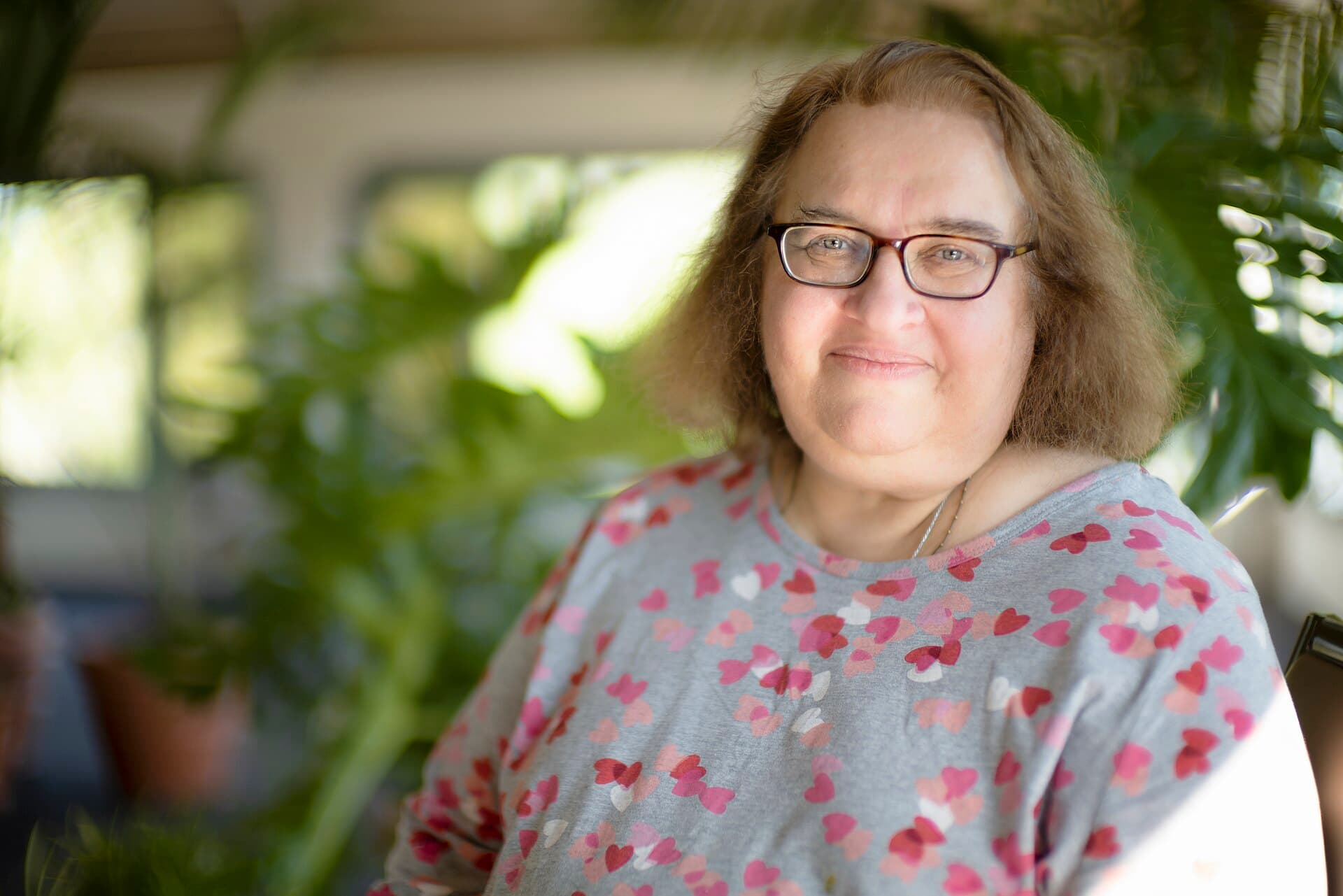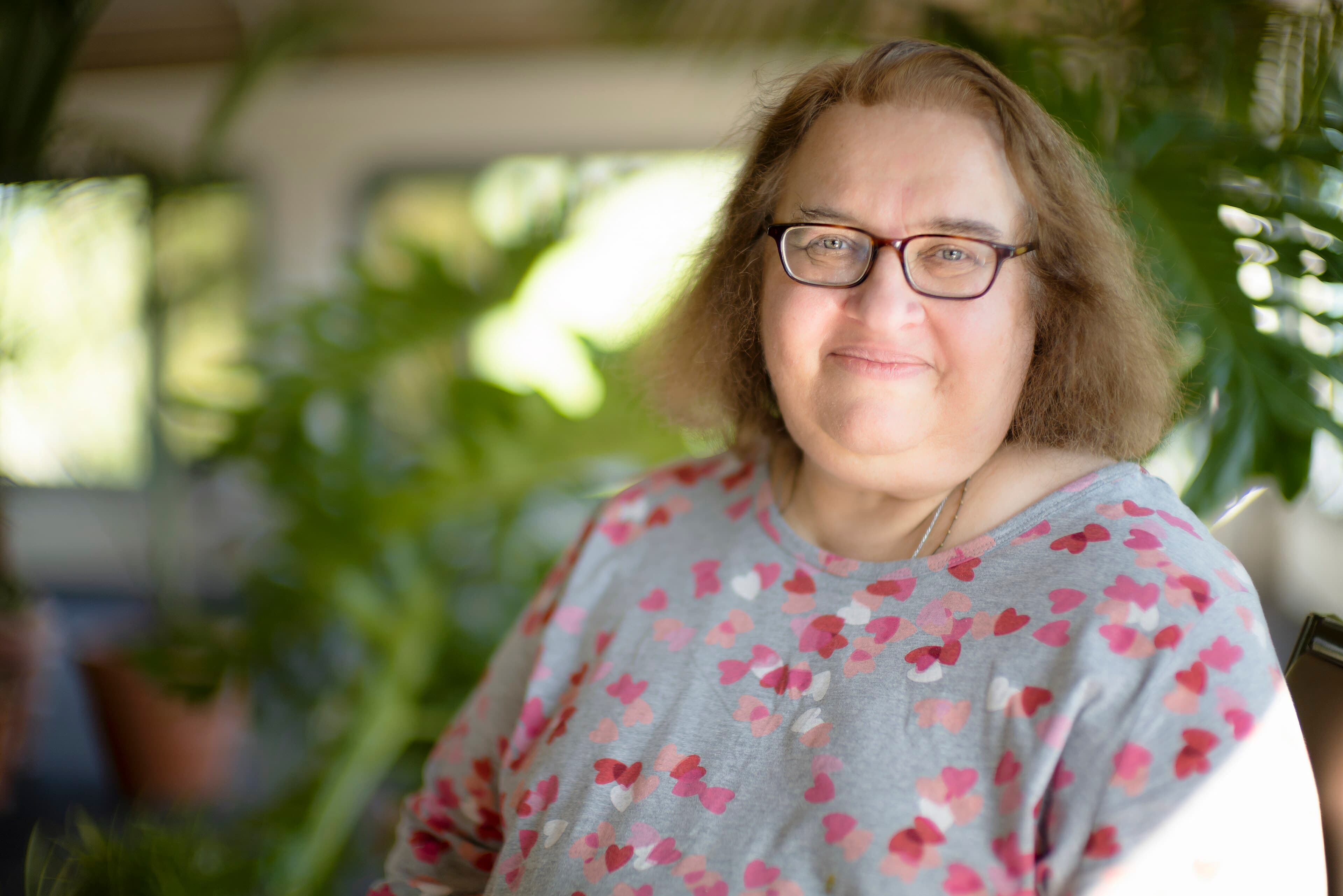
She was born in 1952 in New York City. Her childhood was extreme: her father left the family when she was four; her mother died when she was nine; she went to live with grandparents, one of whom died when she was eleven; she was sent to live with her father, who was hospitalized for mental illness when she was sixteen. By her own description in Faith (2002), she arrived at her university psychology degree carrying an interior weight that no one around her had any equipment for. In a freshman Asian philosophy course at the University at Buffalo she read about Buddhism for the first time and recognized something. In 1971 she travelled to India.
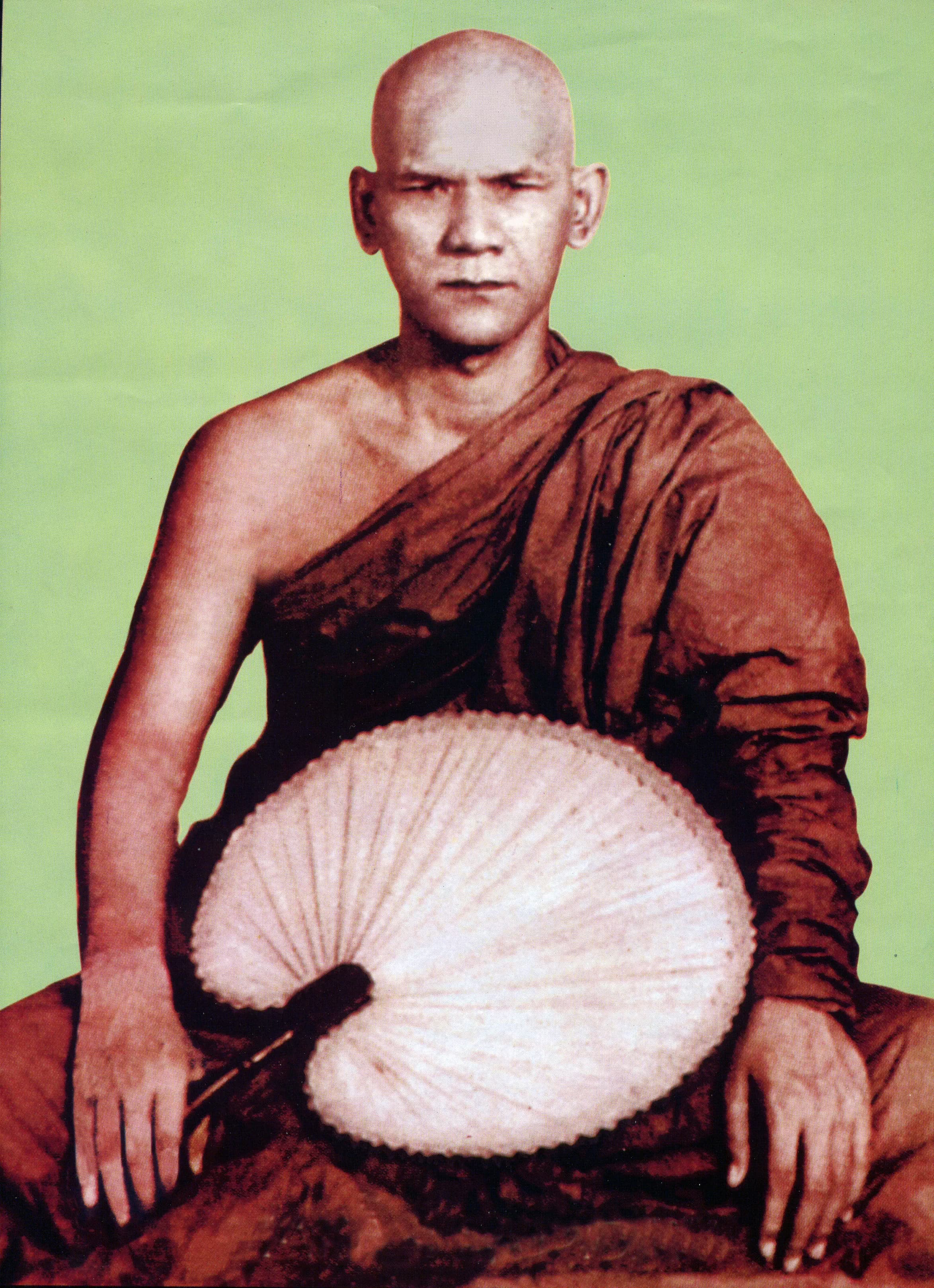
She spent four years in India training in Bodhgaya, Calcutta, and Sarnath. Her two principal teachers were Anagarika Munindra and the elderly Bengali lay teacher Dipa Ma Barua — a widow in her sixties who had become one of the most accomplished practitioners of the Mahasi tradition in India. Dipa Ma, who had lost her husband and two of three children before she came to practice, taught Salzberg metta in particular. The teaching had a personal weight; Salzberg has often said it was the practice of metta — directing loving-kindness systematically toward herself, then toward neutral persons, then toward enemies — that allowed her to live with the losses of her childhood.
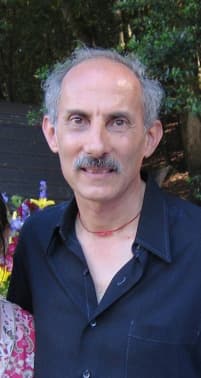
She co-founded the Insight Meditation Society in 1976 with Joseph Goldstein, Jack Kornfield, and Jacqueline Schwartz. She has been a resident teacher there for fifty years. Her particular institutional contribution has been to keep the metta practice — the Buddha's explicit teaching in the Karaniyametta Sutta and the Visuddhimagga's twenty-page treatment of it — central to the American insight tradition, which might otherwise have remained, given its Mahasi roots, more weighted toward the analytic noting practice.
Lovingkindness (1995) is the standard contemporary English-language manual on metta practice. Real Happiness (2010) is one of the best-selling introductory meditation books of the past two decades. Faith (2002) is a more autobiographical book and the closest she has come to writing about her own losses.
She teaches with a directness and lack of self-importance that has been one of the durable qualities of her presence on retreat. The standard metta phrases she has helped formulate in English — "May you be safe. May you be happy. May you be healthy. May you live with ease." — are now used in metta practice in nearly every American sangha.