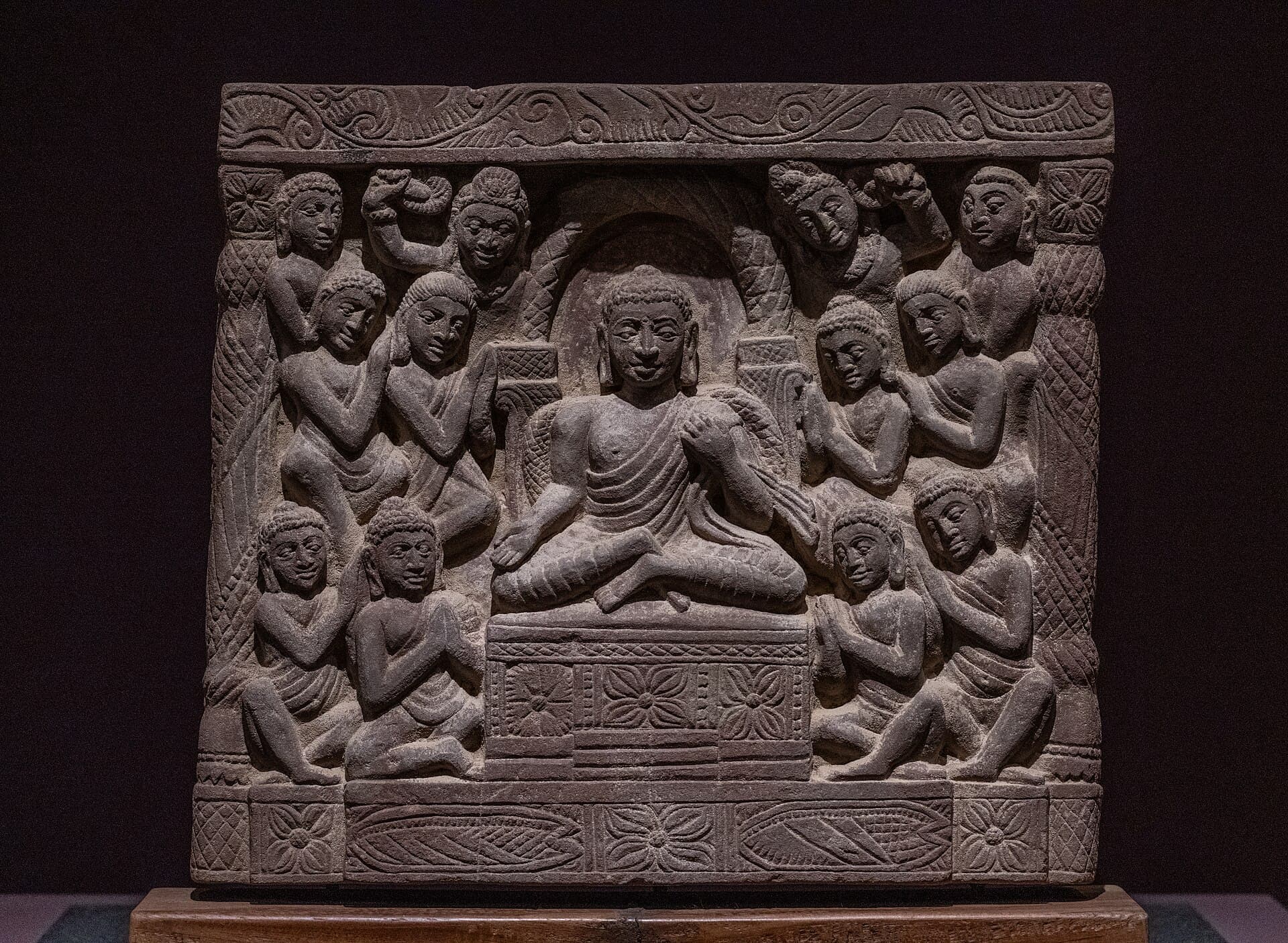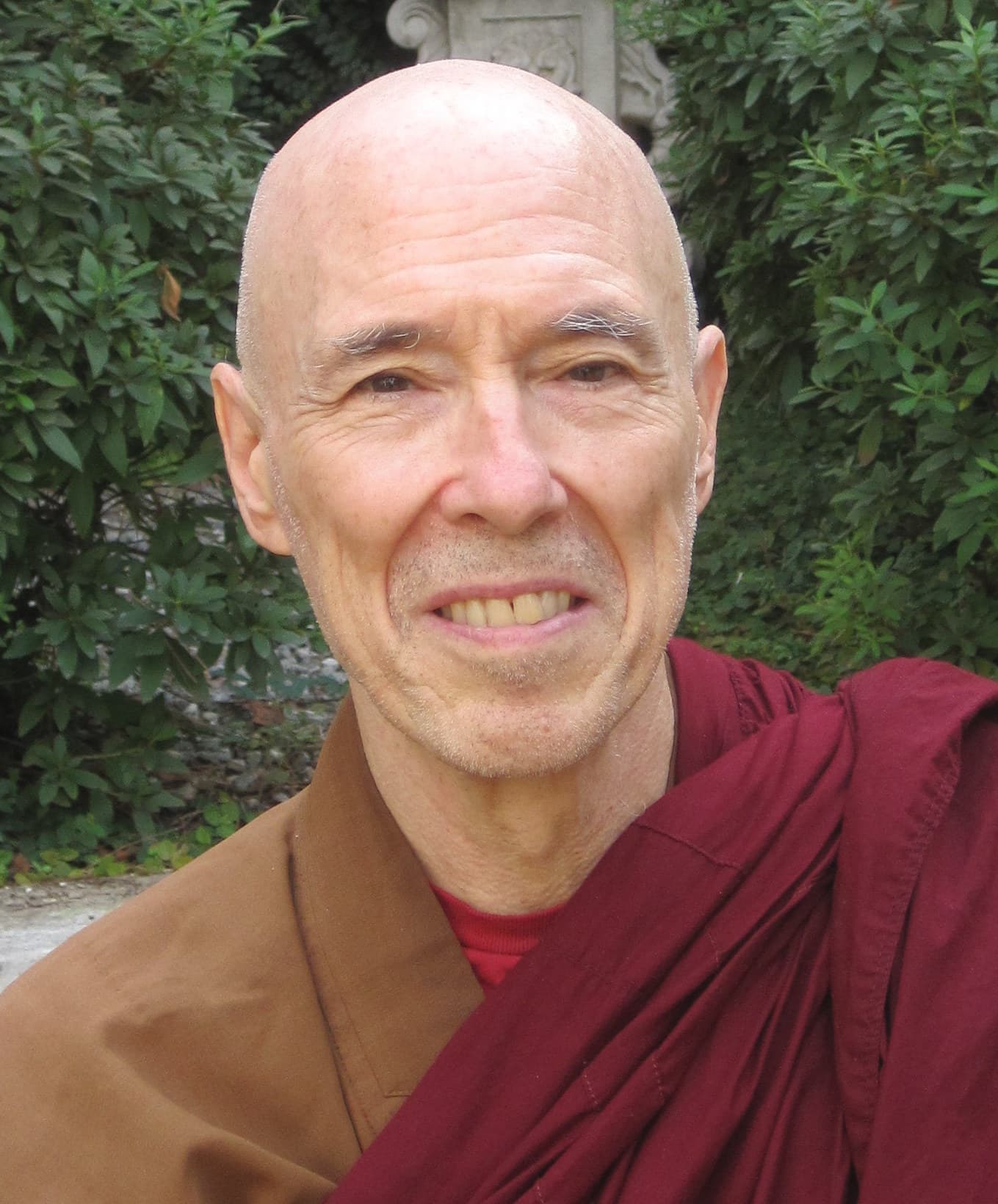
He was born Jeffrey Block in Brooklyn, New York, in 1944, the son of Jewish parents, raised in Brooklyn, and educated at Brooklyn College and Claremont Graduate School in California, where he completed a PhD in philosophy on Spinoza in 1972. He had become interested in Buddhism as an undergraduate after reading the Buddha's suttas in translation. In Claremont, while writing on Spinoza, he sought out a Vietnamese Buddhist monk teaching nearby — Venerable Thich Giac Duc — and took his first refuge with him.
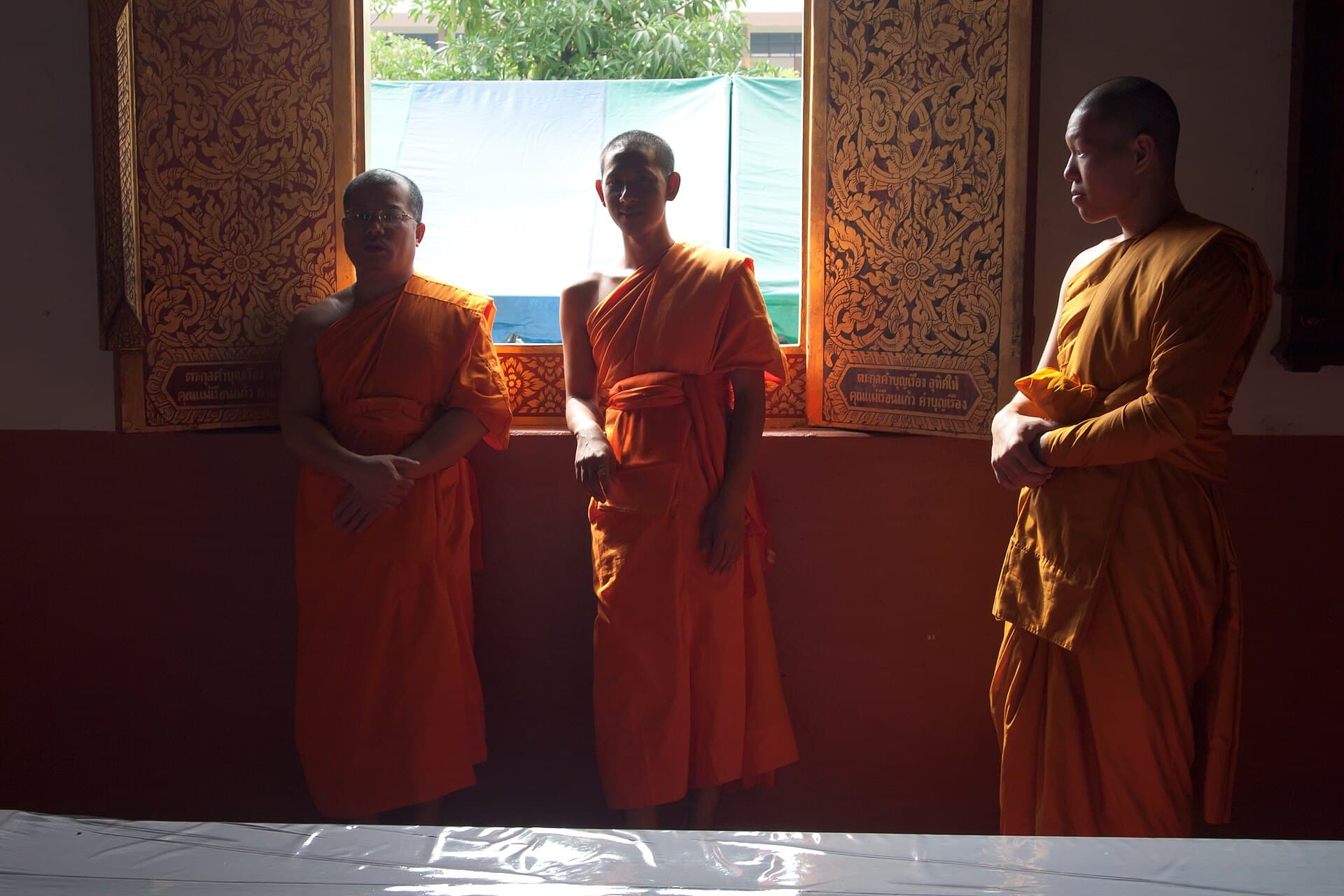
In 1972 he travelled to Sri Lanka and was ordained as a samanera at the Island Hermitage at Dodanduwa under Venerable Ananda Maitreya Mahanayaka Thera, then one of the most learned monks of the Theravada world. He received full bhikkhu ordination in 1973 under Balangoda Ananda Maitreya. He spent the next twenty-three years in Sri Lanka, mostly at the Forest Hermitage near Kandy under the guidance of Nyanaponika Thera, the German-born monk who was the senior figure of Western Buddhist scholarship and Bhikkhu Bodhi's teacher in Pali, Abhidhamma, and editorial method.
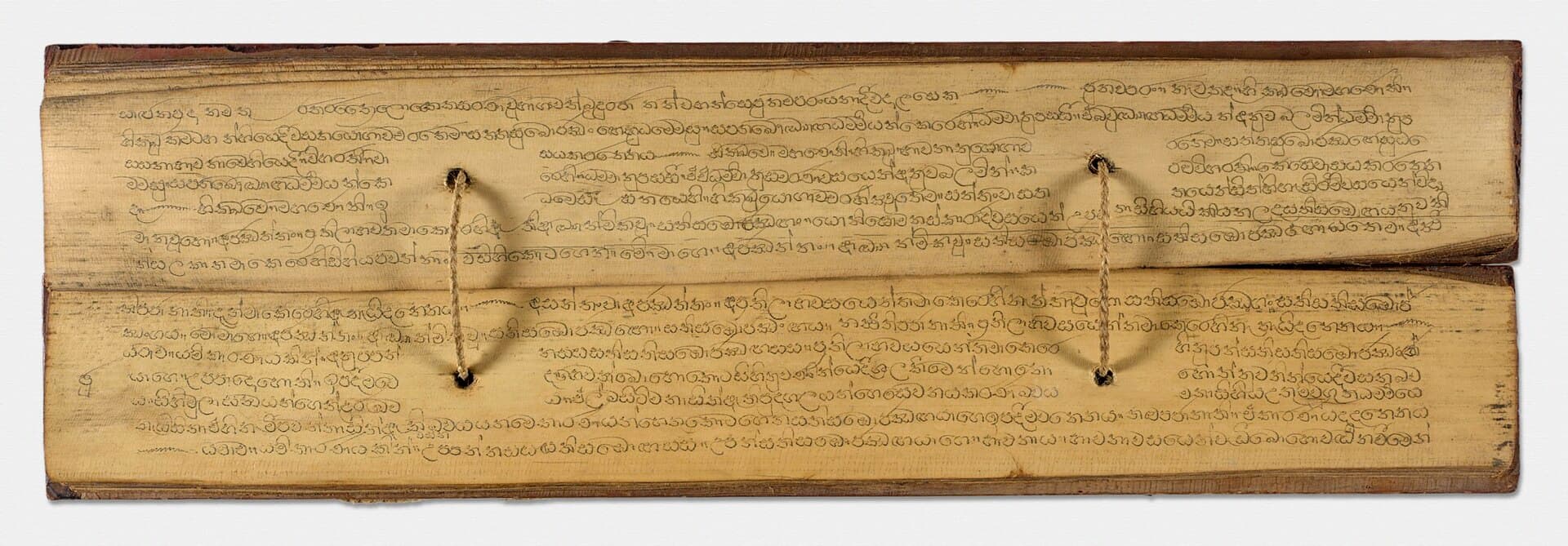
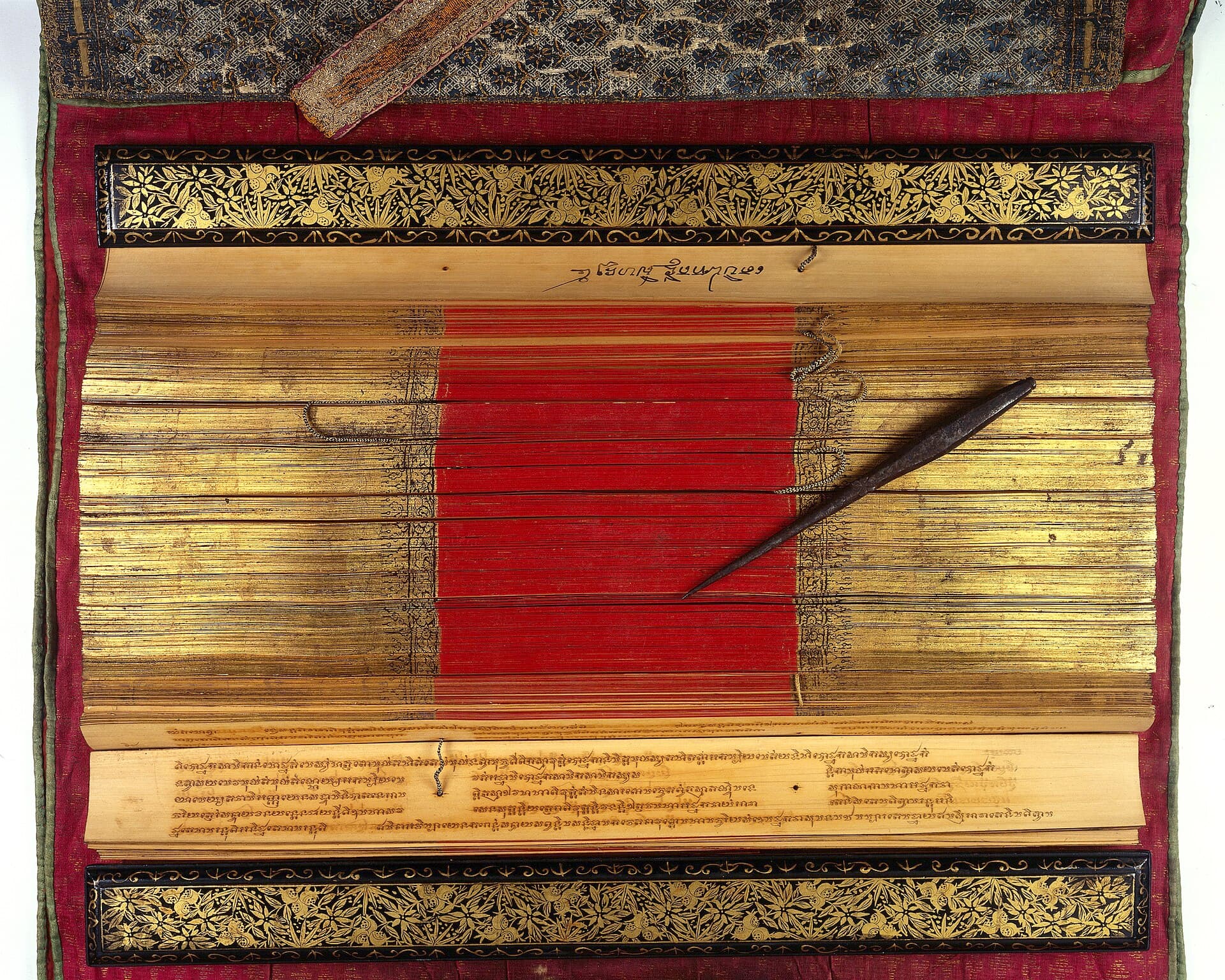
In 1984 he became editor of the Buddhist Publication Society, founded by Nyanaponika in 1958. He held the role until 2002, during which he edited the major scholarly editions of the suttas and authored or co-authored a body of translation work that became the standard English source for the Pali Canon: the Majjhima Nikaya with Bhikkhu Ñāṇamoli (1995, Wisdom Publications), the Samyutta Nikaya (2000), the Anguttara Nikaya (2012), and the In the Buddha's Words anthology (2005). His translations are noted for combining careful technical accuracy with English prose that can be read straight through.
In 2002 he returned to the United States and now resides at Chuang Yen Monastery in Carmel, New York. In 2007 he co-founded Buddhist Global Relief, a humanitarian organization addressing global hunger and poverty — the engaged-Buddhist correlate to the contemplative life of the cell. The organization now supports food security and education projects in over twenty countries.
His editorial position, repeatedly stated, is that the Pali Canon is not the property of any monastic establishment but the common inheritance of anyone willing to read it carefully. He has done more than anyone else in his generation to make the texts available, in editions that include detailed introductions, footnotes on the Pali commentaries, and the parallel readings in the Sanskrit and Chinese Agamas. The translated suttas now in print — running to several thousand pages — are the most precise window into what the Buddha is recorded as having said that has ever existed in any Western language.