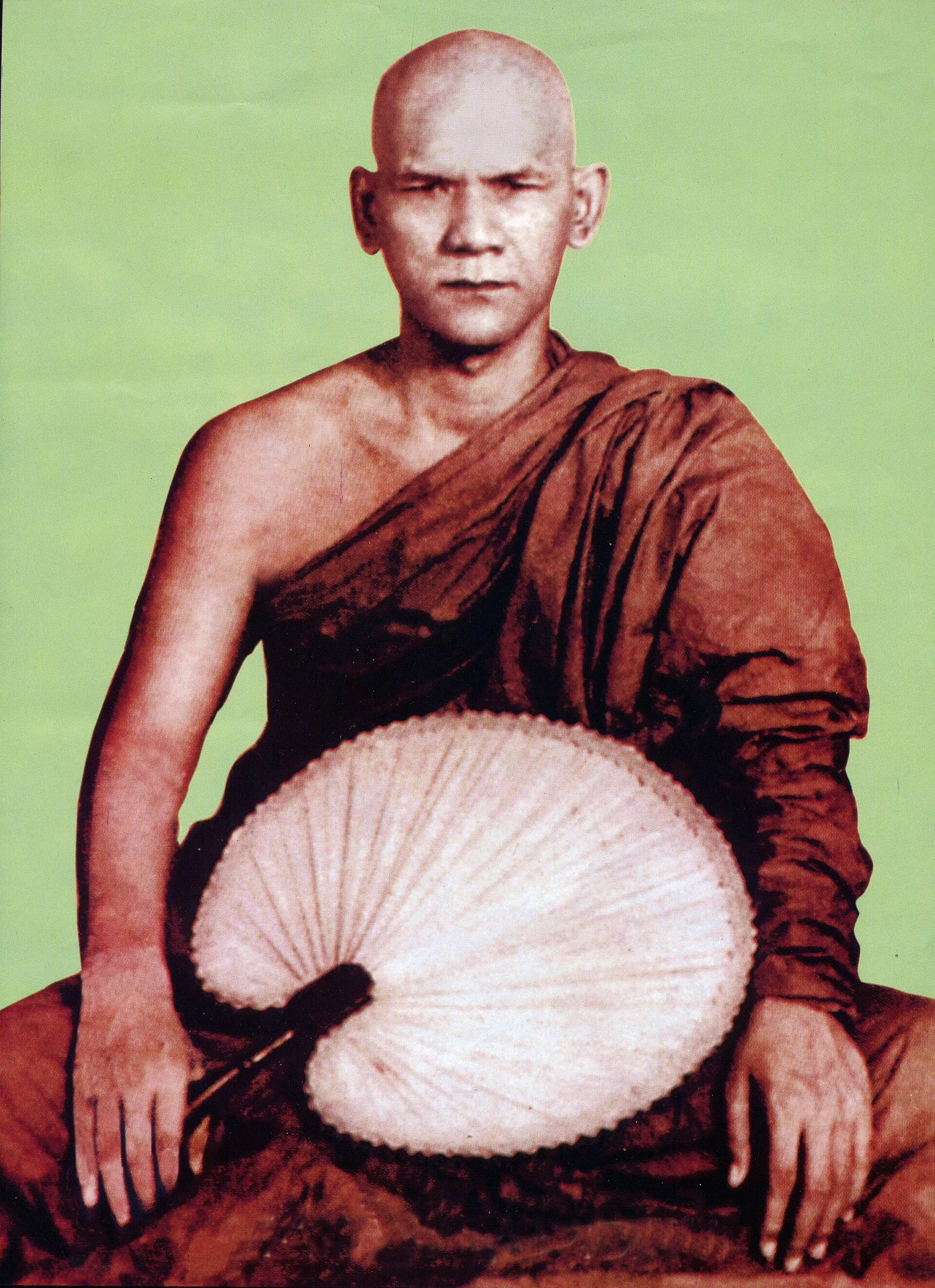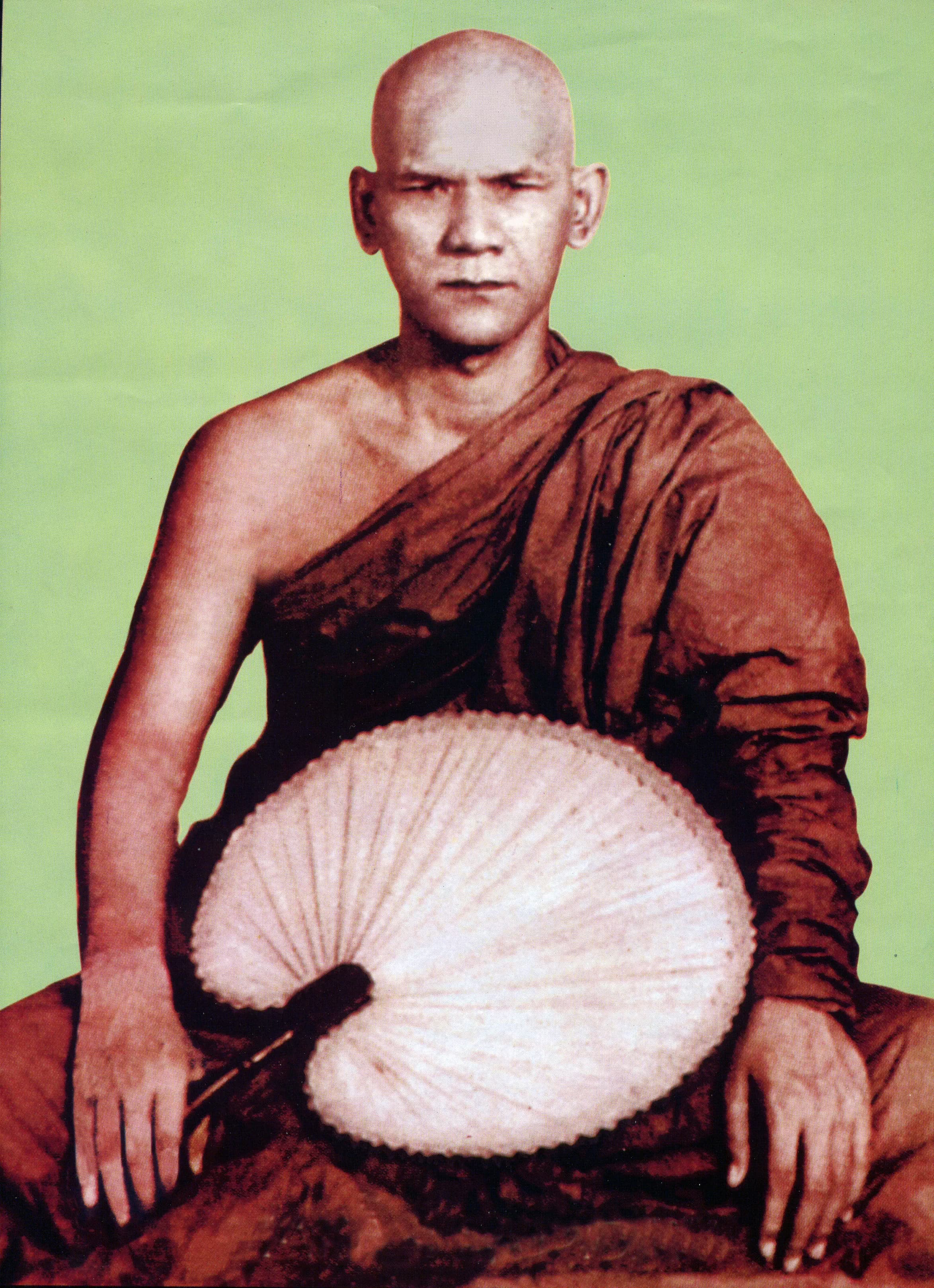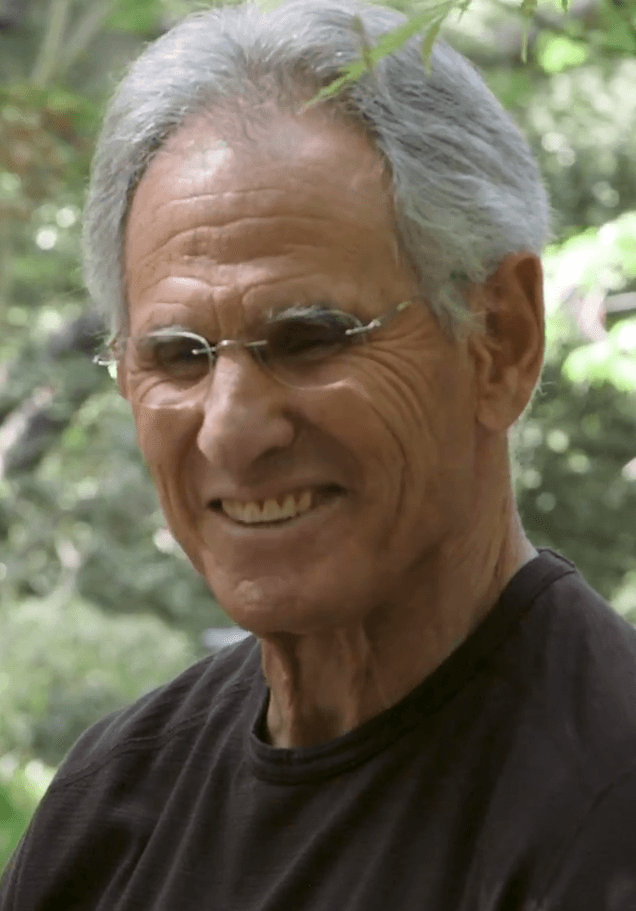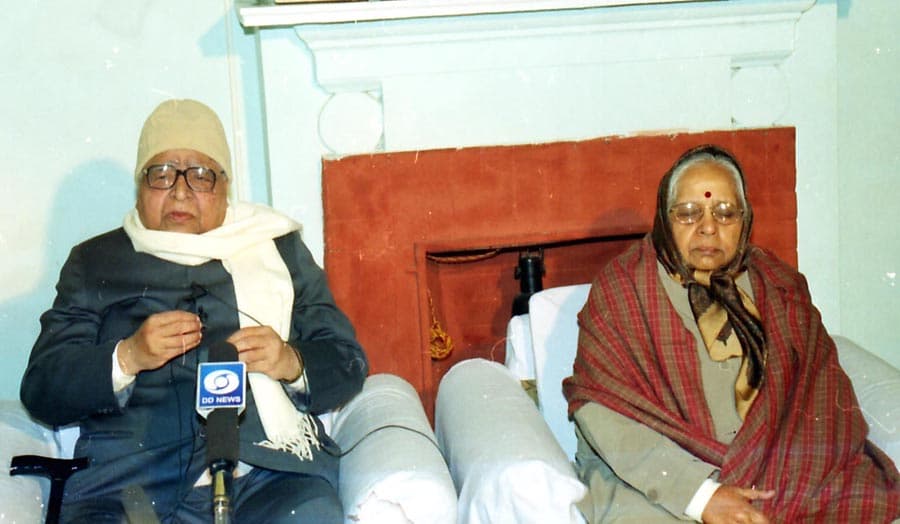
Satya Narayan Goenka was born in 1924 in Mandalay, Burma, into a wealthy Marwari Hindu family that had migrated from Rajasthan a generation earlier. He inherited and ran the family business empire — sugar mills, textiles, finance — and was by his thirties one of the most prominent industrialists of the Burmese Indian community. He was also debilitatingly migrainous. From his late twenties through his early thirties he suffered increasingly severe migraine attacks that no Western or Ayurvedic medicine could touch. He travelled the world for treatment and was offered, in Europe, opiate-based pain management that he refused.
In 1955, on the recommendation of a friend, he reluctantly attended a ten-day vipassana course given by Sayagyi U Ba Khin in Rangoon. U Ba Khin was the Accountant General of Burma and the senior lay teacher of the Theravada vipassana tradition derived from Ledi Sayadaw and Saya Thetgyi. The course used the specific technique of body-sweep — the systematic moving of attention through the body in fixed patterns, observing the sensations without reaction — combined with strict samatha-based concentration on the breath in the early days.
The migraines did not stop immediately. But Goenka kept going to U Ba Khin's centre, then to the meditation hall every week, and continued sitting under U Ba Khin for fourteen years. He has said many times that the technique transformed not the migraines but his relationship to them, and that the larger change was his relationship to anger, to ambition, to the running of his businesses. In 1969 the Burmese government's expulsion of Indians of foreign nationality forced him to leave Burma. U Ba Khin authorized him as a teacher — the first non-Burmese authorized in the lineage — and instructed him to take vipassana back to India.
Goenka taught his first ten-day course in Mumbai in July 1969 to fourteen students. The technique was unchanged from U Ba Khin's: ten days of silence, no reading, no writing, ten hours of meditation a day, vegetarian food, no payment beyond a freely-offered donation at the end. By his death in 2013 he had personally taught over three hundred thousand students. The teacher-training system he developed produced enough assistant teachers that the network now runs over two hundred and thirty centres in nearly one hundred countries, has trained tens of millions of students, and conducts ten-day courses continuously, all using video and audio recordings of Goenka himself giving the daily evening discourses.
The central insistence of the tradition is non-sectarian. Goenka never used the word "Buddhism" of his teaching. He insisted vipassana was a technique, that the technique was universal, that it had nothing to do with belief, and that students who wished to remain Hindu, Christian, Muslim, Jewish, or atheist could and should. The courses include no Buddhist iconography. The chanting is in Pali but is described as ancient, not religious. The combination of strictness in form with non-sectarianism in framing has been the foundation of the tradition's extraordinary reach.
He addressed the United Nations in 2000 at the Millennium World Peace Summit. He died in Mumbai in 2013 at the age of ninety. The network continues without him under the teacher-trainees he authorized in his lifetime.