Right livelihood (samma-ajiva, samyak-ajiva) is the fifth factor of the Noble Eightfold Path, grouped under the ethical training (sila-sikkha) along with right speech and right action. In the Magga-vibhanga Sutta (SN 45.8) the Buddha gives the canonical short definition: a noble disciple, having abandoned wrong livelihood, makes his living by right livelihood — and the contrast with wrong livelihood is the part of the teaching that has carried the most weight.
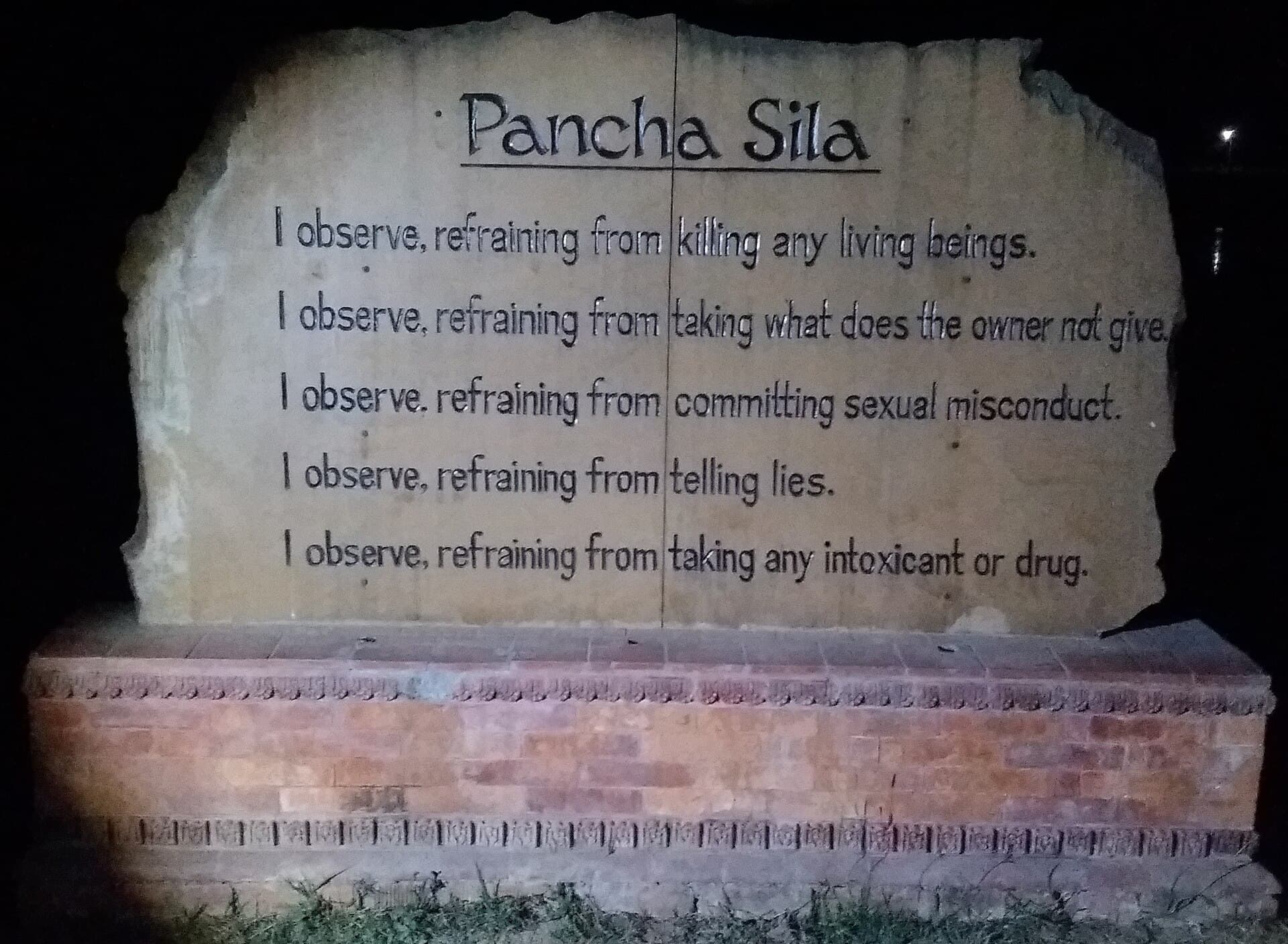
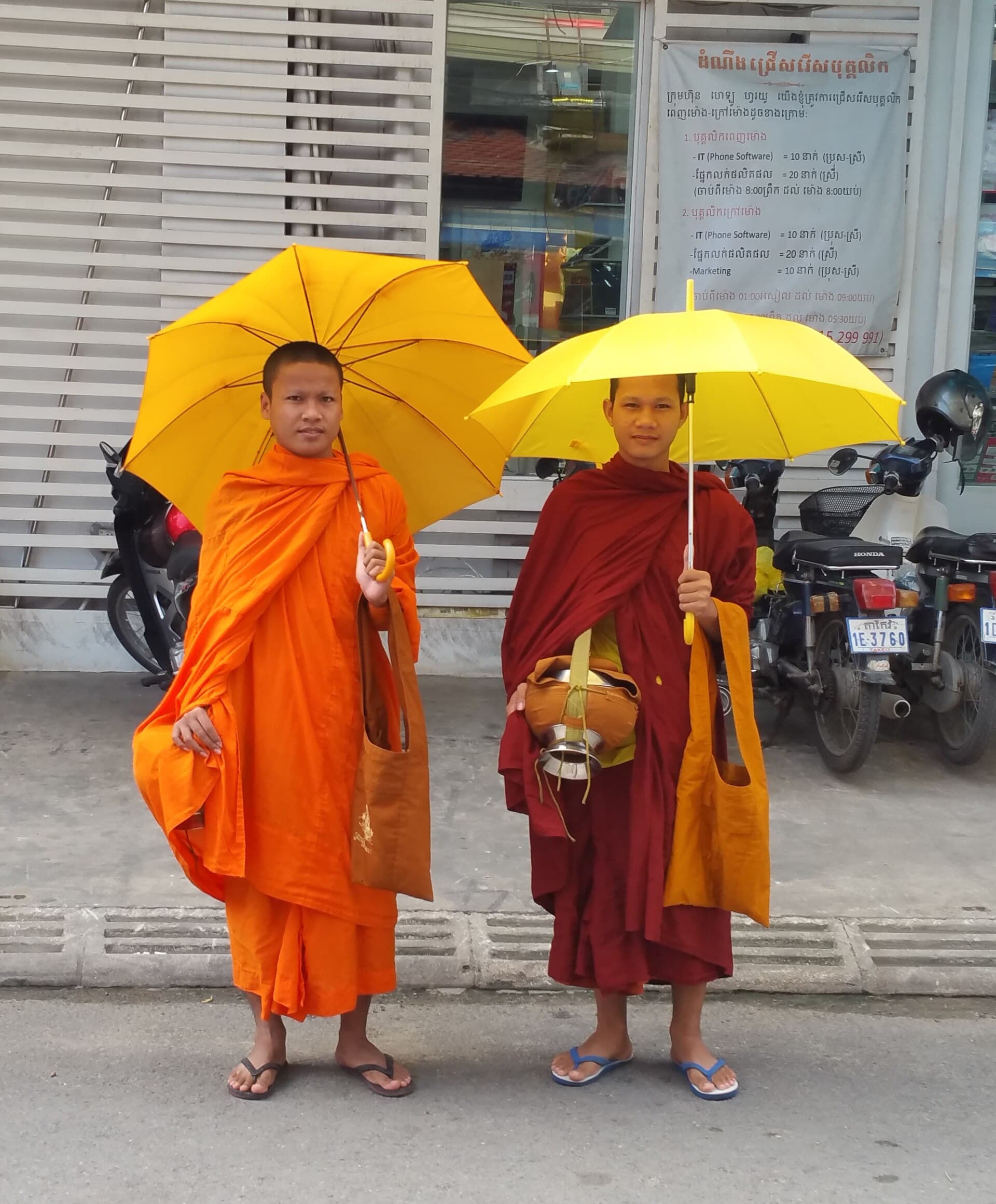
The Vanijja Sutta (AN 5.177) gives the most specific list of occupations a lay follower of the Buddha should not engage in: trading in weapons, trading in living beings (including human trafficking and slavery), trading in meat (which the commentaries explain as the breeding and butchering of animals for sale, not the consumption of meat itself), trading in intoxicants, and trading in poisons. These five categories are explicit. Other traditional commentaries extend the list to include occupations involving deception, those involving the killing of beings as a primary activity (hunter, fisherman, butcher), and those involving the propagation of intoxicants. The classical Vinaya rules for monks add many more — the monks are not to engage in commerce at all — but the Vanijja list is meant explicitly for the lay practitioner.
The positive content of right livelihood is less explicitly developed in the Pali Canon than the negative content but is implied throughout. The Sigalovada Sutta (DN 31) — the Buddha's long teaching to the young householder Sigala on the lay life — addresses livelihood as one of the four directions of duty: the householder should be diligent, careful with wealth, fair in dealings, balanced in expenditure (saving a fourth, investing two-fourths in the business, using a fourth for current expenses, by the standard later commentary). The Mangala Sutta (Sn 2.4) names a livelihood without blame as one of the great blessings.
The Mahayana tradition extended right livelihood to mean not just an absence of harm but a positive contribution. The bodhisattva's livelihood is one that actively benefits other beings. The Vimalakirti Sutra famously depicts Vimalakirti as a layman whose entire life — his business, his governance, his social engagements — is bodhisattva activity disguised as ordinary householder life. The Lotus Sutra's expedient-means doctrine permits the bodhisattva to take on any role in the world if the role serves the awakening of beings.
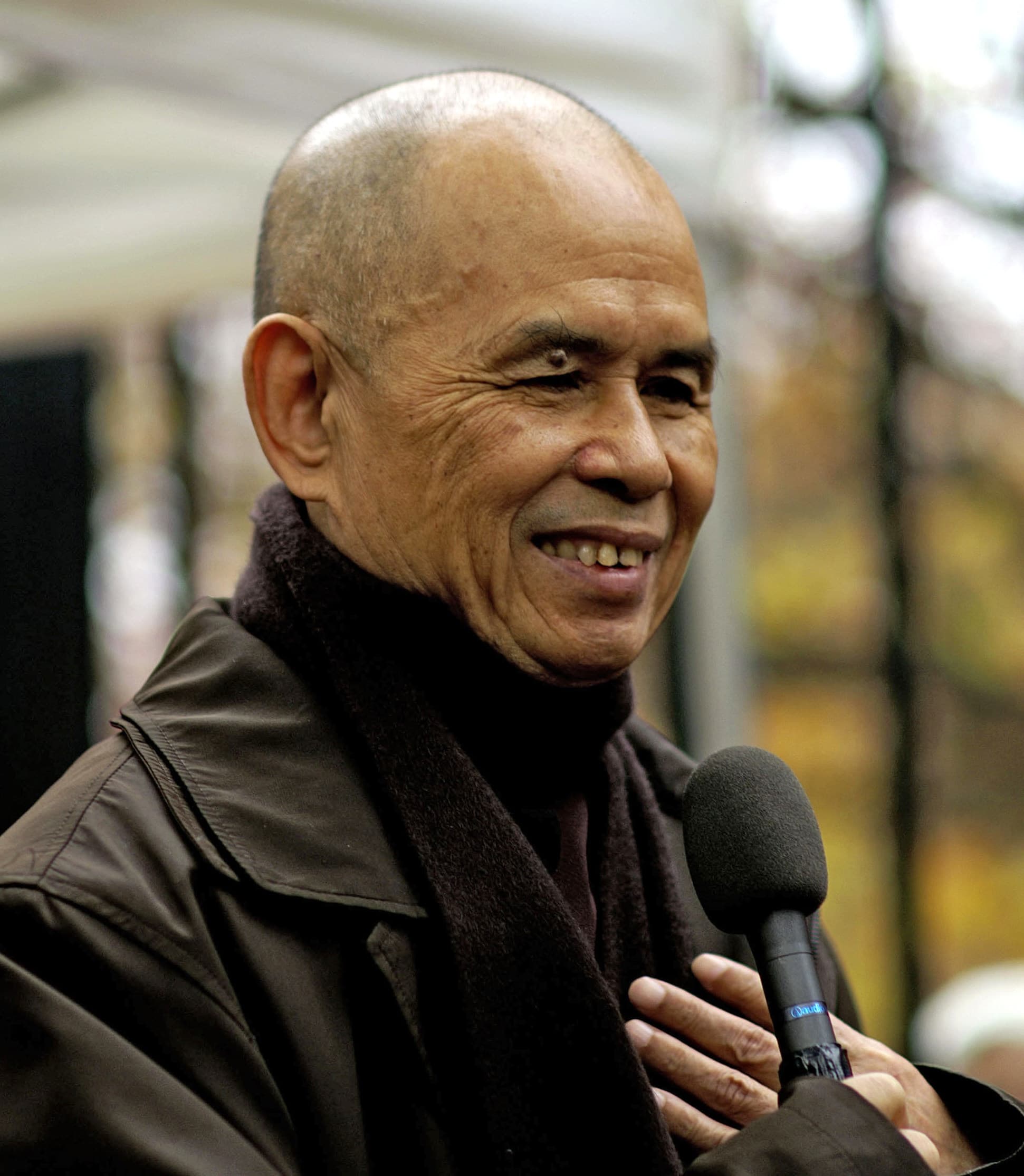
The twentieth century gave the teaching new urgency. E.F. Schumacher's Small Is Beautiful (1973) contains a famous chapter titled "Buddhist Economics" that takes right livelihood as the basis of an entire economic vision — work as something that develops the worker, that is undertaken in cooperation with others, that produces goods and services needed for a becoming existence. The Engaged Buddhism of Thich Nhat Hanh extends right livelihood to social and ecological dimensions: the Buddhist practitioner should not earn a living through work that harms beings, that damages the environment, or that perpetuates social oppression. Plum Village's Fourteen Mindfulness Trainings include explicit guidance on livelihood that excludes weapons, addictive products, ecologically destructive industries, and the financial industries that profit from inequality.
In contemporary Western lay practice, right livelihood has often become the single most difficult limb of the eightfold path. Most people cannot simply walk away from the work that supports their families. The teaching as the tradition has developed it has therefore become more practical: choose work that does not directly violate the five precepts; conduct whatever work you do with honesty and fairness; over time, where possible, move toward work that contributes to the welfare of others. As Joseph Goldstein has often said, right livelihood is not only what one does for income but how one does it.