The Pali Canon does not describe awakening as a single event but as a progressive deepening through four definite stages, each marked by the elimination of a specific subset of the ten fetters (samyojana). The four stages, in ascending order: sotapanna (stream-enterer), sakadagami (once-returner), anagami (non-returner), and arahant (worthy one, liberated one). The classification appears throughout the suttas — the Sotapatti Samyutta (SN 55) is devoted entirely to it — and is the structural backbone of the Theravada soteriology.
The ten fetters in order are: (1) self-view (sakkaya-ditthi); (2) skeptical doubt (vicikiccha); (3) attachment to rites and rituals as paths to liberation (silabbata-paramasa); (4) sensual desire (kama-raga); (5) ill-will (vyapada); (6) attachment to the realms of form (rupa-raga); (7) attachment to the formless realms (arupa-raga); (8) conceit (mana); (9) restlessness (uddhacca); and (10) ignorance (avijja).
The stream-enterer has eliminated the first three. The sutta description (e.g., SN 55.1) is precise: the sotapanna has seen the dharma with certainty, has acquired unshakable confidence in the Buddha, the Dharma, and the Sangha, and has acquired the moral conduct of the noble ones. The view that there is a permanent self is gone — not as intellectual opinion but as experiential certainty. Doubt about the path is gone. The clinging to external rites and rituals as the path is gone. The stream-enterer cannot be reborn into the lower three realms (animal, preta, hell) and will attain final liberation in at most seven more lifetimes.
The once-returner has further weakened — though not eliminated — the fourth and fifth fetters, sensual desire and ill-will. The Pali phrase is taṇu-rāga-dosa-moha-bhāva — "the state of having attenuated greed, hatred, and delusion." The once-returner has at most one more rebirth in the sensual realms before final liberation.
The non-returner has fully eliminated the fourth and fifth fetters. Sensual desire and ill-will are gone entirely. Such a one, if not awakened in this lifetime, is not reborn in the sensual realms at all but in the Pure Abodes (suddhavasa) — five specific deva realms in the realm of form — and attains final liberation there.
The arahant has eliminated all ten fetters. The conceit "I am," even in its subtlest form, is gone. Attachment to subtle states of absorption is gone. Ignorance is gone. The taints (asava) are extinguished. The arahant's classical declaration in the suttas is "vusitam brahmacariyam, katam karaniyam, naparam itthattaya" — the holy life has been lived, what was to be done has been done, there is no more becoming. At the death of the body, the arahant attains parinirvana.
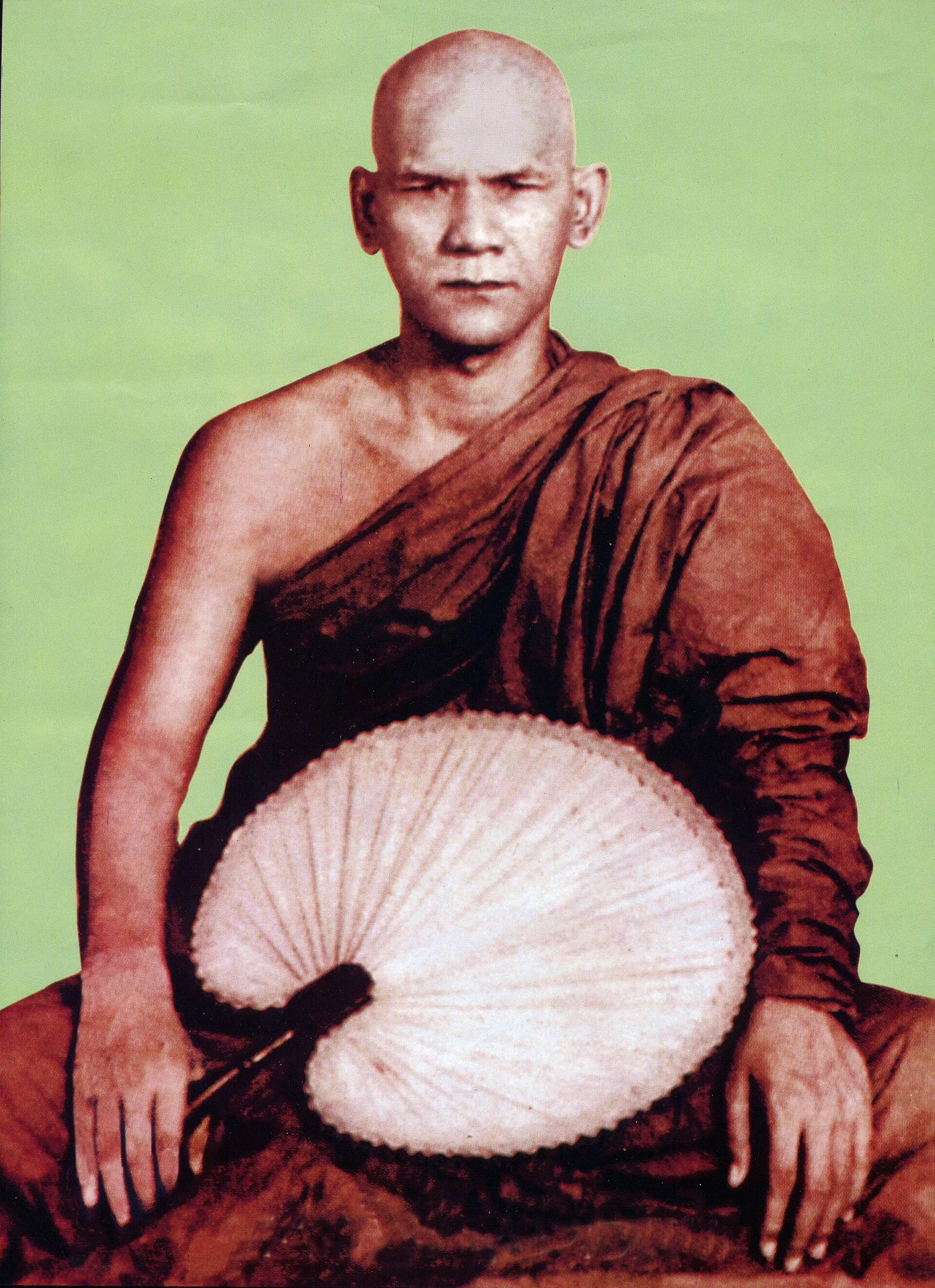
The map matters in two ways. First, it gives the practitioner a means of locating where they are. The stream-enterer experience in particular — the moment of the breaking of self-view — is described in the suttas with enough specificity (sudden recognition; the seeing that all that arises must cease; a particular kind of joy and unshakability) that contemporary teachers in the noting tradition, including Mahasi Sayadaw, Daniel Ingram, and Bhante Vimalaramsi, claim to be able to identify it in their students. Second, it punctures the romantic notion that awakening is a single mystical event after which everything is different forever. The Pali map says: there are four stages; the first is reachable; each subsequent stage requires further work; the arahant is the end of the road but not the only valid destination.
The Mahayana tradition criticized the four-stage map for being incomplete — it does not include the bodhisattva path, which extends past arahantship into the ten bhumis and full buddhahood — but did not deny the underlying analysis of fetters and their progressive elimination. Vajrayana texts have their own parallel maps: the four yogas of Mahamudra (one-pointedness, simplicity, one-taste, non-meditation) and the ten or thirteen bhumis of the bodhisattva path. None of these contradict the Pali stages; they extend them.