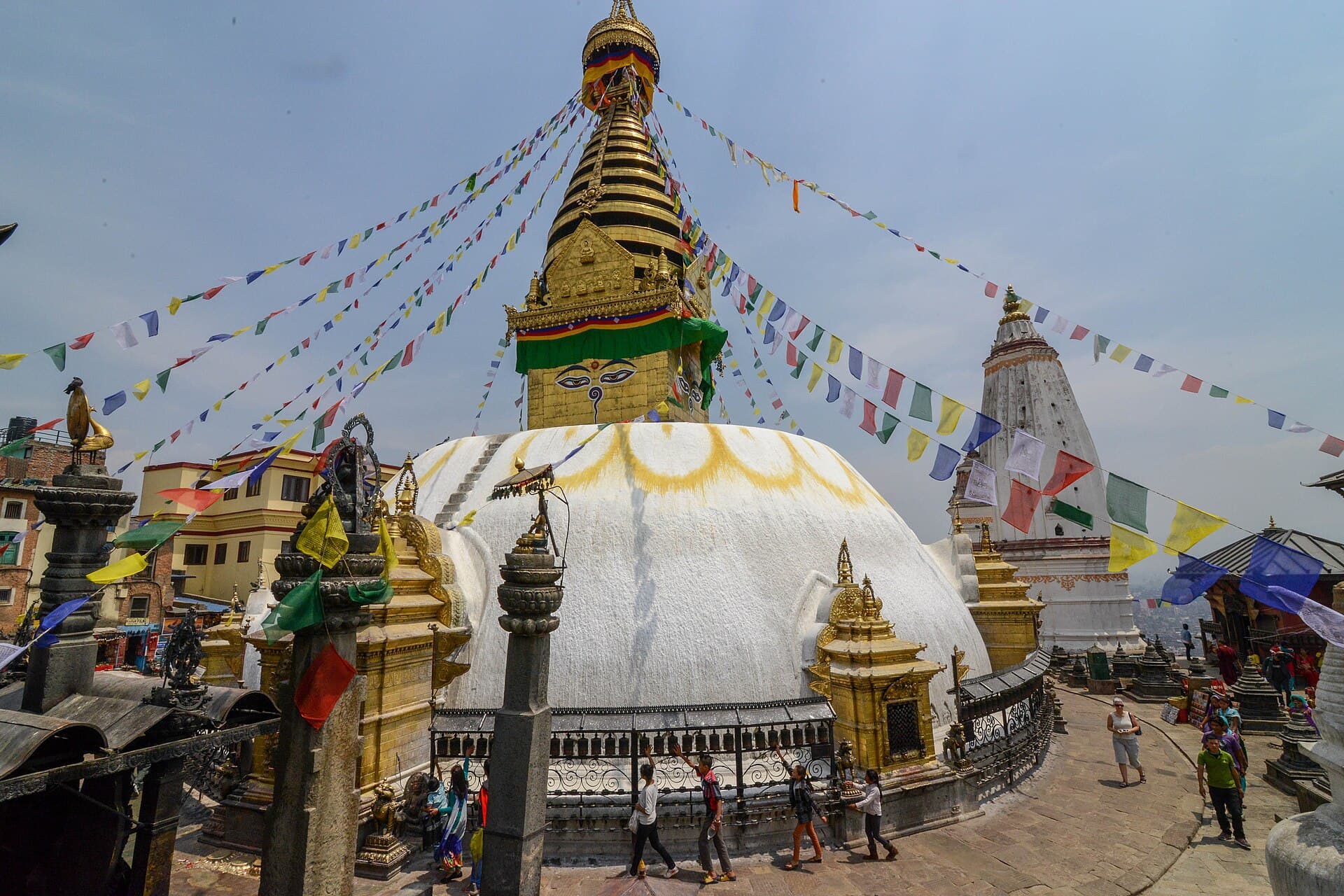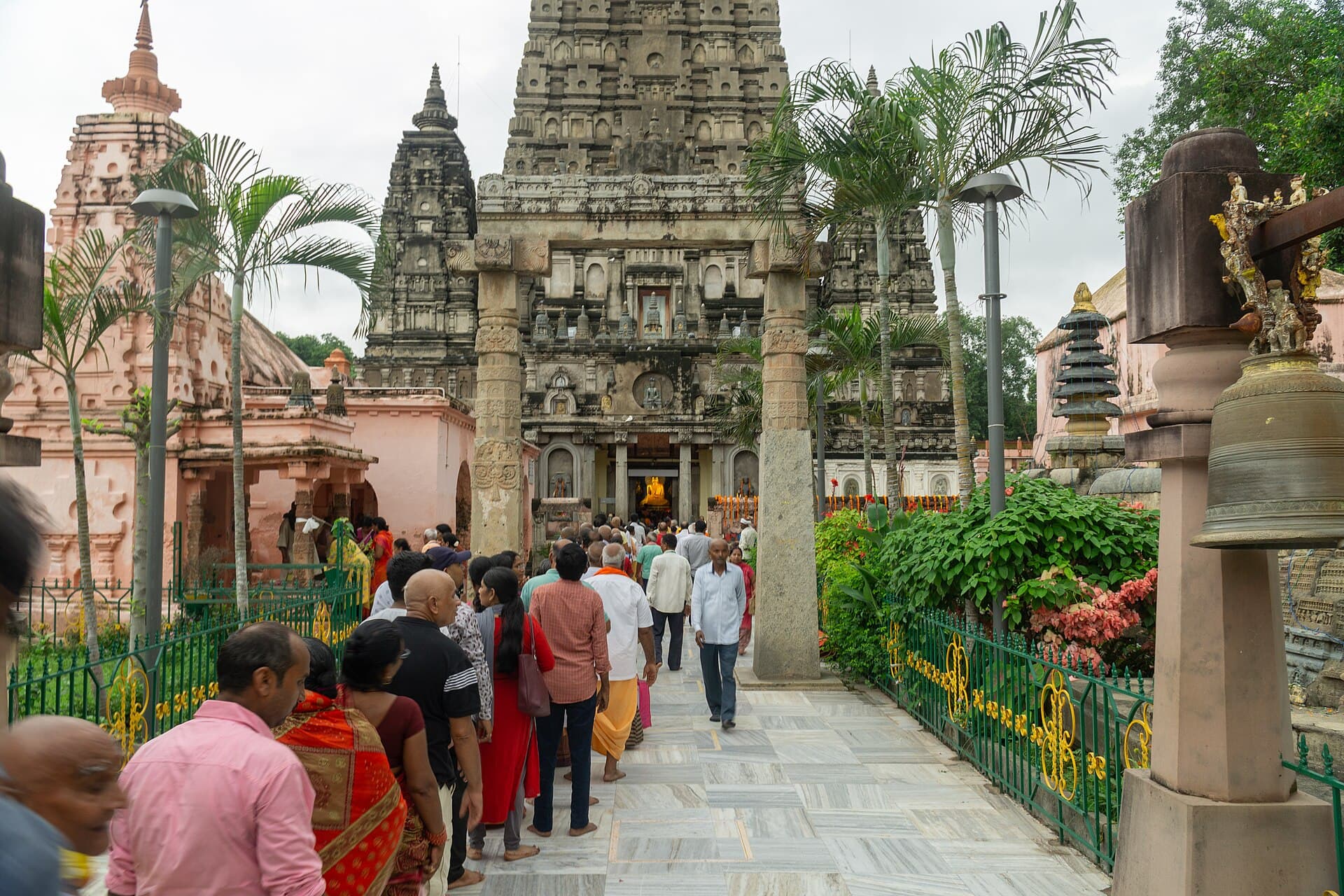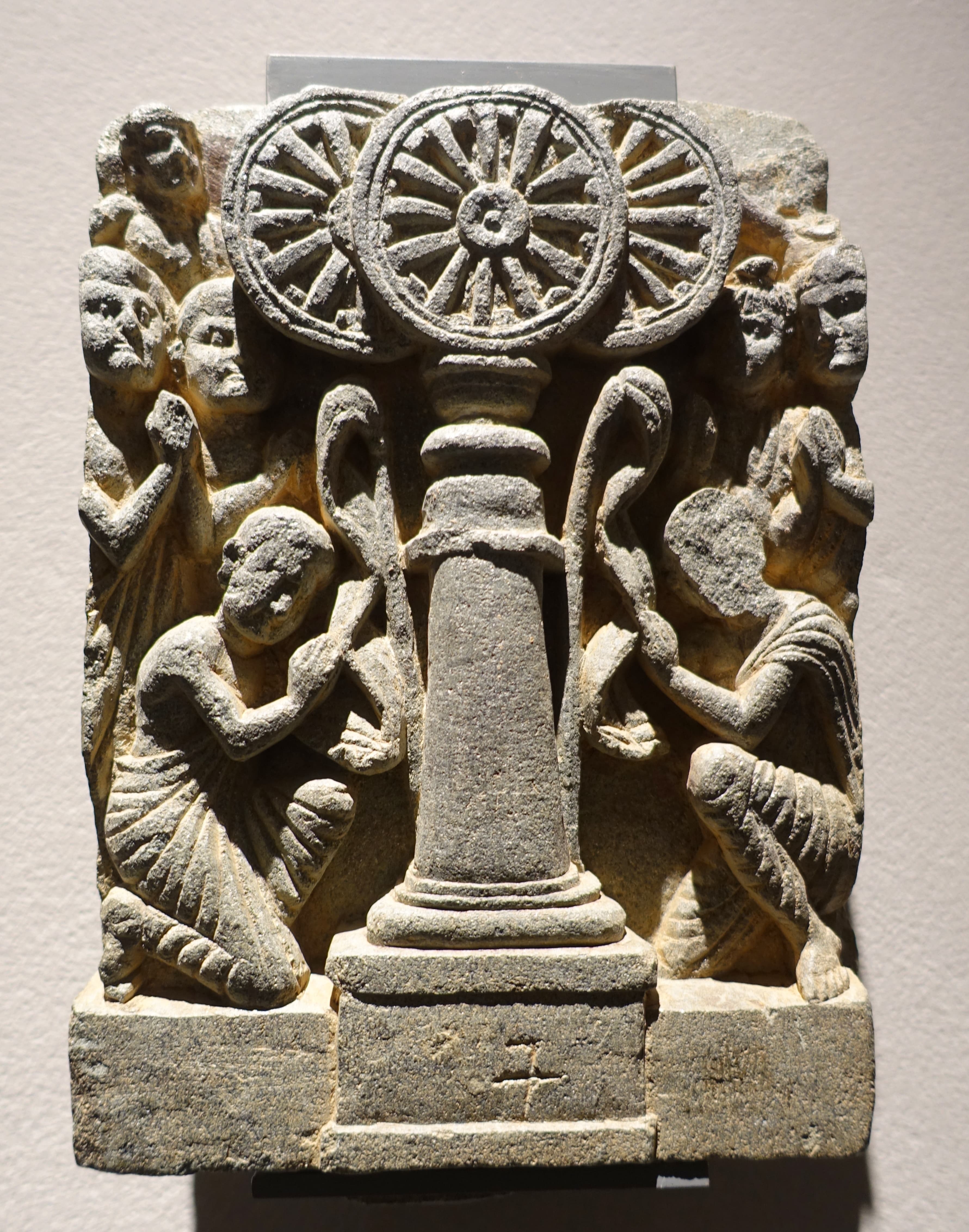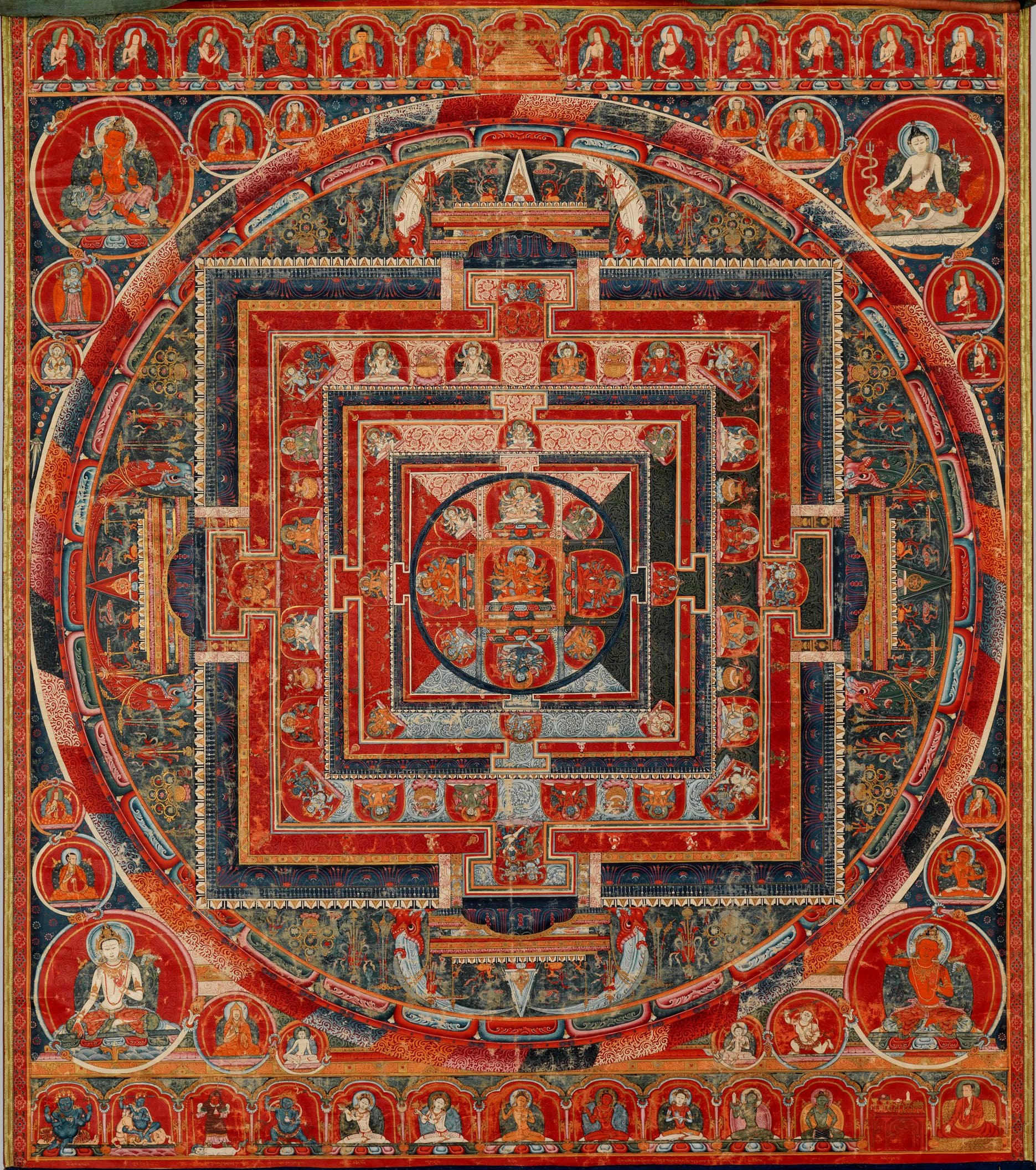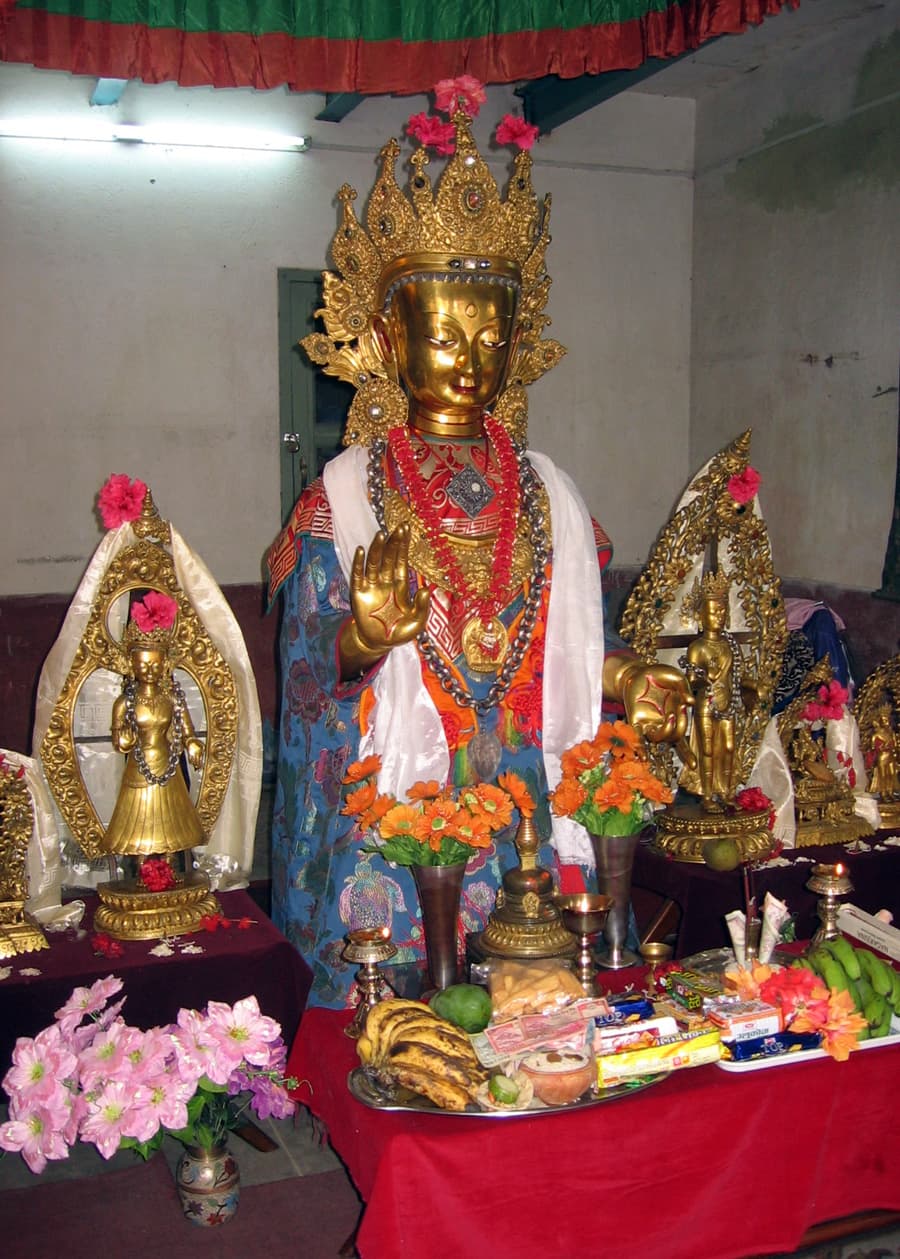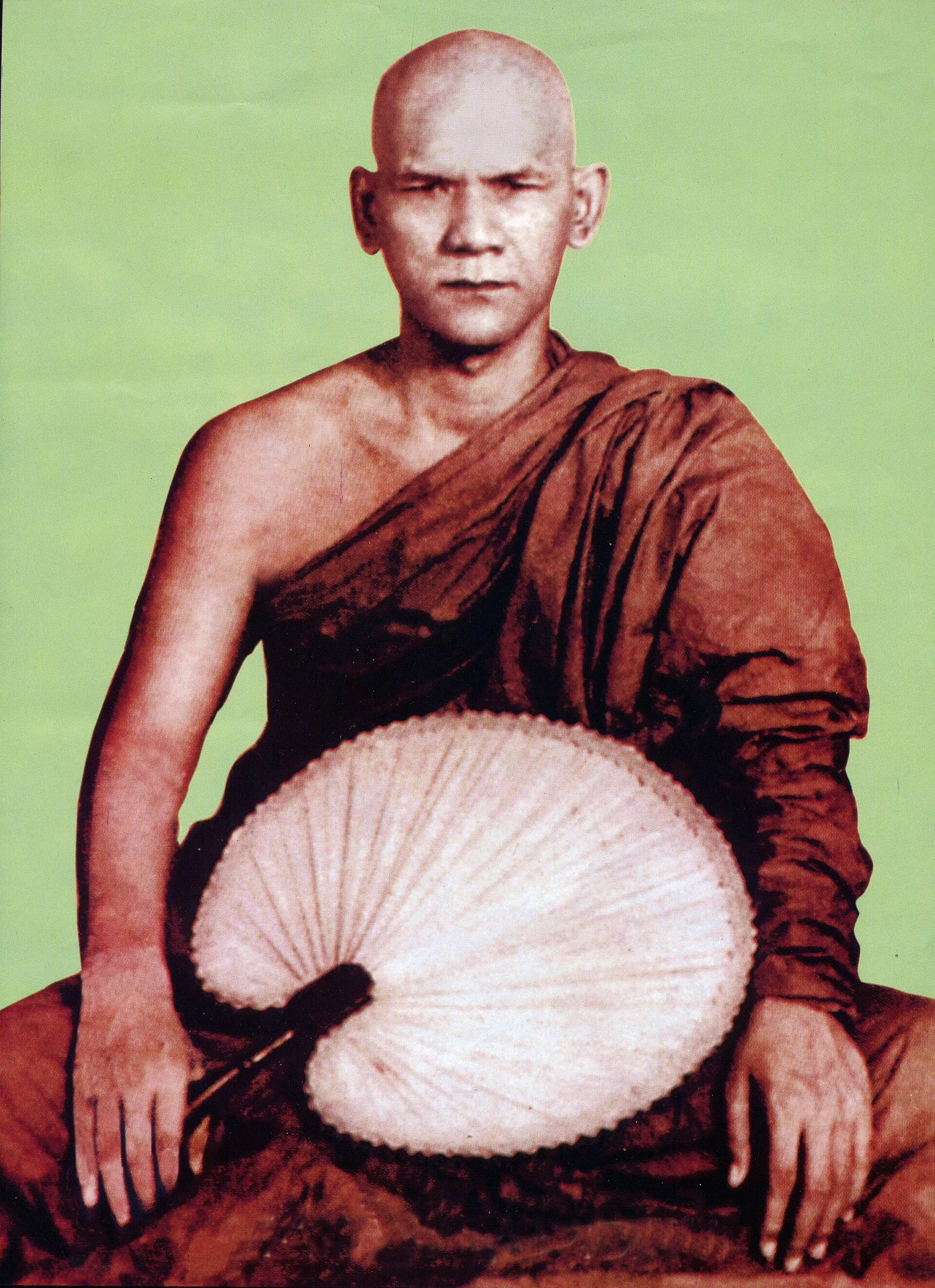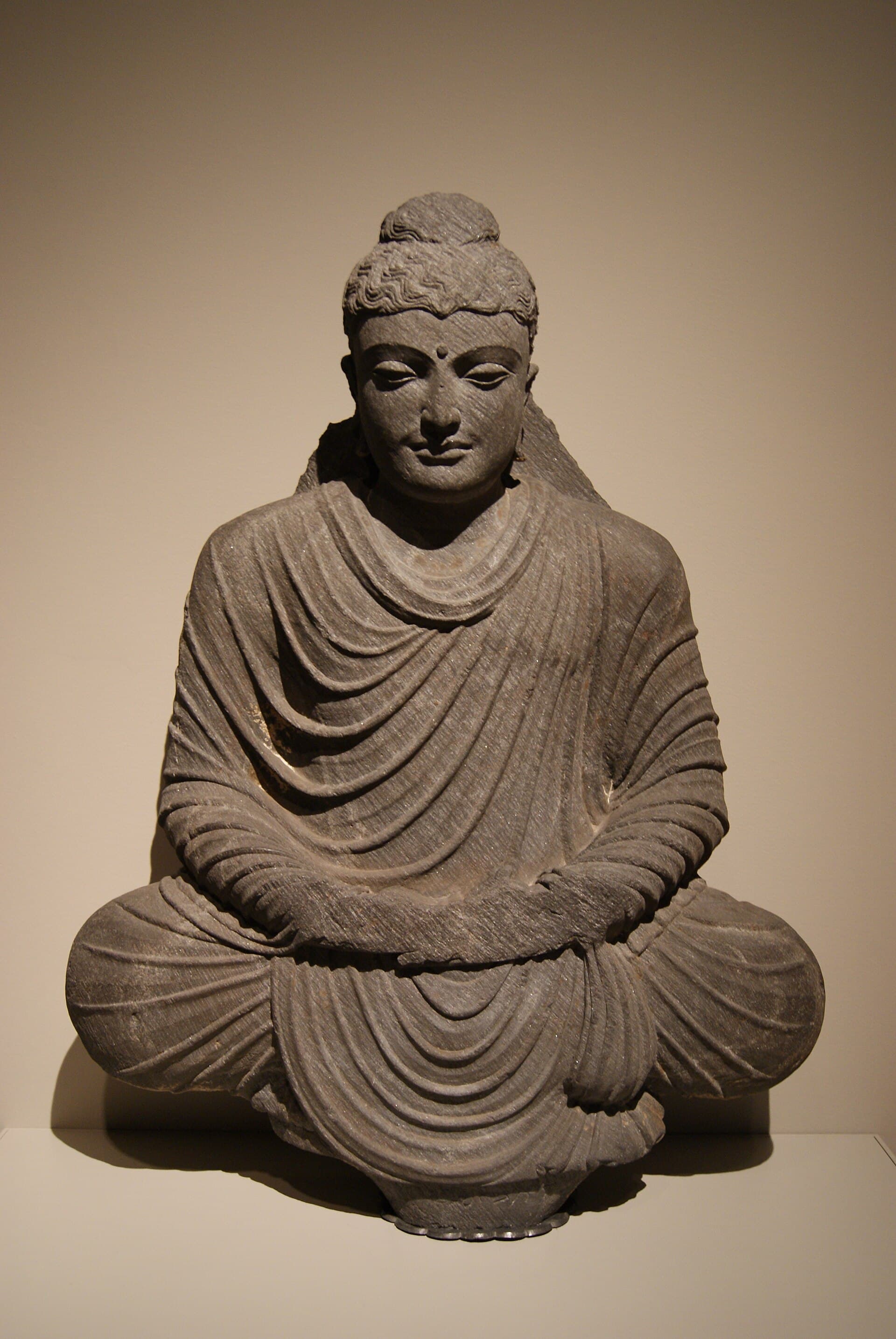
To prostrate is to acknowledge what is greater than the self by lowering the body before it. Across every Buddhist tradition, the prostration is a ritual gesture toward an image of the Buddha, a teacher, a stupa, a temple, a sacred mountain. The three points of contact (forehead, hands, knees) mark the offering of body, speech, and mind. In the formal Theravada prostration, the practitioner kneels, brings the hands together in añjali at the heart, then to the forehead, then bows forward until forehead, palms, and knees all touch the ground. Three prostrations, in honor of the Three Jewels.
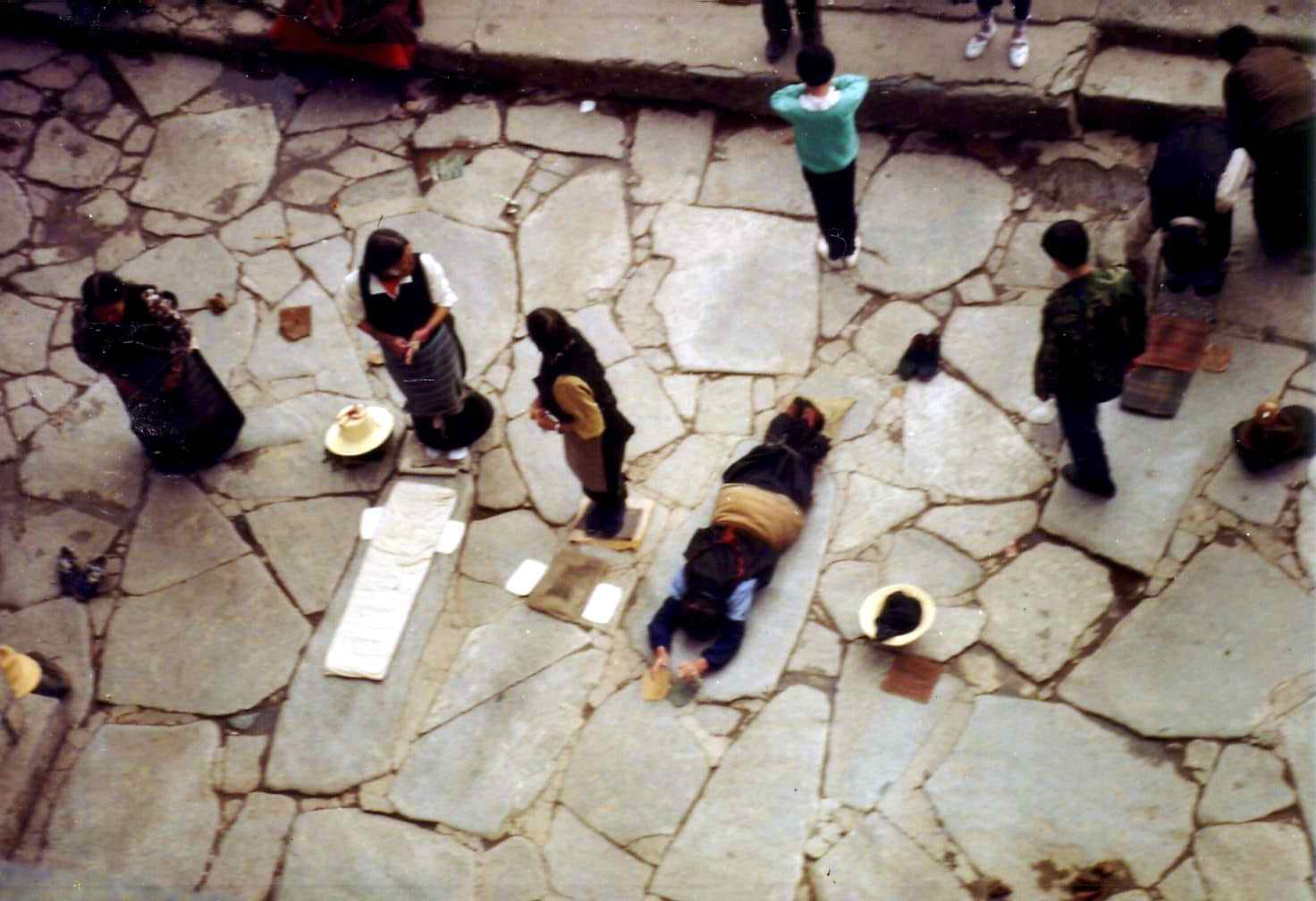
In the Tibetan tradition, the prostration takes its most extensive form. The full-length prostration — sasang chag in Tibetan — is performed with the entire body extending flat along the ground, arms stretched forward, then sliding the hands back to rise. In the ngondro — the foundational practice — the practitioner performs one hundred thousand of these full prostrations before being considered ready for the main practices of the deity yoga. The ngondro of the Karma Kagyu, the Nyingma, the Gelug, and the Sakya all include this practice. Most practitioners take a year or more to complete the hundred thousand. The body, by the end, is transformed — not only in physical conditioning (calluses on the knees and forehead, palms thickened), but in something deeper: the habitual grip of self-importance has been worn down by ten thousand acts of putting the head lower than the feet.
In pilgrimage, the full-prostration kora is the highest expression. A pilgrim measures the entire journey in body lengths: prostrate, stand, take three steps to where the head touched, prostrate again. A full-prostration kora around Mount Kailash takes three to four weeks. From a Tibetan monastery to Lhasa — a journey of hundreds of kilometers — can take a year or longer. Pilgrims have died on these journeys. The merit, the traditions say, is incalculable.
The practice is not self-abasement. It is the dismantling of the unconscious habit of placing the self at the center of the universe. To put the forehead — the seat of intellect and pride — to the ground before a teacher, an image, a stupa, is to make a kinetic statement that contradicts the ordinary attitude of the mind: the head is not the highest part of the human being. The teacher, the dharma, the path — these are higher. The body knows what the mind sometimes resists.