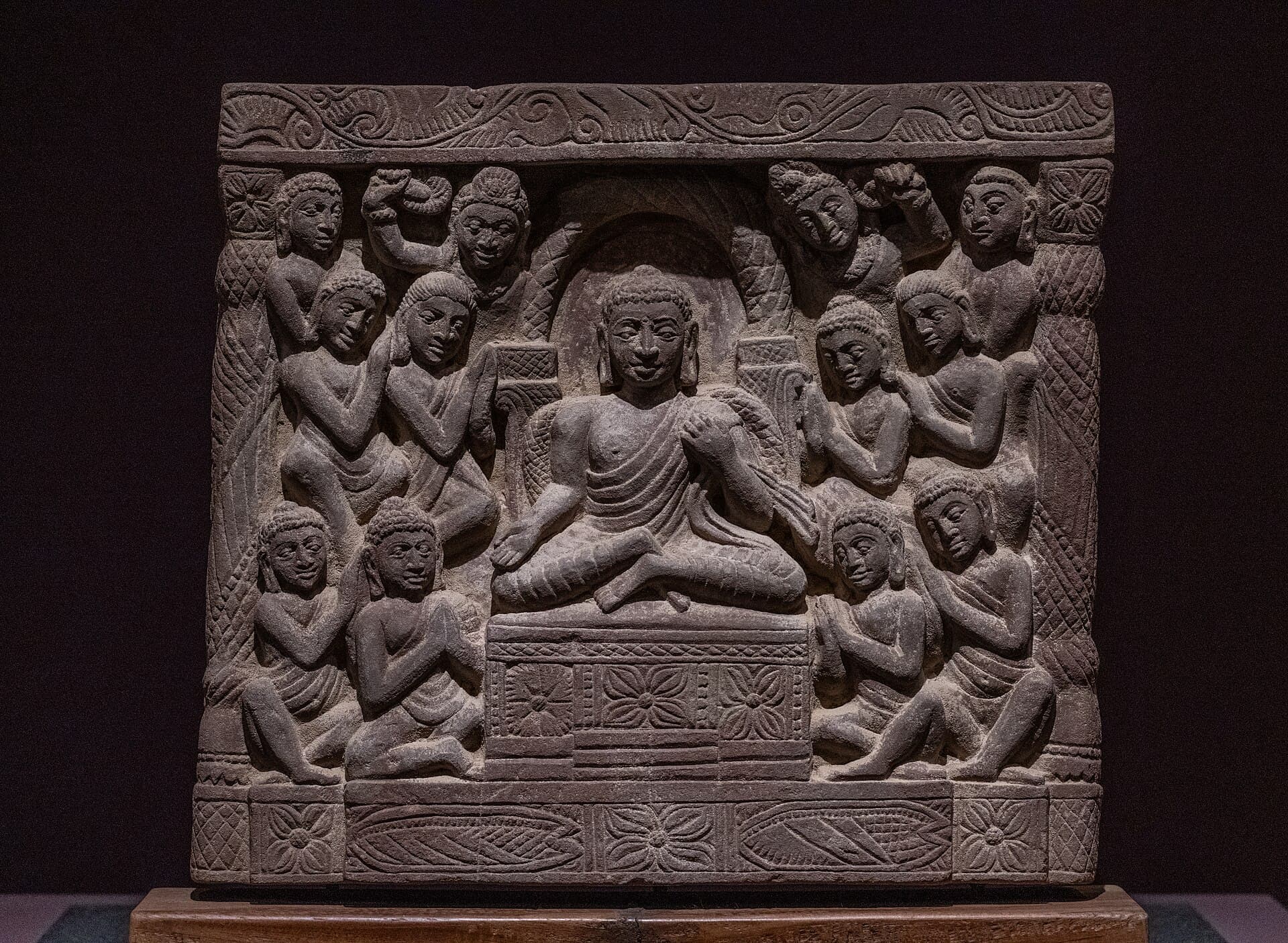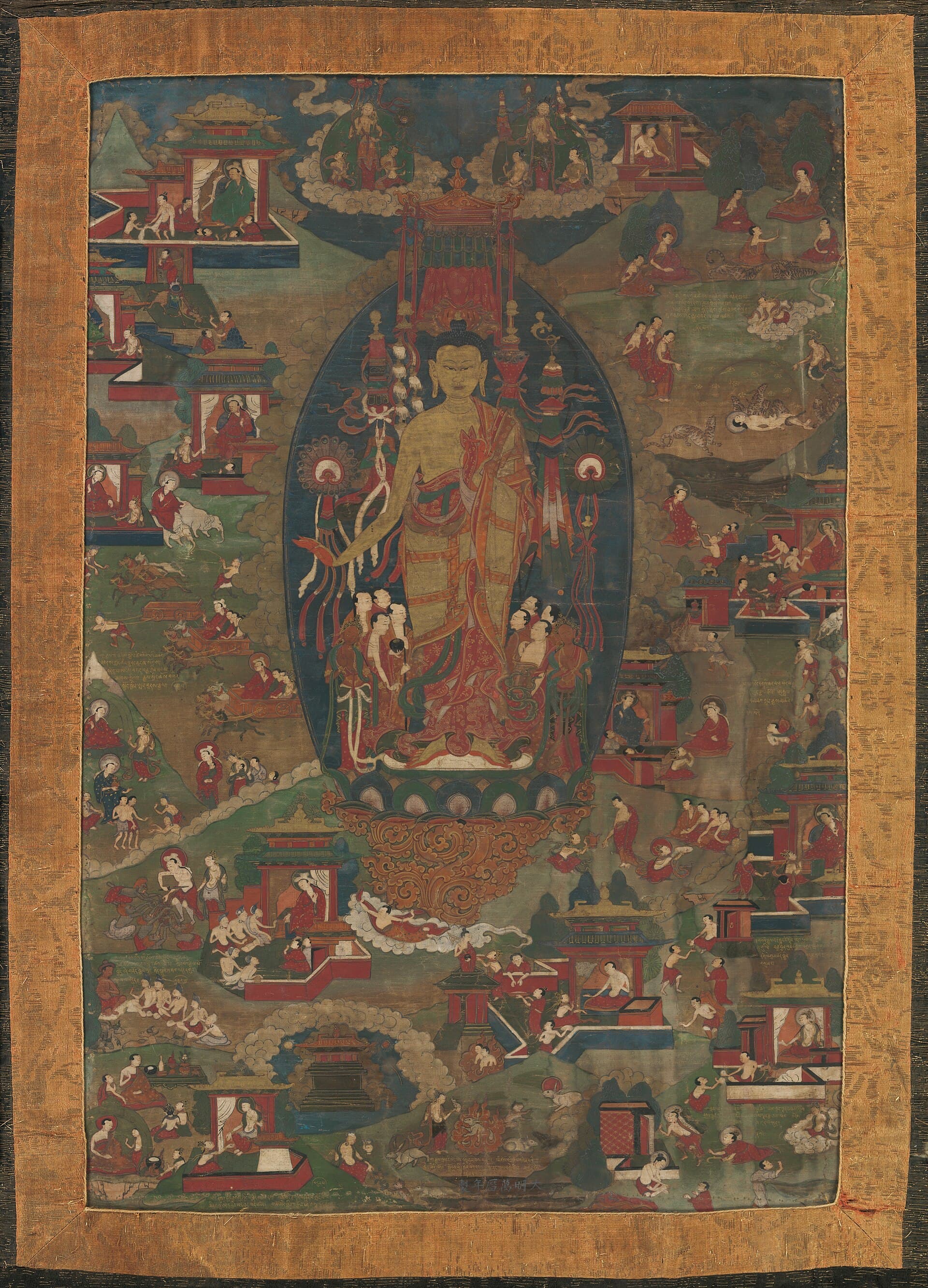
Where the Mahayana tradition gave six paramitas — generosity, virtue, patience, energy, meditation, and wisdom — the Theravada tradition developed an alternative list of ten parami, drawn from the Buddhavamsa and the Cariyapitaka of the Khuddaka Nikaya, and elaborated in the Jataka commentary. The two lists overlap but are not identical. The Theravada ten focus more on character qualities than on the bodhisattva ladder, and they are framed as the path that Siddhartha Gautama himself cultivated through 547 previous existences before the lifetime in which he became the Buddha.
The ten parami are: dana-parami (generosity), sila-parami (virtue), nekkhamma-parami (renunciation), panna-parami (wisdom), viriya-parami (energy), khanti-parami (patience), sacca-parami (truthfulness), adhitthana-parami (determination), metta-parami (loving-kindness), and upekkha-parami (equanimity).
Dana-parami is the practice of giving — material gifts, the gift of fearlessness, the gift of dharma. In the Jataka the Buddha-to-be is shown giving everything: wealth, kingdom, wife, children, his own eyes, his own life. The story of King Vessantara — the Vessantara Jataka, the most popular Jataka in Theravada Asia — is the canonical narrative of dana-parami carried to its full extreme.
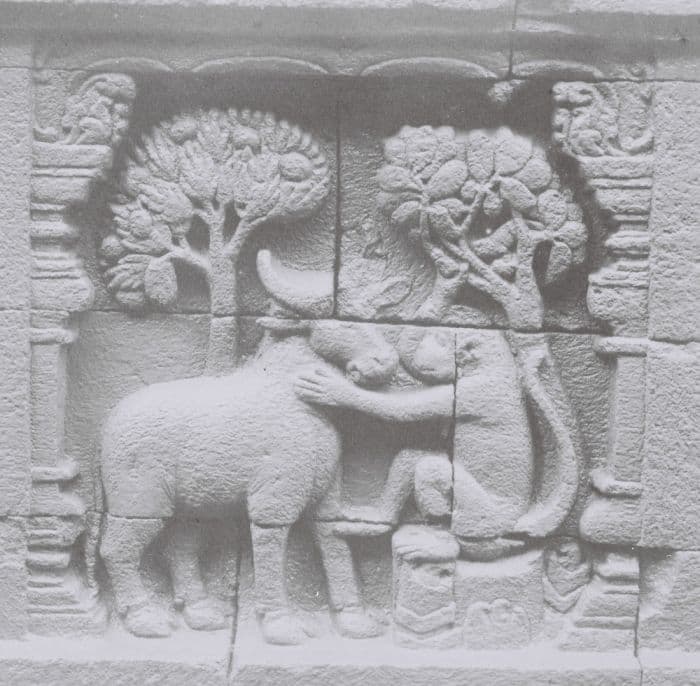
Sila-parami is the cultivation of ethical conduct across lifetimes, the unbreakable holding of the precepts. The story of the deer-king who offered his own life to spare a doe and her fawn (the Nigrodhamiga Jataka) is the canonical instance.
Nekkhamma-parami is renunciation — the willingness to abandon what binds, even at the height of fortune. The Buddha's own renunciation in his last lifetime is the model.
Panna-parami is wisdom. The story of Sage Senaka and the riddles — the Maha-ummaga Jataka — exemplifies it.
Viriya-parami is energy. The story of the Buddha-to-be as Prince Mahajanaka, who swam in the ocean for seven days and nights after a shipwreck refusing to stop until he was rescued, is the canonical exemplum.
Khanti-parami is patience, especially under provocation. The Kshantivadi Jataka — the Buddha-to-be as the ascetic Khantivada, dismembered piece by piece by a hostile king and remaining undisturbed — is the most extreme instance.
Sacca-parami is truthfulness. The Buddha-to-be never lied across his entire bodhisatta career; the Sacca-Kiriya — the act of truth, by which the speaker invokes the power of their own unbroken truthfulness — depends on this perfection having been fulfilled.
Adhitthana-parami is determination, the unshakable commitment to the goal of buddhahood across vast time. The Buddha's aspiration under Dipankara Buddha aeons earlier is the canonical instance.
Metta-parami is loving-kindness, cultivated to immeasurable extent. The Buddha-to-be as the prince Suvannasama — who supported his blind parents in the forest and was forgiven even by the king who shot him — is the canonical narrative.
Upekkha-parami is equanimity, the balance that remains in all conditions. The Buddha-to-be as the ascetic Lomahamsa, treated alternately as a god by some villagers and a demon by others and unmoved by either, is the model.
The paramis function in the Theravada cosmology as the long-arc work of a bodhisatta — the future Buddha — across uncountable lifetimes. But the tradition does not restrict their cultivation to bodhisattas. Every Theravada practitioner who hopes to become an arahant in this life or in any future life is encouraged to cultivate the paramis daily. They are not optional virtues; they are the contour of the path itself.
In modern Theravada teaching the ten paramis often serve as a practical reflection list. Joseph Goldstein's The Experience of Insight, Sharon Salzberg's teaching, and Bhikkhu Bodhi's essays all use the ten paramis as a way of mapping the moral and contemplative virtues in the practitioner's life. The list complements the Mahayana six paramitas without superseding them.