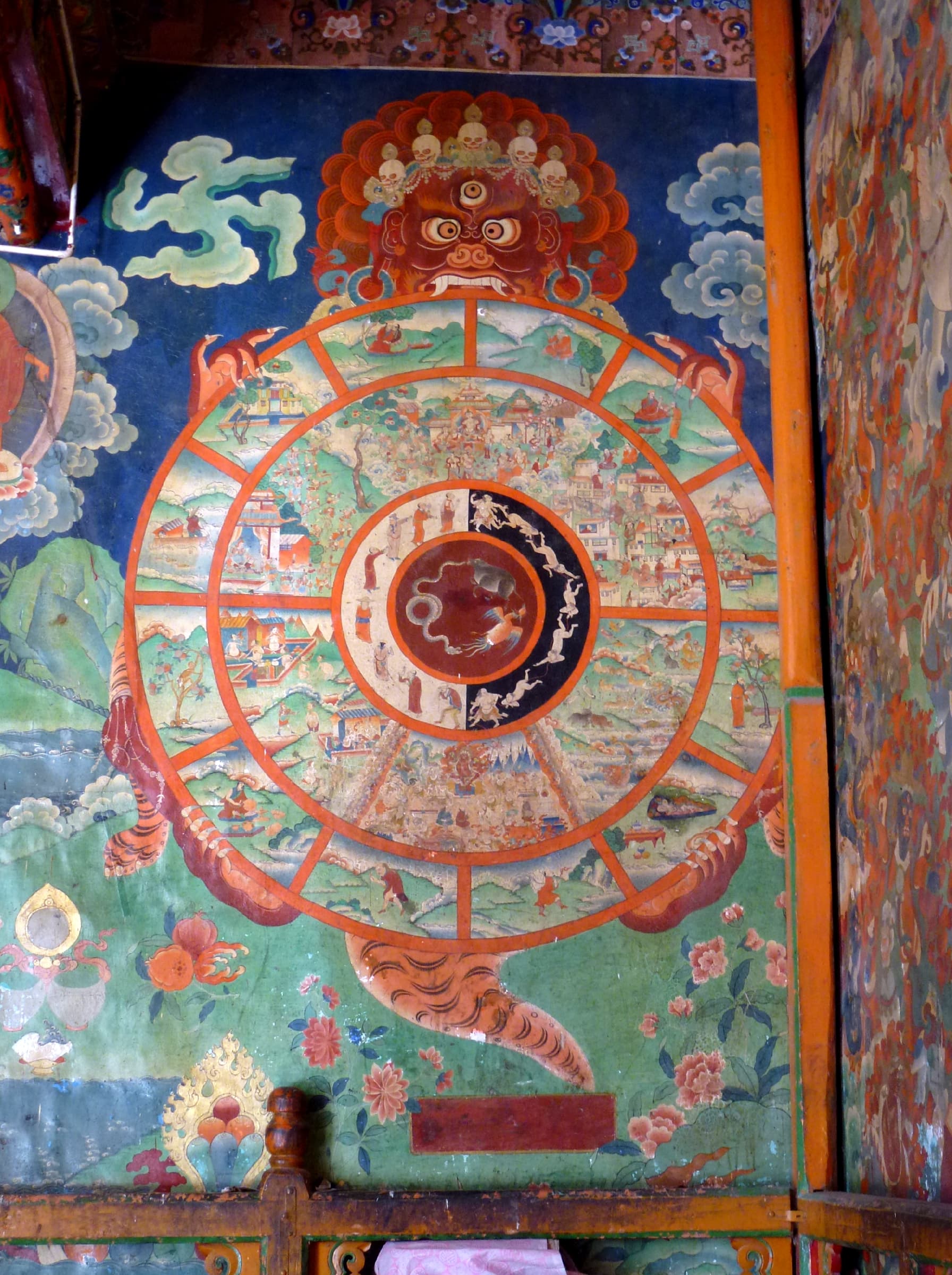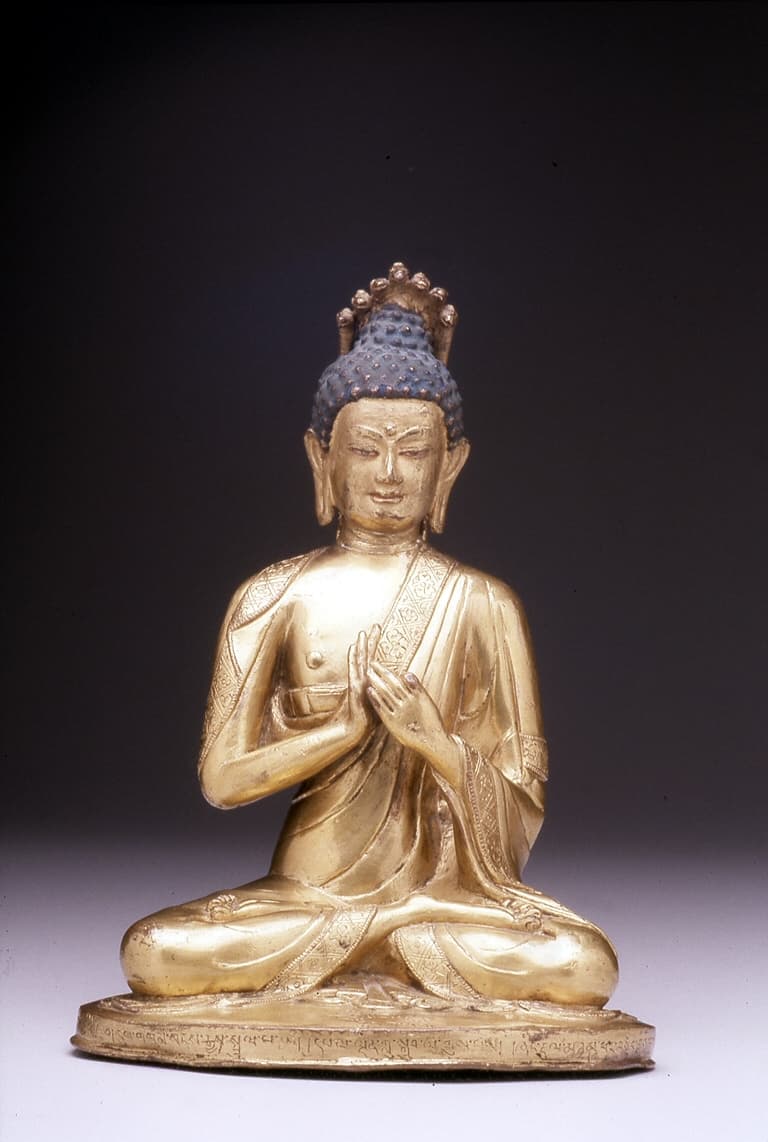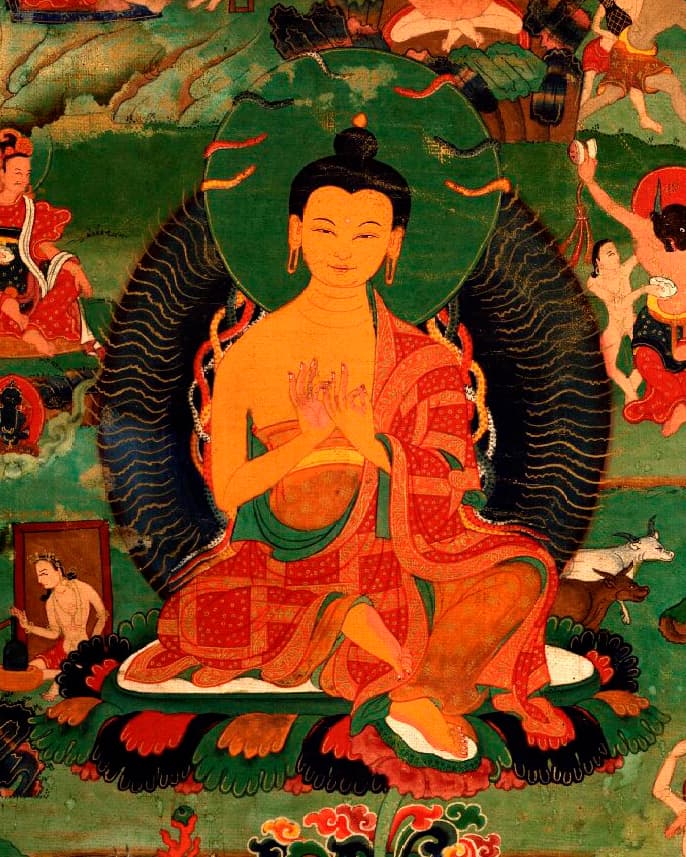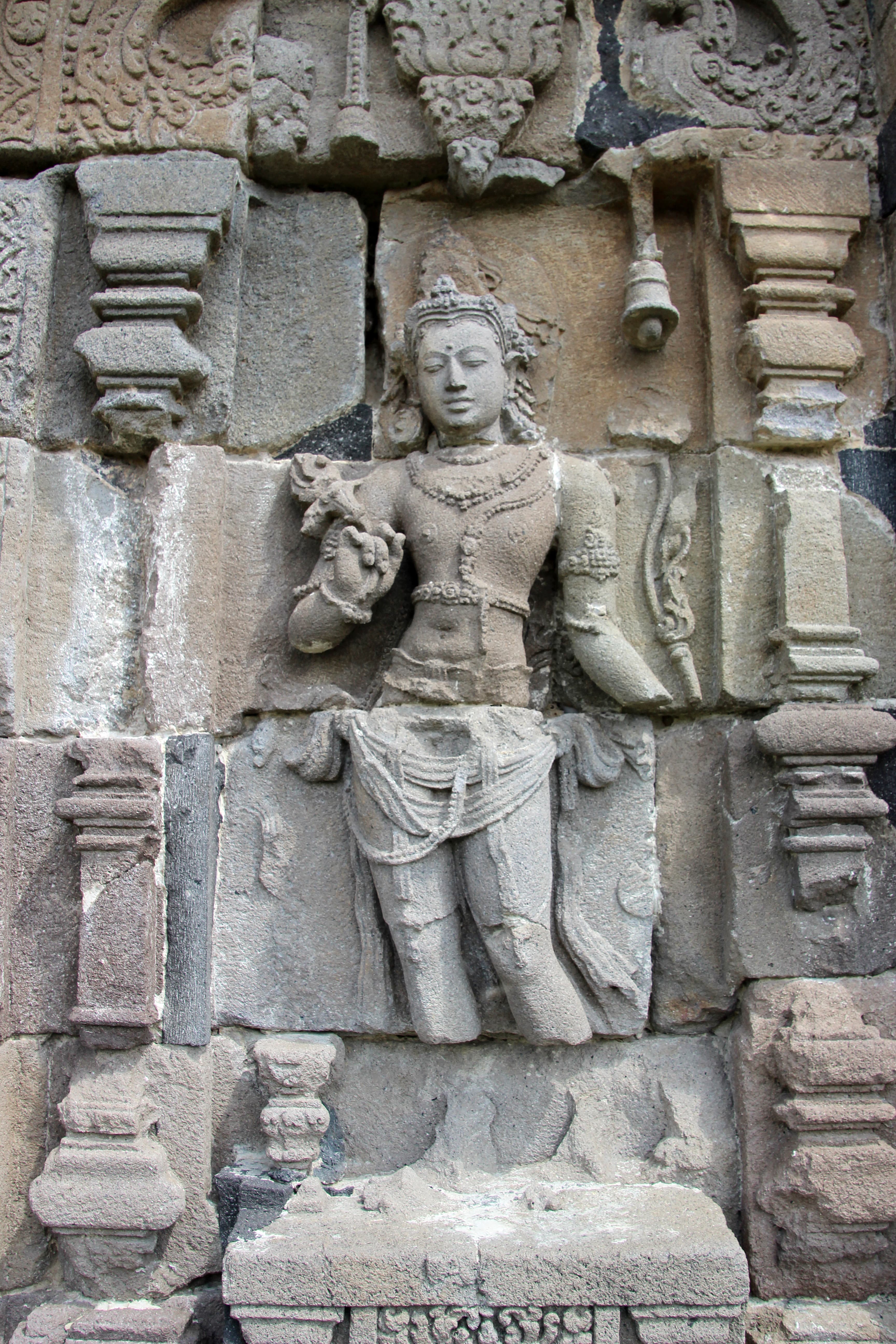
The Buddha's formula of dependent origination (paticca-samuppada, pratityasamutpada) in the Pali tradition is a twelve-linked psychological chain that explains how craving and ignorance produce suffering and how their cessation produces freedom. It is an analysis of a single sentient continuum across time. The Mahayana, beginning with Nagarjuna in the second century CE and reaching its fullest flowering in the Avatamsaka Sutra and the Huayan school of seventh-century China, took the same formula and pushed it to its logical extreme: if every dharma arises in dependence on causes and conditions, then nothing stands by itself, anywhere; the universe is a single mutually-conditioning fabric.
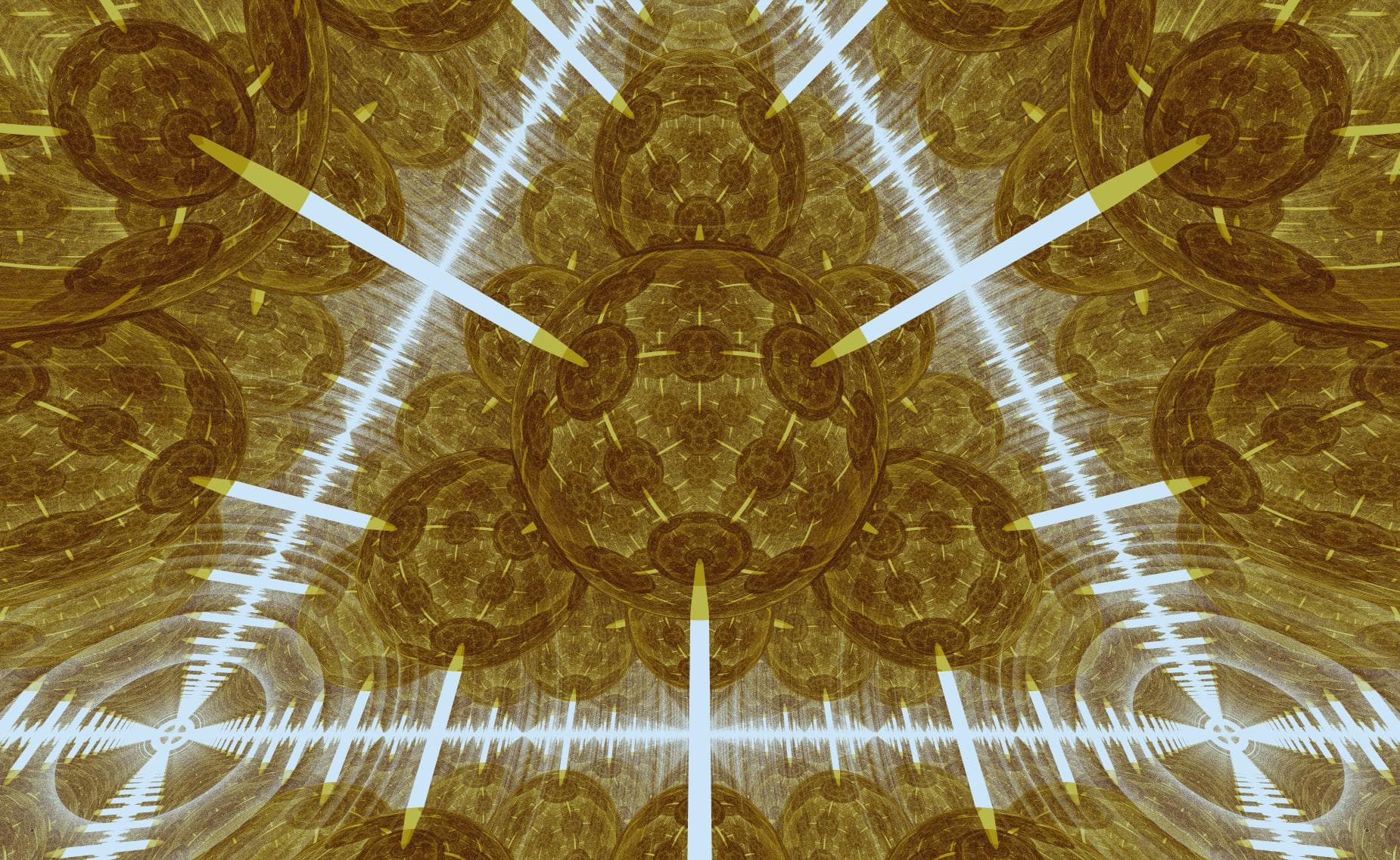
The defining image of this teaching is Indra's Net, given in the Avatamsaka Sutra. The Lord of the gods Indra has cast a net across the entire universe. At every node of the net hangs a jewel. Each jewel is polished to such perfection that it reflects every other jewel in the net. And each reflection reflects every other reflection. There is no first jewel, no central jewel, no jewel that contains or is contained by another. Every jewel is the entire net; every jewel is also one jewel among infinite others. The image is the Huayan masters' way of saying: this is what dependent origination actually means.
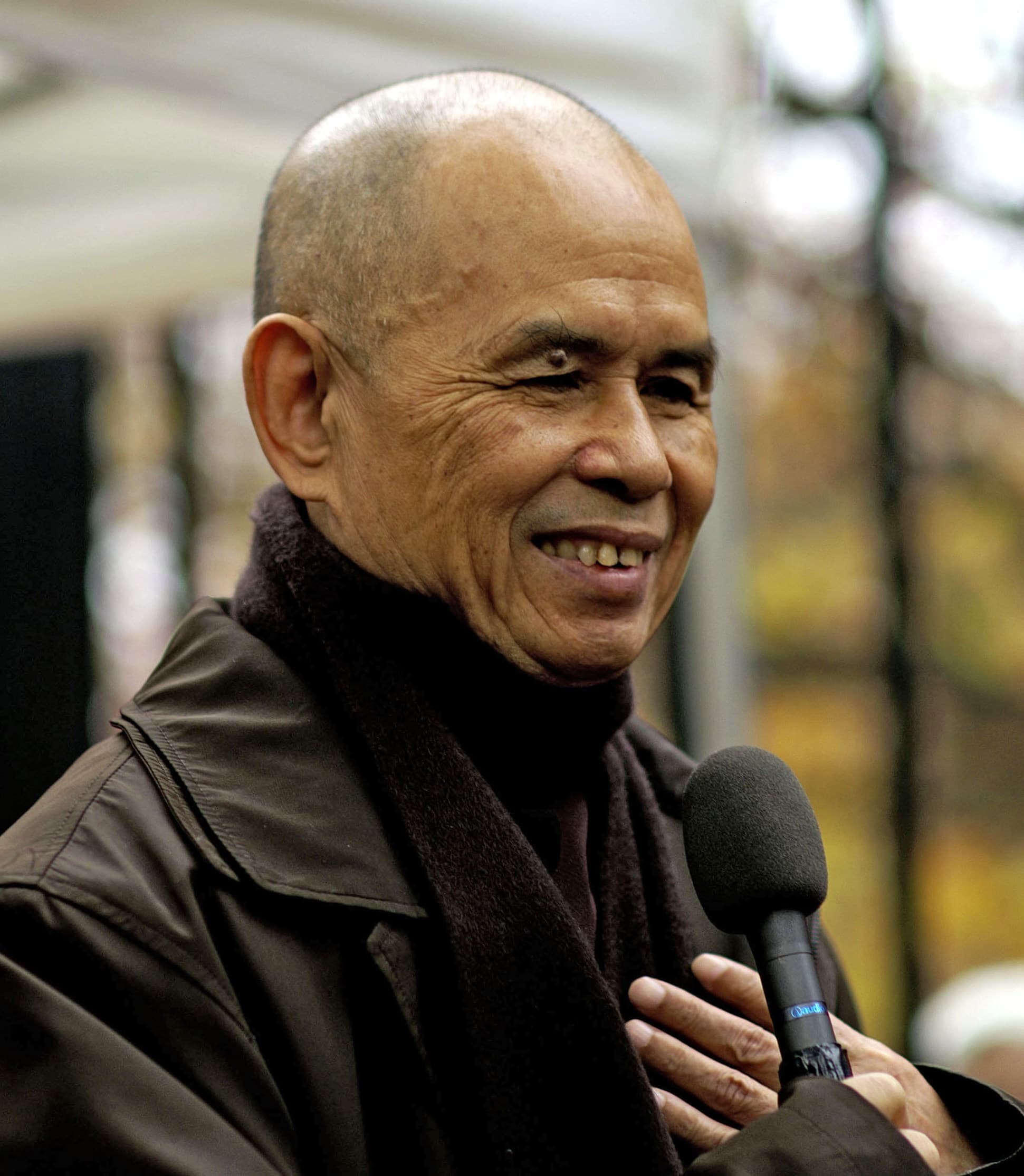
Thich Nhat Hanh, in the late twentieth century, gave the teaching its most-quoted contemporary form with the neologism interbeing (in Vietnamese tiep hien, literally "continuing realization"). His example: when you look at a sheet of paper, you can see the cloud in it, because without the cloud there is no rain, without the rain no tree, without the tree no paper. You can see the logger, the logger's parents, the logger's breakfast, the wheat for the breakfast, the sun and soil for the wheat. The paper inter-is with every phenomenon in the universe. It is not made of paper-stuff plus relations; the relations are constitutive. Remove any one of them and the paper does not exist.
The teaching is doctrinally important in three ways. First, it is the philosophical foundation of bodhicitta: if I am not separate from you, then your welfare is not separable from mine, and the bodhisattva's vow to save all beings is not altruism but accurate description. Second, it is the foundation of sunyata: emptiness does not mean nothing exists, it means nothing exists by itself; every phenomenon is empty of own-being precisely because every phenomenon is full of every other phenomenon. Third, it has been the philosophical foundation of engaged Buddhism in the twentieth century: the Sarvodaya Shramadana movement in Sri Lanka, the Plum Village tradition, and the Tzu Chi foundation all root their social action explicitly in the recognition that suffering is not located in individuals but in patterns of interdependence.
The scientific resonances are obvious. The seventeenth-century mechanical universe of independent objects in absolute space has been progressively replaced, over the twentieth century, by field theories in which particles are excitations of underlying fields, ecosystems in which species are nodes of trophic webs, and ecological models in which the climate, the soil, and the biosphere co-determine one another. The Mahayana arrived at the same insight by a different route — pure phenomenological observation of the dependent arising of every cognitive event — and it produced a contemplative practice rather than a quantitative one. The two are not in tension; they describe the same reality.
For practice, interdependence is the antidote to the most basic confusion the dharma names: the sense of a separate self surrounded by other separate selves and indifferent matter. Seeing through that, even momentarily, is the doorway. The Avatamsaka calls it the dharma-dhatu — the realm of phenomena interpenetrating without obstruction.